

12 Cars More Reliable Than A Toyota Camry
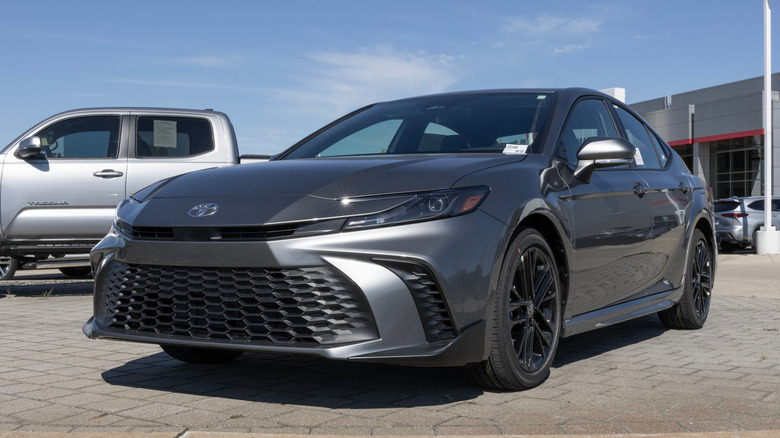
The Toyota Camry is an exceptionally popular sedan, with a strong reputation for quality, reliability, and affordability. In production since 1982, this well-known sedan has become a staple in the American market. The popularity hasn't waned over the years, either, with Kelley Blue Book (KBB) heralding the Toyota Camry as the ninth top-selling vehicle in the U.S. in 2025. Even more impressively, this nameplate was only outsold by trucks, SUVs, and EVs. That means the Camry was the most in-demand sedan in 2025, with a stunning 316,185 units sold across the year. Although this highly regarded vehicle is known for its dependability, it's not the absolute most reliable on the market.
To get an accurate assessment of the Toyota Camry's real-world reliability, Money Digest looked at the J.D. Power Quality & Reliability ranking and the Edmunds Value index. The first metric assesses on-the-road performance as reported by actual Camry owners, covering all aspects of the vehicle. Alternatively, the second puts a nameplate through an expert-led track test more than 115 miles over different terrains. This combined focus helps produce a more comprehensive hybrid reliability score. Instead of relying on predictive metrics for newer models, we looked at the 2022 Camry, for which sufficient tangible performance has been tracked.
The 2022 Toyota Camry earned an 87 from J.D. Power and a 75 from Edmunds, resulting in a combined dependability rating of 81. This stellar score makes this reputable sedan a tough competitor. However, Money Digest was able to track down a dozen vehicles that boast a composite reliability score higher than that of the Camry. This can help buyers to pinpoint the best used vehicle for their needs more accurately. Bear in mind that the dependability of one production year doesn't automatically extend to all releases of a nameplate.
12. 2021 Lexus IS
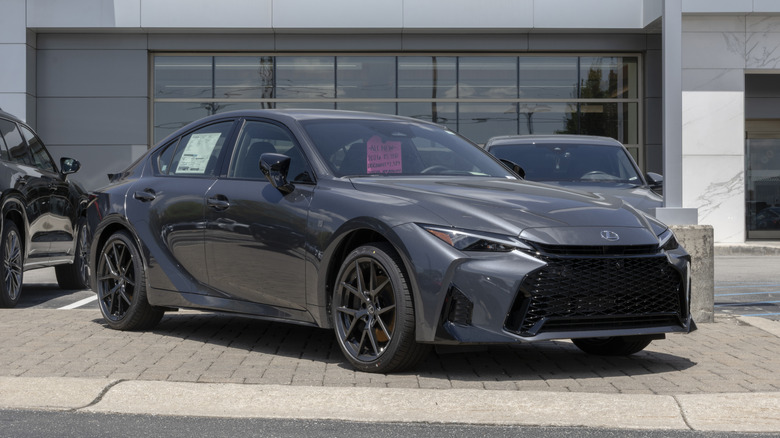
Money Digest has already highlighted the 2021 Lexus IS as one of the vehicles more reliable than the Toyota Corolla, but this luxury sedan also outpaces the Camry, with a combined dependability rating of 81.5. This score is the result of an 88 on the J.D. Power index and a 75 on the Edmunds ranking. This premium sedan is celebrated for its stellar road manners, smooth driving experience, and responsive handling. Notably, the rear seat and cargo space are slightly more confined than the rest of its segment. The baseline IS 300 trim features a fuel economy of 25 miles per gallon, per FuelEconomy.gov, which is solid given its release date. According to J.D. Power, the 2021 Lexus IS usually sells for anywhere between $27,727 and $40,826.
The IS 350, which is the entry-level trim of this Lexus nameplate, costs around $5,891 to maintain within the first decade of ownership. This is a wallet-padding $3,458 cheaper than the average luxury sedan. Furthermore, the IS 350 only comes with a 15.63% chance of needing a serious fix across the same time period, defined as any repair costing more than $500. According to CarEdge, this is 10.62% lower than the segment standard. The 2021 Lexus IS received a Top Safety Pick+ classification from the Insurance Institute for Highway Safety (IIHS), which is the independent testing agency's highest award; this denotes superior crashworthiness and safety features.
11. 2021 Toyota Corolla Hatchback
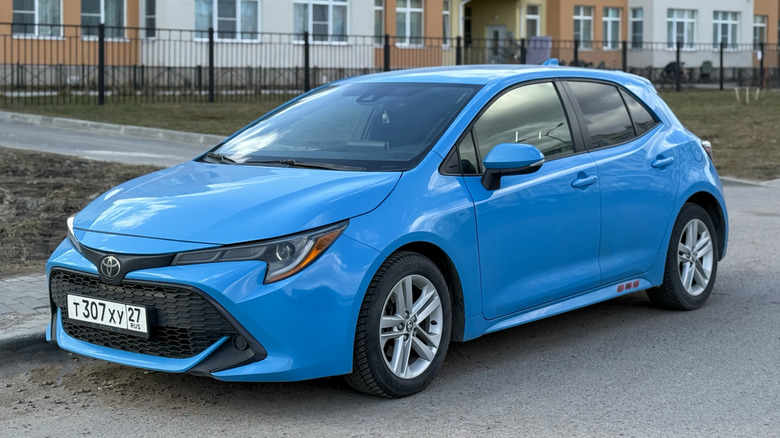
The 2021 Toyota Corolla Hatchback earned an 88 on the J.D. Power Quality and Reliability score and a 75 on the Edmunds Value rating. Overall, this hatchback spin on the popular sedan holds a composite dependability of 81.5. The Corolla Hatchback has actually been identified as one of the most reliable Toyota cars on the market. This hatchback model gives up some cargo area due to its hatchback design, but it features excellent visibility, comfortable handling, and a composed driving experience. Notably, the 2021 Corolla Hatchback exhibits a stellar 35 miles per gallon combined fuel efficiency, as measured by FuelEconomy.gov. Per J.D. Power, this model is typically priced from $17,175 to $20,278.
CarEdge predicts that the average Toyota Corolla Hatchback runs up a 10-year maintenance and repair bill of $4,198. For comparison, the average Toyota car requires $5,470 of upkeep investments over this period. CarEdge doesn't provide specific repair probability data for the Corolla Hatchback, but the marque's standard risk is 14.97%, which is 10.46% below the typical car brand. The IIHS awarded the 2021 Corolla Hatchback with a Top Safety Pick classification, the organization's second-highest ranking. This model received perfect crash test scores, with the sole exception of the side test, which measures the impact of a T-bone collision.
10. 2020 Kia Sportage
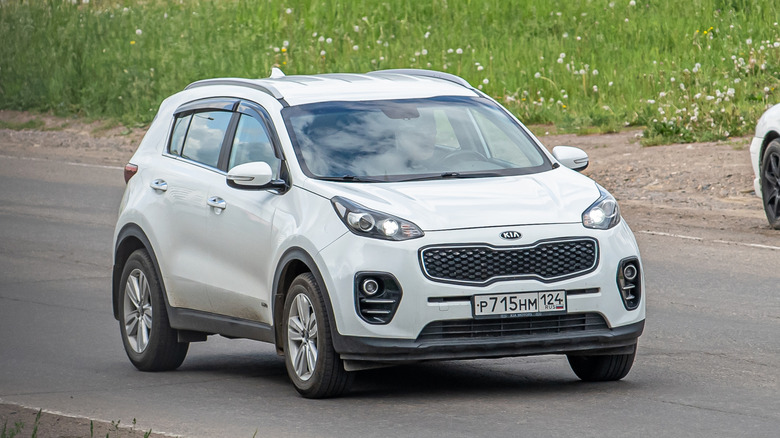
The Kia Sportage has already been heralded by Money Digest as one of the SUVs that are more reliable than the Toyota Highlander. This accolade extends when measuring it up against the Toyota Camry, too. The 2020 release of this compact SUV holds a combined reliability score of 82, resulting from an 89 on the J.D. Power Quality and Reliability ranking and a 75 on the Edmunds Value index. Drivers can appreciate this nameplate's well-designed seats that make for a comfortable ride no matter the distance, in addition to sufficient space in the front and rear seats. The Sportage maintains a noiseless interior even on the highway. FuelEconomy.gov reports that the 2020 Sportage gets around 26 miles per gallon combined. On average, consumers spend about $12,918 to $23,254 on this compact SUV, per J.D. Power.
Within the initial 10 years of driving, Kia Sportage owners usually spend around $8,455 in routine repairs and maintenance, which is only $57 below the class norm, according to CarEdge. Furthermore, this vehicle has a 24.49% chance of requiring a considerable repair, falling in line with its peers. The 2020 Kia Sportage is another Top Safety Pick from the IIHS, landing first-rate evaluations across crash test simulations. The only faltering category was the side test, which received subpar results.
9. 2022 Toyota RAV4
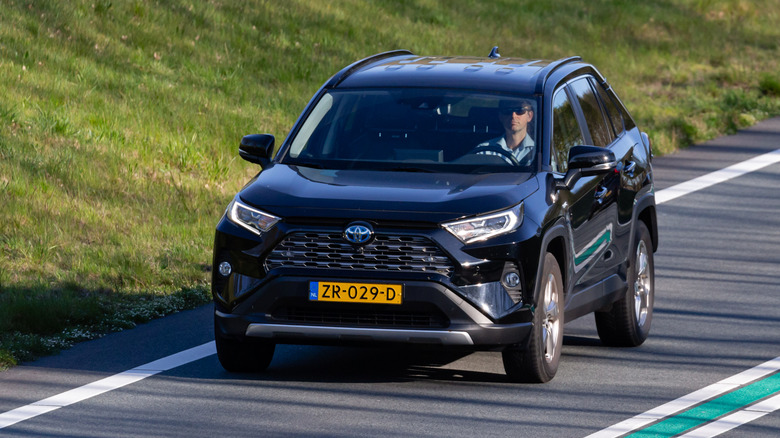
The Toyota RAV4 has faced credibility issues in its most recent releases. In fact, Money Digest has covered a dozen reasons you should avoid buying the RAV4, but these issues don't all extend to older models. This 2022 model of this SUV received an 87 on the J.D. Power Quality and Reliability score and a solid 80 on the Edmunds Value rating, enjoying an 83.5 combined reliability ranking. This top-selling Toyota SUV is recognized for its off-pavement performance, intuitive controls, spacious interior and trunk, and a comfy driving experience. Although the engine performance is criticized, most drivers aren't looking for an overpowered SUV. According to FuelEconomy.gov, the 2022 RAV4 averages 30 miles per gallon combined. J.D. Power puts the price of this model between $24,330 and $42,683.
According to CarEdge, the Toyota RAV4 demands about $6,004 of investment in general upkeep over a decade, which is a welcome $2,508 below the standard for SUVs. Additionally, this nameplate's 16.61% odds of needing a major fix across a decade are 7.36% lower than those of competing models. The IIHS hand-picked the 2022 RAV4 as a Top Safety Pick after this compact SUV received premier results in crashworthiness, only falling below average on its moderate-overlap front test. Additionally, the car's front crash prevention systems for both vehicles and pedestrians performed optimally.
8. 2020 Hyundai Sonata
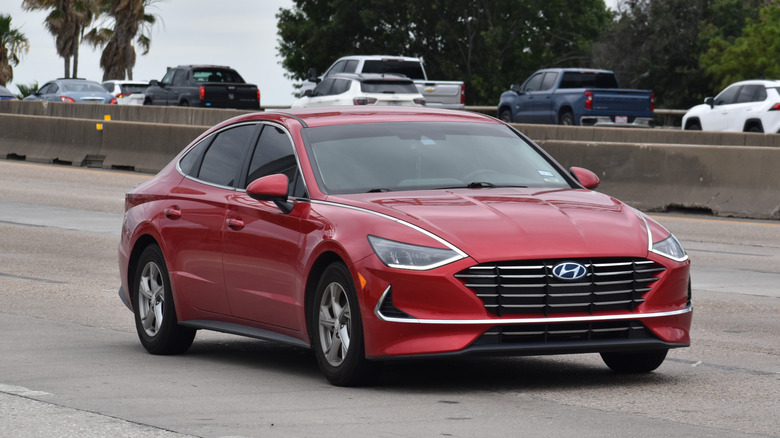
The 2020 Hyundai Sonata offers an above-average combined dependability rating of 84, resulting from a J.D. Power score of 83 and an exceptionally high Edmunds ranking of 85. Unsurprisingly, the Sonata has been highlighted by Money Digest as one of the best Hyundai cars for retirees, although that recommendation extends to nearly all drivers who prioritize reliability. The 2020 model comes with a suite of built-in tech features, making the controls ergonomic and easy-to-use. Furthermore, this model appeals to owners for its roomy interior and affordable quality. FuelEconomy.gov asserts that the 2020 Sonata holds a fuel efficiency of 31 miles per gallon. Generally speaking, consumers tend to pay between $12,315 and $19,289 for this production year, as reported by J.D. Power.
Drivers of the Hyundai Sonata normally pay about $6,443 to keep this vehicle up and running smoothly, per CarEdge. These upkeep expenses are around $478 cheaper than those of competing models. Additionally, owners of the Sonata experience an 18.31% likelihood of needing to pay for a serious fix, which is a modest 1.35% lower than the class average. The 2020 Hyundai Sonata is yet another recipient of the highly competitive IIHS Top Safety Pick classification. This sedan received a near-perfect report card on its crashworthiness examination, only coming up below the highest rating on the side test. Both the pedestrian and vehicle front crash prevention systems landed the highest rating available.
7. 2021 Kia Soul
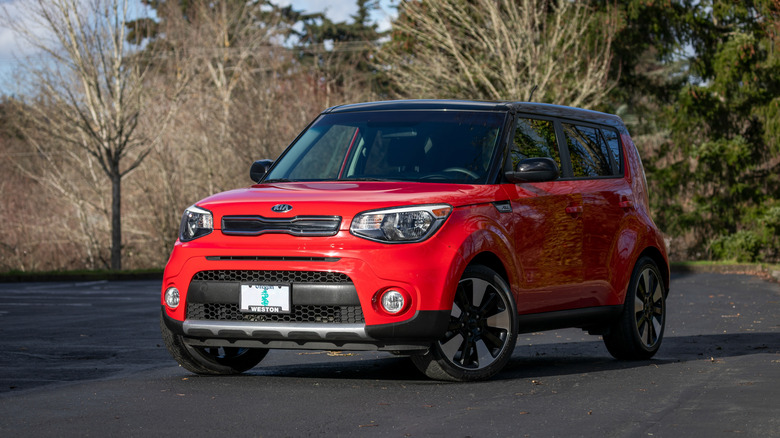
The Kia Soul is known as one of the best cheap cars that maintain superior reliability, and the 2021 model is a prime example of this reputation. An 88 on the J.D. Power Quality and Reliability rating and an 80 on the Edmunds Value system net this nameplate an 84 in hybrid dependability. What may seem like a trivial design, the Soul's boxy shell actually yields more space than some compact SUVs. Plus, this smaller footprint makes for tighter handling and a genuinely enjoyable behind-the-wheel thrill. The entry-level 2021 Soul trim holds a fuel economy of 30 miles per gallon combined, as reported by FuelEconomy.gov. Proving its positive cost-benefit ratio, this release year often sells for $13,745 to $19,542, per J.D. Power.
Despite the Kia Soul's relatively modest size, this model's long-term maintenance costs are average for its class. Over 10 years, owners should budget around $7,394 in upkeep charges. Similarly, the Soul's risk of requiring a considerable fix across a decade is in line with the class norm at around 21.81%, according to CarEdge data. The 2021 Kia Soul's crashworthiness report shows exceptional results without any test falling below the highest rating. Furthermore, this boxy model's front crash prevention systems for both vehicles and pedestrians were judged to be top-tier. Together, these landed this model a Top Safety Pick from the IIHS.
6. 2022 Chevrolet Corvette
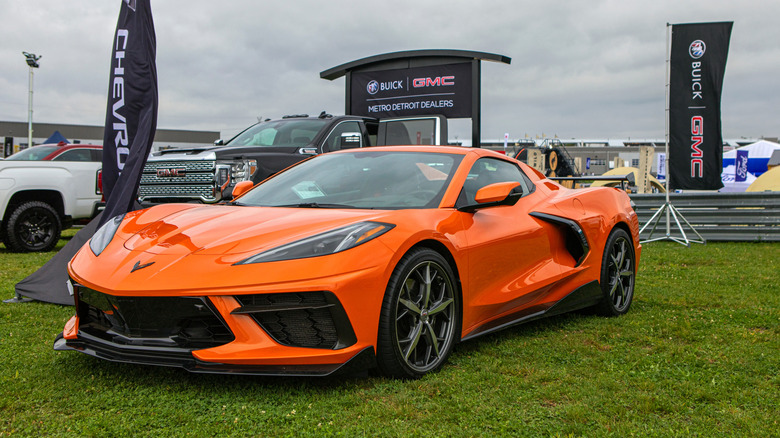
It may come as a surprise to many drivers to see the Chevrolet Corvette outranking the Toyota Camry in reliability. While this iconic sports car ranks high for customer satisfaction, it also displays first-rate reliability with a hybrid score of 85. J.D. Power granted the 2022 Corvette with a stellar 90, and Edmunds graced the coupe with an 80. As a world-renowned performance machine, the 2022 Corvette undoubtedly excels at acceleration, handling, and raw power. However, the model is also known for its relative affordability within its segment. Crucially, this sports car suffers from high fuel consumption, with a poor fuel efficiency of 19 miles per gallon combined, per FuelEconomy.gov. J.D. Power estimates that the average 2022 Corvette sells for around $52,501 to $72,970, making it the most expensive car on this list.
Unfortunately, CarEdge doesn't provide specific prolonged maintenance data for the Corvette specifically. However, the Chevrolet's average upkeep costs sit around $9,602 over a decade, which is $631 less than the market average. Also, this marque sees a 28.96% probability of demanding a major fix within 10 years of driving, which is 3.53% lower than the industry norm. Regrettably, the IIHS doesn't provide any crashworthiness or safety results for the 2022 Chevrolet Corvette, as the agency prefers to test more mainstream models. However, this nameplate offers a wide range of optional safety features, including a rear camera, blind spot detection system, and rear cross-traffic alert.
5. 2021 Honda Civic
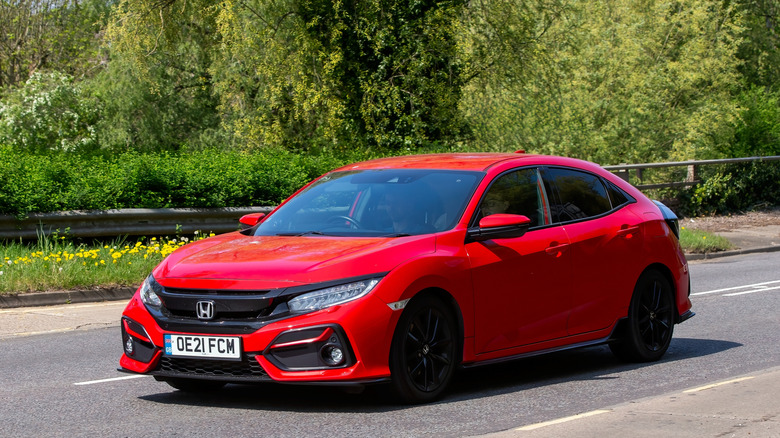
The Honda Civic is hands-down one of the best new cars available in the sector, but this popular sedan's track record extends far beyond the most recent releases. More specifically, the 2021 Civic enjoys a combined reliability rating of 85.5, sitting much higher than that of the Toyota Camry. This premium score stems from a J.D. Power Quality and Reliability ranking of 86 and an Edmunds Value score of 85. This nameplate offers a comfortable interior and ride, along with plenty of space in the cabin and trunk. Owners also benefit from agile handling, a suite of standard safety and tech components, solid fuel efficiency, and a powerful engine. The 2021 Civic gets an outstanding 32 miles per gallon combined, as calculated by FuelEconomy.gov. The deal becomes even sweeter when considering the usual model sells for roughly $17,160 to $24,461, per J.D. Power.
Over the initial decade of driving the Honda Civic, owners tend to commit around $5,632 to routine maintenance, which is around $333 more affordable than competing models. CarEdge further places the Civic's likelihood of experiencing a serious issue at 16.08%, or around 0.88% lower than the class benchmark. The 2021 Honda Civic received exceptional crashworthiness and safety test results from the IIHS. This sedan achieved perfect scores across crash test simulations, without any falling below the highest rating. Plus, its vehicle and pedestrian front crash prevention systems performed seamlessly. This all earned the 2021 Civic a Top Safety Pick grouping.
4. 2022 Toyota Avalon
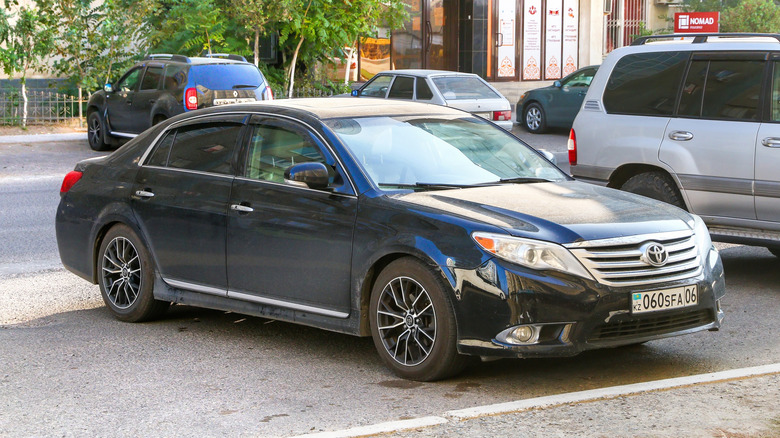
The Toyota Avalon has been described as a luxurious alternative to the more expensive Lexus ES, with competitive reliability. J.D. Power graded this model's 2022 version with a 91, and Edmunds awarded it an 80, resulting in a composite dependability ranking of 85.5. 2022 marked the final year of production for the Avalon, but this nameplate still beats out its Camry counterpart in reliability. In this latest model, owners get a spacious, agile, and affordable sedan that's equipped with various built-in safety features. FuelEconomy.gov reports that the 2022 Avalon averages 25 miles per gallon combined, which is outstanding for its time period. J.D. Power's average price range of this nameplate, between $23,198 and $36,360, represents the additional savings extended to consumers.
Similar to the Chevrolet Corvette, CarEdge doesn't provide nameplate-specific maintenance costs for the Avalon. However, consumers can get a ballpark estimate by looking at the marque's average upkeep expenses. The average Toyota driver dedicates around $5,470 over 10 years to keep their car running optimally. This is around $3,501 lower than the automotive market standard. Furthermore, the 14.97% likelihood of a Toyota model needing a considerable repair falls below the market norm by 10.46%. The 2022 Avalon is also an IIHS Top Safety Pick, exhibiting world-class crashworthiness and above-average safety standards. At this point, it's worth noting that this classification is not the norm, but simply a reflection of the premium reliability of these standout models.
3. 2021 Lexus ES
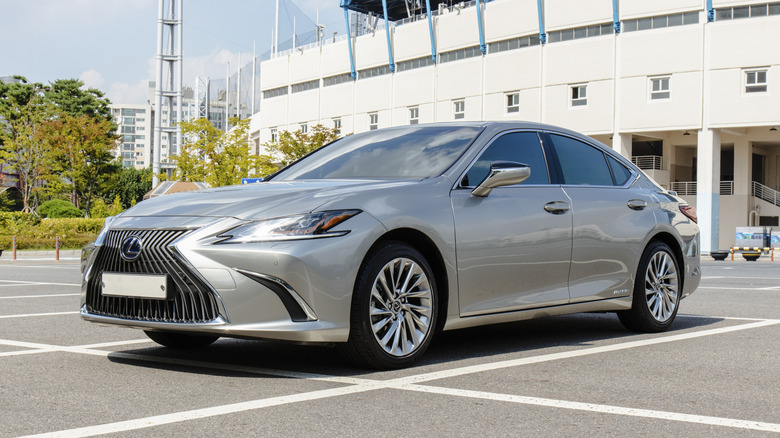
The 2021 Lexus ES displays an exemplary composite reliability score of 86. This is derived from a J.D. Power Quality and Reliability rating of 87 and an Edmunds Value ranking of 85. That dependability helps explain why Money Digest has recognized the ES as one of the best Lexus vehicles for retirees. The ES has carved a niche for itself in the luxury vehicle market as a standout option for premium comfort, world-class performance, and responsive handling, all at a decent price point compared to standard high-grade models. The standard 2021 Lexus ES 350 lands a solid combined fuel economy of 26 miles per gallon, per FuelEconomy.gov. According to J.D. Power, consumers usually pay around $26,900 to $37,811 for this production year.
The Lexus ES 350, which is the entry-level trim for the model, typically runs up a 10-year servicing bill of $5,925. These prolonged maintenance costs are around $3,424 below the average for luxury sedans. Additionally, CarEdge reports that drivers of the ES 350 face a 15.63% risk of having to cover a major repair, around 10.62% lower than that of competing models. The 2021 ES 350 is an extraordinary pick for safety even in this competitive list, boasting an IIHS Top Safety Pick+ categorization. This sedan performed seamlessly in all crashworthiness tests.
2. 2020 Kia Forte
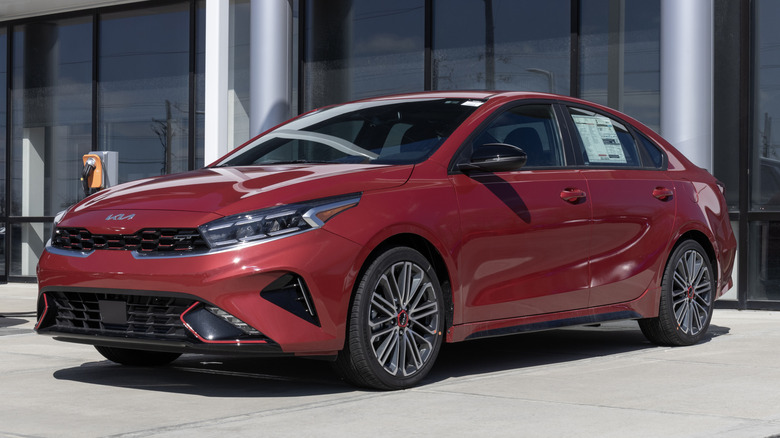
The Kia Forte isn't just more dependable than the Toyota Camry; it also outperforms some of the highest-regarded luxury models. Money Digest has pinpointed this compact SUV as one of the cars more reliable than a BMW 3 Series. Overall, the Forte enjoys a combined reliability score of 87.5, resulting from a J.D. Power rating of 85 and an Edmunds ranking of 90. The Forte may be smaller than its larger sedan counterparts, but it still flexes with an intuitive and ergonomic tech system, a litany of built-in features, and superb fuel economy, all at a decent price point. J.D. Power estimates that the typical 2021 Forte sells for anywhere between $10,597 and $14,845. FuelEconomy.gov reports that the 2021 Kia Forte features a phenomenal fuel efficiency of 33 miles per gallon combined.
Within the preliminary 10 years of driving the Kia Forte, owners often experience a prolonged maintenance and repair cost of $6,214. CarEdge estimates that this model saves owners $249 when stacked up against typical sedan upkeep costs. The Forte's 18.11% risk of needing a major fix across the same period is 1.15% lower than its peers. The 2020 Forte features a Top Safety Pick classification from the IIHS, only failing to receive perfect scores on a single crashworthiness test.
1. 2022 Nissan Kicks
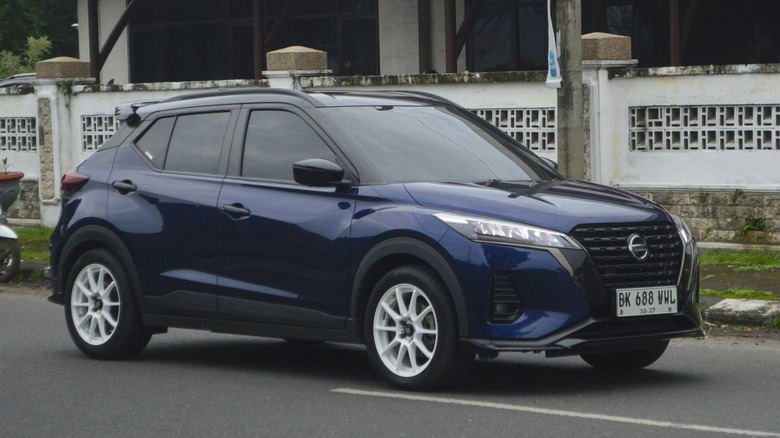
The 2022 Nissan Kicks tops the list of cars more reliable than the Toyota Camry, exhibiting a combined dependability rating of 89. On the J.D. Power Quality & Reliability index, this nameplate achieved a competitive 88, while it landed a remarkable 90 on the Edmunds Value score. What this subcompact SUV lacks in size, it more than makes up for in accessible pricing, stellar fuel efficiency, intuitive controls, and a litany of standard driver features. These achievements have positioned the Kicks as one of the best Nissan cars for retirees, although various driver demographics stand to benefit. FuelEconomy.gov estimates that the 2022 Kicks offers a money-saving 33 miles per gallon combined. Typically, this model sells for around $13,079 to $19,490, according to J.D. Power.
CarEdge reports that Nissan Kicks owners usually spend $7,791 over a decade to service this nameplate. This maintenance bill undercuts the industry norm for SUVs by $721. Additionally, the Kicks has a 22.95% risk of demanding a considerable fix, which is around 1.02% lower than comparable models. Despite not receiving a special IIHS designation, the 2022 Nissan Kicks still performed extremely well on crashworthiness tests, attracting premier scores across the board.