

Kelley Blue Book Says These Are The Best New Cars
Every year, the automotive market is flooded with a slew of new models. The vast majority of these feature the newest production year of existing nameplates that have received perhaps a few changes to differentiate from prior releases. Another subsect of the fresh wave of new vehicles features complete redesigns of long-running models, offering customers new spins and improvements on previously released cars. To be sure, there are brand-new, never-before-seen vehicles released annually, but these only comprise a small fraction of the overall market.
According to Kelley Blue Book (KBB), consumers can choose from about 275 different models, including all vehicle sizes and engine types. With a few hundred vehicles from which to choose, the U.S. automotive industry still moved an impressive $16.2 trillion light vehicles in 2025, per Statista. To be sure, light vehicles are a technical reference to any type of car that's primarily designed for transporting passengers, defined as weighing between 8,500 and 10,000 pounds, as explained by the Environmental Protection Agency.
While 275 choices may seem like a lot to think about, many choices aren't worth considering for the average person due to their high costs, poor performance, or niche target. Fortunately, KBB has identified 13 of the best new cars. To help consumers further find the right model for their needs and budget, Money Digest has pulled together various specifications and pertinent information about each model. We've also sourced crash test data and safety ratings from the Insurance Institute for Highway Safety (IIHS), as well as recalls from the National Highway Traffic Safety Administration (NHTSA). Here are the 13 best new cars as highlighted by KBB.
1. 2026 Nissan Leaf
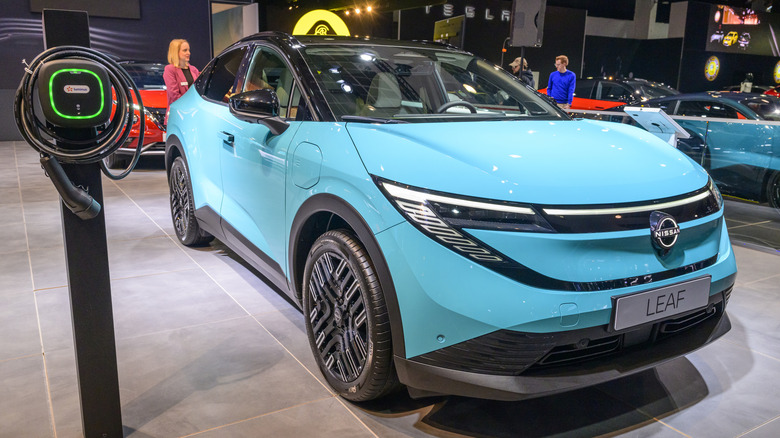
The 2026 Nissan Leaf earned KBB's "best new model" ranking, with particular attention paid to this fully electric vehicle's respectable range of 300 miles. Drivers can enjoy a quiet ride in the spacious cabin, with plenty of room remaining in the trunk. The newest release of the Leaf came with serious upgrades, including better visibility and nearly double the cargo size of previous models. The Leaf boasts an aesthetic design on both the inside and outside. The baseline trim retails for $31,535, although KBB recommends a fair cost of $31,300.
Over the first 10 years of ownership, this EV costs around $3,217 to maintain, according to CarEdge. That's about $1,658 lower than for comparable vehicles. Yet, the Leaf's probability of needing a serious fix within the same time frame is 1.37% higher than the average, sitting around 16.01%. The IIHS gave the 2026 Nissan Leaf above-average crashworthiness scores for all simulations, with the small-overlap and side tests receiving the highest rating. This model's front crash prevention systems for pedestrians and vehicles also performed better than those of the typical vehicle. The NHTSA reports a single recall for the Nissan Leaf, and an additional one for its Leaf Plus counterpart.
2. 2026 Hyundai Kona
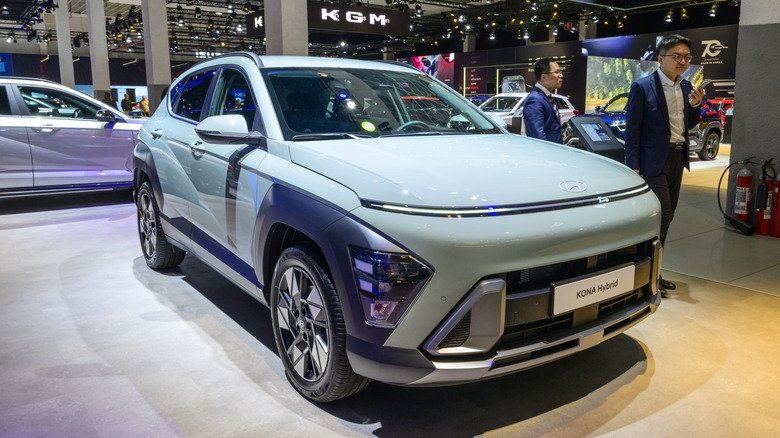
KBB's "best subcompact SUV" award went to the 2026 Hyundai Kona. This eye-catching vehicle comes with a sleek design with unique contours, a spacious cabin, ergonomic controls, and a host of built-in features. The Kona's fuel economy is 28 miles per gallon (mpg) in the city and 35 mpg on the highway for a combined 31 mpg. If you're thinking twice about buying new, the Kona does come with a top powertrain warranty of 10-years and 100,000 miles. Pricewise, the Kona falls in the middle of the pack of subcompact and compact SUVs, selling for about $27,100, although KBB notes a fair purchase price of $25,900.
Notably, the Hyundai Kona comes with elevated maintenance costs, sitting about $297 above the norm for similar SUVs. Over a decade, drivers can expect to spend about $8,463. However, this SUV falls right in line with the standard when measuring the risk of needing a considerable repair across a decade. The Kona's odds are 24.76%, only 0.17% higher than the norm, according to CarEdge. The IIHS included the 2026 Hyundai Kona in its Top Safety Pick+ category, which represents the highest-rated vehicles in terms of crashworthiness and safety performance. All crash test simulations received the best scores, in addition to the front crash prevention systems for vehicles and pedestrians. There are two recalls for each of the 2026 Hyundai Kona's front-wheel and all-wheel drive models, per the NHTSA.
3. 2026 Toyota RAV4
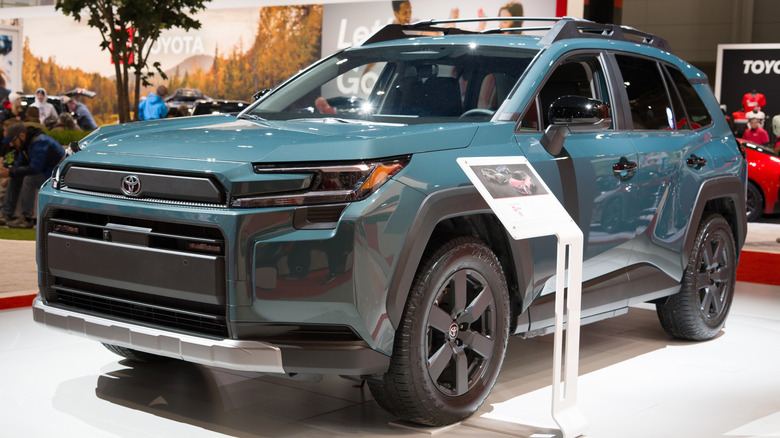
The 2026 Toyota RAV4 drove away with the "best compact SUV" award from KBB, noted for delivering on quality while enjoying the title as the best-selling SUV. The newest version of this favorite SUV is equipped with advanced tech and solid standard safety features. Customers have a wide selection of RAV4 trims from which to choose, and each version sports a fuel-efficient hybrid engine. Despite its size, this SUV gets a respectable combined mpg of 44. The entry-level trim starts at $33,350, but the fair purchase price stands at $33,500. Some people argue that the Toyota RAV4 isn't the smart buy it used to be right now, given its relatively elevated price tag.
CarEdge puts the 10-year maintenance cost at $6,005 for the Toyota RAV4, which undercuts the competition by $2,161. On top of that, RAV4 drivers only face a 16.61% chance of needing to cover a serious fix over 10 years, 7.98% lower than the average risk of comparable SUVs. IIHS has yet to test the 2026 Toyota RAV4, but the structurally similar 2025 model can provide some clues. This production year landed a perfect score on the small-overlap and whiplash prevention tests, but landed below the midrange on the moderate-overlap front simulation. Its pedestrian and vehicle front crash prevention systems were given above-average scores. The NHTSA doesn't report any recalls for the 2026 Toyota RAV4.
4. 2026 Hyundai Palisade
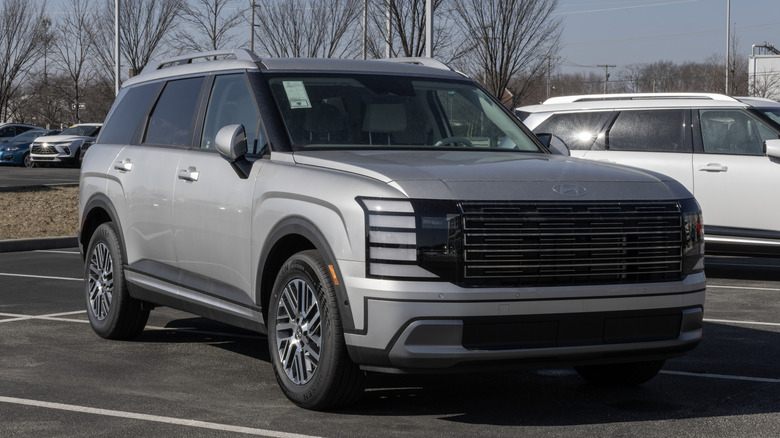
The premium appearance of the 2026 Hyundai Palisade is backed up by appealing specs and solid safety features. These perks were enough to earn KBB's "best midsize SUV" ranking. This production year received a fresh update, offering drivers a fuel-efficient hybrid engine, advanced tech, and a more spacious cabin. The Palisade comes with decent fuel economy for the midsize SUV class, maintaining 33 mpg in the city and 35 mpg on the highway, for a combined 34 mpg. The base trim is retailed at $41,035, but consumers should aim to buy it for $40,100. Also, the 2026 Hyundai Palisade is one of the cheapest new cars to insure.
The Hyundai Palisade comes with a somewhat heightened upkeep cost of $8,816 over the course of a decade, according to CarEdge. This maintenance bill rests about $650 above the norm for SUVs. Still, the Palisade avoids serious repairs at about the same rate as the standard, with a 24.76% chance of demanding a considerable fix in 10 years. The 2026 Hyundai Palisade is an IIHS Top Safety Pick, the second-highest classification offered by the organization. This SUV features superior crashworthiness, demonstrating strong performance across all crash test simulations. Furthermore, its vehicle and front crash prevention systems delivered first-rate results. Notably, the 2026 Hyundai Palisade has been subject to three recalls for each of its all-wheel and front-wheel drive models, per the NHTSA.
5. 2026 Ford Expedition
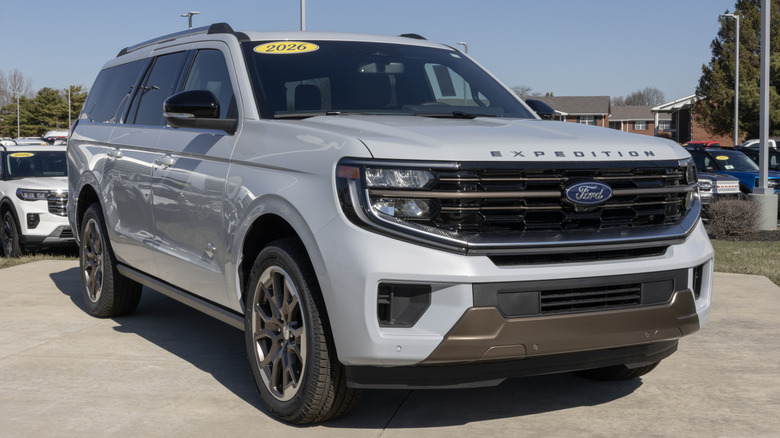
The 2026 Ford Expedition stole the KBB award for the "best full-size SUV" for the ninth consecutive year. This powerful vehicle brings 440 horsepower and 9,600 pounds of towing capacity to the table, while maintaining a comfortable interior and smooth ride. It's packed with a host of standard tech and safety features, too. With massive size and a potent engine, the Ford Expedition's lower-than-average fuel economy may have you looking for tricks to save money on gas. The cheapest trim starts at $65,495, yet the fair purchase price is closer to $64,000.
CarEdge projects that Expedition drivers spend $10,226 on general upkeep, $2,060 above average for similar models. Plus, owners see a 2.89% higher chance of needing to cover a considerable fix across ten years. The 2026 Ford Expedition earned top crashworthiness scores across various simulations, performing best on the side test and receiving the second-highest ratings on the small and medium-overlap tests, per IIHS results. The NHTSA notes one recall each for the rear-wheel and four-wheel drive models.
6. 2026 Kia EV9
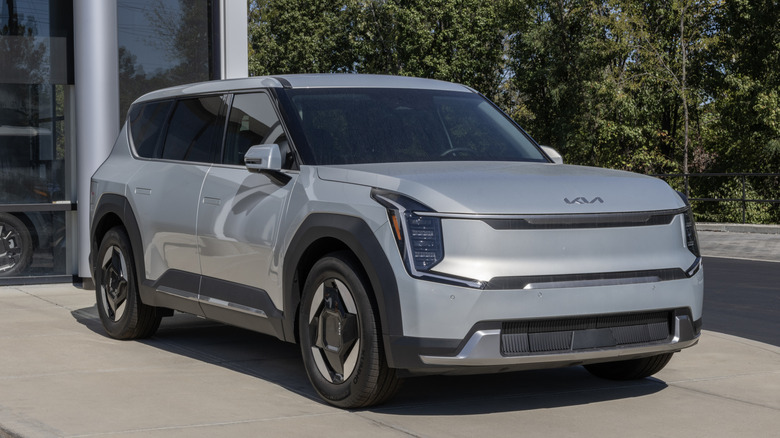
The 2026 Kia EV9 marries the fuel economy of leading EVs and the performance expected from larger SUVs. The standout model was given KBB's award for the "best three-row EV," which is a surprisingly large class of more than half a dozen competitors. The EV9 gets about 305 miles on a single charge, without requiring that much time to fill up fully. You can get 150 miles with only 15 minutes of charging. In terms of performance, the EV9 has responsive handling, rapid acceleration, and fast braking. This capability comes at a steep price tag of $56,545 for the entry-level trim, although you shouldn't have to spend more than $54,700. Even with a somewhat lofty price, the EV9 is considered one of the best cars for retirees on Social Security, due to its extensive safety features and enviable gas mileage, which can help reduce long-term costs.
This relative affordability to own the EV9 is backed up by CarEdge data indicating that 10-year upkeep costs are $5,237, a solid $2,929 beneath the norm for similar SUVs. Drivers experience a 24.49% likelihood of needing to pay for a major repair in the same period. IIHS inducted the 2026 Kia EV9 into its elite Top Safety Pick+ category. This SUV offers exceptional crashworthiness, with perfect ratings across all crash test simulations. Its front crash prevention systems also received top-level results. The NHTSA reports a single recall for each of the all-wheel and rear-wheel drive versions.
7. 2026 Hyundai Ioniq 5
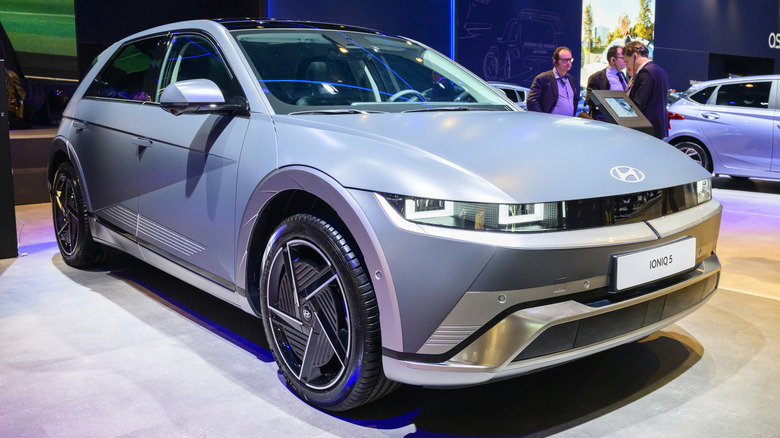
The Hyundai Ioniq 5 earned KBB's top spot as the "best electric vehicle," even outpacing the extensively celebrated Nissan Leaf. This fully electric model can last between 245 and 318 miles on a single charge, with some trims lasting longer than others. The Ioniq 5 has a sleek, futuristic look that EVs have come to be associated with. The interior is no less advanced, with a suite of ergonomic, convenient, and even cutting-edge tech features. The baseline trim for the 2026 Hyundai Ioniq 5 is $36,600, but KBB argues the fair purchase price is closer to $34,400. Notably, Hyundai was able to reduce the 2026 retail price below that of the 2025 model, which started at $50,000.
In addition to a reasonable starting price, the Ioniq 5 also comes with a 10-year maintenance cost that rests $3,155 below the average for comparable models. Overall, drivers only need to budget about $5,011 across a decade for repairs. In the same time frame, the Ioniq sees 24.76% odds of demanding a serious fix, on par with the standard for its class, according to CarEdge. IIHS graced the 2026 Hyundai Ioniq 5 with a spot in its premier Top Safety Pick+ class. This EV scored perfect ratings across all crashworthiness tests, as well as for its front crash prevention system for pedestrians. According to the NHTSA, the 2026 Hyundai Ioniq 5 is subject to two recalls for each of its rear-wheel and all-wheel drive models.
8. 2026 Honda Civic
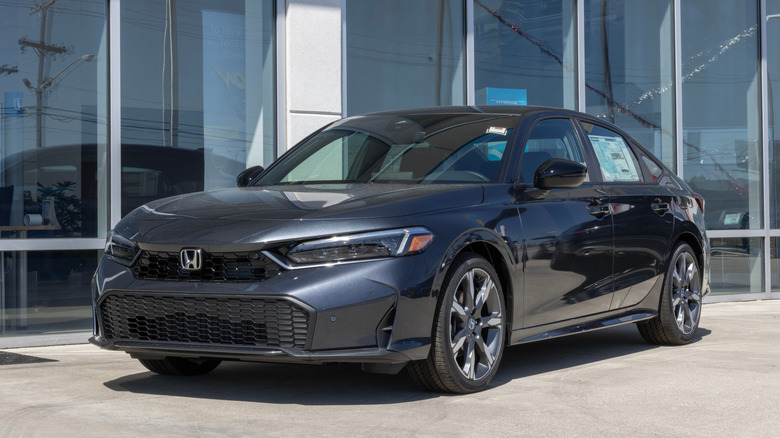
The 2026 Honda Civic is among the best-selling cars that are also the most reliable. This elite dependability, paired with a suite of appealing features and dynamic capabilities, helped propel this popular model to the status of the "best compact car" by KBB standards. The Honda Civic's design doesn't do much for the eyes, but this long-running nameplate delivers on the essentials: solid fuel economy of a combined 50 mpg, affordable retail pricing, competitive resale value, and a spacious interior. The most cost-effective trim lists at $25,890, although KBB believes most owners can get it for around $25,400.
According to CarEdge, the average Honda Civic drives up a maintenance bill of only $5,634 over 10 years. This is on par with the upkeep costs of similar sedans, only standing $112 higher. Furthermore, the Civic experiences a 16.08% of needing a significant fix over a decade, which is about 0.61% lower than comparable models. This model landed on the IIHS Top Safety Pick list, supported by stellar results on its crashworthiness and crash avoidance tests. This sedan landed the highest or second-highest scores across all crash test simulations, as well as on its front crash prevention systems for vehicles and pedestrians. The 2026 Honda Civic hasn't had any recalls, per NHTSA information, suggesting a diligent design and problem-free production.
9. 2026 Toyota Camry
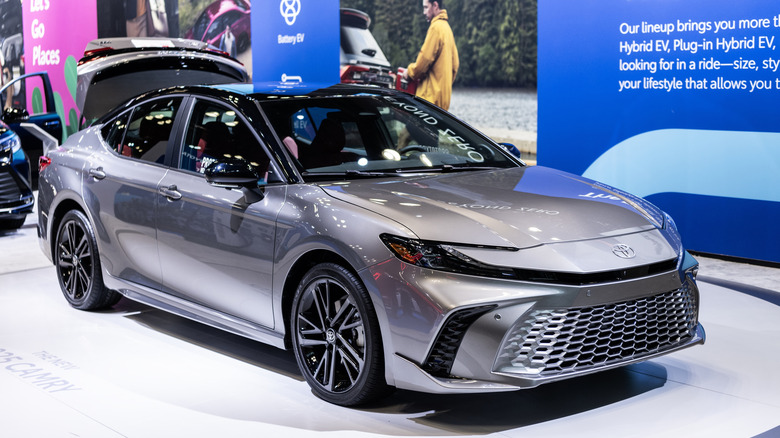
KBB crowned the 2026 Toyota Camry as the "best midsize car" in the latest lineup of the top new vehicles. This sedan's optional hybrid engine places it as one of the hybrid cars with the best gas mileage, achieving a combined fuel economy of 51 mpg. With every trim option featuring standard all-wheel drive functionality, the Camry drives smoothly with responsive handling and improved control, especially in challenging weather. This nameplate also comes with a suite of advanced entertainment and safety features. The newest release has ushered in some fresh trim covers, but the highly popular Camry has largely left its sleek appearance intact. The starting model lists for $30,295, and the fair purchase price is estimated at $30,300.
Toyota Camry drivers tend to spend $4,581 over the initial decade of ownership on upkeep, per CarEdge data. This is $1,165 lower than the norm for comparable sedans. Additionally, the Camry comes with a 4.41% lower likelihood of needing a considerable fix within a decade than the standard sedan. This model's risk is put at 12.28%. With first-rate crashworthiness and crash avoidance results, the 2026 Toyota Camry slid into the IIHS Top Safety Pick+ category with ease. This sedan performed with the highest ratings on all crash simulations. Its front crash prevention systems for vehicles and pedestrians also received top scores. The 2026 Toyota Camry is subject to two recalls, per the NHTSA.
10. 2026 Toyota Sienna
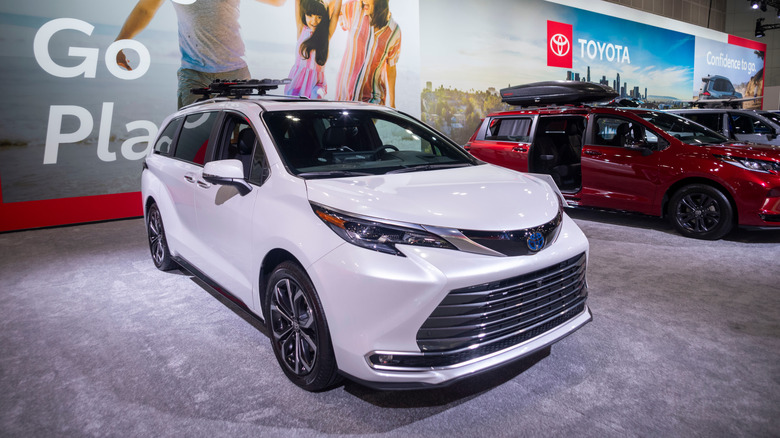
The 2026 Toyota Sienna landed KBB's award as the "best minivan" for this year, sporting solid fuel efficiency, a roomy interior, ergonomic controls, smooth handling, and a capable suite of standard features. The hybrid engine maintains a combined 36 mpg and can even pull 3,500 pounds. With an optional all-wheel drive model, only one of two in this class, owners can get a more dynamic drive than most minivans. The driving experience is comfortable, and the interior is well-designed. KBB places the fair purchase price of the 2026 Toyota Sienna baseline trim at $42,100, not far from the listing price of $41,915. It's worth noting that this van is one of the Toyota cars with terrible resale value due to rapid depreciation.
CarEdge predicts the typical Sienna owner will spend $6,407 on general upkeep within the first decade, which falls under the average maintenance cost for minivans by $2,783. Also, the Sienna sees an 8.98% lower risk than its vehicle class of needing a major fix in the same period. This minivan's likelihood is placed at 17.03%. IIHS gave the 2026 Toyota Sienna top ratings for its small-overlap front and side tests, but a below-margin score for its moderate-overlap front test. Its front crash prevention system for pedestrians earned the second-highest scores. The NHTSA doesn't report any recalls for the 2026 Toyota Sienna.
11. 2026 Ford Maverick
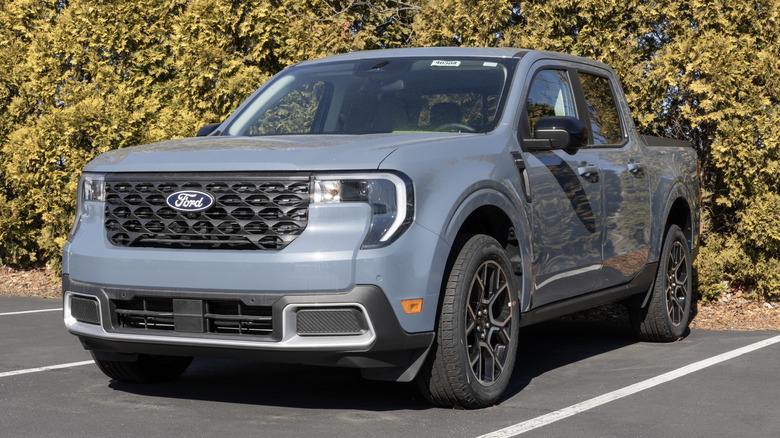
The 2026 Ford Maverick earned the KBB award as the "best compact truck" of the year, combining the agility and price of a smaller SUV with the ruggedness and capability of a full-size truck. This smaller pickup's robust engine is enough to tow 4,000 pounds and tow 1,500 pounds, all while maintaining fast acceleration. If you opt for the hybrid version, you can optimize fuel efficiency at 42 mpg in the city. With a retail price of $29,990 and a fair purchase price of $29,800, the Maverick is proof that buying a Ford for less than $30,000 remains a possibility.
CarEdge projects the 10-year maintenance costs of the Ford Maverick to be $10,735. This is more than many of KBB's best new cars and even outpaces the average truck's maintenance bill by $1,110. Additionally, the Maverick comes with a 2% higher likelihood of needing a considerable repair within a decade, with a probability at 31.63%. The IIHS gives this newer Ford truck mixed reviews for its crashworthiness and safety features. It's worth noting that the 2026 Maverick's testing was not as extensive as that of other models. Regrettably, the NHTSA reports five recalls each for the Maverick's front-wheel and all-wheel drive versions.
12. 2026 Toyota Tacoma
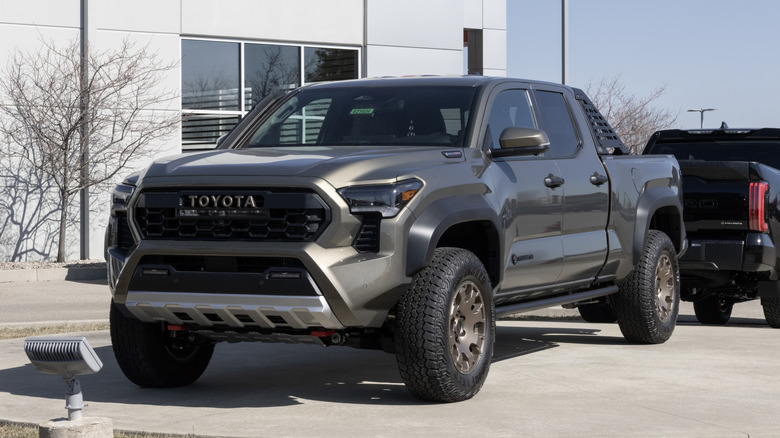
The 2026 Toyota Tacoma earned the KBB ranking as the "best midsize truck," offering strong engine options across and top-tier depreciation stats. This powerful truck offers up to 326 horsepower, a suite of high-end tech, and decent gas mileage for its class. You can pick up a Tacoma for $34,400, although the retail price is closer to $35,500, making it a steal for midsize pickups.
This popular pickup costs $6,931 to maintain over a decade, about $2,694 below the norm for similar trucks. It also comes with 10.51% lower risk of needing a considerable repair in the same period, according to CarEdge. The 2026 Toyota Tacoma achieved premier IIHS results on its crash tests, including the small-overlap front and side simulations. Its front crash prevention systems for pedestrians and vehicles were also highly rated. The NHTSA doesn't report any recalls for the 2026 Toyota Tacoma across any of its trim types.
13. 2026 Ford F-150
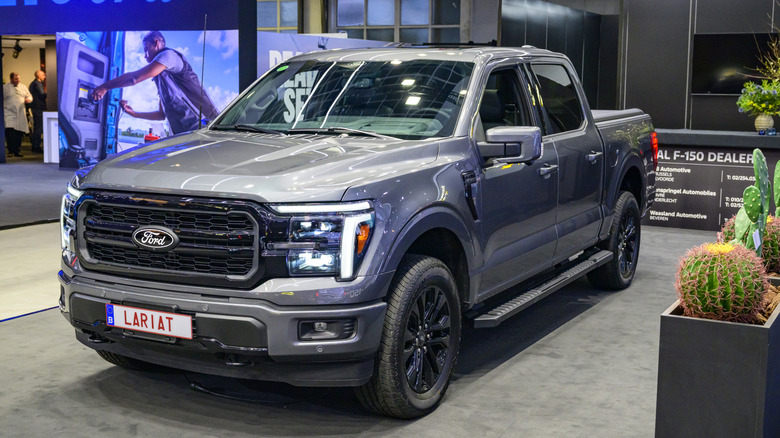
KBB determined the 2026 Ford F-150 to be the "best full-size truck," highlighting this model's class-leading towing and payload capacity. Buyers can choose from a long list of trim types, including a hybrid with impressive fuel economy. The base trim can be bought for $44,500, despite being listed at $46,730.
CarEdge puts the 10-year upkeep costs of the Tacoma at $11,242, about $1,617 above the norm. This truck comes with a 31.63% likelihood of needing a huge repair across a decade. The newest Ford F-150 received varied results on its IIHS test, achieving the highest score on the small-overlap front and side tests but falling short on the moderate-overlap front test. Its front crash prevention system for vehicles was also judged to be subpar, although its pedestrian avoidance system performed well. Every 2026 Ford F-150 has a single recall, per NHTSA data, with the exception of the Super Crew plug-in hybrid version.