

12 Reasons You Should Avoid Buying A Toyota RAV4
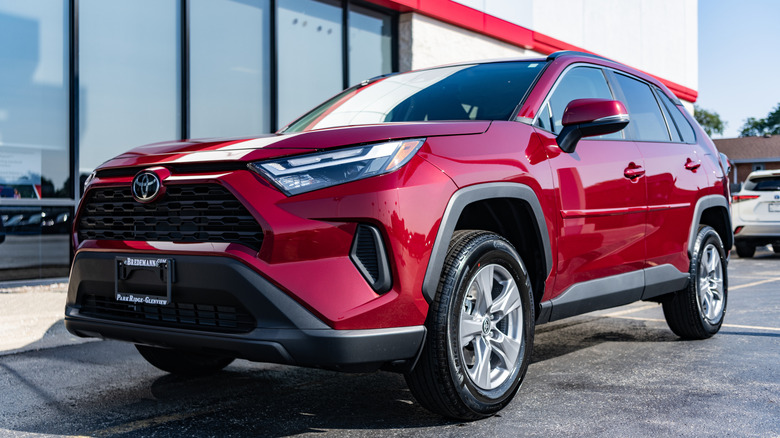
The Toyota RAV4 is an incredibly popular SUV, selling 479,288 units in 2025, according to Kelley Blue Book (KBB). This places the RAV4 as the most in-demand SUV on the market and the third best-selling vehicle overall. GoodCarBadCar sales figures suggest the RAV4 has moved a staggering six million units between 2005 and 2025. More specifically, more than 400,000 drivers purchased this model every year from 2017 to 2025, with the sole exception of 2022, where 366,741 were bought. Thus far in 2026, already 59,869 have been claimed, pointing to another strong year of sales.
Car and Driver reports that the RAV4 is Toyota's most sought-after model in the United States. Throughout its production, this nameplate has undergone six major design shifts, evolving from a zippy compact SUV to a family-friendly model with impressive gas mileage. Despite its undeniable popularity, Car and Driver describes the RAV4 as "boringly mainstream." Furthermore, many critics argue that the Toyota RAV4 isn't the smart buy it used to be right now. This SUV's fifth generation, which refers to models made between 2019 and 2025, was its best-selling year. Yet, these production years aren't without their issues. Plus, the 2026 redesign has been met with some skepticism.
Although there are plenty of people talking about the benefits and advantages of this extremely coveted model, not enough time is spent discussing the downsides. To help drivers make the most financially savvy decision, Money Digest has compiled various reasons you should avoid buying a Toyota RAV4. These considerations are often hidden within a litany of perks and praise, which can overshadow genuine issues that would otherwise become dealbreakers for consumers.
1. The new RAV4 is selling over its MSRP
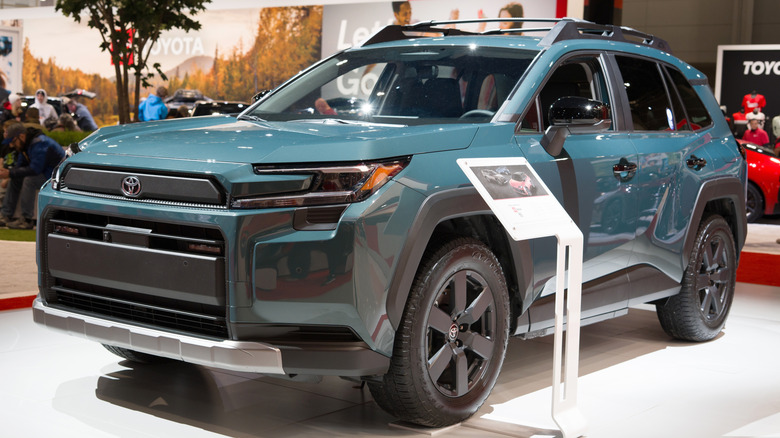
One of the most evident reasons to consider avoiding the all-new RAV4 is the inflated Manufacturer's Suggested Retail Price (MSRP), which is the price tag at which automakers advise dealerships to sell certain models. Consumer Reports lists the RAV4 as one of the worst deals on the market right now, estimating that buyers tend to spend 5% over MSRP. This makes the 2026 RAV4 the second least-appealing vehicle available, only beaten out by the niche Honda Prelude.
While the Limited all-wheel drive trim comes with an MSRP of $43,300, the average transaction reaches $45,500. This means buyers tend to overspend by $2,200. This reflects a broader trend of manufacturers setting higher prices this year, compared to prior releases. CarEdge indicates that 60% of vehicles in 2026 feature elevated MSRPs, and that's only including models for which prices have been released. Out of the gate, the brand-new RAV4 isn't the deal it used to be.
2. The latest tested model has average crash test results
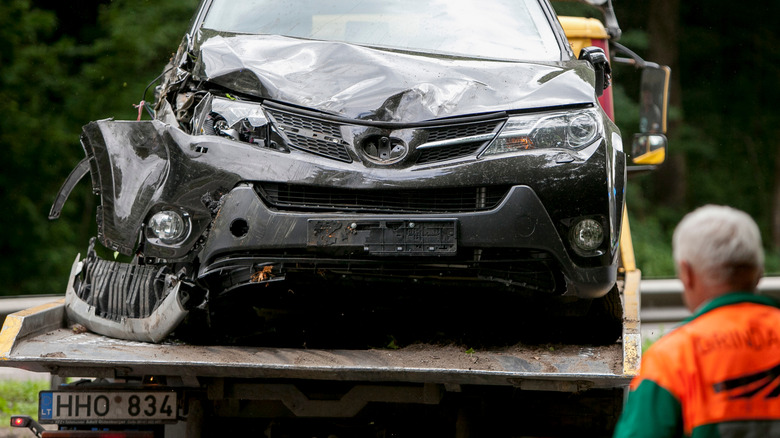
Another crucial reason to avoid buying the new Toyota RAV4 is the diminished safety performance. The Insurance Institute for Highway Safety (IIHS), a nonprofit, unaffiliated agency focused on assessing vehicle safety standards, has yet to test the 2026 model. However, crashworthiness and safety test results are available for the 2025 RAV4. Unfortunately, the mixed results represent a significant downgrade from previous production years. Between 2020 and 2024, the IIHS included the RAV4 in its Top Safety Pick classification, which is the second-highest ranking possible. The 2019 model was included in the highly competitive Top Safety Pick+ grouping, representing outstanding crash test results and overall safety standards. The 2025 model failed to achieve any sort of official recognition due to its devalued safety rating compared to prior years.
The 2025 Toyota RAV4 fell below the highest mark for its side and moderate-overlap front tests, which measure the impact of a frontal collision. Additionally, this SUV's front crash prevention system for other vehicles failed to achieve top-level results, per the IIHS. While headlight performance was rated well overall, the IIHS critiqued the RAV4's high beam performance, especially around sharp curves, which limited visibility. These varied crashworthiness and safety test results, compared to other models and previous RAV4 production years, put the newer release at a greater risk of collision and resulting damage.
3. It's a frequent subject of recalls

Despite its reputation as one of the most dependable car manufacturers, the sheer volume of Toyota's output ensures it's no stranger to recalls. In fact, this Japanese automaker has been wrapped up in some of the largest recalls in recent history that cost a ton of money. The RAV4 certainly hasn't been able to escape these recalls, either. The 2026 Toyota RAV4 hasn't been subject to any recalls yet, according to the National Highway Traffic Safety Administration (NHTSA), but it's only been on the road for a short period. Older models with decent mileage and real-world testing under their belts offer a much more realistic picture of this model's relationship with major recalls.
The NHTSA indicates that the 2025 RAV4 has been recalled three separate times, each for its front-wheel and all-wheel drive iterations. Perhaps the most alarming recall issue centers on malfunctioning seat brackets due to poor welding. This weakness increases the likelihood of a driver or passenger's injury in the event of a collision due to improper restraint from the RAV4's seats. A defective rearview camera launched another recall, as the lack of connectivity enhanced the probability of a crash. The 2025 RAV4 also suffers from a temperamental instrument panel, which can fail to display crucial data regarding the vehicle, which can augment the likelihood of a collision or personal injury.
4. The RAV4 isn't the cheapest SUV to maintain

Long-term maintenance costs are another reason to think twice about the Toyota RAV4. CarEdge estimates that owners spend about $6,005 on general upkeep within the initial 10 years of driving. As Money Digest points out, there are various vehicles with lower repair costs than the RAV4. For example, the Toyota Corolla Hatchback boasts a decade-long maintenance bill of $4,199, per CarEdge. This model would save drivers up to 30.06% on repairs compared to the RAV4. The Prius is another Toyota model with cheaper maintenance bills, costing owners $4,360 within the first 10 years, according to CarEdge. That represents 27.39% lower upkeep expenses when measured against the RAV4.
While by no means racking up the highest repair costs on the market, the RAV4 inherently comes with a greater financial burden due to its classification. Generally, SUVs are costlier to maintain than smaller models, such as sedans or hatchbacks. Due to their larger size and typically more complex design, SUVs require more routine servicing and pricier components than their smaller counterparts. Everything from the suspension, brakes, and tires is often more expensive than on a sedan. If you're already squeezing your budget to manage the RAV4's inflated price, these lofty maintenance costs could further erode your savings.
5. Its depreciation rate makes for expensive used models
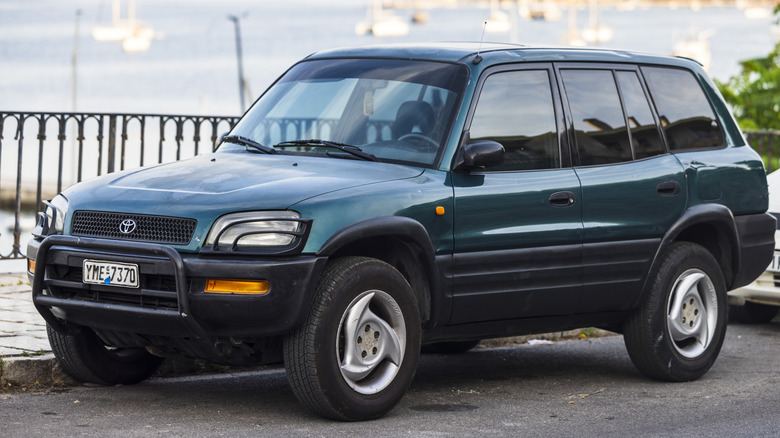
Looking to avoid the brand-new Toyota RAV4's above-MSRP pricing? Buying used may seem like the perfect choice, especially for those thinking twice about buying new. However, the RAV4 is one of the cars with the best resale values on the market. At first glance, this accolade may seem like good news, but it's really a double-edged financial sword. Current owners receive all of the advantages that come with long-held value because the resale price of the vehicle is closer to their original purchase price. It's the buyers on the used market that get the short end of the deal, having to pay more for an older model than would be the case for other models.
CarEdge indicates that the 10-year residual value of the RAV4 is 48.99%, meaning this SUV only loses 51.01% across a decade of routine use. More specifically, if a new model were purchased initially for $37,692 and driven 135,000 miles over 10 years, it could still sell for $18,465 on the second-hand market. To contextualize these numbers, Experian estimates that the typical model retains 45% of its initial sales price after only five years. Thus, the RAV4 depreciates at half the rate of the standard model, making even used options cost-prohibitive for budget-conscious buyers.
Putting this in real-world terms, the 2015 RAV4 has a fair market value of $14,100, down from an original MSRP of $26,339, according to KBB. In stark contrast, the 2015 Nissan Pathfinder, which is a comparable SUV, is available for $7,025, according to KBB. This lower used price comes despite a higher original MSRP of $30,680.
6. The risk of needing a major repair is high
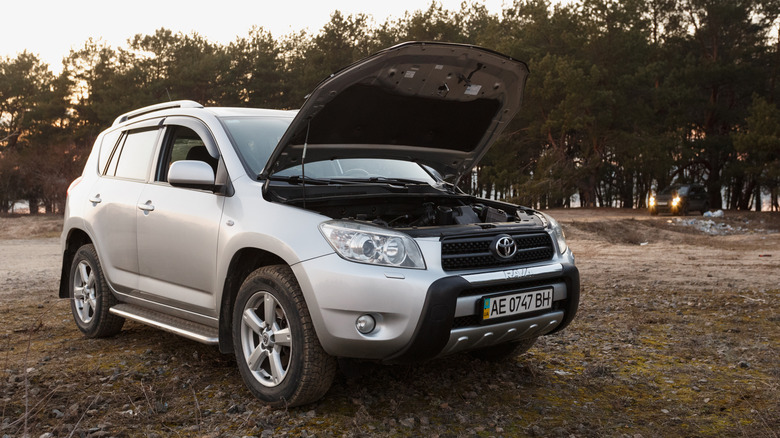
Prolonged maintenance costs are the core component of determining a vehicle's long-term upkeep expenses, but it's important not to overlook the risk of one-off repairs. While routine and scheduled adjustments, such as tire changes, oil rotations, and brake replacements, can be accurately predicted, unforeseen issues can wreak havoc on your budget. Fortunately, CarEdge tracks the likelihood of each vehicle experiencing a major repair, which is defined as a fix costing more than $500. In this category, the RAV4 sees a 16.61% risk. In other words, within the first 10 years of driving the RAV4, owners face a 16.61% likelihood of having to cover a repair that exceeds $500.
At first, this probability level may not appear too financially damaging. Yet, Toyota makes several models that carry a lower risk of hitting drivers with a surprise cost. For instance, CarEdge estimates that the Toyota Corolla only sees a 12.28% risk of needing a significant fix in the initial decade of ownership. CarEdge suggests that the Toyota Camry comes with the same risk level. Drivers can achieve an even lower likelihood of this unexpected cost with the Toyota Prius and Prius Prime. These vehicles both come with a comparatively low 11.58% risk of demanding a significant fix within the first decade of ownership, per CarEdge. That's more than 5% lower risk compared to the RAV4.
7. It's not the most affordable vehicle to insure

The RAV4's marque is known for its dependability. In fact, Consumer Reports highlights various Toyota cars as the most reliable options available. This Japanese automaker is also known for the impressive resale value of its nameplates, with CarEdge placing it at the top of the list of depreciation rates. However, Toyota falls short in affordability when it comes to insurance. CarEdge indicates that this manufacturer is beaten out by nine other car brands in this recurring cost category. In a similar fashion, the RAV4 is beaten out by a number of competitive models in annual insurance costs, adding more expenses to a nameplate already beset by an inflated MSRP and lofty repair costs.
CarEdge estimates that owners of the Toyota RAV4 pay about $1,990 per year for car insurance. A longevity report by iSeeCars indicates that RAV4 drivers have a higher likelihood of holding onto this model for 15 years than the average model. Over this period, insurance costs would reach $29,850. CarEdge notes that the Mazda CX-5 is the cheapest car to insure, with an annual rate of $1,947. The difference may seem nominal at first, but the 15-year insurance costs of the CX-5 are just $29,205. MoneyGeek further indicates various Toyota models that are more affordable to insure than the RAV4, including the Sienna, Highlander, and Tacoma, showing you don't have to stray from the brand's reliability reputation to save some cash. The RAV4 simply isn't one of the cheapest cars to insure.
8. The RAV4 plug-in hybrid is a better deal in the long run
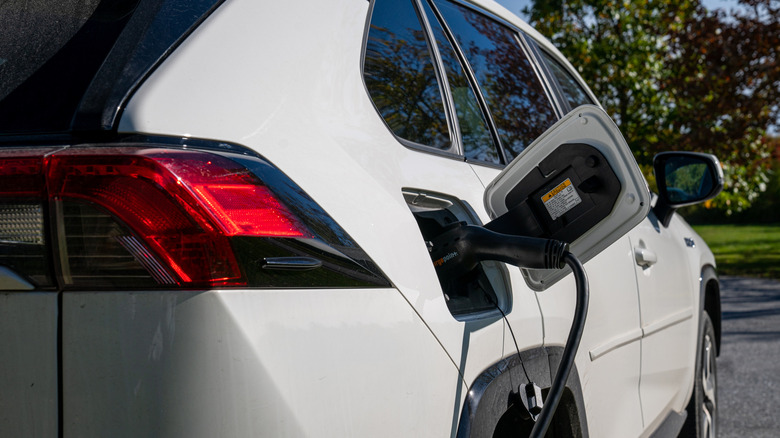
In the past, the base-tier RAV4 trim came with an internal combustion engine, with a hybrid only offered as an upgrade. Although the sixth-generation model made hybrid engines standard in all models, there's a plug-in option that shouldn't be overlooked by die-hard RAV4 supporters. The higher starting price of the RAV4 plug-in can turn off some buyers out of the gate, but the specs and features arguably make this vehicle a better choice in the long run. KBB points out that the plug-in version isn't a true electric vehicle, in the sense that it runs exclusively on electricity. The RAV4 plug-in hybrid has a backup gasoline engine that will switch on when the vehicle runs out of electricity, giving sustainability or budget-aware drivers a dynamic option.
Furthermore, the RAV4 plug-in comes standard with all-wheel drive, a feature only available in more expensive trims on the standard RAV4. Furthermore, the plug-in version enjoys a more powerful engine, boasting 320 to 324 horsepower. This results in a stellar towing capacity of 3,500 pounds, which is remarkable for a mainstream SUV. The RAV4 plug-in also clocks in at a higher weight of 4,430 to 4,540 pounds, offering drivers more protection in the event of a collision.
9. A new generation is hiking prices

The 2026 Toyota RAV4 is the first launch of this nameplate's sixth generation. The fifth generation ended with the release of the 2025 model, originally launched in 2019. Prior to these iterations, the RAV4 had gone through three major phases between 1996 and 2018. On the most recent redesign, Toyota focused its attention under the hood, as reported by Cars.com. For the first time ever, the entire RAV4 lineup comes standard with a hybrid engine, boosting fuel economy and slashing fuel costs. While these upgrades are welcome, the RAV4's fresh facelift creates a higher price floor moving forward. As Car and Driver highlights, the new RAV4's MSRP is $2,100 higher than for the prior year.
Models at the forefront of a new generation can more easily justify higher costs compared to those at the tail-end of the design phase. In the case of the RAV4, the addition of a hybrid engine immediately warrants a higher sales price, which becomes present across the lineup of trims. Mercury Insurance suggests that SUVs with a hybrid engine can cost up to $3,000 more than their internal combustion counterparts. A report by Reuters suggests this is a reflection of a broader trend as automakers place a disproportionate amount of focus on better-equipped, feature-heavy, and more premium models, preferring to phase out more budget options. The RAV4's new generation may offer more bells and whistles, but it's spiking prices for consumers.
10. The interior and ride comfort don't match the price
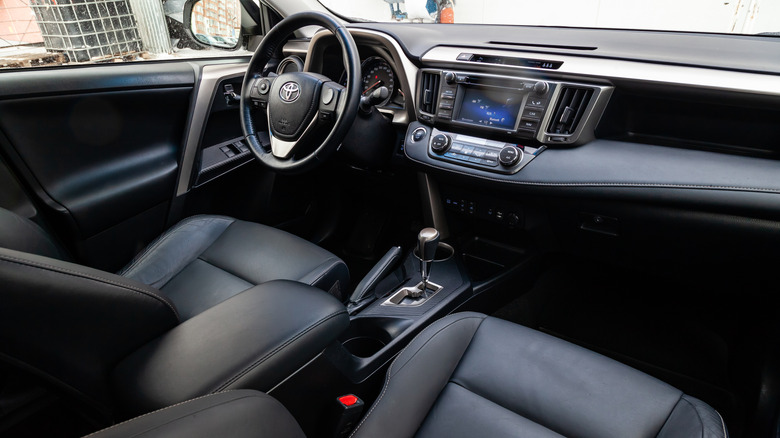
To the casual observer, the new RAV4's interior features a stylish and forward-looking design that drivers come to expect from the most advanced models. However, the 2026 version has been widely criticized for its inferior cabin. While other generations featured an increase in spaciousness, Toyota left the sixth-generation identical to the fifth, refusing to boost room in the cabin or the trunk, according to U.S. News. According to Edmunds, there are other SUVs offering more cabin space than the RAV4. Car and Driver goes as far as to describe the RAV4's entry-level trim interior as feeling "cheap" and "blocky," not the most flattering descriptions for a supposed top-of-the-line SUV. The cheaper versions have cloth material, while some higher-level trims introduce faux-leather. Edmunds highlights that the lacking RAV4 seats aren't suitable for long-haul rides, creating discomfort for drivers.
The driving experience doesn't improve much when drivers switch on the engine and hit the road, either. Car and Driver describes the hybrid engine as noisy and throaty, even when not demanding much in terms of performance. Edmunds has particularly negative comments regarding the RAV4's driving experience over uneven roads, recommending other models for a smoother ride. More specifically, the reputable automotive resource highlights the Toyota Crown Signia, Highlander, and Corolla Cross as respectable alternatives under the same automaker. For those willing to switch brands, Edmunds recommends the Hyundai Tucson, Kia Sportage, Honda CR-V, and Volkswagen Tiguan.
11. There are more reliable competitors
Vehicle reliability is a critical attribute to consider when buying a used, new, or leased vehicle. While upfront costs and fuel economy are decent variables to consider when budgeting, a vehicle's ability to perform well over long periods and through constant use is a central pillar of the cost-benefit analysis. As mentioned before, Toyota is often heralded as one of the most reliable car manufacturers on the market. However, the RAV4 is beaten out by many other vehicles in this crucial category. Analyzing Consumer Reports data, Money Digest compiled a list of cars more reliable than the Toyota RAV4. The results came fairly quickly, too.
Right off the bat, the Toyota RAV4 Hybrid model showed itself to be superior to the standard internal combustion engine version of the same nameplate. Without even leaving the SUV class, Money Digest pinpointed the Subaru Crosstrek, Toyota Corolla Cross, Subaru Impreza, Mazda CX-5, Porsche Macan, Toyota 4Runner, and Honda Passport as more dependable models than the RAV4. Some sedans outshine this Toyota SUV, too, including the Lexus IS, Tesla Model Y, Nissan Altima, and Toyota Crown. It's important to note that this is not an exhaustive list. There are plenty of vehicles from various classes that boast long-term reliability beyond that of the RAV4, giving longevity-oriented buyers plenty of options from which to choose.
12. Costly trims can inflate the price quickly
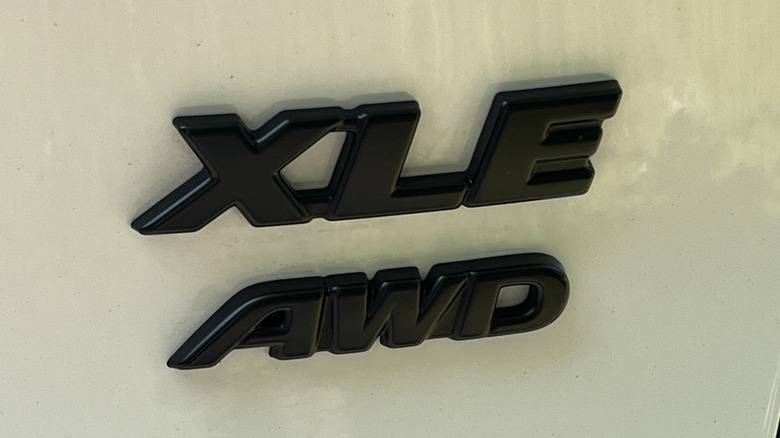
The newest RAV4 already comes with a comparatively pricey MSRP and dealer markups, but that's not where the potential up-front costs cease. Toyota released six different trim types under the RAV4 nameplate, offering buyers a suite of upgrades. All RAV4 trims come standard with a four-cylinder hybrid engine, but some models offer all-wheel or four-wheel drive options, greater horsepower, more advanced tech, and style enhancements. While these improvements can be exciting to consider, you'll need to adjust your pricing calculations, too. Each trim upgrade comes with a boost in MSRP. The LE is the standard RAV4 trim, yet Toyota offers an SE, XLE Premium, Woodland, XSE, and Limited model.
Edmunds reports that the baseline model features an MSRP of $33,350. The next level up already hikes the price by several thousand dollars, with the SE sporting a price of $36,150. The XLE Premium isn't too far off, going for around $37,550. The Woodland and XSE trims are another considerable jump, selling for $41,350 and $42,750, respectively. The Limited model is the most expensive trim, with an MSRP of $44,750, according to Edmunds. At the same time that the MSRP cost is rising, dealers often inflate their margins. CarEdge indicates that buyers experience a $700 difference in dealer premiums between the standard and most expensive RAV4 trim.