

These States Have The Lowest Car Insurance Rates In 2026 (So Far)

Whether you're buying a brand-new car or shopping on the pre-owned market, insurance rates are a hidden cost that can quickly increase the all-in expenses of owning a vehicle. Adding to the confusion, there's no nationwide standard for insurance rates. Every state has slightly different — and sometimes drastic — rate variations. According to Forbes, insurance rates can vary based on where you live and state-specific variables that impact insurance companies.
For example, insurers look at insurance claims, accident probability, lawsuit frequency, medical care costs, and repair bills, among other considerations, when determining their coverage rates. Of course, your individual driving record, accident history, and other personal characteristics can result in higher or lower rates. However, many variables determining a state's insurance rates are based on factors outside of an individual driver's control. If you're looking to save on car insurance, it helps to know that where you live can play a bigger role than many drivers realize.
To help drivers determine the most affordable coverage, Money Digest has compiled a list of the 14 states with the lowest car insurance rates in 2026 so far, led by New Hampshire, where full coverage averages just $85 a month. Of course, the aforementioned variables are always fluctuating, and insurers are always reassessing their risk. As a result, the monthly or annual price for vehicle coverage can change frequently. Insurify's November 2026 report provided the monthly rates for full coverage and liability-only insurance, which is the minimum required in most states. According to the Insurance Research Council, state-level premiums are largely determined by input costs experienced by insurance companies. Three major factors include accident frequency, repair costs, and the average cost of an injury claim. For a more in-depth look, we've identified this trifecta of stats in each state to better understand their rates.
1. New Hampshire
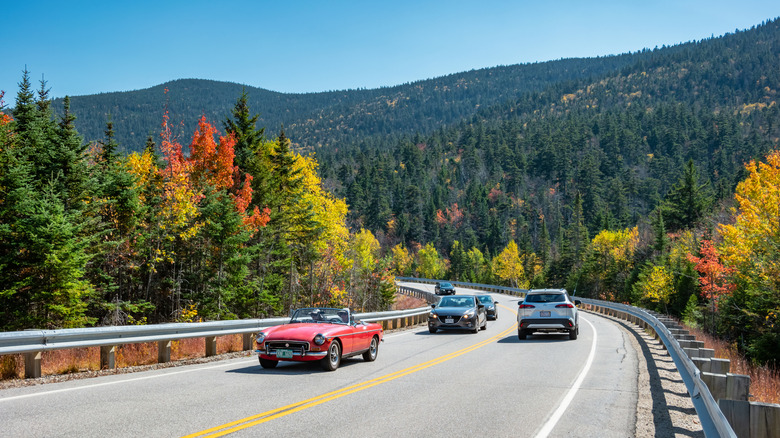
New Hampshire's historic capital is perfect for retirees looking for a reasonable cost of living, but that's not the only financial perk of living in this Northeastern state. The Granite State is home to the lowest car insurance rates in the country in 2026 thus far. As of November, Insurify estimates that the statewide average premium for full coverage is $85. That means New Hampshire drivers are paying about 54.55% below the national average of $187. On an annual basis, the state's monthly premiums add up to $1,020. You can save even more by opting only for liability coverage, which helps cover the property damage and medical expenses of other drivers if you cause an accident. New Hampshire's average liability coverage is $52 monthly or $624 per year. It's also the only state that doesn't require most drivers to carry car insurance, though drivers who go without it must still be able to pay for damages if they cause an accident.
In New Hampshire, the National Association of Insurance Commissioners (NAIC) reports that the frequency of liability claims is 2.58 per 100 insured vehicles, which is 9.2% lower than the national benchmark of 2.84. Collision loss per claim in the state is around $5,776.77, about 11.9% below the U.S. standard of $6,556.05. Meanwhile, the average bodily injury loss per claim is actually 20.7% higher than the national average of $25,915.56, standing at $31,286.23. Despite New Hampshire's comparatively higher injury claims, the state's wealth of insurance options makes for more competitive rates, with nine reductions in personal rates counted in 2026.
2. Alaska
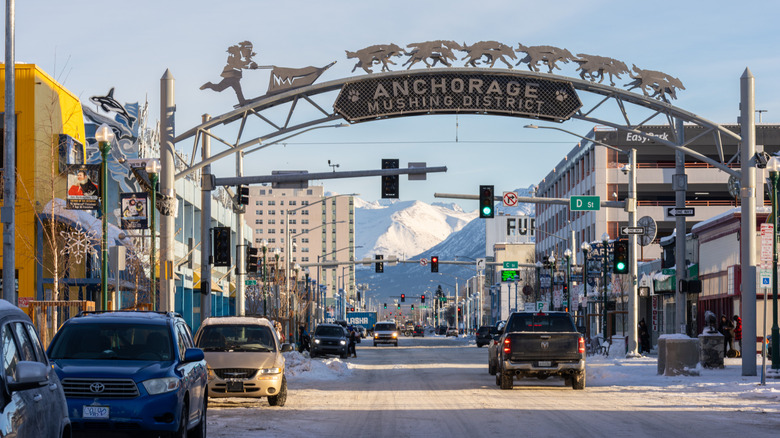
Alaska is known for not taxing Social Security income (it has no state income tax at all), but residents also enjoy comparatively affordable car insurance. As of November 2026, Insurify estimates that full coverage is about $94 per month, which sits 49.73% below the national average. On an annual basis, drivers in the Frontier State only spend about $1,128 on full coverage car insurance. If you're looking to pay the absolute minimum with just liability coverage, your monthly rate drops to $58, resulting in an annual charge of $696.
The claim frequency is 16.9% below the national benchmark at 2.36, according to the NAIC, but the rest of Alaska's figures are actually higher than the U.S. norm. For instance, the state's average collision loss per claim is $6,708.74, or 2.3% higher than the nationwide average, while its bodily injury loss per claim is $29,726.79, roughly 14.7% above the country's standard. Alaska is the least densely populated state in the country. This geographic spaciousness translates into fewer opportunities for collisions, especially in more remote areas of the state.
3. Wyoming
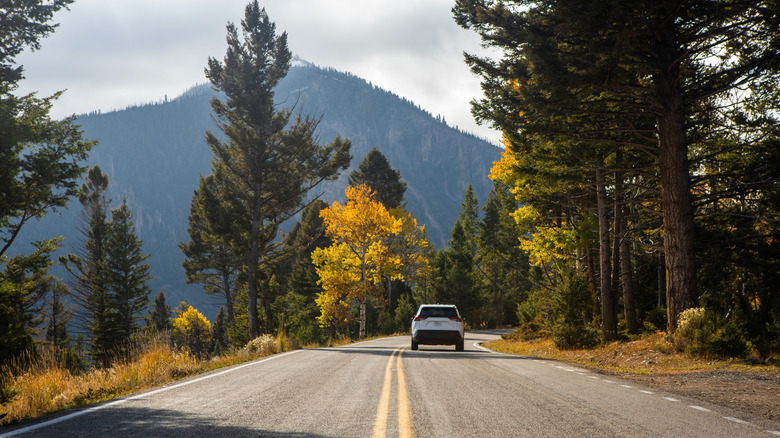
In 2026, Wyoming, which is often overlooked due to its remote location and low population density, has been heralded as the best American state for fiscal stability. The state's low car insurance premiums help support this reputation for affordability. Insurify reports that the average full car insurance coverage costs $94 per month, which is 49.73% below the nationwide standard. Over a year, drivers in the Equality State spend about $1,128 on a holistic plan for their vehicle. Wyoming also boasts the cheapest liability coverage among all 50 states, with monthly premiums averaging only $50.
The picture of Wyoming's discounted car insurance rates is clear. The state's claim frequency is 1.93, which is 32% below the U.S. norm, as reported by the NAIC. Furthermore, its collision loss per claim is $6,399.35, or about 2.4% lower than the national average. Bodily injury loss per claim hovers right around the country's benchmark at $26,086.99, a mere 0.7% higher. Wyoming's lower claim frequency is partially explained by its ranking as the second-least densely populated state in the country.
4. Idaho
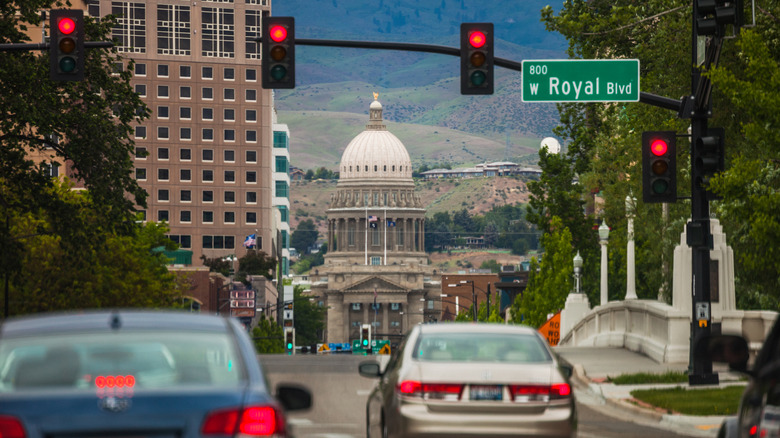
Idaho has been recognized as a great place to build wealth due to a combination of solid income growth, relatively low taxation, affordable real estate, high homeownership rates, and strong job opportunities. You can add low car insurance costs to that list, with Idaho ranking among the most affordable states. According to Insurify, residents spend an average of $107 monthly for full coverage, which saves them an average of 42.78% compared to the typical American. That comes out to about $1,284 yearly. Furthermore, liability coverage usually costs about $64 monthly.
The NAIC reports that the Gem State experiences 2.42 claims per 100 insured vehicles, sitting 14.8% below the nationwide standard. Additionally, the average collision cost per claim is 4.2% lower than the American benchmark, with Idaho recording about $6,283.44 per incident. The state's bodily injury loss per claim is a remarkable 29.8% lower than the U.S. norm, with the average figure at $18,191.77. The Insurance Information Institute indicates that Idaho features the second-lowest rate of uninsured drivers in the country at 6.4%, compared to the national average of 15.4%, helping sustain a lower financial burden for the state's insurance marketplace.
5. Iowa
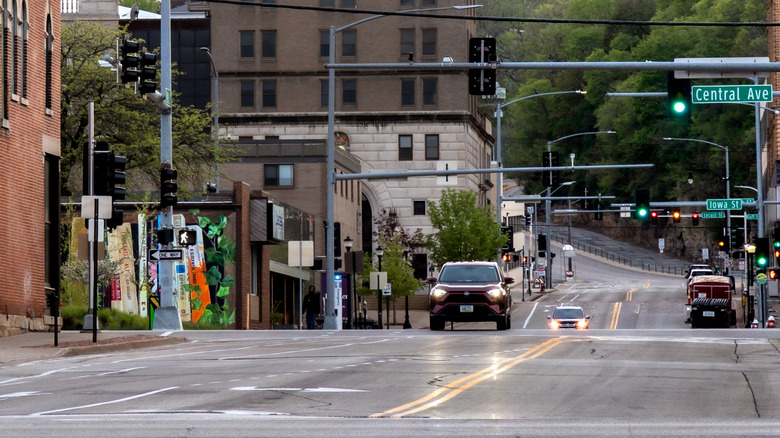
Living in Iowa comes with a low cost of living and Social Security income tax exemptions, but residents also benefit from relatively affordable car insurance coverage. In fact, this state's full coverage plans are about 40.64% cheaper than the U.S. average. More specifically, drivers in the Hawkeye State only pay around $111 monthly, per Insurify, which adds up to a manageable $1,332 yearly cost for full coverage. Residents can save even more when opting for the minimal liability coverage, usually costing $56 monthly.
All of Iowa's three drivers of insurance rates rank significantly lower than the national average. Per the NAIC, the state records about 2.17 claims per 100 insured vehicles, representing a 23.6% lower frequency than the U.S. overall. The average collision cost per incident is 16.2% below the country's benchmark, only reaching $5,493.34. Also, bodily injury loss per claim in Iowa is $20,887.06, or about 19.4% under the American average. On top of these lower claim rates, Iowans enjoy a lower cost of insurance due to a combination of minimal insurance requirements and high penalties for driving without insurance.
6. North Carolina

North Carolina has many beautiful cities where retirees can live comfortably on $3,000 a month. One of the routine expenses helping to keep living costs low is car insurance coverage. On average, residents spend $113 per month on a full insurance plan, according to Insurify, which is about 39.57% below the national average. Put another way, drivers only spend about $1,356 annually for full coverage car insurance plans. If you're looking to save even more money, you can opt for liability coverage only, which usually costs around $69 per month.
The Tar Heel State's claim frequency exceeds the national average by approximately 4.9%, with 2.98 incidents per 100 insured vehicles, according to the NAIC. However, both collision and bodily injury losses per claim are lower than the U.S. norm by 10% and 46.4%, respectively. More specifically, the average collision cost is $5,899.06, and the average bodily injury expense is $13,886.24 per claim. One of North Carolina's more unusual approaches to minimizing insurance costs is the relationship between its Rate Bureau and Commissioner of Insurance, allowing the government to negotiate rates with companies to keep them low.
7. North Dakota
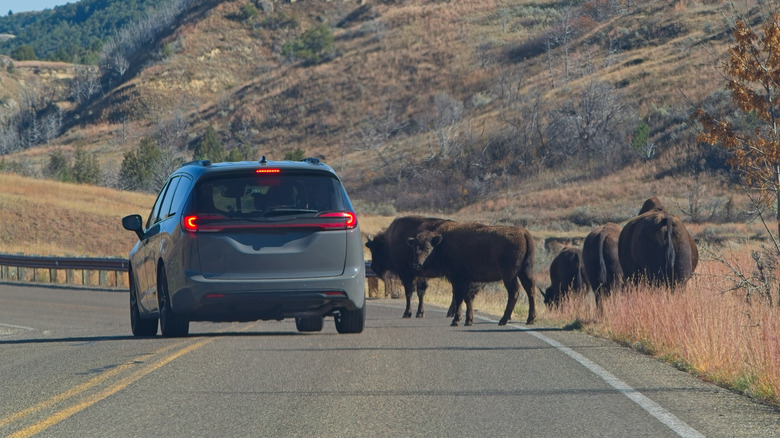
Ironically, North Dakota is, at once, one of the most expensive states to register a car and among the states with the cheapest car insurance rates in 2026 so far. Insurify estimates that the average resident pays $114 per month for full vehicle coverage. That's a solid 39.04% below the rates paid by the typical American driver. Over a year, this results in a $1,368 bill for full coverage. Liability-only coverage, meanwhile, averages $66 per month.
The Peace Garden State records 2.15 claims per 100 insured vehicles, as reported by the NAIC, which is 24.3% under the national benchmark. The average cost for collision damage of $5,544.76 also ranks below the U.S. norm by 15.4%. Yet, North Dakota's average bodily injury cost per claim of $36,680.38 is a noticeable 41.5% higher than the nationwide figure. While North Dakota's bodily injury claims cost much more than the national average, they're far less frequent. The U.S. average is 0.82 per 100 insured vehicles and only 0.16 in North Dakota, which is the lowest in the country. This reduced frequency helps keep total losses low, and, as a result, premiums reasonable.
8. Ohio
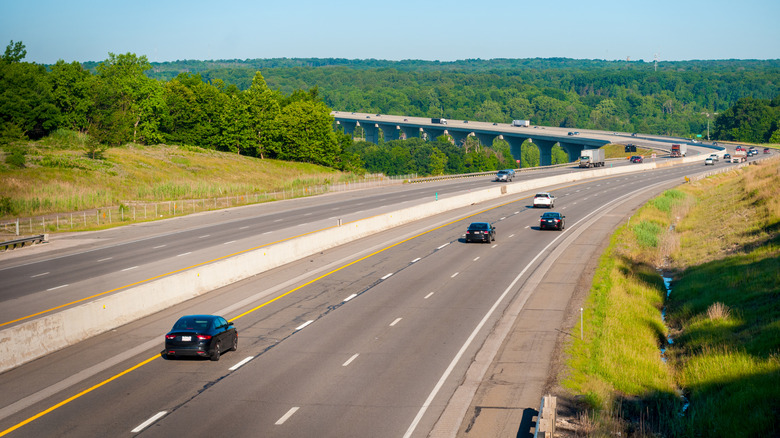
Ohio is home to a town where you can retire on $1,500 per month, but that's not the only area of attractive affordability for budget-conscious Americans. The Buckeye State is also home to some of the most reasonable car insurance rates in the entire country. According to the Insurify data as of November 2026, drivers pay an average of $117 per month for full coverage, which translates into a 37.43% savings against the countrywide standard. This comes out to around $1,404 annually. Additionally, Ohioans can get liability coverage for an average of $65 monthly.
Ohio comes in below the national average on all three cost drivers. The state records about 2.59 claims per 100 insured vehicles, per the NAIC, which is 8.8% below the U.S. rate. Additionally, the typical cost associated with a collision claim is $5,990.58, approximately 8.6% lower than the national average. The average bodily injury loss per claim is 36.4% below the nationwide benchmark, only costing about $16,480.86 per incident. Adding to Ohio's lower car insurance rates are its comparatively low uninsured driver rate and steep penalties for failing to maintain insurance coverage.
9. Wisconsin
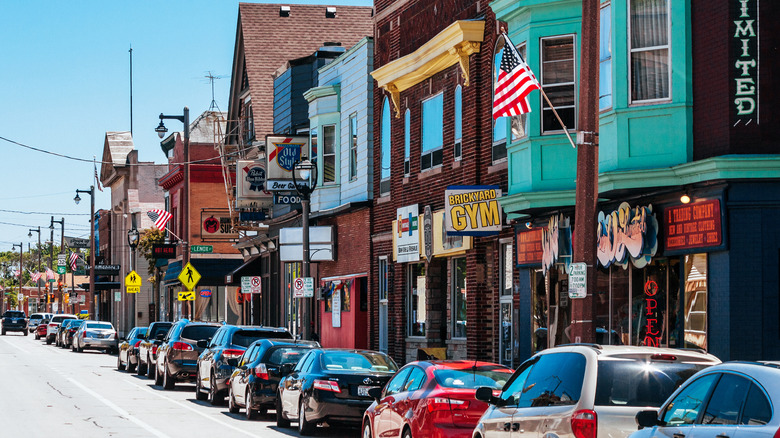
Wisconsin is one of the cheapest states to own a car. Along with reasonable maintenance costs, loan interest rates, and fuel expenses, the Badger State boasts extremely discounted car insurance coverage, compared to the national norm. For perspective, the typical resident spends about $125 monthly for full coverage, as reported by Insurify, a respectable 33.16% lower than the average American. That adds up to only about $1,500 per year for full coverage. For even more savings, drivers can go with liability coverage for $57 per month.
The state's frequency of claims is 1.99 per 100 insured vehicles, according to the NAIC, which is 29.9% below the nationwide benchmark. Furthermore, the per-claim collision loss averages $6,037.76, signaling a 7.9% reduction compared to the national standard. However, the average bodily injury cost per liability claim is 17.1% higher than the rest of the country, standing at $30,349.52. The state's Commissioner of Insurance explains that Wisconsin supports a highly active insurance market, with around 233 insurer participants, resulting in competitive rates for residents.
10. Hawaii

Hawaii has earned a reputation as an expensive state to live in, especially since it's among the least tax-friendly states for middle-class Americans. Still, car insurance coverage is where residents get a financial break compared to the rest of the country. Insurify estimates that the average monthly premium for full coverage is just $126, which represents a 32.62% discount from the U.S. average. Overall, Hawaiians spend around $1,512 on a holistic insurance plan for their vehicle. These costs can be cut in half by signing up for liability coverage alone, which runs $62 monthly on average.
The Aloha State has a refreshingly low claim frequency of 2.48 incidents per 100 insured vehicles, as reported by the NAIC. This means claims are about 12.7% less frequent than in the rest of the country. Hawaii records around $5,864.65 per claim in collision losses, which is approximately 10.5% lower than the U.S. benchmark. On the other hand, the bodily injury loss per claim is actually 55.3% above the national figure at $40,235.28. Hawaii's relatively limited geographical size and concentration of major areas result in lower annual miles compared to the mainland, which helps keep rates low.
11. Indiana
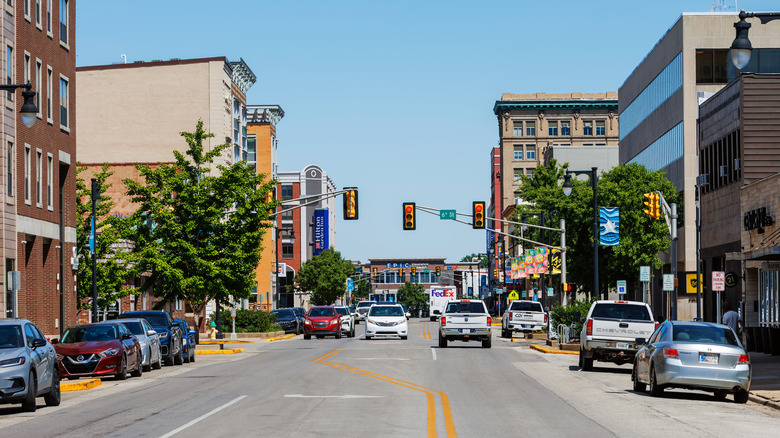
Interestingly, Indiana is an unexpected Midwest state that sells a ton of winning lottery tickets. However, Hoosiers don't have to rely on pulling a winning ticket to seriously save on their car insurance plans. That's because Indiana's average full coverage premiums are only $128 per month, as reported by Insurify, or about 31.55% more affordable than the national average. Over a year, the typical resident only spends about $1,536 on a holistic vehicle insurance plan. The monthly liability coverage in Indiana is half that of the state's full coverage, at only $64 on average.
Indiana ranks below the U.S. average on all three main car insurance factors considered in this ranking. First and foremost, the state's frequency of claims is only 2.42 per 100 insured vehicles, according to the NAIC, or about 14.8% below the national figure. Meanwhile, the Hoosier State records about $6,134.19 in losses per collision claim, roughly 6.4% below the national benchmark. Additionally, Indiana's average bodily injury loss per incident is 11.1% lower at $23,034.77. According to the Indiana Department of Insurance, the state reviews the rates insurance companies file to ensure they're "fair, adequate, and not excessive," helping to establish affordable and competitive rates.
12. Tennessee
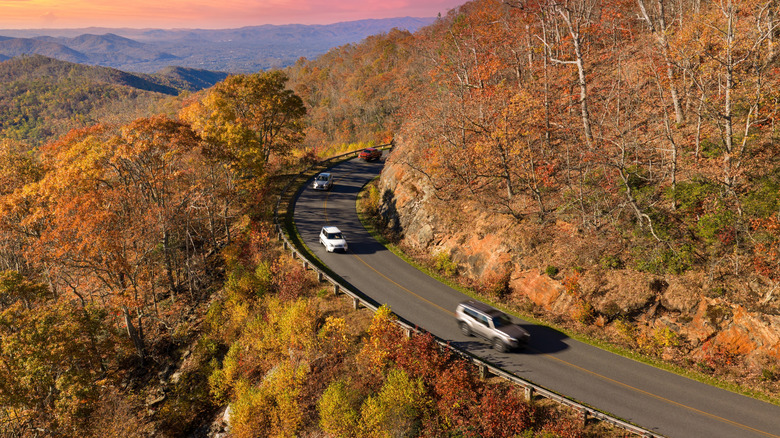
Tennessee may be home to one of the richest counties in the U.S., but the state is known for its broad affordability when compared to the rest of the nation. Its comparatively cheap car insurance coverage is a perfect example of this relatively low cost of living. According to Insurify, the average monthly premium for full coverage is $132, which means Tennesseans save about 29.41% when stacked up against their national counterparts. Annual premiums for full coverage reach about $1,584. Even more savings can be found by going solely with liability coverage, which averages $60 per month.
The Volunteer State records a 2.53 claim frequency for every 100 insured vehicles. For reference, per the NAIC, that's about 10.9% lower than the U.S. average. The typical cost for collision damage per claim is 1.1% higher than the norm at $6,628.62. Simultaneously, the average loss for bodily injury per claim is about 12.1% lower than the national benchmark, with Tennessee seeing $22,786.81 on average. More generally, Tennessee's comparatively modest overall living expenses support lower insurance rates by reducing the input costs for insurers.
13. New Mexico
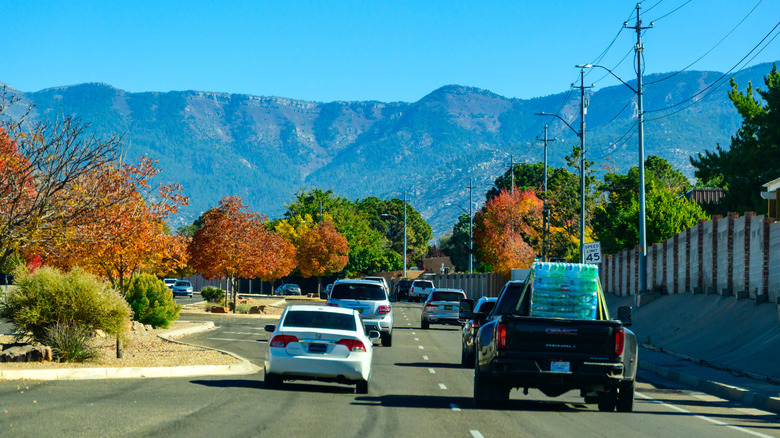
New Mexico made national news when it became the first state to offer free child care to all residents. Another financial benefit of living in this Southwestern state worth considering is low-cost car insurance. Insurify estimates that drivers spend about $133 on average per month for full coverage. These premiums are 28.88% lower than the costs experienced by the average American. They only add up to around $1,596 per year for complete plans. Even more savings can be found by going with liability coverage, which is just $65 per month in the Land of Enchantment.
Claim frequency averages 2.37 per 100 insured vehicles, according to the NAIC, or about 16.5% lower compared to the national average. At the same time, collision claims in New Mexico resulted in average losses of $6,582, which is a modest 0.4% higher than the U.S. rate. The state's bodily injury claims generated losses of $18,599.07 on average, a notable 28.2% reduction when stacked up against America's total figure. New Mexico's relatively low population density helps to reduce congestion, minimize collision potential, and, ultimately, reduce insurance rates across the board.
14. Nebraska
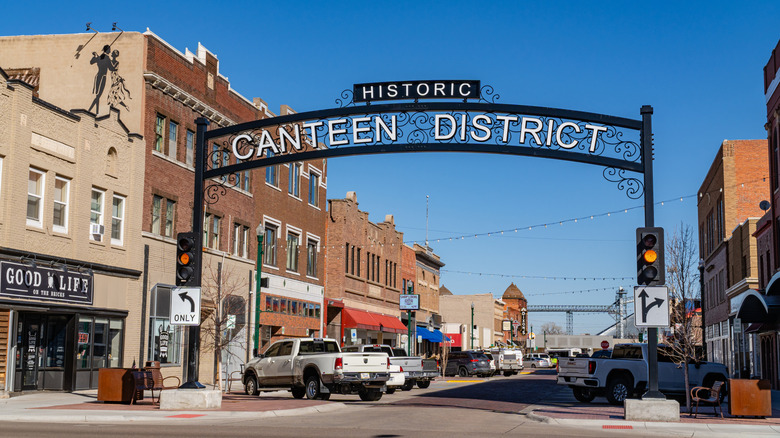
Nebraska rounds out the list of the 14 states with the lowest car insurance rates in 2026 so far, which means residents still pay less for coverage than drivers in 36 other states. More specifically, Insurify reports that the monthly average premium for full coverage is $135. That translates to 27.81% in savings compared to the national average. Within a year, Nebraskans usually spend about $1,620 for holistic plans. Meanwhile, liability coverage comes with an average monthly premium of $70. If you're looking for even more cost-cutting strategies, there are some actionable ways to save money on car insurance that extend beyond where you live.
Nebraska may not top the list of the country's most affordable insurance rates, but the main drivers of premiums remain below national averages. For instance, the frequency of claims is 12.3% below the U.S. standard, at only 2.49, according to the NAIC. Furthermore, the collision loss and bodily injury loss per claim are 3.4% and 11.9% lower than the national averages, respectively. The typical collision cost is $6,334.18, while the bodily injury cost is $22,838.74. In addition to these comparatively lower figures, Nebraska enjoys lower insurance rates due to falling vehicle theft rates, low population density, minimal traffic congestion, and higher credit scores among drivers.