

11 Beautiful North Carolina Cities Where Retirees Can Live Comfortably On $3,000 A Month

Since many retirees live on a fixed income, it's important to live in a city that's affordable to ensure they can live the rest of their lives in comfort. However, that doesn't mean relocating to bland and unattractive places purely because they represent the cheapest options. In fact, one need not settle for an uninteresting, unappealing town, even when affordability is a major priority. For instance, some retirees have set their sights on North Carolina in hopes of finding a retirement destination that is as lovely as it is cost effective.
As a state, North Carolina has a lot of natural beauty to enjoy. Living there means you're not too far away from the famous Blue Ridge or Great Smoky Mountains. Life in the Carolinas also comes with scenic views of rolling hills, placid lakes, and lovely rivers. If you're a retiree who enjoys walking in nature, fishing trips, or rounds of golf, odds are you'll find a corner of North Carolina that's a good fit.
Fortunately, you can also pair the beauty of the state with a range of destinations ideal for a retired person living on a monthly budget of $3,000. In selecting cities for our list, we referred to websites like BestPlaces and Apartments.com to determine the local cost of living and estimated monthly rent prices for a single person. We'll also break down how much you could expect to spend on groceries, transportation, healthcare, and other living expenses monthly, and about how much you should have left of that $3,000 monthly budget once your bills are paid.
Burlington

Burlington is a central North Carolinian city located in a region of the state known as the Piedmont. A few hours from both the Blue Ridge and Great Smoky Mountains, Burlington is an ideal corner of the state for retirees who love the idea of enjoying mountain views and the ocean. Within Burlington itself is a downtown area described as vibrant and historic, with several blocks of museums, restaurants, and art galleries. The Census Bureau reported the city boasted a population of 61,496 in July 2025, and if you're seeking a lively town that's not too remote, Burlington could be a great fit.
LivingCost.org estimates that individuals living here pay $623 for groceries, while Payscale projects monthly costs of $195.26 in energy and $174.19 for a phone line, while residents could expect to pay around $159.68 per doctor's visit. Then there's the cost of rent: In September 2026, Apartments.com estimated the average Burlington apartment was priced at $1,157 per month. When these and other living expenses are considered, BestPlaces estimates Burlington living costs total $2,867 every month. Based on BestPlaces's findings, retirees should have about $133 left after covering all expenses.
How much you have left may come down to housing. Per Apartments.com, about one in four Burlington residents pay $1,000 or less for monthly rent. For retirees with a $3,000 monthly income, Burlington could be closer to the top of their budget. Even so, it's definitely worth consideration as it is a beautiful retirement destination.
New Bern
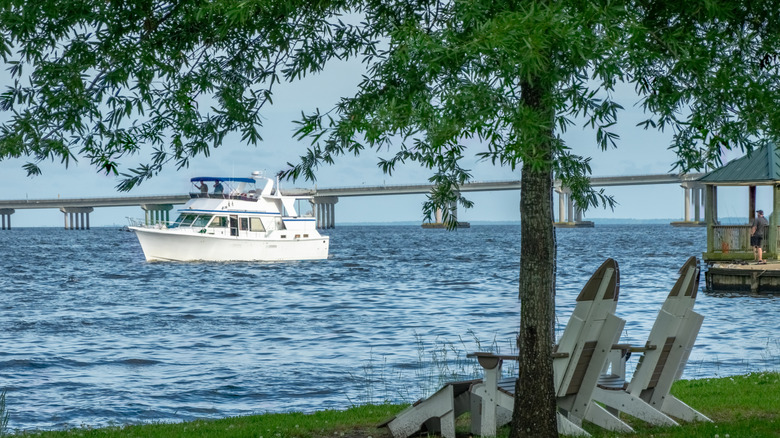
New Bern had a decent-sized population of 34,724 in July 2025, per the Census Bureau, and stands among the best places to retire in North Carolina for people of many incomes. It's a lovely town on a peninsula formed by the confluence of the Neuse and Trent rivers. Retirees who decide to move here will be able to sit waterside and watch boats go by. If they prefer, they can also visit the nearby lakes and creeks for fishing, kayaking, and other fun activities.
When it comes to monthly living expenses, cost of living aggregators found New Bern cost below the proposed $3,000 budget. This depends on how much your spending breaks down across various expenses, but LivingCost.org projects New Bern locals reportedly spend an average of $614 for groceries, while Wise estimates they spend $156.32 on utilities and $72.33 for their mobile phone bills. Retirees on the hunt for affordable housing should note Apartments.com found the average apartment cost $1,310 as of September 2026.
Altogether, BestPlaces estimates residents need $2,700 per month to afford to live there. It also determines that residents spend 16.4% less than Americans living in the average U.S. city, suggesting retirees who move to New Bern can expect to spend slightly less than average on groceries, utilities, healthcare, and transportation. As it stands, retirees moving to New Bern should have $300 left each month after covering bills. Cost of living aside, New Bern is a beautiful community with lovely outdoor amenities, and we think retirees will ultimately find it a great fit for their lifestyles.
Wilson
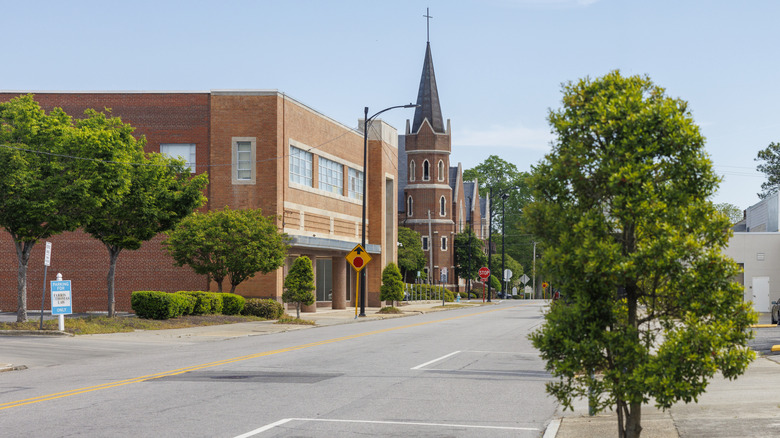
Retirees who move to Wilson will be able to enjoy access to beautiful botanical and rose gardens. The city, which the Census Bureau reported had a population of 49,572 in July 2025, is also just a short drive away from Lake Wilson, which offers hundreds of acres for hiking and biking. Whether you want to enjoy lovely flowers or stay active, Wilson may not be the first highly recommended retirement destination that comes to mind, but it's a strong and budget-friendly contender.
Retirees hoping to live comfortably in Wilson on a maximum budget of $3,000 shouldn't have too much trouble. BestPlaces estimates living there costs approximately $2,533 per month for a single person. Once expenses are covered, retirees can expect to have $467 leftover. Per BestPlaces, Wilson is about 22% more affordable than the average U.S. city and 8.1% cheaper than other North Carolina towns.
For those who move to the city, the majority of money spent tends to go towards food and housing. For instance, LivingCost.org estimates Wilson residents reportedly pay $636 each month for groceries on average. As for rent, retirees will find Wilson apartments are priced at $1,285 per month, per Apartments.com's September 2026 data. Though 60% of renters pay between $1,001 and $1,500 per month, Apartments.com also determined 26% actually pay $1,000 monthly or less. As such, retirees could find housing in Wilson cheap enough to live on $3,000 per month with well over $1,000 left to cover utilities and transportation.
Rocky Mount
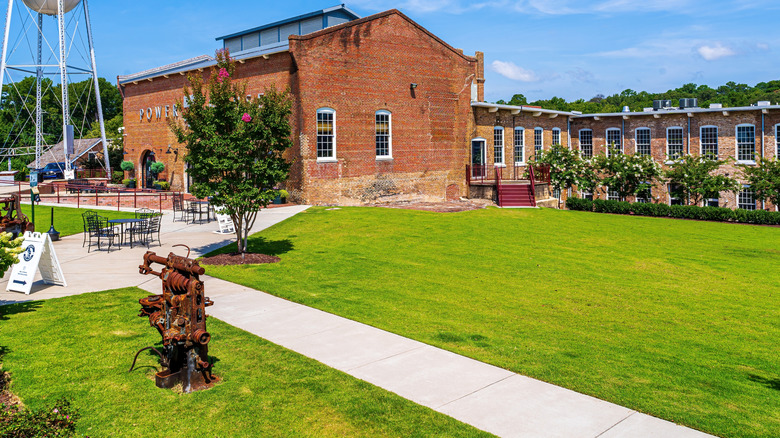
Rocky Mount is a decent-sized North Carolina city, with a population of 55,120 reported by the Census Bureau in July 2025. Yet, some describe it as a hidden gem, an affordable suburban town that's worth at least a second look. Rocky Mount is located near the Tar River, offering an outlet for water-related activities like boating and fishing. The town also has several parks and green spaces to enjoy.
You should be able to afford Rocky Mount's local cost of living without going over a $3,000 monthly budget. BestPlaces estimates Rocky Mount residents pay $2,500 per month to cover living expenses. Based on this estimation, retirees should have $500 left after handling bills. When dividing expenses, it's clear most of your money will go to rent, though apartments in the area are fairly affordable. Apartments.com reported an average monthly price of $973 as of September 2026. According to estimates, about half of rentals cost $1,000 per month or less.
Some other expenses to note include food and transportation, which LivingCost.org projects to cost $696 and $55.60 per month, respectively, for a single person. It's worth noting that healthcare, which Salary.com estimates costs an average of $262 per person a month, is slightly above the national average. That said, Rocky Mount housing reportedly runs about 33% lower than the U.S. average, per AreaVibes, allowing locals to seriously offset their monthly expenses. For reasons like this, we think this budget-friendly North Carolina gem is a great option for most retirees.
Elizabeth City
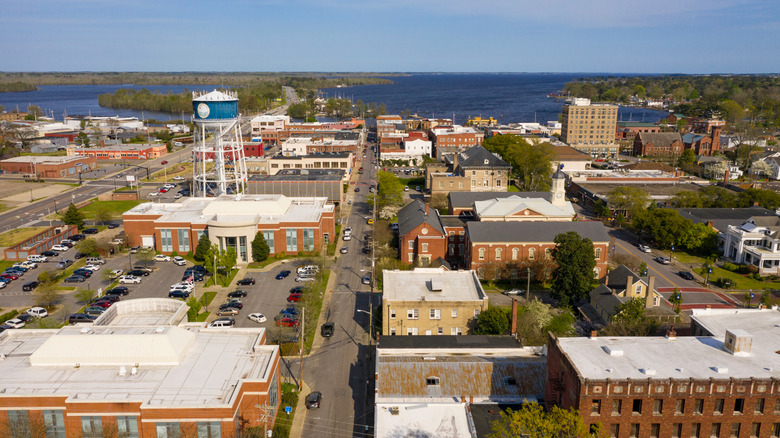
Retirees dreaming of a small town with lovely waterfront views will find Elizabeth City to be within their desired affordability range. This charming North Carolina town has a modest population of 19,622 as of July 2025, per the Census Bureau, while remaining only a few hours away from hubs like the Outer Banks and Norfolk, Virginia. Besides offering natural beauty and a convenient location, Elizabeth City is yet another great option for retirees operating on a $3,000-per-month budget.
According to BestPlaces estimates, Elizabeth City residents spend $2,433 per month on average. Retirees should be able to live relatively comfortably in the area, as it's reportedly 15.6% more affordable than the U.S. average. When factoring in BestPlaces's estimation, a retiree can expect to save $567 monthly after paying various bills.
The biggest expense will be rent, and Apartments.com estimated Elizabeth City apartments cost an average of $1,217 per month as of September 2026. According to CityCost.org, residents pay an average of $60.80 per month for Internet service, while Salary.com projects monthly costs of $283 for food, $130 for utility bills, $330 for transportation, and about $268 for healthcare. Still, with smart budgeting, retirees should still find it easy enough to afford and enjoy life in Elizabeth City.
Kinston
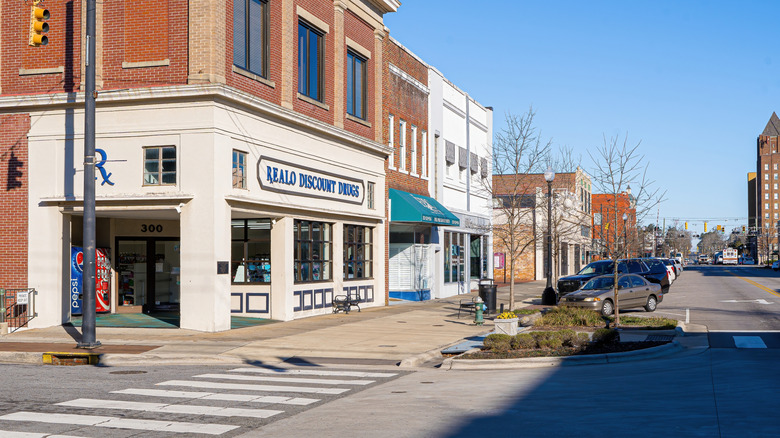
Kinston, a North Carolina town with a July 2025 population of 19,705, per the Census Bureau, might be a town worth putting on your radar as a music fan. It is famously called "the birthplace of funk," because it's the hometown of musicians like Nathaniel "Nat" Jones and other esteemed artists who helped originate this distinct sound. Aside from its cultural significance, Kinston is situated along the Neuse River, coupling access to nature with peaceful small town life.
According to cost of living aggregators, Kinston's cost of living is well below the $3,000 budget limit. For instance, BestPlaces, found living in Kinston costs approximately $2,267 per resident. As such, retirees should still have $733 of their budgeted monthly income after bills. Per BestPlaces' estimates, Kinston is 24.6% more affordable than the average American town and 17.1% cheaper than North Carolina as a whole.
Overall, renting in Kinston is quite budget-friendly: Apartments.com reported the average rent is just $766 per month, and determined that most Kinston renters pay $1,000 or less each month. By comparison, food shopping in Kinston reportedly costs about $636 per month, per LivingCost.org, while utilities for a single person shake out to around $129 and doctor's visits average around $112 per trip. For those looking for affordability paired with natural beauty and a piece of American music history, Kinston may be the perfect place to retire.
Lexington
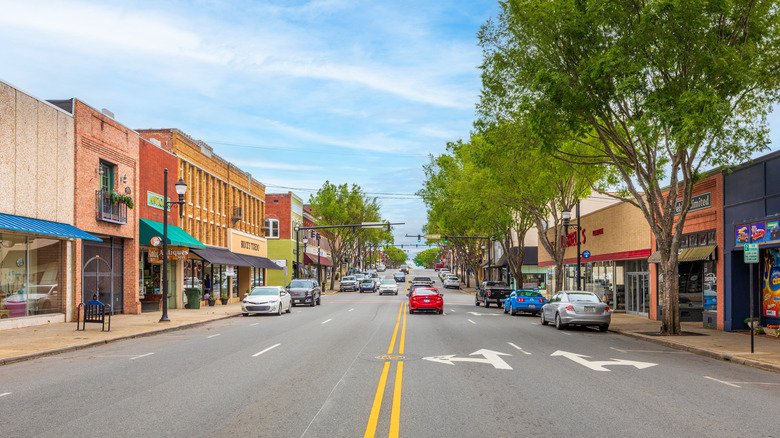
Famous for its delicious spin on barbecue cooking, Lexington is a small North Carolina town where retirees can take in beautiful natural scenes while enjoying good eats. Located in the heart of the Piedmont Hills, the Census Bureau found the city to have a population of 20,238 in July 2025. Long walks can bring you in contact with wildlife ranging from deer to herons, and aside from woods, hills, and mountains, there are also nearby lakes for fishing, kayaking, and boating. Whichever way you choose to enjoy the beauty of the area, Lexington is a pleasant center point for making it happen. Retirees who settle here also get to take in the city's vibrant local art, theater, and wine scene.
Those considering a move to Lexington should also be able to find relatively affordable housing, as Apartments.com reported apartments and homes for rent in Lexington were priced around $1,132 per month as of September 2026. Apartments.com also estimated locals pay about $666 monthly for groceries and $373 per month for utilities, and notes that transportation and goods and services in the area tend to cost less than the national average.
All things considered, BestPlaces determined life in Lexington costs $2,233 per month. With a budget of $3,000, that means $767 should remain after paying expenses. As such, there should be a sizable amount of money left for retirees to enjoy delicious barbeque and beautiful sights in and around Lexington every month.
Reidsville
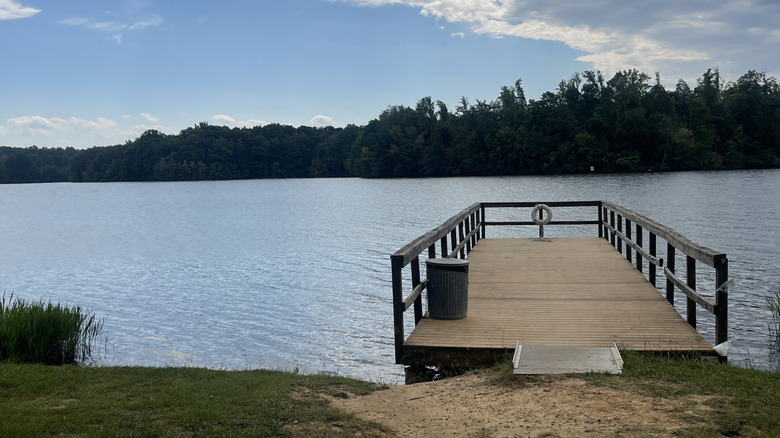
Reidsville is yet another ideal city for those who want access to nature on a smaller budget. Retirees who enjoy birding or hiking will enjoy its many nearby trails, while others may appreciate the local Lake Reidsville or Lake Hunt for fishing, kayaking, boating, and other water activities. No matter your interests, Reidsville is another pleasant reminder that it's possible to relocate to a picturesque North Carolina town without breaking the bank. The town, which had a reported population of 14,692 in 2025, per the Census Bureau, should work for retirees seeking a laid-back life away from urban congestion.
BestPlaces reports Reidsville is 22% less expensive than the average U.S. city and 14.3% more affordable than North Carolina as a whole. According to Salary.com's estimates, individuals in Reidsville pay an average of $171 for energy bills, $418 for food shopping, $307 in transportation costs, and $283 for healthcare every month. As for rent, Apartments.com revealed Reidsville's average rent as $1,071 in September 2026, with rentals in the area costing 36% less than those found on average in the U.S.
When all monthly expenses were considered, BestPlaces ultimately determined Reidsville cost $2,233 for a single person. As such, it represents a monthly savings of $767 with a $3,000 budget in mind. Based on these estimates, Reidsville is yet another wallet-friendly choice for retirees with an eye on the Tar Heel State.
Marion

Imagine living in a place where you can not only see a mountain nearby but, if you're able to hike it, also access a lovely view of your small town below. That's life for retirees who choose Marion. It is a very tiny city, with a July 2025 population of just 7,440, per the Census Bureau. Still, it's absolutely worth it for retirees who want to live in a smaller town surrounded by natural beauty.
One factor working strongly in favor of retirees is that Marion offers reasonably priced housing — especially for those looking to rent. Apartments.com reported in September 2026 that 50% of Marion locals pay less than $700 per month to rent their homes, and the average rental costs just $532 per month. Meanwhile, Payscale finds area residents spend an average of about $158.44 each month on doctor's visits, $231.36 for energy costs, and $206.40 on their phone bills.
In short, retiring on a monthly budget of $3,000 in Marion should be well within reach for many prospective residents. According to BestPlaces, the local cost of living is $2,233 per month. That represents a potential savings of $767 every month. Marion is evidence that it's possible to not only live in a beautiful southern city, but do so without breaking the bank.
Mount Airy
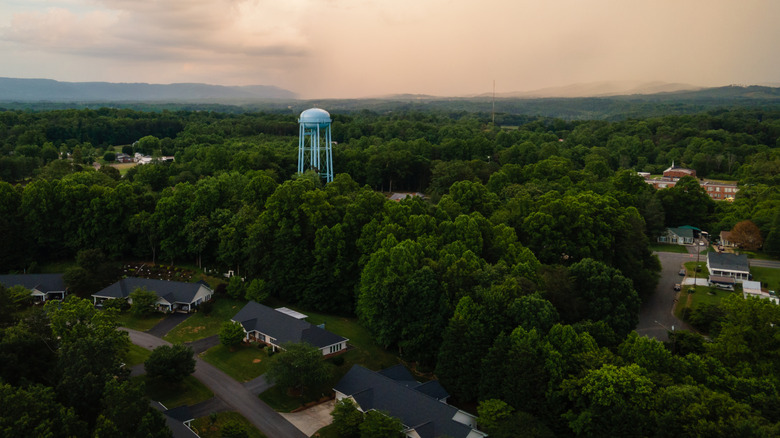
Retirees seeking a relaxed lifestyle in a certified retirement community should consider Mount Airy. According to the Census Bureau, this small town has a reported population of 10,682 as of July 2025, making it a great fit for those looking to avoid the intensity of big city life while still remaining within reach of larger communities like Charlotte and Raleigh. Likewise, Mount Airy is less than an hour away from several state parks and a short drive from the Blue Ridge Parkway. Even within the town limits, retirees get the advantage of a variety of city parks amid a very walkable community.
For retirees on the lookout for affordable apartments, Apartments.com estimated Mount Airy rentals cost about $966 per month as of September 2026. Apartments.com also determined that 50% of renters in Mount Airy pay between $700 and $1,000 per month. Additionally, Salary.com highlights that other monthly living expenses are also fairly manageable in the area: Energy comes out to around $173, food runs residents an average of $418, and healthcare comes out to around $252.
When weighing Mount Airy's overall living expenses, BestPlaces determined the city cost $2,167 per month. This suggests that retirees should have around $833 each month after covering their usual expenses. This, of course, will depend on factors such as how much you pay for rent, whether you drive, and how much you pay for groceries or doctor's visits. Still, estimates like this strongly suggest that, in addition to being a lovely retirement community, Mount Airy is also an exceedingly budget-friendly place to live.
Shelby
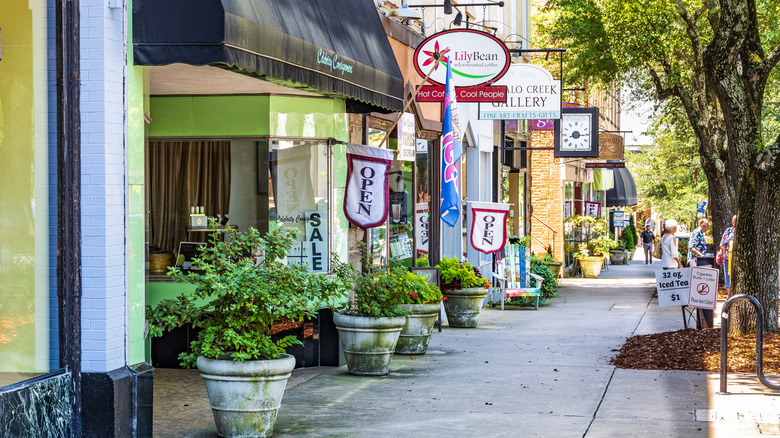
Some may know Shelby, a small city with a July 2025 population of 23,309, per the Census Bureau, as a town with rich bluegrass music lore. It's home to the Earl Scruggs Center, a museum dedicated to the hometown musician who became a music legend. Aside from taking in local North Carolina history, this city works well for retirees who desire life away from larger cities in a place that provides access to relaxing activities like golfing and fishing.
Aside from being a beautiful town with enchanting local history, we found the cost of living in Shelby to closely align with those of many of the cheapest places to retire in the country. Per BestPlaces estimates, Shelby's cost of living is just $1,900 per month, per person. Based on this figure, retirees relocating to Shelby should actually expect to save around $1,100 every month.
Though there wasn't any insight available from Apartments.com, LivingCost.org estimates rent and utilities combined cost individual residents $966 per month. Though your exact monthly expenditure will vary depending on your needs, some other estimated living costs include monthly groceries adding up to around $547, a month's utilities averaging $145, and the average doctor's visit running residents $121. In short, retirees seeking a beautiful place to live that's within their budget may find Shelby an extremely viable option.