

The 12 Least Tax-Friendly States For Middle-Class Americans, Ranked Worst To Best

There's nothing fun about paying taxes. Depending on where you live in the United States, you may find a sizable share of your income to federal, state, and even municipal taxes. American taxes are crucial to supporting public schools, maintaining roads, and also healthcare programs like Medicaid and Medicare. Even so, high taxes can be especially hard on middle-class households struggling to keep up with America's rising cost of living.
According to the Federal Reserve Bank of St. Louis (FRED), U.S. households earn $83,730 on average. With living costs ranging from about $70,000 to $100,000 across the nation, this amount may be either just enough to not close to livable earnings. Meanwhile, the Tax Foundation estimated the average American paid 14.1% in federal taxes in 2023 alone. When adding state and local taxes to the overall tax burden, some areas are far harder on middle-class Americans.
In determining which states are the worst for median income households, we examined a combination of factors such as property, income, and sales taxes, as well as the average tax burden per household. We also looked at which states had cities with particularly high local taxes. All things considered, here are the least tax-friendly states for middle-class Americans, ranked worst to best.
1. Hawaii
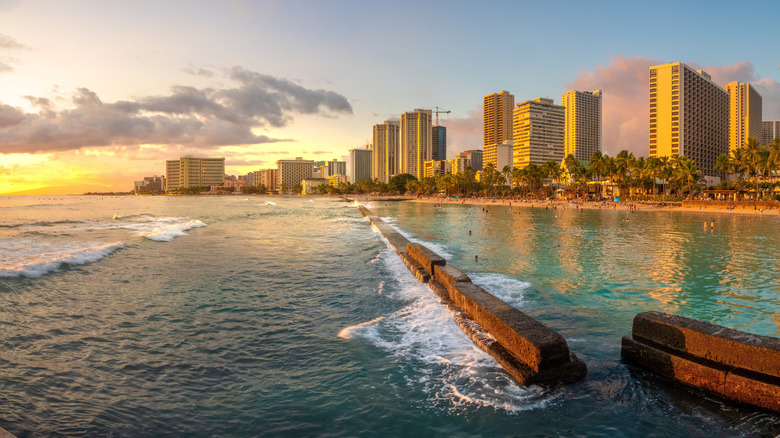
Many Americans dream of raising a family or even retiring in Hawaii. It's one of the most popular tourist destinations in the country and the world. It's to the point where tourists often outnumber the local residents. While visiting this lush paradise is the aspiration of many millions of people, the reality is that Hawaii is a very expensive state in which to live.
According to a 2026 WalletHub study, Hawaiians face the highest tax burden of all 50 states. The median Hawaiian annual income is about $98,240, per FRED data. Yet, per WalletHub, residents face a tax burden of 13.30%. When the median income is taken into account, the average Hawaiian will have to pay out $13,065.92 for taxes alone.
Hawaiians face such a severe tax burden relative to the rest of the country due to the state's heavy reliance on sales and excise taxes. As the Tax Foundation reports, Hawaii relies heavily on general sales taxes to generate state revenue. In fact, sales taxes account for approximately 37.5% of state and local revenue. Hawaiians also pay the highest sales taxes in the nation. State income taxes, meanwhile, represent 22% of state revenue and are reportedly the 7th highest nationwide.
2. New York

The average New Yorker reportedly pulls in $86,830 per year, an amount that many Americans would deem respectfully middle-class. And yet it's not consolation to middle-class New Yorkers, who pay some of the highest taxes in the country. Per WalletHub estimates, 12.39% of New York residents' yearly income goes straight to taxes.
Although people often hyperfocus on New York City and its famous five boroughs, there are other parts of the state where middle-class residents struggle with hefty taxes. For instance, TurboTax revealed that Westchester County accounts for some of the highest property taxes nationwide, paying $9,647 annually. TurboTax also reported that New York residents overall have among the highest state income tax burdens in the country. Individual income taxes account for 4.65% of New York's tax burden, the second highest in the country.
What makes New York such a nightmare for middle-class and low-income residents is how unfairly the tax load gets distributed. The Institute on Taxation and Economic Policy (ITEP) finds that middle- and lower-income households pay a larger share of their yearly earnings to taxes than the top 20% wealthiest households. For instance, median income earners paid 4.6% of their income to property taxes in 2023. That same year, the top 1% of earners paid 3.5%. It's crucial to note New York's top wealthiest residents have incomes exceeding $880,900, more than 10 times what middle-class New Yorkers earn. Though it is second for tax burden in the nation in 2026, it's worth noting that New York has previously topped this list.
3. Vermont

As it stands, Vermont is among the least tax-friendly states in the nation for middle-class Americans. WalletHub found that only those living in Hawaii and New York have higher tax burdens. Vermonters enjoy a median annual income of $85,260. However, WalletHub reports that approximately 11.1% of yearly earnings go directly to taxes. The state imposes a hefty property tax, which reportedly accounts for 4.89% of the local tax burden. It also firmly puts Vermont into the top spot for the highest property burden in the United States, ahead of both New York and New Jersey.
It's not just that property taxes are high in Vermont; it's that residents have endured a sharp spike in taxation. By 2024, residents found that property taxes had jumped over 105% over a period of five years. Meanwhile, 2026 saw Vermont's education property taxes increase by 12%. The increase in the local education property tax rate is especially perplexing to Vermonters. The Vermont Chamber of Commerce notes that student enrollment has declined 30% over the past 20 years. It's worth noting that rates jumped sharply after a post-COVID-19 era property reappraisal.
Though the higher taxes were meant to represent intense demand for Vermont housing post-COVID-19, there is another unintended side effect being observed by Vermonters. Some residents aren't just angry at the hefty tax burden; they feel they are being priced out of life there. With this in mind, if you are a middle-class American wanting lower taxes and a cheaper place to live, Vermont won't be an ideal destination.
4. New Mexico

That New Mexico is among the least tax-friendly states for middle-class Americans might be a surprise. At least, until you look a bit closer at the overall tax burden. Residents put about 10.75% of their annual income towards taxes. As FRED reports, New Mexico's median income is $64,140. People living here have among the lowest reported incomes in the entire country. Per FRED, only those living in Mississippi, Louisiana, and West Virginia reportedly earn less per year.
When it comes to tax burden percentages, not everything is taxed the same. WalletHub ranks New Mexico 36th and 22nd for property and income taxes, respectively. Sales and excise taxes, however, are exceptionally high here thanks to a 6.28% tax rate. This gives New Mexico residents the third-highest sales tax burden in the nation, a distinction they're probably not too thrilled with.
Technically referred to as the gross receipts tax (GRT), this tax is imposed on businesses operating in New Mexico. They need not be physically present; if they earned at least $100,000 worth of gross receipts within the previous taxable year, then they will be liable. Yet, as the government website notes, while the GRT is technically imposed on area businesses, it's quite common for these entities to pass the cost on to customers. Though New Mexico reduced the GRT in 2025, the state remains among the least tax-friendly options for American middle-class families.
5. Maine

Living in Maine translates to paying just over 10% of household income to taxes every year. FRED estimates the median income in Maine is about $90,730, which means the average Maine resident is paying at least $9,000 per year in taxes alone. This high statewide tax burden, while spread across various tax obligations, is largely attributed to the state's exceptionally high property taxes.
According to WalletHub, property taxes account for 3.95% of Mainers' overall tax burden. It's strongly felt by locals, and has reportedly been at the heart of a lot of ongoing political discourse within the state. First, property taxes aren't applied uniformly; where you live will often dictate how much you pay. As the Maine Monitor reports, Hanover is a small rural town that is among the hardest hit by property taxation, and homeowners have to pay 9.2% of their income to property taxes. This is despite the fact that the average annual income is slightly above $32,000.
It's true that Maine is a beautiful state with lovely scenic views. Still, moving here will likely mean adding between $200 and $500 per month in additional housing costs. Consider a more tax-friendly option place to live.
6. Illinois
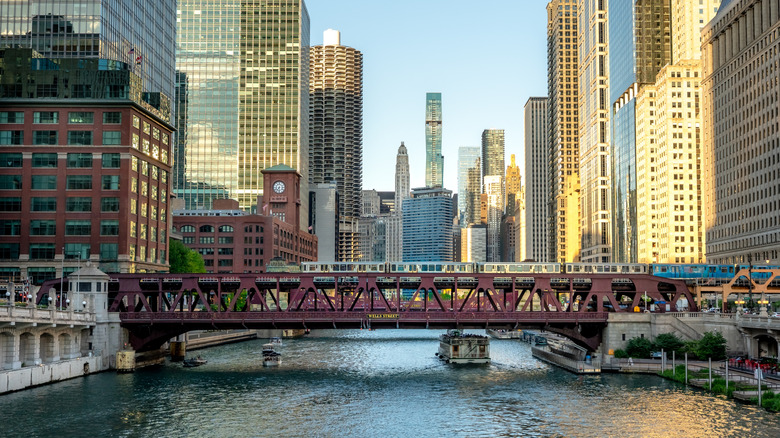
If you're a middle-class family living in Illinois, then you're situated in one of the least tax-friendly states in the country. In fact, the state reportedly has the 6th-highest tax burden in the U.S. We found the average Illinois household earns $84,210 annually. Yet, according to some estimates, they pay just shy of 10% of their income to taxes each year. As previously mentioned, the percentage of taxes paid can vary from city to city. Even if you make it a point to avoid moving to a metropolis like Chicago, hefty taxes may still follow you.
A driving factor here is high property taxation. In fact, WalletHub ranked Illinois 6th in the nation for property tax burden. SmartAsset, using 2024 U.S. Census data, determined that Illinoisians living in Aurora and Elgin specifically paid some of the highest property taxes in the country. As NBC Chicago reports, Chicagoan homeowners paid over $470 million in taxes in 2025 following record-breaking tax hikes. When trying to explain what drove Chicago property tax rates so high so fast, the Cook County Treasurer's office explained declining commercial property value was a key factor.
While Chicago homeowners coped with paying out high property taxes, some commercial property owners saw property taxes drop by about $129 million. Chicago is home to some of the wealthiest and safest suburbs in the nation. Even so, the tax situation leaves much to be desired. If you're seeking a tax-friendly destination for your family, you can probably do much better than Illinois.
7. Maryland

Maryland is frequently considered one of the least tax-friendly states, with WalletHub placing it 7th overall. According to the U.S. Census Bureau, Maryland households were among the highest earners in the nation. Based on American Community Survey (ACS) data collected in 2024, the state's median income was $102,900. High earnings were met with high taxes, and WalletHub estimates Marylanders paid 9.7% of their annual earnings to taxes.
Because Maryland residents are among the nation's top earners, it's not too surprising that income taxes make up the majority of the burden. Overall, individual income taxes make up 4.65% of a Marylander's tax burden. This rate also makes Maryland 3rd in the nation for the highest income tax burden.
For lower-middle-class families here, Maryland's tax system could be considered progressive. That's because the state taxes those who earn $100,000 or less at a lower rate than its highest earners. Earning $100,000 or less means your tax rate is capped at $90 plus 4.75% of excess earnings over $3,000. However, the ITEP considers Maryland to be a slightly regressive tax state overall. It points out severe income disparity between the highest and lowest earning households. As a result, the highest income families pay the lowest overall tax rates.
8. New Jersey

New Jersey is another state that isn't particularly tax-friendly for middle-class Americans. Though the median income here is approximately $103,500, per FRED estimates, residents are still expected to pay about 9.52% of their earnings to taxes. It's enough to make New Jersey rank 8th overall for tax burden in WalletHub's estimates. However, the pain doesn't stop there for New Jerseyans. Those same estimates find New Jersey ranks second in the nation for property tax burden.
In SmartAsset's breakdown of U.S. cities with the highest property tax burdens, New Jersey landed three cities in the Top 10. Paterson topped the list, as locals reportedly pay approximately 9.8% of earnings to property taxes alone. Meanwhile, homeowners in Newark and Jersey City had property tax obligations of 6.1% and 6%, respectively.
Despite having higher taxes, the ITEP Tax Inequality Index categorizes New Jersey's overall tax system as somewhat progressive. The ITEP considers the state's strong reliance on property taxes while failing to levy estate taxes to be regressive. However, the ITEP notes progressive qualities such as refundable property tax credits, earned income tax credits, and a graduated personal income tax structure, among other benefits. As things stand, New Jersey is still a more ideal state for high-earning, wealthier Americans than the average middle-class income earners.
9. Oregon
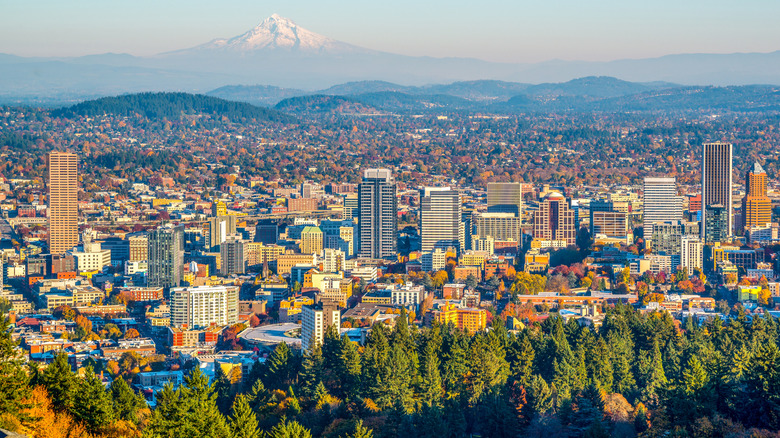
Oregon may be best known for its rugged natural beauty and scenic views. However, if you live in the "Beaver State," you may also recognize it for levying some of the highest taxes in the country. In fact, as WalletHub and others report, it has the highest individual income tax burden in the country. WalletHub notes that income taxation represents 4.76% of Oregonians' overall 9.46% tax burden. If you earn the median income of $89,700, you can expect close to $8,500 to go taxes each year.
Just 1.74% of Oregonian income goes to sales and excise taxes. Ironically, this discrepancy might be at least partially to blame for Oregon's exceedingly high income taxes. As reported by the Oregon Central Daily News, the state lacks a general sales tax. There are ways in which some cities get around this. For instance, Ashland levies a 5% meals tax on all prepared foods and beverages. It's possible that if Oregon imposed a general sales tax, it might ease tax burdens in other areas, and perhaps make the state a little more tax-friendly.
10. Rhode Island

Per FRED estimates, Rhode Islanders earn an average income of $92,290. Yet according to WalletHub, residents pay 9.29% of their yearly earnings to taxes. As such, Rhode Island ranks 10th overall in the U.S. for tax burden. It's actually middle of the road when it comes to income and sales taxes. Rhode Island reportedly ranks 30th and 25th, respectively, for these specific tax burdens.
Overall, Rhode Island reportedly has the 7th highest property tax burden of all 50 states. Approximately 3.67% of Rhode Islander income goes towards covering property taxes specifically. Rhode Island natives have coped with high property taxation for many years. Even more concerning, ITEP claims the bottom 20% of earners account for the highest overall tax burden. The middle-class accounts for the next highest share.
ITEP did note some progressive aspects of Rhode Island's tax structure. For instance, the state sales tax base excludes groceries. It's true that the wealthiest Rhode Islanders pay the greatest share of personal income taxes, however, non-wealthy Rhode Islanders pay higher sales and property taxes. As things stand, middle-class households could benefit from finding a cheaper place to live.
11. California

Some might be surprised to find that California isn't the least tax-friendly state for middle-class Americans. According to WalletHub, Californians pay an average 9.24% to taxes. That's enough for it to rank 11th nationwide for tax burden. Meanwhile, FRED estimates the state's middle-class earns about $100,600 per year. As California's median income is six-figures, some may feel that the state is more ideal for middle-class households, especially relative to lower income potential in other states. However, context is key.
California is well outside the top 20 states for sales tax burden; it ranks 20th for property tax burden. However, its income tax is the 11th highest in America. Statewide, the percentage your family pays each year in taxes will vary according to where you live. For example, SmartAsset ranked Richmond 6th in its list of cities with high property taxes. Residents here paid about 6% of their income to property taxes alone. Oakland natives pay 5.4%, enough for the city to rank 13th on the same list.
ITEP does consider California a somewhat progressive state for taxes, while acknowledging room for improvement. Californians benefit from refundable child tax and child income tax credits. The state also provides a graduated income tax structure, with a separate bracket for millionaires. That said, ITEP notes the lowest-earning households account for the highest share of property tax payments. Likewise, middle- and lower-income Californians pay far more in sales taxes. Wealthier Californians ultimately avoid paying taxes at the expense of others.
12. Connecticut

Connecticut rounds out our list of the least tax-friendly U.S. States for American middle-class households. Those living here earn $99,240 annually against a reported tax burden of 9%. Here, property taxes account for the larger share of the burden at 3.66%. In fact, Connecticut holds 25% of the spots on SmartAsset's list of cities with the highest property taxes. As of 2025, its property tax rates are arguably among the highest in all of New England.
As for why Connecticut relies so heavily on property taxation for state revenue, there are a few key reasons. The Connecticut Conference of Municipalities claims that local homeowners and renters pay $900 million each year in taxes to cover state education. They've allegedly been covering these costs since 2013, even though state revenue continuously outpaces inflation rates.
There are reportedly proposals in the work to drastically reduce tax rates and give Nutmeggers some form of relief. According to CT Insider, these proposed plans include a refundable $600 child tax credit and even deductions on the price of headstones when people are buried in the state.