

The Overpriced Chevrolet SUV That Retirees Should Avoid At All Costs

Driving a large vehicle is a priority for many American drivers. According to YouGov polling from 2025, SUVs account for 41% of primary vehicles owned by American drivers, the largest share of any vehicle type. One classic option that has been in production for the better part of a century is the Chevrolet Suburban. At first glance, these hulking SUV seems like a great choice for carting around lots of family members — something that may be a priority for retirees with plenty of grandchildren. However, the Suburban suffers from a few important financial drawbacks, to the point that CarEdge gives the model an F value rating.
A new 2026 Suburban starts at $63,700, which is well above the new-car average transaction price of $50,562 recorded by Cox Automotive in September 2026. The Suburban's pricing falls much closer to the average full-size pickup truck's price of $67,573, and for retirees past their highest earning years, such above-average pricing could prove a major hindrance. In addition to its starting costs, this model also has a depreciation rate of roughly 56% in the first five years of ownership, per CarEdge, adding to the long list of cars that lose over half their value in this time. Additionally, the Suburban is extremely large and cumbersome to drive, which can make it more dangerous and more expensive to insure. As a result, many of the best cars for retirees are crossovers and sedans with sleeker builds — classes that Cox Automotive reports have MSRPs considerably lower than the average vehicle transaction price, let alone that of a new Suburban.
The costs of operating a Chevrolet Suburban can be severe
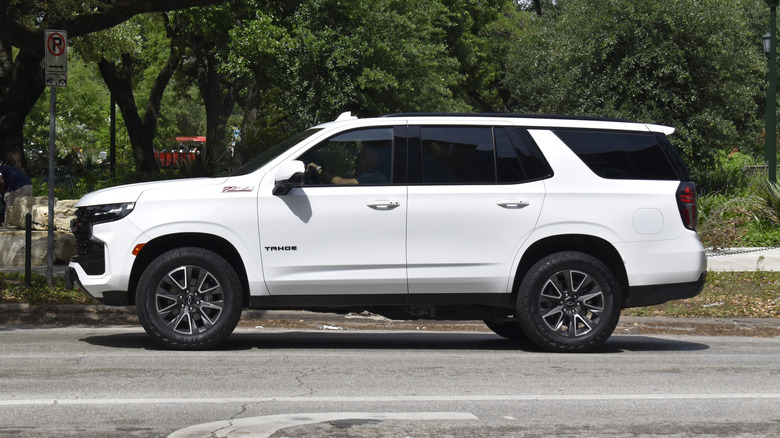
Beyond what you'll need to pay upfront to get behind the wheel, the routine expenditures associated with owning a Suburban are prohibitive in their own right. Fuel expenses, for example, are particularly painful, as both new and used Suburbans consistently show a notable deviation from the average gas mileage of their respective model years. FuelEconomy.gov reports that depending on trim, 2026 Suburbans get between 16 and 23 miles per gallon when used for combined city and highway driving. This equates to a five-year cost of at least $8,750 over the average 2026 vehicle's fuel charges, assuming 15,000 annual miles and October 2026 gas prices.
Additionally, CarEdge reports that Suburbans are slightly more likely than the average SUV to need a major repair that costs at least $500 within the first five years of ownership, and projects that Suburban drivers should expect to spend an estimated $10,061 on maintenance over the course of 10 years. While that is slightly cheaper than the average SUV, that potential added expense may further incentivize retirees to consider the smattering of SUVs that do typically retain over 50% of their value by year five to hopefully get a bit more value for their money in the long term.