

14 Popular Cars That Lose Over Half Their Value In The First 5 Years

Every year, millions of Americans head to dealerships, meet with private sellers, or browse online marketplaces to find the best vehicle for their needs. According to MarkLines, 16.39 million vehicles were sold in the United States in 2025. Between the research, negotiations, and final transaction, the average person spends about two to six weeks purchasing a vehicle, according to Clearsurance. There are many different factors consumers consider before landing on the right model. Statista reports that the five most important factors buyers consider are fuel efficiency, safety, price, quality, and practicality for their daily needs.
Interestingly, depreciation is nowhere to be found among the most important factors consumers consider when shopping for a vehicle. Understandably, drivers are more immediately concerned about how their vehicle will serve everyday demands and fit into their current budget, rather than the model's incremental value loss over time. However, this becomes a crucial variable when you put the vehicle up for sale. The Zebra indicates that the average person keeps their car for about 12.6 years, underscoring why depreciation is often one of the last concerns when buying a new vehicle.
To help consumers avoid the pain of an extremely low resale price, MoneyDigest has compiled a list of the 14 most popular cars that lose over half their value in the first five years. We didn't consider commercial vans, fully electric vehicles, or heavy-duty pickups, instead focusing on popular nameplates that are more likely to appear on your shortlist. We looked at each model's estimated depreciation and retained value as percentages, along with estimated resale prices and value loss to give you a complete picture of each model's long-term value retention.
1. Dodge Durango
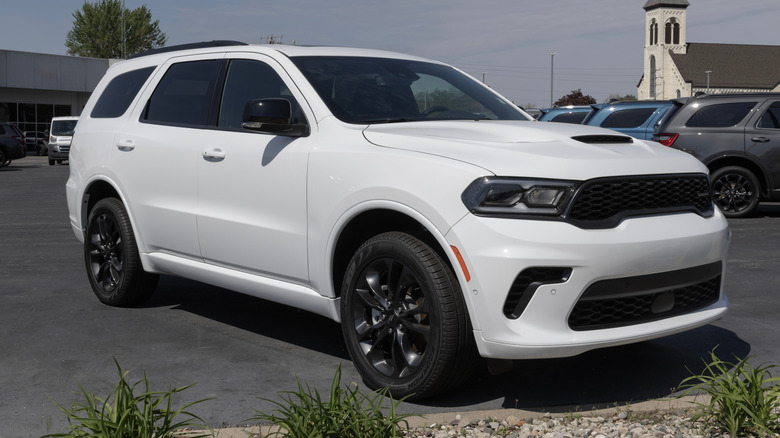
The Dodge Durango is a three-row SUV that ranks among the worst cars for theft frequency, which could cost you in the long run. While a serious risk, more owners are likely to feel robbed by this nameplate's aggressive depreciation rate. CarEdge estimates that the Durango sheds about 62% of its value within the first five years of ownership — the highest depreciation rate on this list. Conversely, this SUV retains only 38% of its original sales price after five years. Assuming a purchase price of $66,308 and 13,500 miles driven per year, owners can expect a five-year resale value of $25,316, with the Durango losing an estimated $40,992 over that period.
According to Stellantis, Dodge's parent company, the Durango sold 81,168 units in 2025. The Durango has a checkered report card from consumers, according to Edmunds. On a positive note, owners appreciate the potent engine performance, spacious and accommodating interior, and overall driving competence. Yet, there's criticism regarding the vehicle's dependability, especially when it comes to oil leaks and electrical problems. Overall, the Durango has a 3.6 out of 5 from owner reviews.
2. Nissan Pathfinder
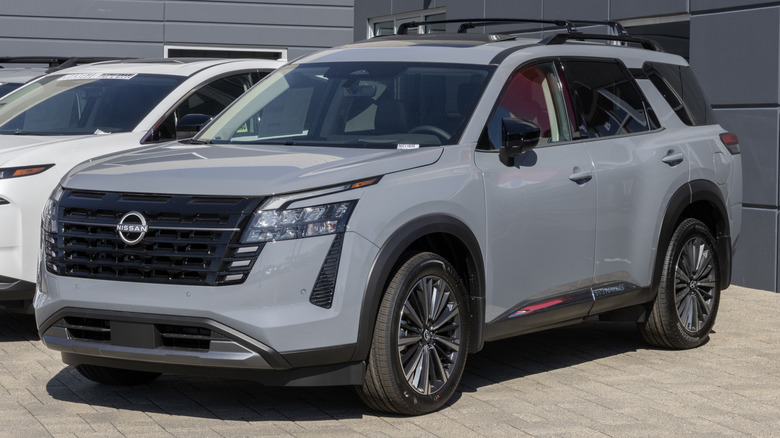
The Nissan Pathfinder is a popular mid-size SUV that packs three rows into a reasonably-sized frame. However, it ranks among the worst Nissan vehicles for retirees due to its excessive upfront costs and long-term depreciation. Within the first five years of ownership, the Pathfinder loses a staggering 60% of its original sales value, according to CarEdge. Put another way, the Pathfinder retains only about 40% of its original value after five years. Assuming a purchase price of $46,177 and 13,500 miles driven per year, the Pathfinder has an estimated five-year resale value of $18,665. The remaining $27,512 is simply lost through routine usage.
Nissan sales figures indicate that the Pathfinder moved 101,598 units in 2025. Edmunds gives the Nissan Pathfinder a 4.4 out of 5 based on consumer reviews, with the majority of owners singing the model's praises. The combination of intuitive controls, muscular engine output, and pleasant driving experience makes for a commendable ride. Among the most commonly reported downsides are poor fuel economy, uncomfortable seating, and navigation complications.
3. Chrysler Pacifica
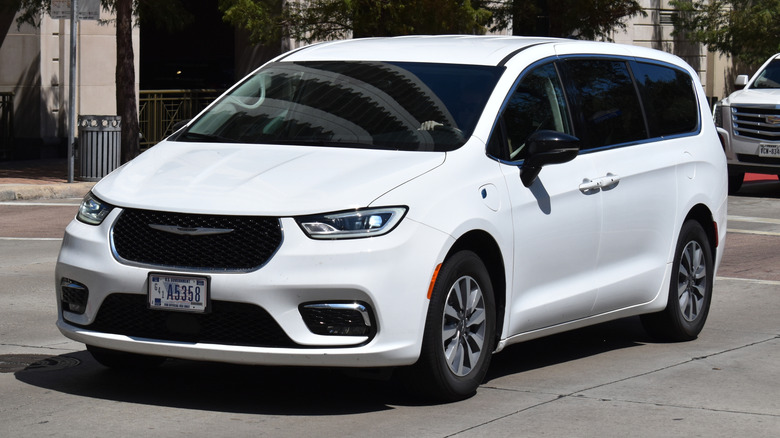
The Chrysler Pacifica is one of the worst vehicles for retirees, and most drivers for that matter, because of its poor long-term value. That equation isn't helped by the minivan's lack of affordability, either. This minivan loses 59% of its original value within the first five years of ownership, as calculated by CarEdge. That means the Pacifica only retains 41% of its original value after five years. Assuming a purchase price of $53,989 and 13,500 miles driven per year, the Pacifica has an estimated five-year resale value of $22,055. In this scenario, the Pacifica gives up $31,934 of value merely through depreciation.
Chrysler's umbrella company, Stellantis, reports that 110,006 Pacifica models were sold in 2025. The Chrysler Pacifica sports a 3.9 out of 5 on Edmunds owner review metrics, pointing to a mixed yet overall positive reception. Dependability ranks among the biggest concerns, with consumers routinely reporting mechanical and electrical issues. On the bright side, the Pacifica's cavernous interior offers dynamic seating arrangements and comfortable rides, all without sacrificing too much fuel efficiency.
4. Ford Bronco
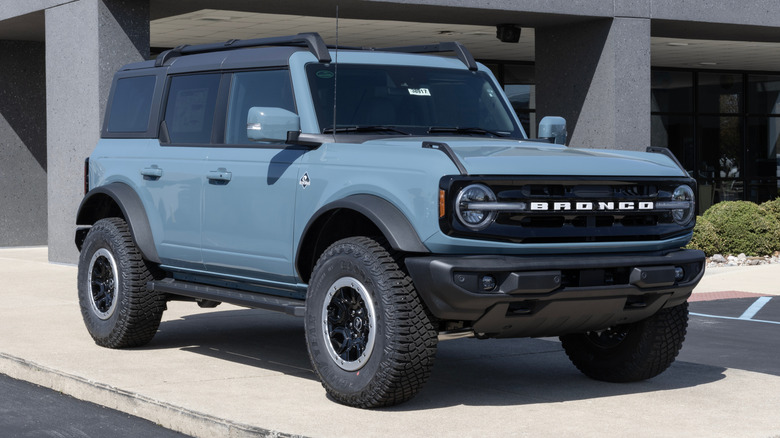
The return of the Ford Bronco generated a lot of fanfare among the public, and the rugged SUV continues to see impressive sales figures. In reality, some older Ford Broncos are a common Ford classic worth a small fortune now. However, the relatively costly newer nameplate isn't winning any awards for value retention. In fact, CarEdge estimates that the typical Bronco loses around 57% of its initial cost by the five-year mark. In other words, this SUV only holds onto 43% of its value. For a consumer who paid $64,481 for the Ford Bronco, this depreciation would represent a $37,044 loss of value within half a decade. That leaves owners with a rough resale value of only $27,437, even when annual miles were at 13,500.
Ford is having no trouble moving the Bronco, despite its rapid depreciation. In fact, Ford Motor Company reported selling 146,007 Broncos in 2025, a 33.7% increase over the previous year. The Ford Bronco bucks the skepticism with a 4.1 out of 5 on the Edmunds owner reviews score. According to drivers, the Bronco's biggest strengths are its off-road capability, engaging driving experience, and rugged styling. Those strengths come with some notable downsides, including complaints about a noisy ride, as well as more serious concerns involving repairs and recalls.
5. Ford Mustang
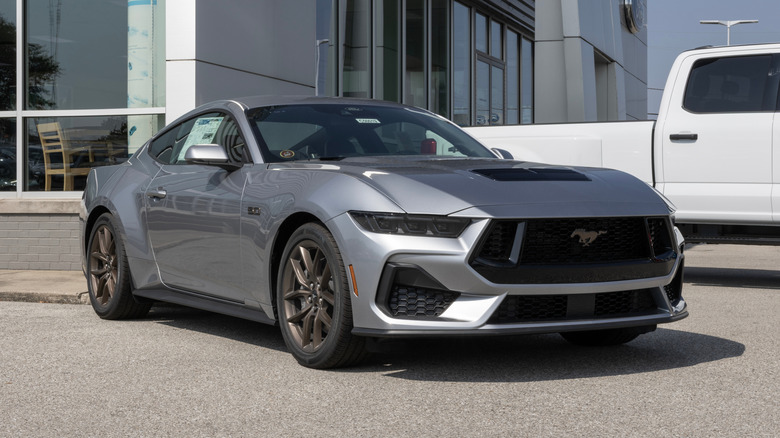
The Ford Mustang is among the most affordable muscle cars you can buy in 2026. As one of America's longest-running sports cars, the Mustang's popularity remains highly competitive. Still, this high-performing model struggles with value retention. CarEdge estimates that the Ford Mustang loses 57% of its original value within the first five years of ownership, leaving it with only about 43% of its original value. Those figures are even more alarming when put into dollar terms. Assuming an original cost of $52,046, a Ford Mustang is only worth approximately $22,505 after half a decade. This means owners see $29,541 of their original purchase go up in a puff of exhaust smoke.
The Ford Motor Company reported selling 45,333 Mustangs in 2025, up about 3% from the previous year. Edmunds indicates that owners generally rank the Ford Mustang a 4.3 out of 5, backed by on-the-road, first-hand experience. This muscle car's performance is the main draw, with owners praising its potent engine, thrilling driving experience, attractive styling, and well-designed interior. The handling is also a plus. Where the Mustang starts to attract criticism is for its technical malfunctions and lack of user-friendly controls.
6. Ford Explorer
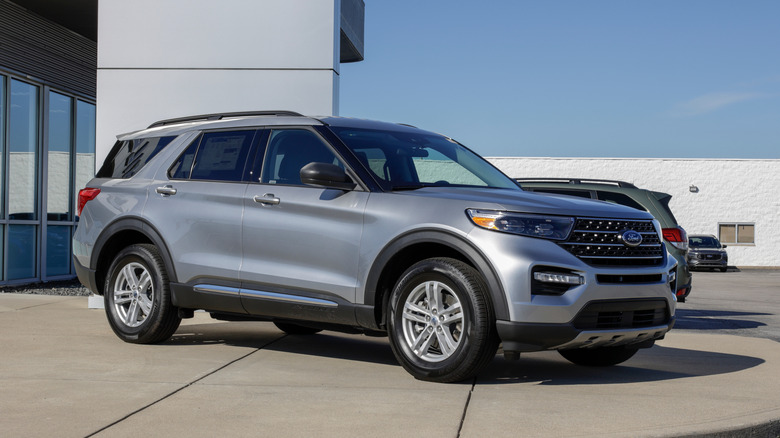
Ford is no stranger to expensive recalls, but the brand also struggles with rapid depreciation among many of its models. The Ford Explorer is yet another nameplate with above-average value loss. CarEdge estimates that this midsize SUV loses 57% of its original value over the first five years of ownership. As a result, owners are only left with about 43% of their upfront investment after this period. The picture doesn't get much better when looking at specific dollar amounts. Assuming an original purchase price of $52,165 and annual mileage of 13,500, the Explorer depreciates by $29,562 over half a decade. When owners go to resell at this period, they only have an estimated value of $22,603.
In 2025, the Explorer experienced a 14% spike in demand, with consumers buying 222,706 units, per the Ford Motor Company. The long-running Ford Explorer has a 3.7 out of 5 based on Edmunds owner reviews, with 61% of owners giving it a perfect score. The vehicle's overall performance and driving experience are celebrated, especially its inviting interior, modern technological features, and muscular engine. Yet, some serious reports surrounding engine failure, highway noise, and touchscreen glitches weigh on the overall driver experience.
7. Ford Escape
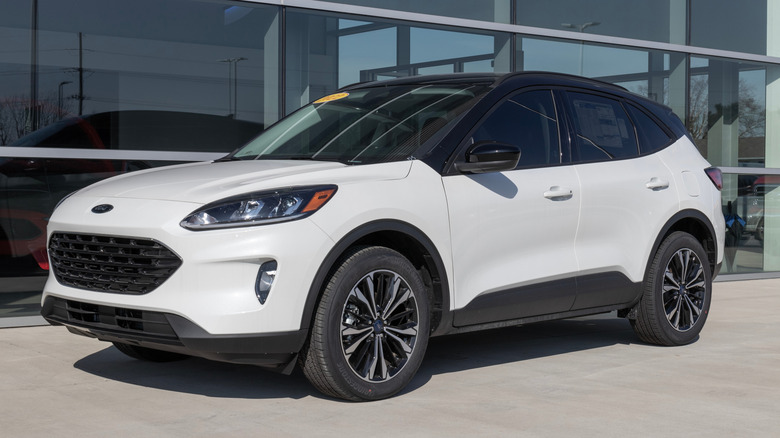
Despite being a highly sought-after compact SUV, the Ford Escape has an issue with maintaining value, even over short periods. Not only are there reliable cars that are cheaper than the Ford Escape, but many also have lower depreciation rates. According to CarEdge, this SUV forfeits 55% of its value through standard mileage and routine use within five years of ownership. Assuming a purchase price of $36,472 and 13,500 miles driven per year, the Escape has an estimated five-year resale value of $16,463, representing a depreciation of $20,009.
Although the Ford Escape saw a 5% dip in sales year over year, the model still sold 139,387 units in 2025, according to the Ford Motor Company. The Ford Escape has a 4 out of 5 based on Edmunds owner reviews. Notably, 64% of owners judged this model to be the perfect purchase. Some of the compact SUV's primary advantages, according to actual drivers, include its fuel economy, spacious interior, quality driving experience, and total value for money. Still, some owners complain about its visibility, road noise, and overall quality.
8. Chevrolet Traverse
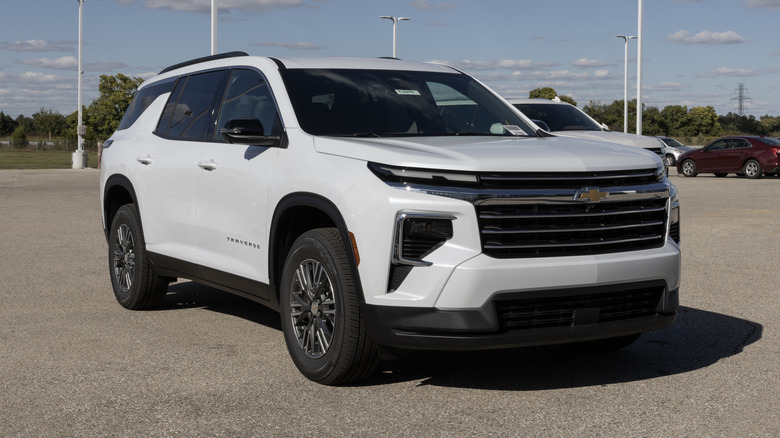
The Chevrolet Traverse is one of the brand's vehicle's that is perfect for a retirees due to its spacious interior, capable handling, and user-friendly features. However, these perks are slightly offset by a rapid depreciation rate that slashes the Traverse's initial value by more than half. CarEdge reports that this three-row SUV drops 54% of its original cost within the first half decade of ownership, effectively running over 46% of an owner's investment. To give that some real-world context, a Traverse bought new for $53,127 would lose $28,710 of that sticker cost to depreciation. This leaves owners with only $24,417 of value for resale.
2025 marked the Traverse's best-selling year to date, with 148,278 models sold, per the General Motors Company. That represents more than a 40% increase from the prior year. The Chevrolet Traverse has an average owner rating of 3.5 out of 5 on Edmunds. However, 49% of owners gave it a perfect 5-star rating. Those who favor the Traverse celebrate its fuel economy, roomy cabin, advanced technology, and smooth driving. Others have complained about the vehicle's transmission quality, electronics dependability, and performance at highway speeds.
9. Jeep Grand Cherokee
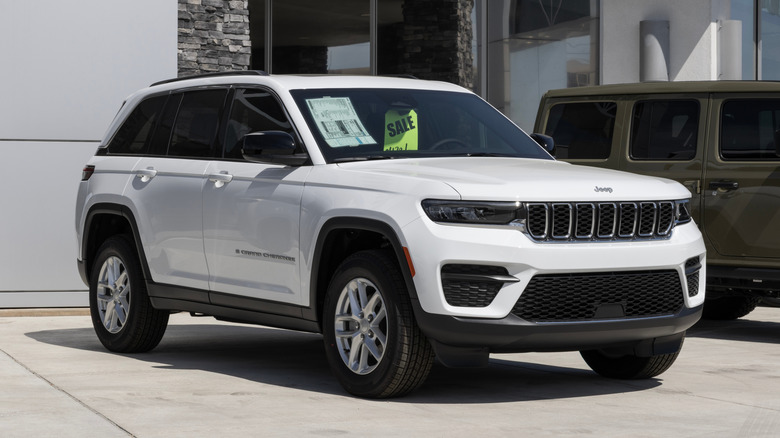
The Jeep Grand Cherokee is the brand's most recognizable model and is widely considered an American classic. Unfortunately, this iconic Jeep loses over 50% of its value by age five. More specifically, CarEdge estimates that the typical Grand Cherokee loses approximately 54% of its original value within the first five years of ownership. By the fifth year of driving only 13,500 miles annually, owners are left with about 46% of their upfront investment. Assuming a purchase price of $48,951 and 13,500 miles driven per year, the Grand Cherokee loses an estimated $26,213 in value over five years, leaving it with an estimated resale value of $22,738.
In 2025, Grand Cherokee sales took a minor 3% hit yet still managed to move 210,082 units, according to Stellantis. Forty-eight percent of owners gave the Grand Cherokee a perfect 5-star rating on Edmunds, though its overall owner rating is 3.5 out of 5. The Grand Cherokee's unique aesthetic, spacious interior, and smooth ride are common standout features people appreciate. Some of the vehicle's limits include complications with customer support and poor servicing at dealerships, along with malfunctioning electronics.
10. Hyundai Santa Fe
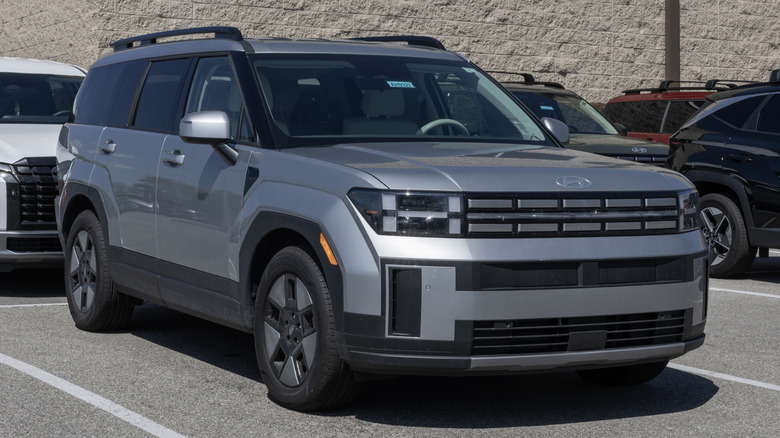
The Hyundai Santa Fe is a midsize SUV with a five-year depreciation rate of 53%. Even as a high-selling model, it struggles to retain half of its value within half a decade of routine driving. This leaves owners with merely 47% of their original investment, according to CarEdge. In more tangible terms, the Santa Fe is only worth approximately $21,101, assuming an upfront cost of $44,592 and annual mileage of 13,500. In this scenario, this SUV would lose $23,491 over five years through routine use. Despite a relatively high depreciation rate, this is one of the used SUVs available for under $15,000 in some older models.
The Hyundai Media Center reports that the Santa Fe saw a 20% surge in demand between 2024 and 2025, moving around 142,404 units last year. A commendable 70% of Santa Fe owners gave the model a perfect rating on Edmunds. Overall, it has a 4.1 out of 5 owner rating. According to owners, the Santa Fe's biggest strengths are its spacious cabin, smooth ride, comfortable seats, and solid fuel economy. Faulty electronics and technological malfunctions remain a common thread of discontent among Santa Fe owners, with some pointing out a lack of quality.
11. Chevrolet Equinox
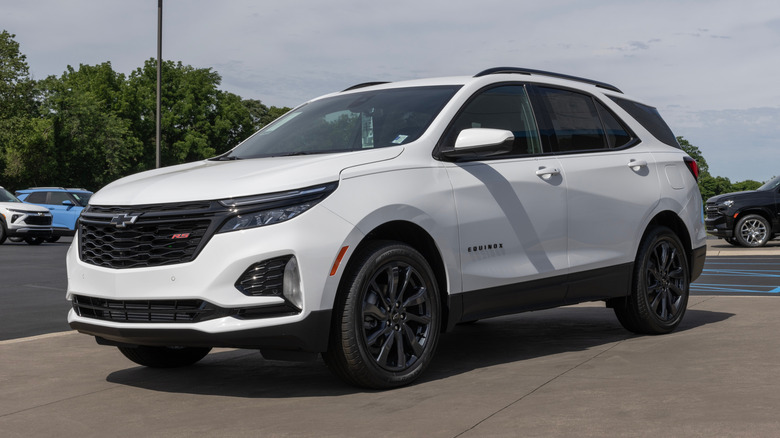
The Chevrolet Equinox is one of the best SUVs for retirees due to its combination of advanced tech and safety features, spacious cabin, and reasonable price tag. The downside for the Equinox and a major consideration for potential owners is quick depreciation. The typical Equinox owner is looking at a gradual value loss of 52% within the first five years of routine driving, per CarEdge. In other words, the Equinox retains only about 48% of its original value after five years. Assuming the model was purchased for $34,545 and driven for 13,500 miles per year, it would only be worth about $16,544 when put up for sale after half a decade. In this case, the Equinox would lose about $18,001 from standard use.
General Motors reported selling 274,356 Equinox models in 2025, a 32% increase from the previous year. Edmunds reports that the average consumer rates the Chevrolet Equinox a 3.9 out of 5. Yet, 56% of buyers rate the model a 5 out of 5. This nameplate's main selling points, according to real-world buyers, include a smooth on-the-road feel, advanced technology, comfortable interior, and a well-designed aesthetic. Other owners complain about dependability concerns regarding brakes and electronics, as well as a low-quality sound system.
12. Chevrolet Trax
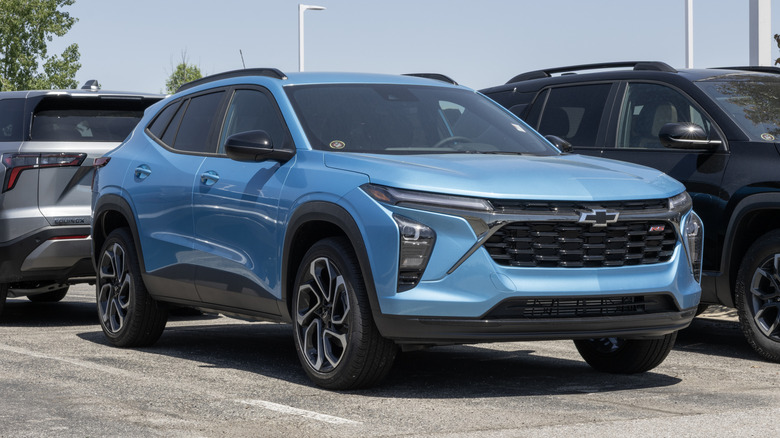
The Chevrolet Trax is one of the best-selling and most reliable vehicles on the market. Despite this recognition, potential drivers need to be aware of this vehicle's depreciation. The Trax's incremental loss of value can be 52% of its original sales price within five years of purchase, according to CarEdge. In other words, this SUV only maintains 48% of its value even when driving an average of 13,500 miles annually. Let's say you purchase this vehicle for $24,725. Within just half a decade, you would only be able to sell it for an estimated $11,883. The other $12,842 would be consumed by depreciation alone. Keep in mind that the Trax's relatively affordable price tag can distort these percentages when looking at raw figures.
According to the General Motors Company, consumers purchased 206,339 Trax units in 2025. Edmunds reports that 75% of Trax owners gave the model a perfect 5-star rating, while its overall owner rating is 4.4 out of 5. According to owners, the Trax's biggest strengths include its stylish design, overall value, fuel economy, and confident steering and handling. Some common pain points from owners include road noise and infotainment issues.
13. Kia Telluride
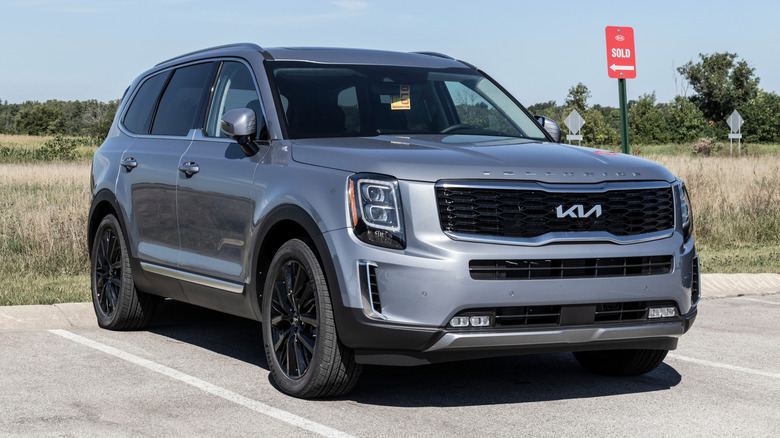
According to CarEdge, the high-selling Kia Telluride comes with an incremental loss of value of nearly 10% per year on average for the first half decade. After five years, the Telluride retains only about 49% of its original value. If we assume a purchase price of $49,414 and 13,500 miles driven per year, the Telluride has an estimated five-year resale value of $23,990, representing a depreciation of $25,424. While exhibiting an above-average depreciation rate, the Kia Telluride is actually one of the cheapest new cars to insure.
Kia News reports that the Telluride sold 123,281 units in 2025, up roughly 7% from the prior year. The latest Kia Telluride sports an owner review score of 3.7 out of 5, with 57% of real-world owners giving it a perfect score, according to Edmunds. Drivers champion the SUV's driving experience, including its excellent visibility, smooth drive, spacious cabin, and useful tech features. Still, some people complain about its subpar fuel economy and poor customer service.
14. Ram 1500
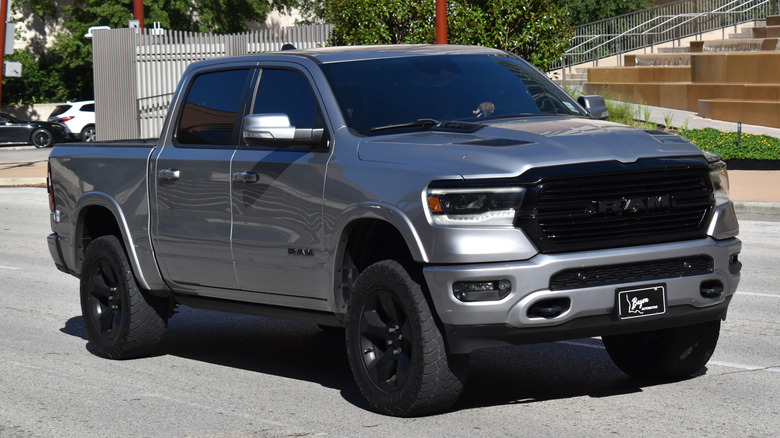
The Ram 1500 narrowly makes this list of popular vehicles that lose half their value in the first five years, with a depreciation rate of 50%. CarEdge estimates that the average model will only retain 50% of its original purchase price after half a decade of routine driving. Those figures are more revealing when converted to dollar terms. After five years of driving 13,500 annual miles, a Ram 1500 that was bought new for $65,514 is likely to lose $32,829 of its worth. This leaves owners with a modest resale value of $32,685.
Stellantis reported selling 204,139 Ram 1500 models in 2025, representing a 9% increase from the previous year. Edmunds indicates that 38% of owners judge the new Ram 1500 to be a perfect ride with a 5 out of 5, but the truck is rated at a 3 out of 5 overall. The Ram 1500's range of engine configurations, smooth ride, appealing design, and comfortable cabin all receive high marks. Owners most commonly report issues with the pickup's electronics, recurring check engine lights, and customer service. These common complaints shouldn't come as much of a surprise, considering that the Ram 1500 has been recognized as one of the least reliable pickup trucks on the market.