

9 Popular SUVs That Retain More Than 50% Of Their Value After 5 Years
Cars are notorious as depreciating assets, which means they naturally lose value over time. A vehicle's original value, upkeep demands, and market demand can impact its rate of depreciation, but there's really no way to avoid some loss of financial worth with most everyday vehicles. Of course, there are exceptions to this general rule, such as '70s cars that are worth a ton of money today. For many Americans, though, owning this depreciating asset isn't much of a choice. According to the United States Census Bureau, more than 91% of households have access to at least one vehicle, with many households having access to two or more. For buyers who need a vehicle, one way to limit the financial impact of depreciation is to choose a model that tends to retain more of its value.
To help budget-conscious buyers find vehicles that hold onto more of their original value, MoneyDigest gathered nine popular SUVs that retain more than 50% of their value after five years. While depreciation is an important financial consideration, it shouldn't be the only factor when choosing a vehicle. By looking at top-selling SUVs, we can be sure the models considered are compelling in other areas, too. All qualifying models had to be featured on the 25 best-selling vehicles of 2025, per Kelley Blue Book (KBB). Thus, each SUV sold at least 150,000 units in 2025. CarEdge depreciation data was used to determine which of those best-selling SUVs maintained more than 50% of their original value after five years. CarEdge's estimates assume vehicles are in good condition and driven 13,500 miles per year, so actual depreciation will vary depending on mileage, condition, location, and other factors. These vehicles are listed from the lowest to highest value retention.
9. Nissan Rogue
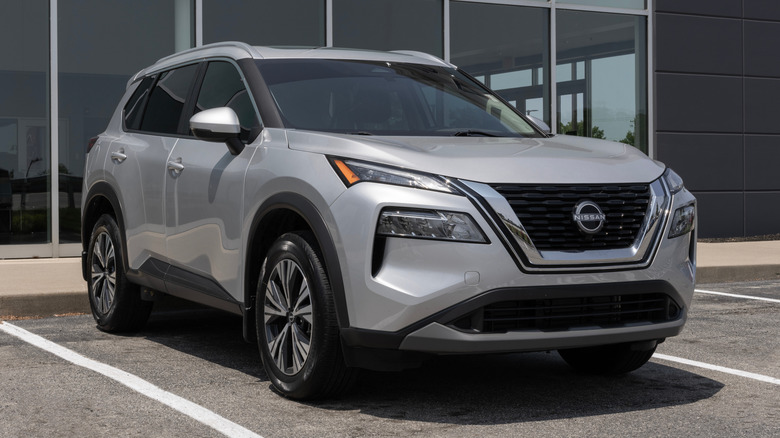
The Nissan Rogue has a five-year value retention of 50.2%, according to CarEdge, which means it loses about 49.8% of its original sales price during this period. CarEdge bases its estimate on a $36,622 original selling price, resulting in a projected resale value of around $18,373 after five years. In total, it would lose about $18,249. Furthermore, CarEdge projects the Nissan Rogue's five-year maintenance and repair costs at $2,523. KBB reports that this vehicle sold 217,896 units in 2025, landing as the 15th best-selling vehicle of the year. Given these manageable costs, the Rogue is recognized as one of the best Nissan cars for retirees.
The 2026 Nissan Rogue has a starting MSRP of $31,065, according to Car and Driver. Meanwhile, a pre-owned 2022 model has a fair purchase price of $19,400, which is down from an original MSRP of $29,945, per KBB. The Nissan Rogue is a two-row, five-seater small SUV that doesn't sacrifice interior comfort or fuel efficiency. Higher trims offer more upscale interiors, while supportive seats can help make longer drives more comfortable.
8. Kia Sportage
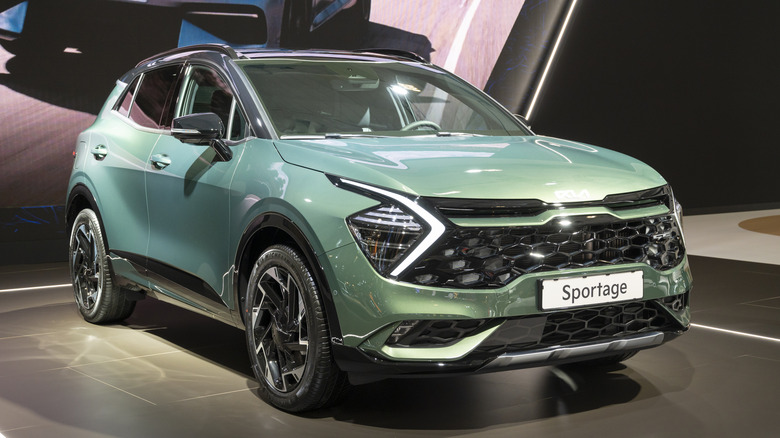
The Kia Sportage is heralded as one of the top-selling SUVs that are also perfect for a retiree. Its value retention may also appeal to budget-conscious buyers more broadly. According to CarEdge, this SUV retains approximately 50.4% of its initial sales price after five years of ownership. That means the Sportage sheds around 49.6% of its value over half a decade. In more concrete terms, the Sportage would be worth around $17,972 after this timeframe, having lost an estimated $17,686. This projection assumes an original sales price of $35,658. For additional insights into ownership costs, CarEdge estimates that Sportage owners spend $2,659 in five years on general maintenance and repairs. In 2025, the Sportage sold 182,823 units, per KBB statistics, placing the model 19th among the best-selling models of the year.
Car and Driver indicates that the 2026 Kia Sportage has a starting MSRP of $30,285. At the same time, a 2022 model has a fair purchase price of $15,950, down from an original MSRP of $25,305, as reported by KBB. The Kia Sportage is a surprisingly spacious vehicle for its status as a compact SUV. In addition to plenty of room in both rows, the cargo hold is sufficiently large. The stylish exterior and interior give it a premium feel beyond what the price tag might suggest. Edmunds ranked the Kia Sportage fifth out of 19 small SUVs at the time of writing.
7. Hyundai Tucson
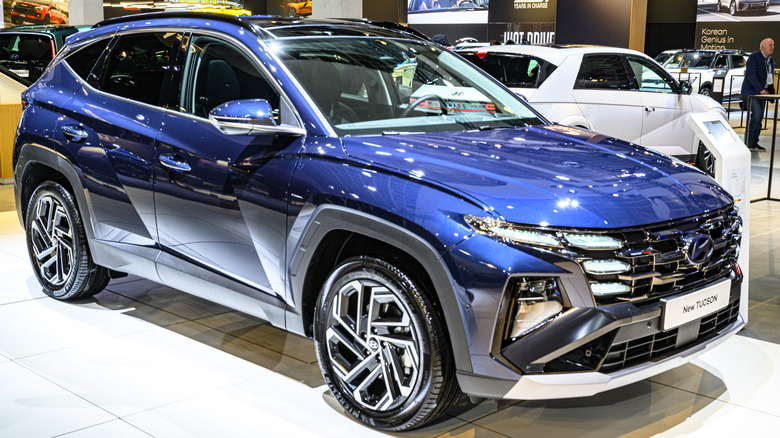
The Hyundai Tucson has a five-year residual value of 53%, meaning it loses about 47% of its original sales price, according to CarEdge. In more concrete terms, this SUV would have an estimated resale price of roughly $19,423 after half a decade of routine driving, if it were originally bought for $36,641. This means it would surrender about $17,218 during this time. Throughout this same period, the Tucson racks up around $2,694 in maintenance and repair costs, according to CarEdge. KBB figures indicate that Hyundai sold 234,230 Tucsons in 2025 alone, which ranks as the 13th-best-selling vehicle of the year. This long-term value retention has helped establish the Tucson as one of the best Hyundai cars for retirees, or any budget-focused drivers, for that matter.
According to Car and Driver, the 2026 Hyundai Tucson has an MSRP of $31,350 for its entry-level trim. Simultaneously, consumers can purchase a pre-owned 2022 model for a fair purchase price of $17,550, per KBB estimates, contrasted with an original MSRP of $26,245. Some of the Tucson's available technology includes voice commands, a 12.3-inch touchscreen, and remote parking assistance. In addition to these standout features, the Tucson is lauded for its comfortable and accommodating driving experience, spacious interior, and supportive driver's seat. It's worth noting that Edmunds places the Tucson fourth among small SUVs, highlighting the vehicle's popularity and offerings.
6. Subaru Outback
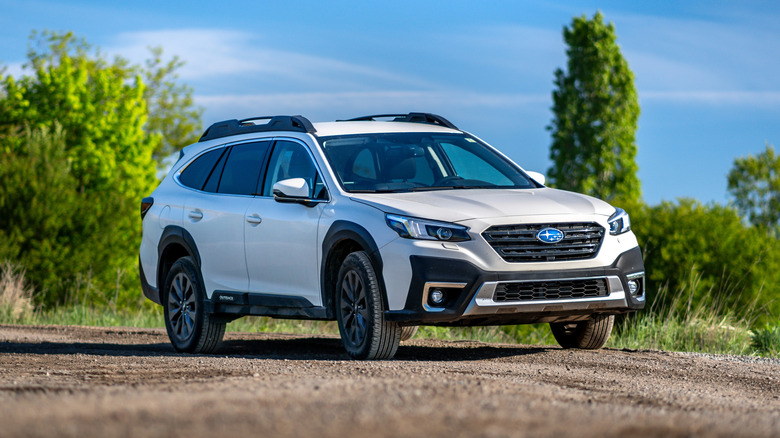
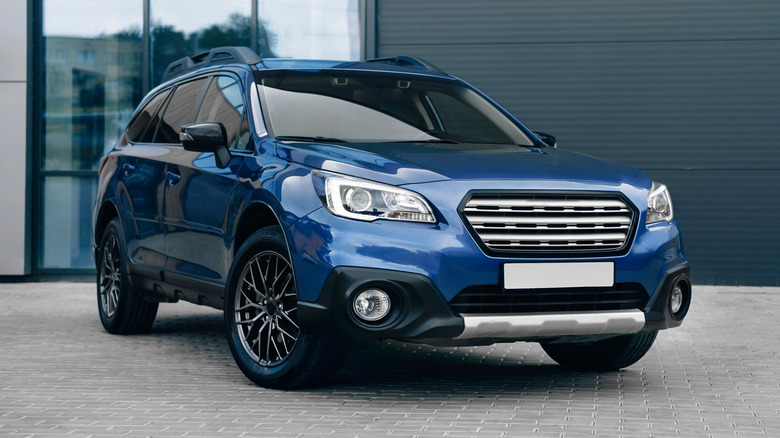
The Subaru Outback has received plenty of attention among the top-selling cars that are perfect for a retiree, but this senior-friendly model also displays tremendous resistance to depreciation. This well-received Subaru features a five-year value retention of 56.7%, according to CarEdge estimates, which means it loses 43.3% of its original cost within this timeframe. Assuming an owner initially paid $40,283 for the Outback, the resale value would hover around $22,832 following half a decade of typical use. That represents about $17,451 in depreciation. In 2025, drivers purchased 157,716 Outbacks, making it the 24th best-selling vehicle of the year, per KBB. CarEdge further estimates that this SUV generates a maintenance and repair bill of around $2,730 over five years.
If you're looking to purchase the 2026 Subaru Outback new, the starting MSRP is $36,445, as reported by Car and Driver. For a more affordable option, the 2022 model has a fair purchase price of $19,900, which has fallen from an original MSRP of $29,219, according to KBB. Perhaps the most well-known and distinguished feature of the Subaru Outback is standard all-wheel drive. Unlike SUVs that reserve all-wheel drive for higher trims, the Outback includes it as standard equipment. This helps deliver on the marque's reputation for off-road capabilities. Beyond that, the Outback is heralded for its spacious interior, comfortable front seats and rear row, and large windows for optimal visibility.
5. Subaru Forester
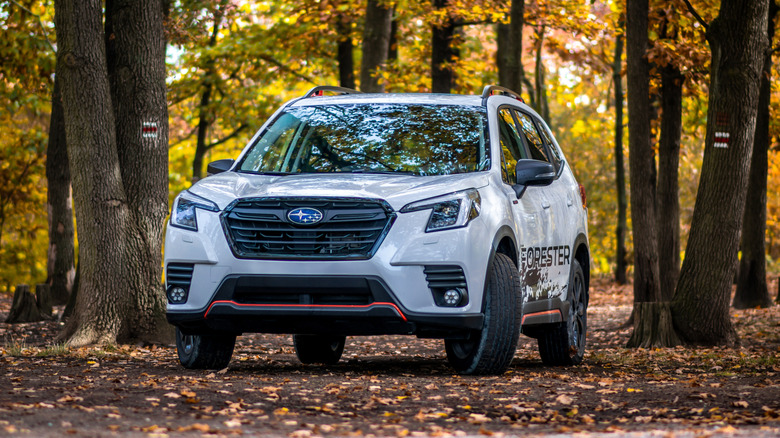
The Subaru Forester has a five-year value retention rate of 64.7%. On the flip side, this means the SUV loses 35.3% of its initial upfront price tag after half a decade of routine use, according to CarEdge. Let's assume a Subaru Forester was purchased for $39,062. At the five-year mark, CarEdge estimates a resale value of $25,269, representing $13,793 in depreciation during that period. KBB indicates that the Forester was the 20th top-selling model of 2025, with 175,070 units sold. The Forester has also been highlighted as one of the best Subaru models for retirees, thanks in part to its relatively affordable starting price and practical design. Still, these characteristics make it a worthwhile consideration for all consumers looking for popular SUVs that maintain more than half their value after five years. CarEdge further estimates that the Forester accumulates a five-year maintenance and repair bill totaling $2,718.
Car and Driver indicates that the 2026 Subaru Forester starts with an entry-level MSRP of $31,445. At the same time, KBB reports that a 2022 pre-owned model features a fair purchase price of $20,400, which has fallen from an original MSRP of $27,070. The Forester comes standard with all-wheel drive, so buyers don't need to move to a higher trim just to get the feature. While this comes with off-pavement ability, this vehicle's excellent outward visibility, roomy cabin, and smooth driving experience make it a solid choice for daily commutes, too.
4. Subaru Crosstrek
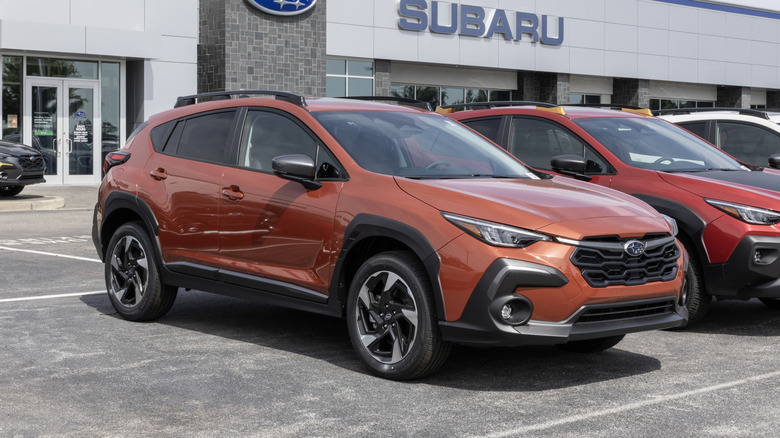
The Subaru Crosstrek has the strongest five-year value retention of the three Subarus on this list and was also the brand's best-selling model in 2025. CarEdge indicates that this model still carries 66.3% of its original cost half a decade into ownership, which means owners only give up about 33.7% of their initial investment. Put into tangible figures, a Crosstrek bought for $31,563 would be worth about $20,923 on the pre-owned market five years down the line, having only lost approximately $10,640 of its value. In addition to maintaining more of its worth, the Crosstrek also enjoys higher sales than its other Subaru counterparts, moving 191,724 units in 2025, per KBB, ranking 18th out of all vehicles. Undoubtedly, the Crosstrek is a reliable car that consistently outsells its competitors. Additionally, CarEdge shares that this SUV averages $2,643 in upkeep expenses over five years.
For the 2026 Subaru Crosstrek, buyers are looking at an MSRP of $28,445 for the model's entry-level trim, according to Car and Driver, making it the most affordable Subaru featured here. Simultaneously, shoppers can purchase a 2022 pre-owned version for $18,100, according to KBB, down from an original MSRP of $25,670. Practicality and functionality are core descriptors for the Crosstrek. Standard all-wheel drive gives the Crosstrek added traction in poor-weather and off-pavement conditions, while a spacious and comfortable interior makes getting around a cinch.
3. Jeep Wrangler
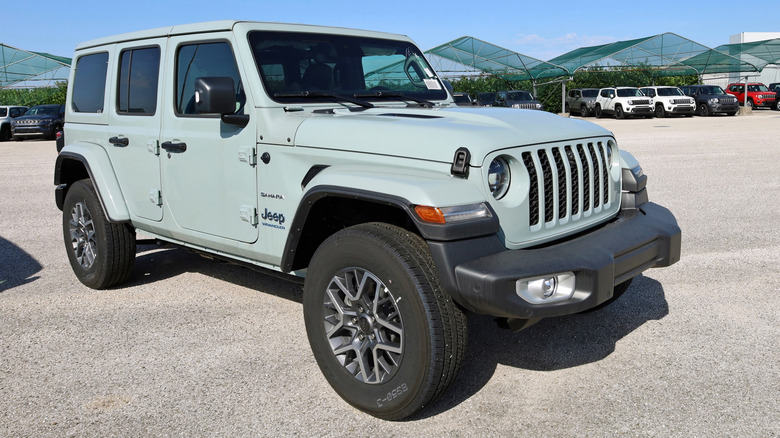
The Jeep Wrangler, the iconic American marque's famed nameplate, offers an appealing combination of popularity and value retention, holding onto much more than half of its value over five years. In fact, CarEdge estimates that this vehicle holds onto 70.7% of its original sales price after half a decade, meaning it only sheds about 29.3% of its value during this period. If you've ever wondered how quickly a car's value can depreciate after you buy it, CarEdge's model assumes an original selling price of $48,226 and projects roughly $14,116 in depreciation over five years, leaving a resale value of approximately $34,110. In terms of popularity, the Wrangler was the top-selling nameplate for the brand in 2025 and the 22nd best-selling vehicle in the entire market, with 167,322 units sold, per KBB estimates. Meanwhile, CarEdge projects that Jeep Wrangler owners spend about $3,505 on repairs and maintenance over five years, too.
The 2026 Jeep Wrangler comes with a starting MSRP of $38,030, per Car and Driver. For comparison, KBB lists a fair purchase price of $24,300 for a used 2022 mode, which is below an original MSRP of $36,630. The one-of-a-kind Jeep Wrangler is a niche SUV that offers a unique roof-and-doors-off thrill and off-road competence that loyal customers love, but which may not appeal to the broader population. Its extensive customization options and off-road capability are major parts of the Wrangler's appeal.
2. Honda CR-V
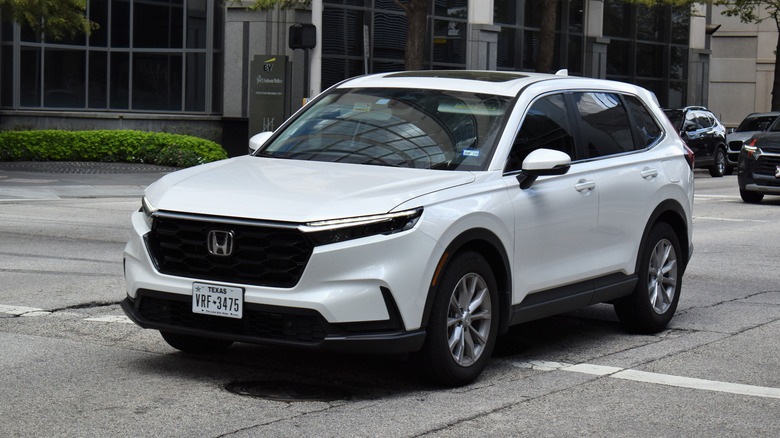
There may be a handful of cars that cost less to own than a Honda CR-V, but few offer owners as much resistance to depreciation as this popular model. More specifically, CarEdge projects this vehicle's five-year residual value at 71%, which means it sheds around 29% of its original sales price during this time. In more tangible terms, a CR-V would have an estimated resale value of $27,069 after five years of routine use if it had been bought originally for $38,131, representing a depreciation of $11,062. KBB reports that the Honda CR-V was the fourth top-selling vehicle in 2025 and the second-highest-selling SUV of the year, moving around 403,768 units. CarEdge estimates about $2,425 in maintenance and repair costs during the first five years.
Per Car and Driver, the Honda CR-V displays a starting MSRP of $32,470 in 2026 for those who want to buy new. If you're considering purchasing a used model, the pre-owned 2022 release features a fair purchase price of $23,800, according to KBB estimates, compared to an original MSRP of $29,545. The Honda CR-V is a jack of all trades. It's functional, fuel-efficient, comfortable, and affordable. Edmunds ranks it seventh among 19 small SUVs at the time of writing. The front seats, second row, and cargo area all offer generous space. Plus, the driving experience is streamlined and smooth.
1. Toyota RAV4
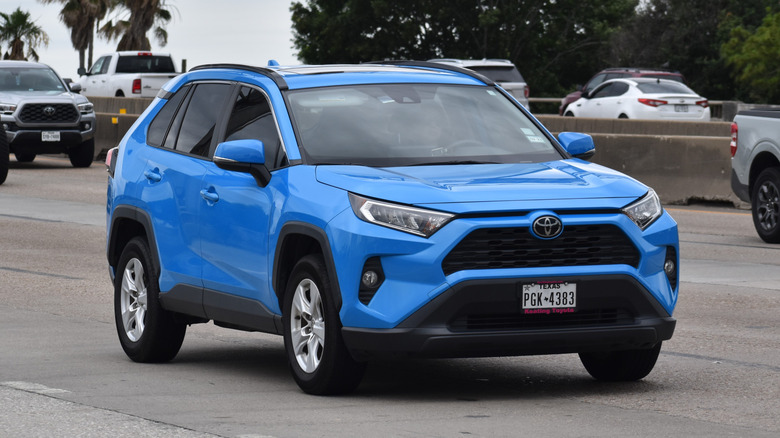
The Toyota RAV4 boasts an extraordinary synthesis between long-term depreciation resistance and market-wide demand, topping the list of popular SUVs that retain more than 50% of their value after five years. More specifically, CarEdge reports that the RAV4 holds onto 72.5% of its original value after half a decade of routine use, meaning owners only lose approximately 27.5% of their upfront investment during this period. In dollar terms, the RAV4 is projected to be worth about $27,315 after five years, assuming it was bought originally for $37,692. That represents an estimated $10,377 in depreciation. The RAV4 was also the third best-selling vehicle and best-selling SUV of 2025, with 479,288 units sold, according to KBB. This SUV also exhibits relatively modest upkeep expenses, with repairs and maintenance reaching $1,938 at the five-year mark, according to CarEdge. Sure, you can find some cars with lower repair costs than the Toyota RAV4, but this SUV's combination of popularity and depreciation resistance is tough to match.
The 2026 Toyota RAV4 has a starting MSRP of $33,495, according to Car and Driver, which partially explains its status as one of the top-selling vehicles in the world. KBB estimates suggest that the 2022 pre-owned model features a fair purchase price of $25,100, down from an original MSRP of $29,550. The redesigned 2026 RAV4 now comes exclusively with hybrid powertrains, giving buyers strong fuel economy for the compact SUV class. Additionally, the model is known for its sizable interior, smooth ride, and optimal outward visibility. Edmunds ranks it third out of 19 small SUVs.