

2026 Retirement Destinations In The US, Ranked Worst To Best

According to Social Security Administration data, approximately six million people began collecting benefits in 2024. With this in mind, it's fair to say that millions of Americans leave the workforce each year and, at that point, will hopefully have decided where and how to spend their retirement years. AARP revealed in an annual report that approximately 45,700 retirement-aged Americans relocated to sunny Florida in 2025. This isn't too surprising, as Florida has long been a popular retirement destination. However, there's more to the story.
AARP also revealed that roughly 44,900 retirees moved away from Florida within the same period. Reasons included rising costs, particularly for property and home insurance. So while Florida remains a traditional hot spot for retirees overall, shifting trends suggest that seniors are beginning to look elsewhere in the United States. Instead of simply prioritizing sunshine and relaxation, but also places where their dollars go further, with tax-friendly reputations, as well as qualities like low crime and strong healthcare infrastructures.
In weighing factors like cost, healthcare, crime, ease of travel, and more, it is clear that some cities are nightmare destinations for retirees, while other locations represent an excellent fit. With this in mind, here's our 2026 list of retirement destinations in the U.S., ranked worst to best.
10. Hempstead, New York
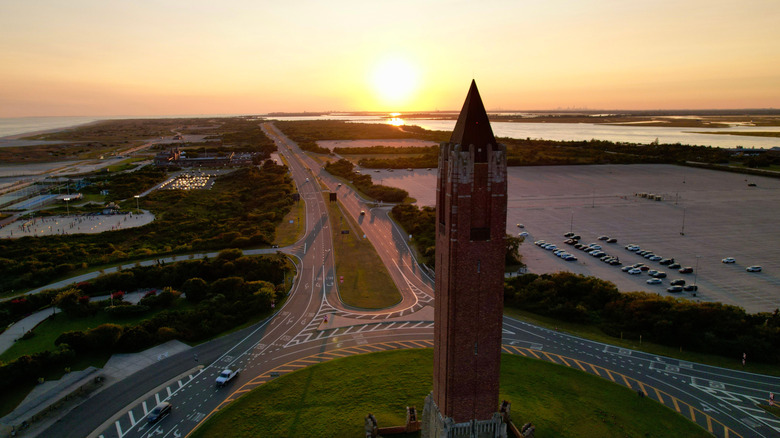
Hempstead, New York is likely the worst option for Americans weighing retirement destinations. This Long Island location is indeed home to approximately 59,569 people, and, per U.S. Census Bureau data, about 13.2% of the local population is 65 or older. Even so, there are a few key reasons why Hempstead can be considered a horrible fit for the average retiree.
As it turns out, Hempstead is not at all a good fit for retirees who are hoping to save as much money as possible while living on a fixed income. RentCafe estimates Hempstead living costs are 8% higher than the state; the cost of living is also 36% more than the national average. According to Zillow, the local median home price is $627,531, representing a 4.1% year-over-year increase. In some neighborhoods like North New Hyde Park or Garden City Park, Zillow estimates house buyers should expect to spend at least $1 million. Even so, you may still struggle as there aren't many new homes listed, meaning that competition is fierce. Locals must also contend with high local and state property taxes.
Parts of the area carry a reputation as unsafe for pedestrians and bike riders. As AARP notes, walkability matters a lot to some retirees. Not being able to safely walk around town can certainly be a deterrent to relocating there. Furthermore, Niche reviewers gave the city a D+ rating for crime, both violent and property-related. Overall, Hempstead is very far away from being a dream destination for the average American retiree.
9. Albuquerque, New Mexico
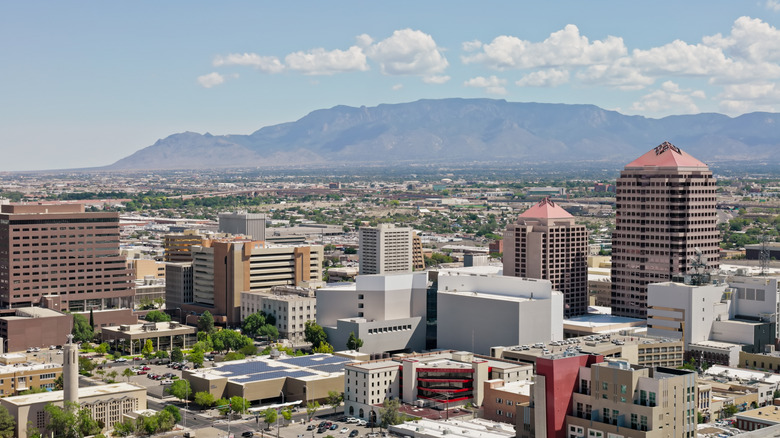
One thing that many people can agree on is a desire to live a comfortable life in a safe environment. It wouldn't make for a very enjoyable retirement if you must constantly contend with concerns related to violence or property theft. In considering the worst destinations for American retirees, Albuquerque, New Mexico, is probably a poor fit due to prominent safety concerns.
Albuquerque is no small, sleepy town. The U.S. Census Bureau estimates the total population to be 560,326 people. While Niche gives Albuquerque high marks for nightlife and diversity, there's no getting around the D+ rating for crime. To this day, the city endures an ongoing struggle with crime and violence. Yet, if one looks deeper, there are a few very negative contributing factors driving this ongoing concern. Per Wired New Mexico, much of this problem is tied to a high poverty rate, major drug activity, and an understaffed police department.
Government census data confirms that at least 15.5% of area locals live in poverty. Meanwhile, the U.S. Drug Enforcement Agency (DEA) considers Albuquerque to be in the midst of a major drug crisis. Though current census data suggests a significant portion of the local population is either at retirement age or close to it, retirees on the hunt for ideal retirement destinations shouldn't be looking at Albuquerque.
8. Greenwood, Mississippi
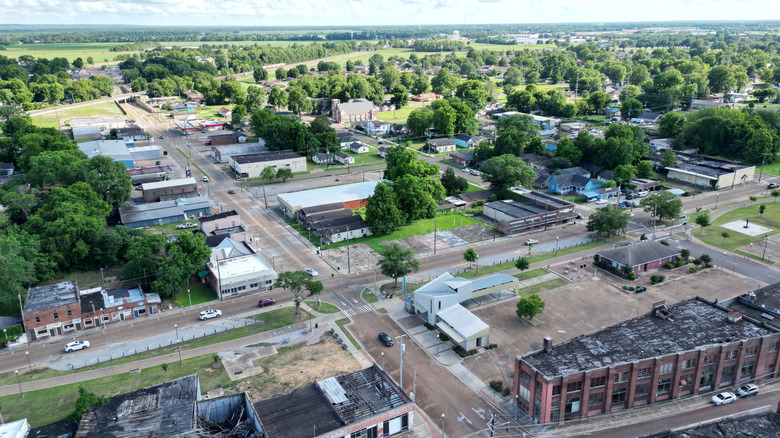
One might initially mistake Greenwood, Mississippi as an okay choice for a retirement move, if only because of perceived affordability. For example, Zillow estimates the average house here costs $87,553. Though Zillow only lists several rentals, the average price is $400 per month. Lastly, BestPlaces reports that the local cost of living is about 34.1% less than the national average. It's understandable that some retirees prioritize finding the cheapest place to live comfortably; however, there are other factors that shouldn't be ignored.
Per federal census data, approximately 13,627 people live in Greenwood, Mississippi. Yet, about 28.4% of the local population lives below the poverty line. This becomes especially disheartening when one realizes that approximately one out of five residents is 65 years of age or older. Meaning, not only is Greenwood a place where a significant number of residents struggle to meet cost of living needs, but a sizable portion of those individuals are likely older residents.
Another reason that retirees should pass on Greenwood, Mississippi, is that it's a poor fit for older Americans who prioritize quality healthcare. The local healthcare infrastructure is currently struggling. In April 2026, the Mississippi Free Press reported that the Greenwood Leflore Hospital laid off 86 employees. It also ended after hours care, closed the wellness center, and shuttered both the outpatient and cardiac rehab services. As it stands, living costs are low, but Greenwood is likely not going to offer ideal quality of life to retired Americans.
7. Milford, Delaware
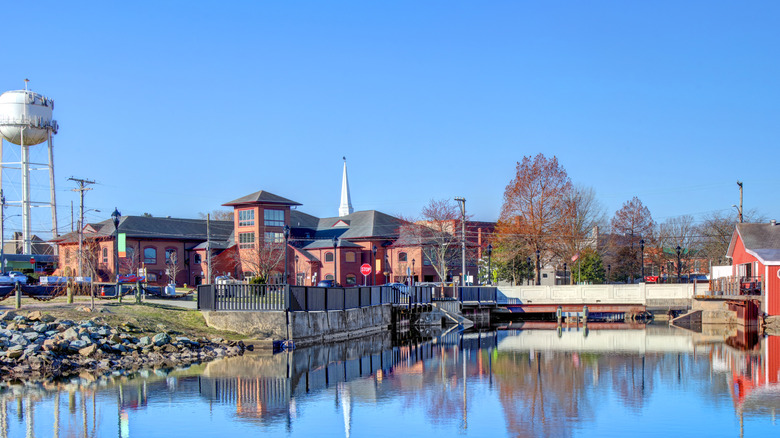
Milford, Delaware is a retirement destination that could be a great fit for retirees wanting to enjoy a slower pace of life. With a reported population of 14,079, according to the U.S. Census Bureau, Milford very much gives "small town vibes." And yet, Milford is only a few hours' drive away from local beaches. It's also not too far away from major cities like Washington, D.C. or Philadelphia.
As Milford is located in Delaware, it comes with its share of tax-related benefits. The state is a popular destination for many retirees as there's no sales tax or taxes on Social Security. Retirees moving to Milford will also find it already has a sizeable retirement-aged population. Per U.S. Census Bureau data, around 23% of the city's population is 65 or older. Lastly, Milford has an excellent healthcare infrastructure. There's the Bayhealth Hospital, Sussex Campus in the southern region of town, which offers geriatric medicine and palliative care aimed at improving quality of life for seniors with serious long-term illness.
These benefits aside, Milford may not work for everyone. The city scored a C+ for crime on Niche as some areas of the city are known for higher rates of violent or property crime. According to Zillow, Milford homes cost an average of $343,315, an increase of nearly 1% year-over-year. It also makes them only $20,000 or so cheaper than the national average. Rather than offering a uniformly pleasant experience, Milford, Delaware is a place that could be a great retirement destination depending on where in the city you settle down. Moving here could work out well if you do your research.
6. Sun City West, Arizona
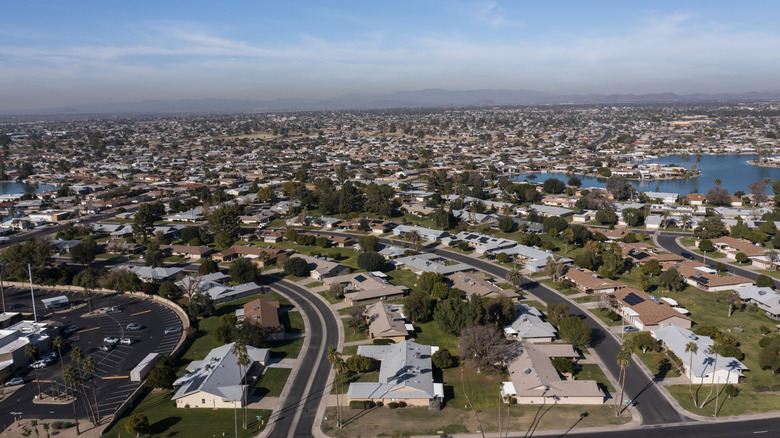
Arizona is a state that previously competed with Florida and Texas as a top retiree destination. It's a state that offers perpetual warmth and sunshine, great for those aiming to avoid cold weather ailments. Yet, as Arizona PBS reports, the rising cost of living and expensive housing have caused the state to lose its reputation as the "mecca for retirees."
Even so, Arizona has a pre-existing retirement infrastructure, and Sun City West remains a highly recommended destination for retirees. For instance, Niche ranked it the 5th best place to retire in Arizona as of 2026. Sun City West residents enjoy it due to a range of activities for seniors, including several golf courses as well as tennis and pickleball courts. Reviewers on Niche also mentioned "an abundance of medical facilities and hospitals." Moreover, because Sun City West is a community for those near or at retirement age, it will be very easy to build friendships and spend time with fellow retirees.
The only major drawback for Sun City West will be associated with living costs. BestPlaces estimates Sun City West's cost of living is 13% higher than the national average. That said, Arizona does not tax Social Security benefits or military pensions. You can also claim deductions of up to 25% on long-term capital gains. In other words, with careful planning, you may offset some costs that make Sun City West a bit too expensive. Sun City West is a safe, warm city with excellent amenities. For those wealthier than the average retiree, it's definitely a top retirement destination.
5. Venice, Florida
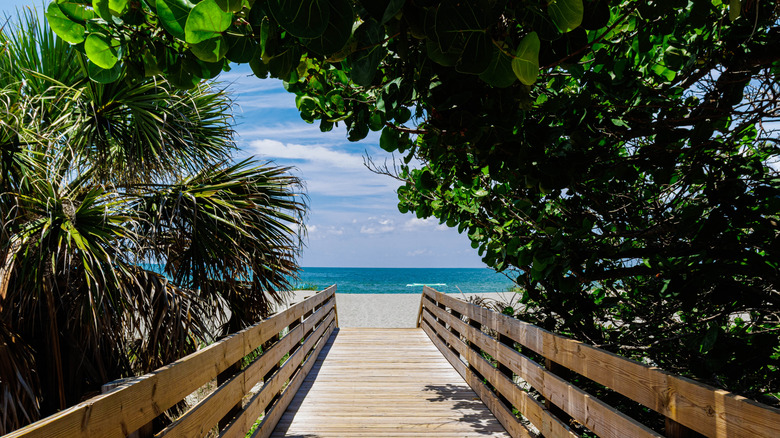
Venice, Florida is similar to Sun City West in that it offers a solid pre-existing retirement infrastructure thanks to a largely retirement-aged population. Thanks to the weather and the tax-friendly nature of Florida overall, it had long been the top retirement destination for many Americans. Yet, similarly to Arizona, Florida isn't uniformly viewed as a great place to retire. Issues like coastal flooding and difficulty obtaining insurance have caused retirees to regret moving there. But those who are keen on Florida may find that Venice is a solid choice to settle down.
Venice, Florida is similar to Sun City West in that it offers a solid pre-existing retirement infrastructure thanks to a largely retirement-aged population. It boasts a local population, per U.S. Census Bureau data, of about 29,902 people. Of that number, about 61.4% is at least 65. If quality healthcare is of concern, you'll be happy to know Venice offers direct access to Sarasota Memorial Hospital, an award-winning healthcare facility. If you want beachfront property, you can find it here, though Venice also offers inland "no flood zones." This will allow access to nearby beaches with a chance to avoid insurance-related headaches.
There is an unavoidable downside to moving here: cost. Per both Payscale and BestPlaces, Venice's living costs are at least 5% higher than the national average. If you move to Venice, you can expect to pay more for groceries, utility bills, and housing than in most other U.S. cities. Still, Venice is a lovely town. For Americans with sizeable nest eggs, it could be prove to be a wonderful retirement destination.
4. Claremont, New Hampshire
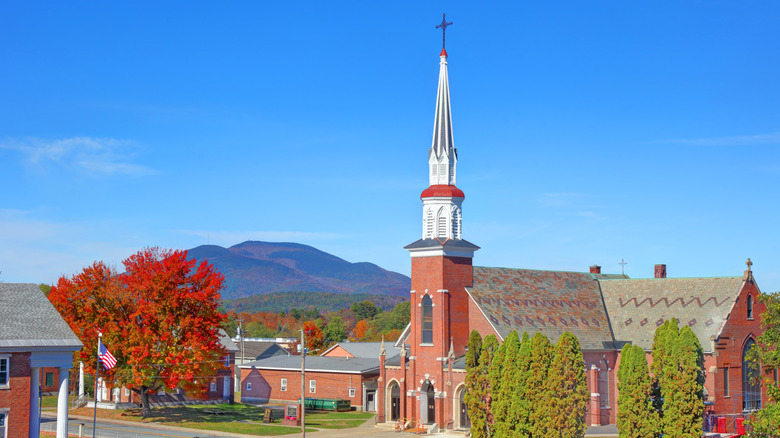
Claremont is either going to be a decent or terrible fit for you as a retiree depending on your finances and other priorities. There's no denying that the state of New Hampshire overall is a top choice for retirees, as roughly 20% of the population is made up of retirement-aged individuals. Claremont falls in nicely with this figure, as U.S. census data indicates about 20.8% of the local population is 65 or older.
Some retirees may like that Claremont is located in a tax-friendly state; New Hampshire does not charge sales taxes or personal income taxes. With a population of 13,105 people, Claremont is a low crime area with a small-town feel that's perfect for retirees seeking a slower pace of life. The area experiences all four seasons, so retirees won't necessarily have to contend with extreme temperature changes. Claremont is also garnering a reputation for affordable living relative to the rest of New Hampshire and even nationwide. According to BestPlaces, the cost of living here is 15.8% lower than the state average and 10.1% beneath the national average.
While New Hampshire doesn't have a personal income tax, the state makes up for the money lost here by placing incredibly high taxes on personal property. In fact, the Tax Foundation finds that property taxes here are among the highest in the country. BestPlaces also recommends a household income of at least $3,133 per month; if you're aiming to spend $2,000 or less, this wouldn't be a good fit. Still, if your budget allows, Claremont could be a wonderful retirement destination.
3. Aberdeen, South Dakota
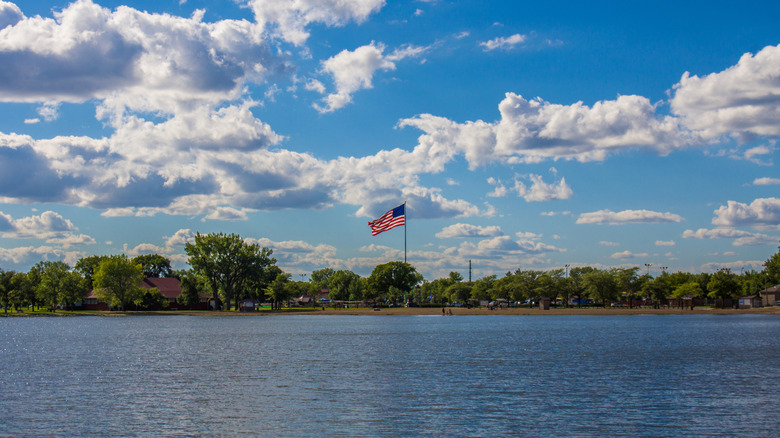
While some states aren't as preferred by retired Americans as they once were, South Dakota is starting to garner some attention from retirees. According to BestPlaces, the state offers a 10.7% lower cost of living than the rest of the country. There's no state income tax, so you won't pay taxes on Social Security or other retirement income. While South Dakota is potentially an affordable retirement destination overall, we think Aberdeen specifically could be a great fit.
Aberdeen doesn't have a large retirement-aged population compared to other cities on our list. However, there are a few noteworthy advantages to living here. BestPlaces estimates the overall cost of living to be 21.6% less than the U.S. average; BestPlaces also estimates homes here are priced 35.3% lower than the rest of the country. If renting, the median rent price is about $850 or 40% below the national average. Aside from affordability, Aberdeen provides a range of senior resources for older area residents. Lastly, it's a regional hub for access to quality healthcare services.
Perhaps the most notable drawback for moving to Aberdeen, South Dakota is weather-related. The city experiences warm summers and mild spring months, but winters can get harsh. According to Weather Spark, temperatures often dip to 6 degrees Fahrenheit in January. A possible remedy is to take the funds you save on living costs and spend the winter in a warmer climate. Whether you opt to travel or stay local, you may find that Aberdeen is worth the move.
2. Sebring, Florida
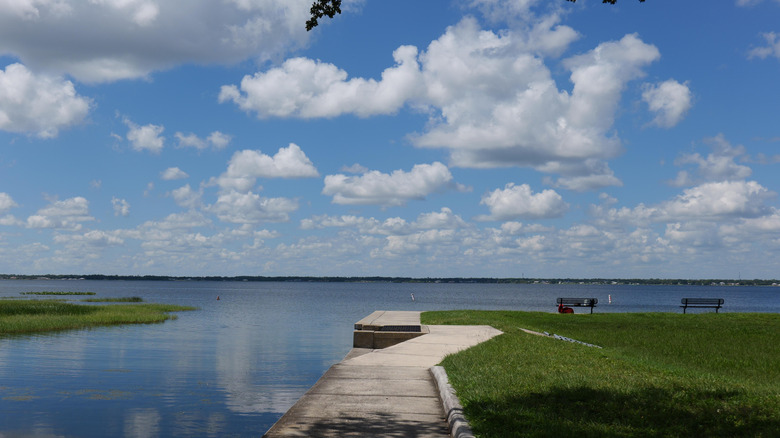
Even as retirement trends change and some areas of Florida fall off lists as desirable destinations, Sebring is an all-around great choice for retirees. It is one city in the region we find that checks all the major boxes for retired Americans. About 11,795 people live in Sebring; per U.S. census data, about 26.4% of the city population is at 65 or older. This suggests a strongly embedded community of retirees.
Zillow claims Sebring's median home price is $238,872 a 2% year-over-year decrease in cost. Zillow likewise estimates rentals cost $1,550 on average. Apartments.com finds the average rent to be much lower at $851. Final costs may ultimately come down to the size of your rental and the neighborhood, but at the very least, you should be paying less than the national average. Moving here also brings with it excellent weather, great nightlife, and a diverse community. Retirees in Sebring get access to several key hospitals and clinics, including Highlands Regional Medical Center and AdventHealth Sebring. Both facilities provide high-quality care at all hours.
There are a few neighborhoods to avoid, but per CrimeGrade.org, the southern part of town is generally the safest overall. All things considered, Sebring is a great option for retirees seeking sunshine, relative affordability, tax benefits, good healthcare, and a relaxed pace of life.
1. Cheyenne, Wyoming
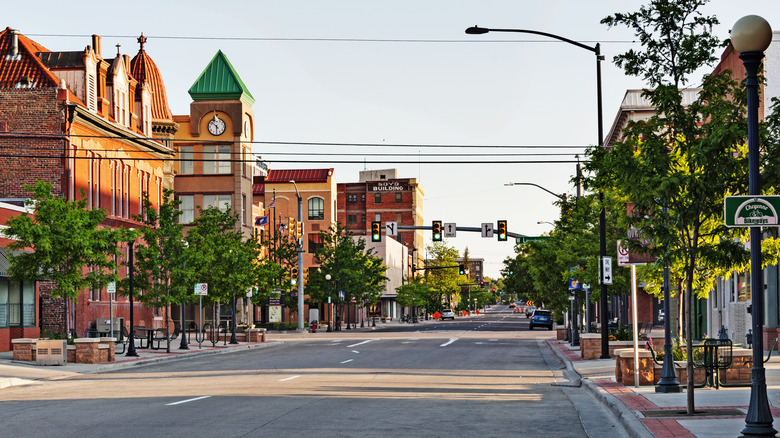
Alongside South Dakota, Wyoming is another state that's enjoying a reported uptick in interest from retirees. In 2023, BizInsure released a study showing that Wyoming had the highest positive move-in trend among Americans 65 or older. Rates were reportedly 75% higher than second-place South Carolina. The results seem to indicate retirees are broadening their horizons and weighing factors far beyond sunny weather. For instance, some think Wyoming is the most tax-friendly state. Property taxes are also among the lowest in the nation.
If coming to Wyoming, you may be tempted to locate to a remote rural town to enjoy cheaper living costs. However, we think retirees weighing a move should look more closely at Cheyenne. It's not only the capital, but also the most populous city in Wyoming. Additionally, as a larger city, Cheyenne gives residents more immediate access to healthcare. Cheyenne Regional Medical Center serves as the primary medical center for the area. It offers senior-specific care, including dementia and Alzheimer's treatment.
Per Apartments.com, living costs are slightly above the national average by 0.7%. You may also spend a little more for groceries and housing, though utilities cost about 4% less than in most U.S. cities. Yet lower tax payments and related exemptions could offset expenses in the long run. This could be the thinking of retirees who are choosing to flock to Wyoming over other expected destinations. If so, now may be the time to relocate to Cheyenne, while it's still somewhat under the radar.