

The Cheapest Places To Retire In The US For 2026 (So Far)

Affordability is perhaps the most important consideration for retirees when choosing where to settle down. After all, retired Americans typically rely on fixed incomes made up of a combination of retirement savings, investments, pensions, and Social Security benefits. According to the United States Census Bureau, the median yearly income for those 65 and older is $56,680 as of 2024. Meanwhile, Empower reports the average retirement savings balance in 2026 is $547,840. While neither of those figures are insignificant, there's a large portion of retirees living with considerably less.
Many retirees are increasingly seeking cheaper cities to live in because the quality of their golden years is entirely dependent on how far their fixed incomes can stretch. Consider that a 2025 TransAmerica Institute survey determined 32% of respondents expect to rely on Social Security as their primary source of income. Similarly, a 2024 Senior Citizens League poll revealed 27% of those surveyed relied entirely on Social Security benefits to cover living expenses. Moreover, AARP previously reported that about 20% of Americans aged 50 and over lack meaningful retirement savings, so it's understandable why retirees would be inclined to relocate to areas with very low living costs.
We ultimately created our list of the cheapest places to retire in the U.S. (so far) based on factors such as cost of living (COL), affordable housing, and other expenses. In the end, we found a wide selection of destinations that offer an affordable cost of living and their own unique charm.
Augusta, Georgia
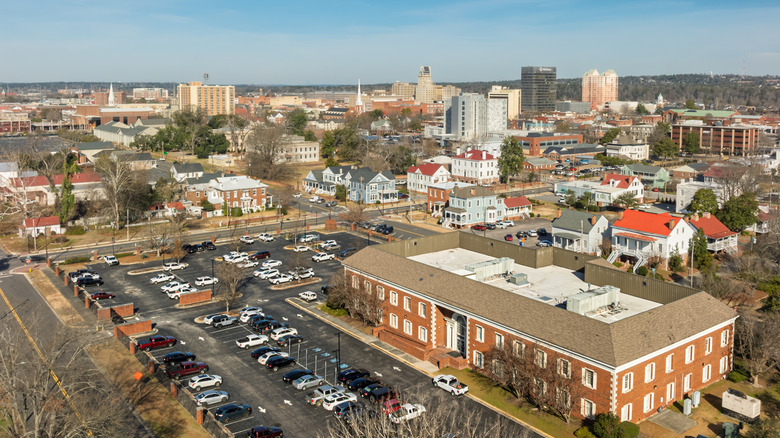
Augusta is a charming Georgia city situated along the Savannah River. The total population, per Census Bureau data, is around 201,990 as of 2025. Augusta is not only among Georgia's largest cities, it's also one of the oldest in the state. It's a great option for retirees seeking to settle in an area with both comfortable summers and fairly mild winters. And if you're a golf fan, it also famously hosts the Masters Tournament.
According to BestPlaces, Augusta's COL is about $36,800 per year for a single person. BestPlaces also estimates Augusta to be 20% less expensive than the national average, with living costs 15.3% lower than the statewide average. For retirees looking to buy a home, Zillow reports the average Augusta home sells for $189,027 as of this writing. While Redfin's reported median sales price is slightly higher, at $219,868, that's still considerably less than $403,200 the Federal Reserve reported as the national median cost of homes throughout the U.S. in Q1 2026. For renters, Apartments.com finds the average rental costs $1,122 per month, with the average studio price sitting at $938 monthly.
Apartments.com also expects those who live here will pay less for healthcare (8.9%), groceries (3.5%), and goods and services (6.5%) than the national average. That said, you may have to pay an average of 4.4% more for monthly utilities. Some also note that it's not a particularly walkable city, and you need a car to get around. Those cons aside, Augusta has a lot to offer, and is a reasonably affordable place for retirees to settle down.
Winterville, North Carolina
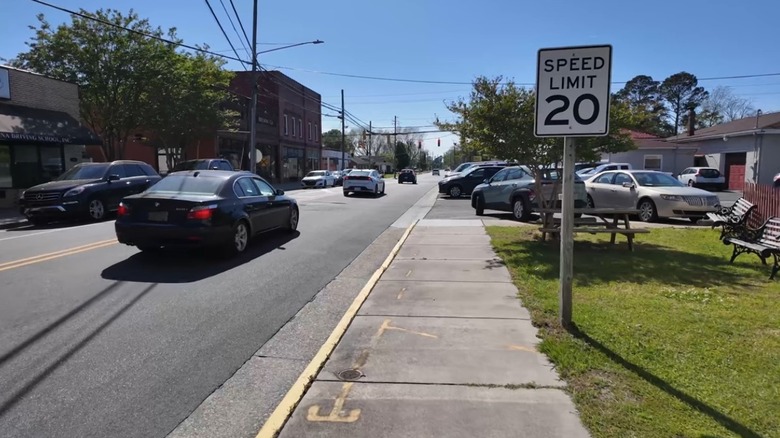
Winterville, North Carolina, is a great option for retirees seeking a more small-town vibe, as it has a population of about 11,393 people, per the town's website. Likewise, it's great for anyone who prefers to live in a suburb but still wants access to a large city, as Greenville, North Carolina, is about an 18-minute drive away.
SafeWise ranked Winterville No. 8 on its list of safest cities in North Carolina, and Salary.com estimates the current cost of living to be about $32,168 per year for individuals — a figure the town reports to be about 9.9% below the national average. For house hunters, Redfin reports the median sale price is approximately $315,000; Zillow, meanwhile, estimates the average home value is $279,937. For renters, Winterville apartments typically cost around $1,113 monthly, which Apartments.com notes is about 32% lower than nationwide median price. For retirees concerned about healthcare access, Greenville's Eastern Carolina University Health Medical Center is within driving distance.
Winterville is known to be pleasant, safe, and affordable, and enjoys a fairly mild climate. It's also relatively close to beaches. Winterville's website reports the town is growing at a rate of roughly 1,000 people per year, suggesting more and more people are becoming aware of this affordable hidden gem. So, moving on the sooner side could certainly be wise if you want to find a home while pricing is still relatively lower than the national average.
Eagle Pass, Texas
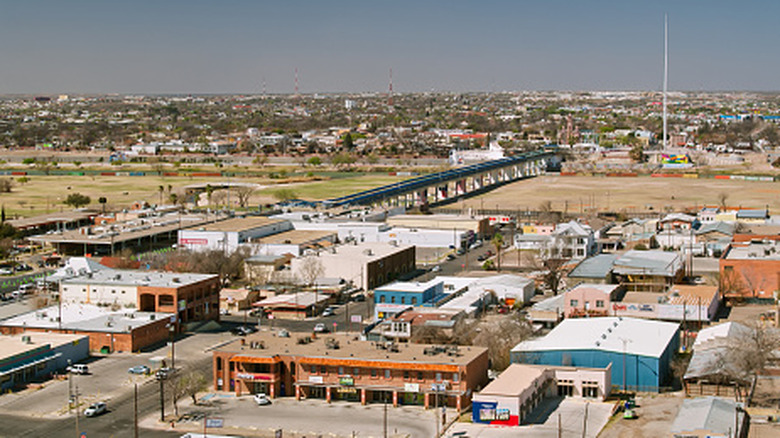
With a population of about 28,926 people, Eagle Pass is a thriving small Texas city and currently holds the top spot on U.S. News & World Reports' list of the 25 cheapest places to live in the United States. Digging a bit deeper into the Texas town, we can see why.
Per BestPlaces, Eagle Pass is not only 15.5% less expensive than the average Texan city, but it's 20.4% cheaper than the U.S. average as well. Individuals living here can expect living expenses of around $2,800 per month, or $33,600 annually. BestPlaces finds Eagle Pass is even cheaper for families, estimating their annual living costs to total $29,520. Zillow reports that Eagle Pass homes are valued at around $232,657. Redfin, meanwhile, estimates the median sale price to be around $315,000. If renting, you should expect to pay about $1,000 per month, though Apartments.com estimates a three-bedroom can go for roughly $1,321 monthly; U.S. rent, by comparison, costs an average of $1,644 per month, so this is quite the bargain.
While Eagle Pass offers cheaper housing, some sources claim residents pay slightly more than the national average for groceries — though BestPlaces still estimates this expense to be cheaper. Utilities are also thought to be slightly pricier here. However, Eagle Pass does hold the advantage of being in a state that doesn't tax income or Social Security benefits, which could free up more of a retiree's income to cover additional living expenses. Additionally, Eagle Pass reportedly serves as the medical hub for much of the surrounding area, making it an ideal choice for retirees who prioritize quality healthcare access.
Casper, Wyoming
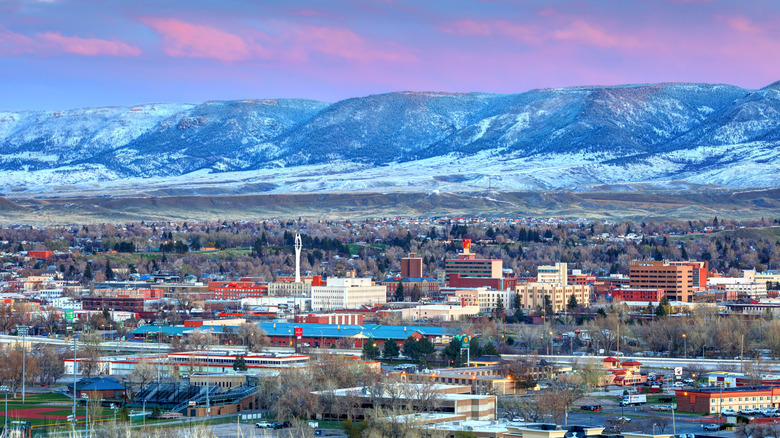
Casper is a scenic Wyoming city that might be best known as one of the finest fly fishing destinations in the United States. But Casper isn't just a laid back, rugged small town, it's actually home to Casper College and several other university campuses. So, this city could be an ideal place for retirees looking for a vibrant college town. In terms of affordability, BestPlaces reports the COL is $32,000 per year.
Per Zillow and Redfin estimates, median and average home sale prices sit around $311,000 and $305,000, respectively. Meanwhile, Apartments.com finds local rentals cost about $1,008 per month, with a general cost range of about $810 to $1,436, depending on the size of the apartment. In addition to featuring housing costs almost 25% less than you'll find in much of the rest of the country, Apartments.com also reports Casper offers significant savings on transportation and goods and services like clothing or entertainment. Groceries are also projected to cost slightly less than average here. Though moving to Casper will lower expenses for the most part, the one area they'll likely increase is healthcare, which Apartments.com estimates to be 4.1% more expensive than the national average.
As inconvenient as this expense is, especially for retirees who prioritize medical care, the good news is that Wyoming doesn't charge state income taxes. Between this policy and the area's lower living costs, moving to a cheaper city like Casper could ultimately help your retirement dollars stretch significantly in the long term.
Fort Wayne, Indiana

Fort Wayne already has a solid reputation as one of the most affordable cities in the U.S. for people of all ages. The Indiana city was previously profiled by U.S. News & World Report, and the website ranked it the No. 1 most affordable city in America between 2024 and 2025. Though Fort Wayne has a population of about 275,303, per Census Bureau data, it still offers a low-enough cost of living to put it within the price range of many retirees.
According to BestPlaces, Fort Wayne's cost of living is about $2,600 monthly for an individual, or $31,200 per year. The site also estimates Fort Wayne to be 18% less expensive than most U.S. cities. Per Apartments.com, the median rent price per month is approximately $1,004. As for homes, Redfin reports the median sale price is $224,865, while Zillow reports the average sale price for houses in the area comes out to $278,474. With a Walk Score rating of 27 out of 100, it's worth noting Fort Wayne is a largely car-dependend city. That said, depending on where you live in the area, you may still find certain neighborhoods that prove to be fairly walkable.
Altoona, Pennsylvania

Altoona, Pennsylvania, is an ideal retirement city thanks in part to how affordable housing is. Rent prices here, per Apartments.com, reportedly average around $941 per month. Likewise, Zillow reports the average house sells for just $144,576 as of this writing, while Redfin estimates the median sale price in the area to be around $141,166. For cost of living, the Economic Research Institute calculates that Altoona costs about 10% less than the state average and 11% less than what's standard for the U.S. as a whole. Likewise, Livingcost.org estimates Altoona residents spend $1,959 per month on living expenses, or about $23,508 per year.
As of summer 2025, Altoona is thought to be home to approximately 42,347 people, per the Census Bureau. Altoona has a 54 out of 100 rating on Walk Score, suggesting some areas of the city are highly walkable, though the city as a whole may require a car to effectively get around. If healthcare access is a priority, retirees will be glad to know Altoona houses a wide selection of quality facilities and services.
Sebring, Florida
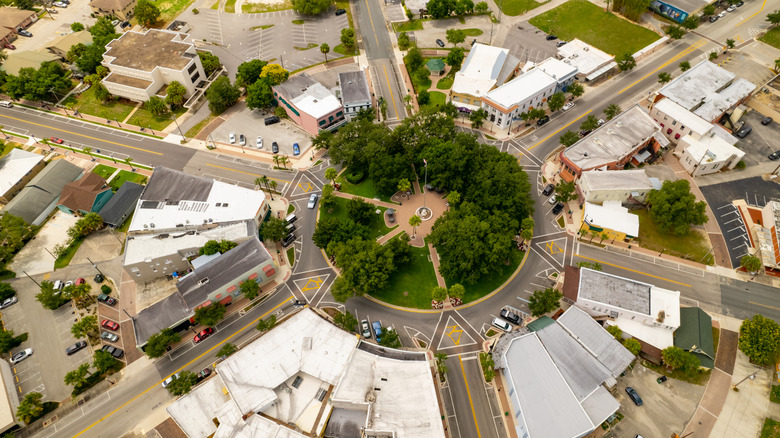
We previously profiled Sebring as one of the most affordable cities in Florida and as one of the best retirement destinations in the U.S. So, it's not too surprising it also made our roundup of the cheapest places to retire in 2026. With a population of 12,059, per the Census Bureau, Sebring is a charming small Florida town that offers many of the things that retirees look for. After all, it's in Florida, one of the warmest U.S states that's likewise famous for its sunny weather.
According to LivingCost.org, Sebring's monthly cost of living is $1,750 for an individual, or roughly $21,000 a year per person. This pricing earns Sebring a spot near the bottom of the website's lists of the most expensive cities in both the U.S. and the state of Florida. For those interested in purchasing a home, Sebring's median price sits at around $210,000, per Redfin, while Zillow reports the average house sells for around $241,650. Renting is also exceptionally affordable in Sebring, as Apartments.com reports that some studio apartments have a median price of $562 per month. Across sizes, Sebring apartments overall cost around $852 per month.
Outside of housing, Sebring, Florida, is also affordable in other ways. For instance, Sebring earned Walk Score ratings of 72 out of 100 for walkability and 71 out of 100 for bike riding. So, if you wish to save money by not owning a car, it's very doable in Sebring.
Douglas, Arizona
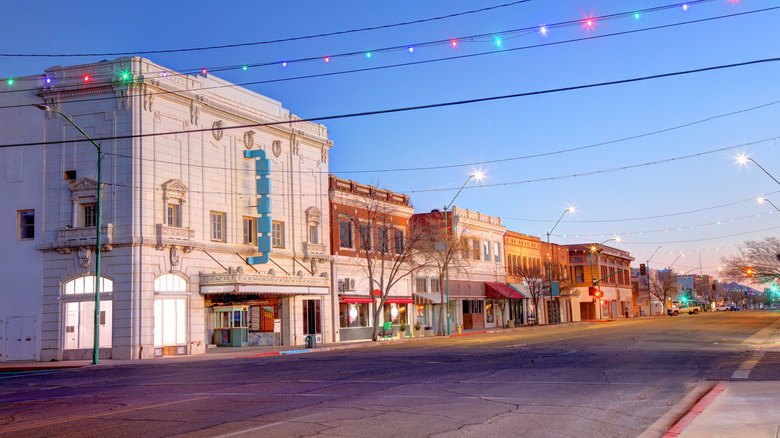
As with Florida, Arizona remains another state that has long been popular with retirees. As of July 2025, the U.S. Census Bureau reports that nearly 20% of the state's total population is 65 or older. The state offers warm, sunny weather year round, and a solid retiree-centric healthcare structure. That said, in recent years, Arizona has seen its overall cost of living climb to such a degree, some wonder if it's worth moving there for retirement. Still, we think Douglas is one Arizona town that remains affordable enough for consideration.
With a population of about 16,038, per the Census Bureau, Douglas is a small semi-arid city located nearly two hours southeast of Tucson, Arizona. Douglas's cost of living, per BestPlaces, is about $27,600 per year. On average, homes sell here for about $176,804, per Zillow, while Redfin puts the median sale price at about $230,000. For renters, Apartments.com estimates you'll pay an average of $805 per month.
Douglas is, according to BestPlaces, about 15.2% less expensive than the national average, while costing approximately 20.3% less than Arizona as a whole. As such, Douglas is a great option for retirees who fear spending too much money to live well in this Southwestern state — especially if they're looking for easy access to stunning natural landscapes.
Saginaw, Michigan
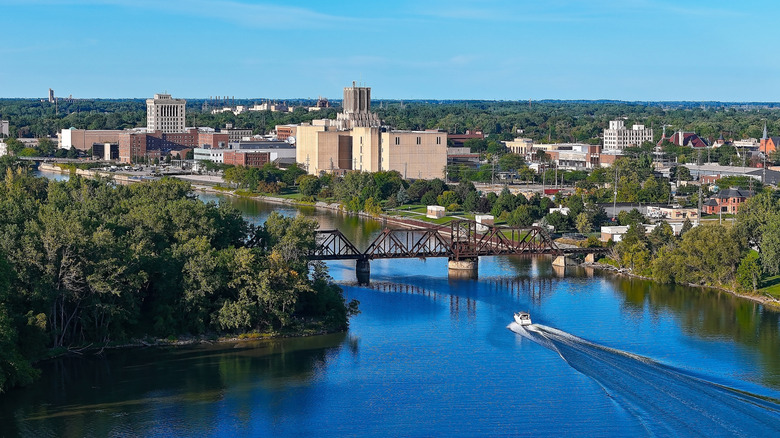
Saginaw is a midwestern gem that was previously recognized by U.S. News & World Report as one of the best places to live in Michigan. With a population of 42,863, per the Census Bureau, we also think it's one of the cheapest options for retirees looking to relocate. BestPlaces estimates Saginaw's living costs to be $26,800 per year for a single person, working out to $2,233 per month. Based on this, BestPlaces reports the city to be 53.2% less expensive than the national average.
Apartments.com states you'll spend about $882 per month on a rental. That said, you may find studio apartments in Saginaw for as low as $638 per month, making it possible to find a place well below the $1,644 national rental price. Though still very affordable, Apartments.com did note a 3.7% year-over-year increase in the area's rent prices from June 2025 to June 2026. But if you're buying a house, you'll be pleased to know Saginaw homes are quite affordable; Zillow estimates the average sale price is $132,887, while Redfin projects the median sale price to be around $85,000.
Affordability aside, Saginaw sees immense cold and snow in the winter, and the heat of summer also hits the area with full force. If cold weather is an absolute deal-breaker, then you may want to look to a different state. However, the Saginaw is so affordable that some retirees looking to spend winter in a warmer area might wind up with enough cash leftover in their budget to do so.
Youngstown, Ohio
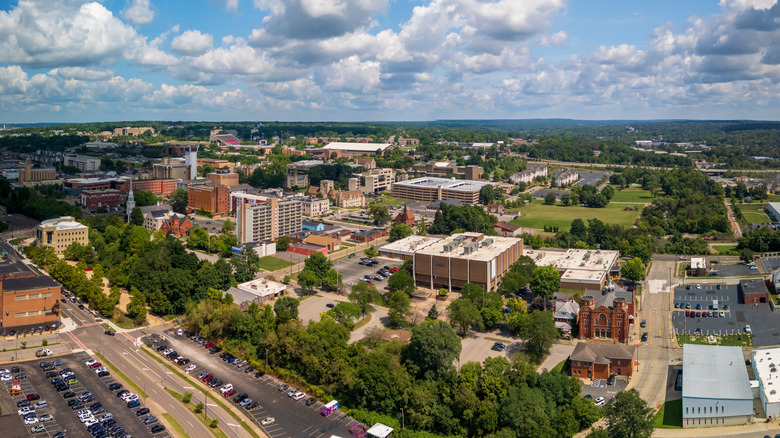
There are a lot of great and affordable places to settle down in Ohio, but the cost to get by in Youngstown could prove especially attractive to retirees. According to the Census Bureau, it houses a population of 58,832 people as of 2025. It's also home to several schools, including Youngstown State University, making this small city another great fit for retirees seeking an engaging college-town vibe.
Youngstown homes are very cheap, sitting well below the national average for both renters and buyers. Per estimates from Redfin and Zillow, area homes have a median sale price of around $108,000 and an average value of $73,639. Meanwhile, Apartments.com estimates you'll spend an average $713 monthly on rent. While studios cost approximately $598 per month, you may even find a three-bedroom apartment for less than $1,200.
The typical Youngstown resident can expect to spend roughly 15.4% of the national average on housing, according to BestPlaces, with the city's overall cost of living sitting about 25.6% lower than the U.S. average. If your retirement income is at least $2,200 per month, or $26,400 per year, you should be able to cover all of your basic expenses comfortably.
Mitchell, South Dakota
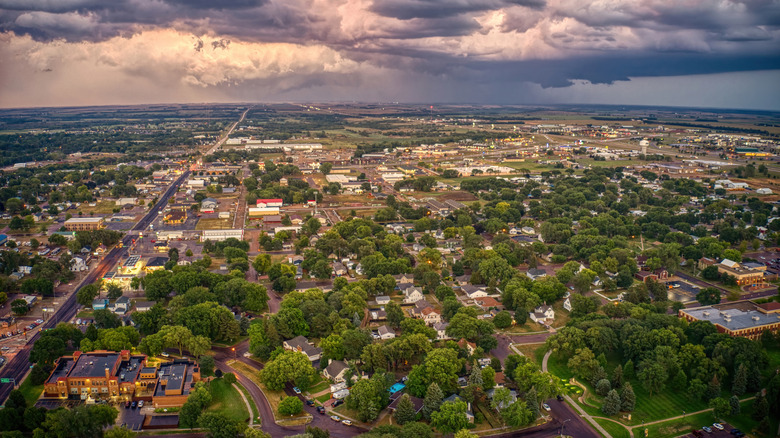
When it comes to the cheapest U.S. states for retirees, South Dakota should definitely be on your radar. It ranked No. 3 in WalletHub's list of best states to retire, with factors like solid access to healthcare, a low COL, and no income tax informing its positive reputation — all of which may have contributed to why the state's population grew 5.5% from 2020 to 2025, per the Census Bureau. For retirees weighing a move here, we think Mitchell, South Dakota, in particular is worth consideration. It has a reported population of 15,756, over 22% of which is over the age of 65, and offers easy access to larger metros like Sioux Falls and a wide range of medical centers.
According to BestPlaces, Mitchell's cost of living is about 20.5% cheaper than the U.S. average, and locals only need an income of about $26,000 per year to cover their living expenses. Utilities and housing are especially affordable in the area, and grocery prices are also below the national average. Redfin reports houses in Mitchell sell for a median price of $237,308. Meanwhile, Zillow reports the average home is valued at $255,000. Apartments.com projects that renters should have no problem finding a place for around $789 or less, while larger apartments may list for around $1,000.