

10 Dodge Cars For Retirees, Ranked Worst To Best
Retirees have their work cut out for them when searching for a new car in today's market. Many economic shifts and market forces have complicated the landscape. First and foremost, the cost of buying a new car continues to rise, even outpacing inflation. According to Kelley Blue Book (KBB), the average new car transaction price was $49,758 in June 2026, the latest month for which data is available. Although there are still cars available for under $30,000, the segment of highly affordable vehicles is rapidly declining. At the same time, seniors are starting to represent a growing proportion of the buying market.
Due to the company's American roots, widespread brand recognition, and strong list of popular models, Dodge is a common starting point for retirees looking to simplify their vehicle search. Unfortunately, this Michigan-based automaker has been slowly reducing its lineup over the years, so looking only at brand-new nameplates offers an incomplete glimpse of the true range of options. To help retirees pinpoint the best vehicle for their needs, MoneyDigest ranked Dodge cars from the worst to the best. Looking at AAA's recommended car specifications and characteristics for retirees, we prioritized functionality, practicality, safety, fuel economy, and overall cost—including new and used prices, as well as maintenance and repair expenses.
To expand upon Dodge's decreasing lineup, we looked back to the mid-2010s. MoneyDigest included upfront costs from each model's latest release year along with pre-owned pricing from models produced four years before the latest release. Along with annual upkeep expenses, these costs offer a broad financial picture for potential buyers. For vehicles with a limited production length, we looked to the earliest model for comparative costs. These 10 Dodge cars for retirees have been ranked from the worst to the best.
10. Viper
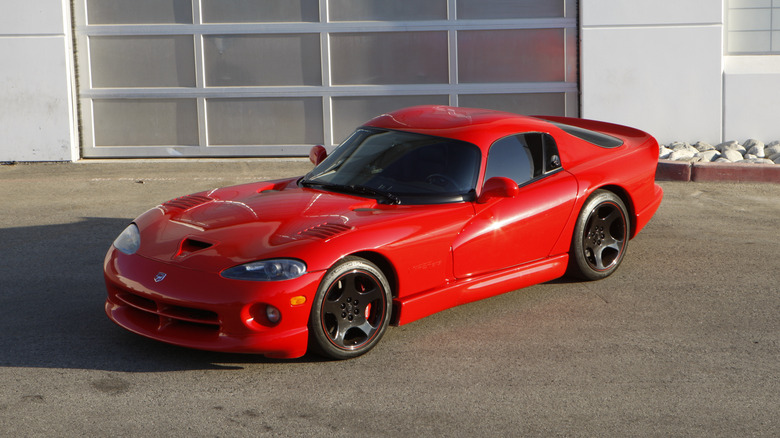
This classic marque has become known for its powerful coupes and iconic muscle cars over the years, with most failing to meet the demands of the average retiree. However, the Dodge Viper stands out as the absolute worst vehicle for seniors because of its skyrocketing costs, poor fuel economy, and sports-oriented design.
This two-door sports car is undeniably fast, featuring a standard 645-horsepower V10 engine. This costly high-performance is lost on the day-to-day needs of the typical retiree. Furthermore, the speed and acceleration come at the cost of comfort, making for a loud ride and rough handling. Additionally, the crammed, two-seat cabin fails to offer sufficient space for even daily commutes, while limiting visibility and virtually eliminating cargo space. Dodge axed the Viper in 2017 to make room for its more widely accessible muscle cars, and seniors may consider nixing the Viper from their list of active options, too.
According to Car and Driver, the final release of the Viper came with an MSRP between $92,990 and $123,890, which is nearly double the average price of a new car in mid-2026. Unlike most cars, which depreciate in value over the years, the Viper's collectability and niche popularity have driven a surge in prices. CarBuzz reports that the 2017 model sells for an average of $399,495, nearly four times its original cost. The price landscape settles slightly when looking at the 2014 Viper, which usually goes for $84,885, per CarBuzz. Additionally, the gas-guzzling V10 engine renders the Viper's fuel efficiency at 14 miles per gallon, as reported by FuelEconomy.gov. Interestingly, the Viper has the lowest repair and maintenance cost of all these Dodge models for retirees, costing only $450 annually, per RepairPal.
9. Challenger
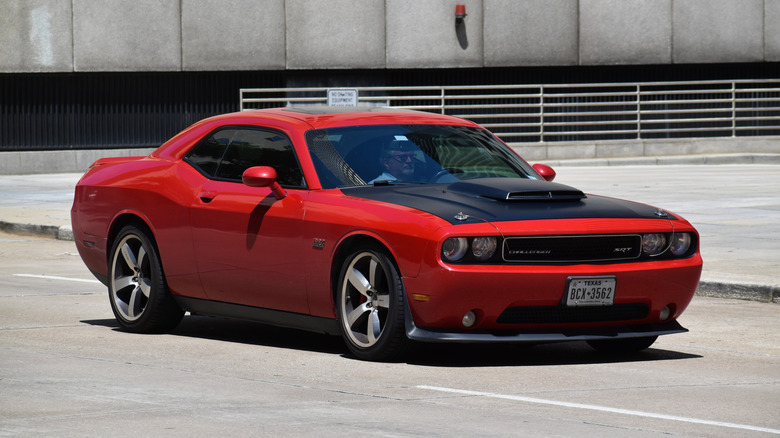
The Dodge Challenger is a modest step up from the alienating Viper, but it's still hampered by many of the same drawbacks that cut against the utility argument for seniors. While it remains one of the most affordable muscle cars you can buy in 2026, not much else can be said about the Challenger, unless your retirement dream is a powerful roadster. This two-door sports car has a cramped rear seat that's really only suitable as additional cargo space. Beyond being cramped, the interior features low-quality rubber material that feels cheap, and the seating position, combined with a confined window placement, significantly reduces visibility. Despite being in production through 2023, the latest Challenger has a shocking lack of standard safety features, requiring drivers to upgrade for rear cross-traffic alert, adaptive cruise control, and blind-spot monitoring.
According to Car and Driver, the 2023 Challenger had an MSRP range between $34,395 and $58,855. However, this model sells in 2026 for about $25,900, per KBB. For perspective, the used 2019 model has a fair market value of $18,500, as reported by KBB. The Challenger's fuel efficiency of 23 miles per gallon combined, per FuelEconomy.gov, outranks many sports models, such as the Viper or Charger, yet still falls short for its production year. RepairPal estimates that the average Challenger owner spends $650 on annual repair and maintenance.
8. Charger
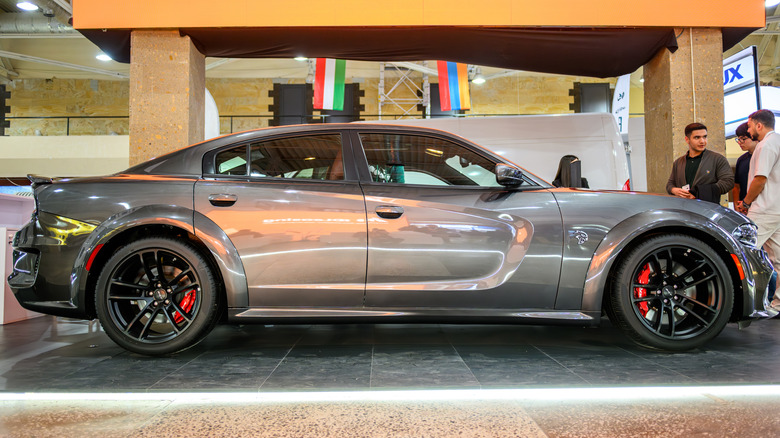
It's tempting to lump the Dodge Charger into the same category as the Challenger, given they're both modern muscle cars from the same marque. While the Charger remains far from the best Dodge car for the typical retiree, it offers some advantages over the Challenger.
First and foremost, the Charger offers a four-door option with sufficient space for five occupants. The front seats are spacious and comfortable, although a low ride height can feel awkward compared to standard vehicles. Additionally, it comes standard with all-wheel drive, which improves traction and handling. Still, the Charger's appeal for the average retiree is dragged down by its overpowered engine, unnecessary acceleration, and overall lack of practicality. On a positive note, the Charger is equipped with standard adaptive cruise control, lane-keep assist, and automated emergency braking. Arguably, the Charger is the most retiree-friendly of Dodge's muscle cars, but that's really only an argument for seniors with a penchant for high-performing, niche vehicles.
The 2026 Dodge Charger starts at $51,990, but can reach up to $63,985. For the four-door model, you'll need to spend $53,990, according to Car and Driver. KBB reports that the 2022 pre-owned four-door Charger has a fair market value of $20,700. If you're a budget-conscious consumer thinking twice about buying a new car, this offers a solid discount. While a less-than-ideal option for retirees, a used Dodge Charger remains one of the most affordable horsepower cars you can buy for under $35,000, which is increasingly rare. FuelEconomy.gov indicates that the 2026 Charger gets 20 miles per gallon combined. Additionally, drivers face an average annual repair and maintenance bill of $652, as calculated by RepairPal.
7. Charger Daytona (EV)
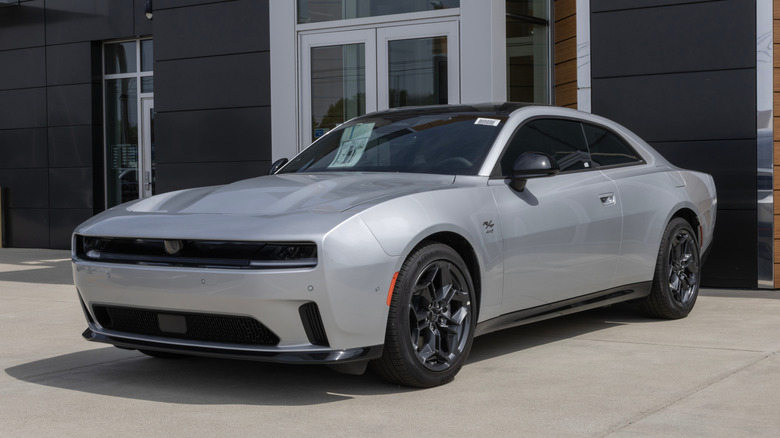
If you've ever wondered whether an electric car saves you money in the long run, the Charger Daytona may pop up on your radar. While the unbeatable fuel economy catches the attention of budget-aware consumers, this model's high upfront costs and impractical design require a second look from retirees. The Charger Daytona's standout perks are standard all-wheel drive, smooth handling, and a sedan option with five seats. Still, the routine struggle of finding charging stations, combined with a limited driving range, makes this model a headache for the average senior driver. Furthermore, its performance-oriented powertrain and design make it less affordable and less accommodating than more mainstream models.
Car and Driver shows that the 2026 Charger Daytona has an above-average MSRP ranging from $61,990 to $68,985, placing it more than four figures above the 2026 market's typical new car price. This relatively new model also limits the discounts owners can receive on the used market. The 2024 release, which is the earliest version available, has a fair market value of $32,800, per KBB. According to FuelEconomy.gov, this EV muscle car has a fuel efficiency of 86 miles per gallon equivalent — a conversion metric used to compare the fuel economy of EVs to those of ICE models. RepairPal doesn't have a specific annual maintenance and repair rate for the Charger Daytona, but the Dodge brand average is $634.
6. Journey
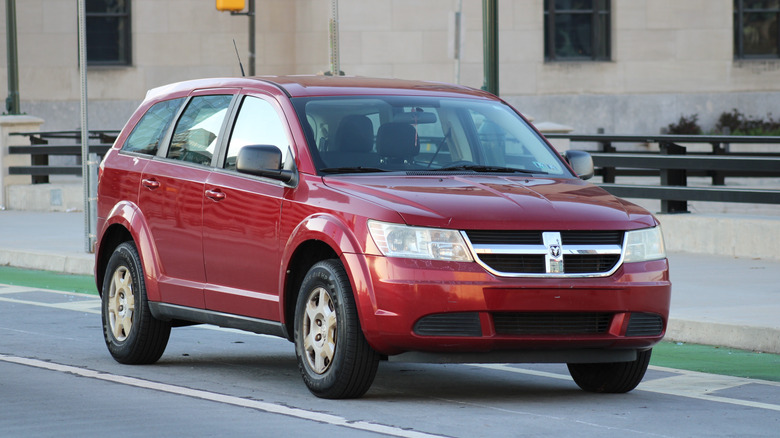
The Dodge Journey is where the justification becomes clearer for retirees looking for the most ideal models in the marque's lineup. Despite being discontinued in 2020, the spacious and capable Journey remains an appealing option in 2026. The aptly named Journey is a capacious SUV that seats seven, offering seniors plenty of room for hauling friends, family, and belongings.
This is one of the most affordable three-row vehicles within its segment. Whether you're taking the Journey for daily commutes or a long trip, the driving experience is comfortable. A fully configurable interior allows for convenient setup to suit your personal needs and preferences. What prevents the Journey from showing up higher on this list of Dodge cars for retirees is an outdated suite of interior tech features and a lackluster availability of standard safety features, with only rear parking sensors on offer.
Car and Driver places the 2020 Dodge Journey's MSRP between $25,170 and $30,090. However, this model's latest release year has a fair market value of $12,050, according to KBB. If you're looking for an even better deal, a pre-owned 2016 model tends to sell for $7,625, per KBB. FuelEconomy.gov reports that the newest Journey gets 21 miles per gallon combined. Furthermore, the average annual repair and maintenance costs for this SUV are approximately $562, as indicated by RepairPal.
5. Grand Caravan
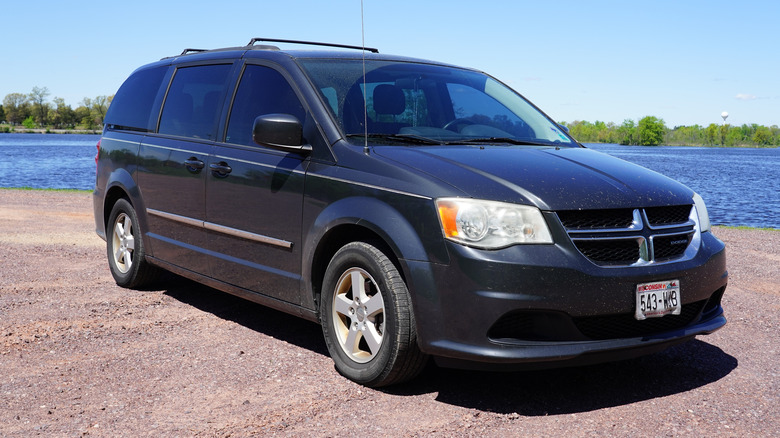
The Grand Caravan offers a masterclass in showing buyers that cheapness can involve pricing and not quality. This minivan ranks among the most affordable in its segment while still making a strong argument for retirees. The cavernous model easily seats seven passengers, but its layout is completely configurable to meet drivers' specific needs. A brand-specific Stow 'n Go second row folds easily into the floor, along with a collapsible third row, creating massive cargo space. Notably, the third row is roomier than the competing Journey nameplate.
Visibility is a major advantage of the Grand Caravan, offering seniors ample opportunity to keep an eye on what's going on around them while driving. The driving experience is smooth on straightaways, around corners, through the city, and on the highway. The Grand Caravan beats out the Journey when it comes to built-in safety features, with the inclusion of seven airbags and stability and traction control.
In 2020, the latest year of release, the Grand Caravan sold for between $29,025 and $34,490, per Car and Driver. Seniors will be pleased to hear that this minivan has a fair market value of $12,800 to $14,300 in 2026, as reported by KBB. The 2016 version extends an even better deal to retirees, selling for around $7,725 to $8,975, according to KBB. FuelEconomy.gov indicates that the 2020 Grand Caravan gets about 20 miles per gallon combined. Although far from competing with the cars that have the best gas mileage in 2026, this is a solid fuel efficiency for Dodge's lineup. RepairPal estimates that the typical Grand Caravan owner sees an annual upkeep bill of around $673.
4. Avenger
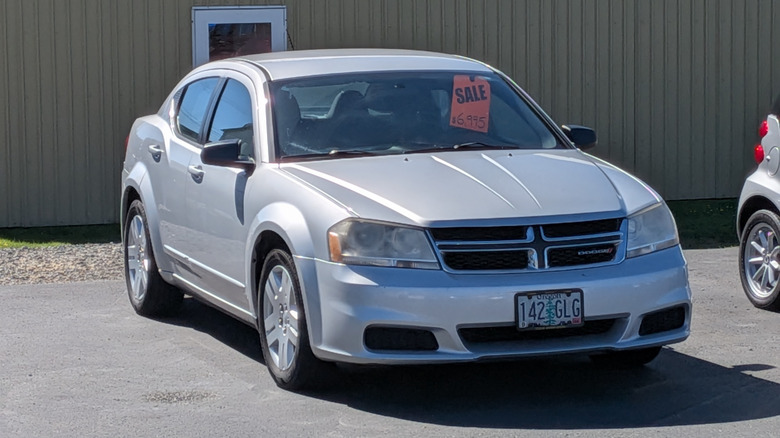
If you're only looking at the Dodge Avenger's latest release year of 2014, you may assume this defunct model isn't worth considering. However, this discontinued model packs a compelling punch for the average retiree due to its low upfront costs, appealing fuel economy, and spacious cabin.
This four-door sedan comfortably seats five occupants with an adult-friendly rear seat and a roomy trunk. The model's driving experience is more akin to a European import than a standard American sedan, thanks to responsive brakes, smooth steering, and a quality suspension. Retirees will feel at home in the accommodating front seats with an intuitive layout of controls, high-quality materials, and comfortable design. The modest engine performance is a downgrade from the Dodge muscle cars, but it's more than enough for daily errands or long hauls without the additional price hikes these performance enhancements bring.
Upon initial release, the 2014 Dodge Avenger sold for about $21,590, per KBB, but this latest release has a fair market value of $7,150 in 2026. Budget-minded seniors looking for a better deal can snag the 2010 Avenger for about $3,200, according to KBB. The 2014 Avenger sports a combined fuel economy of 24 miles per gallon, per FuelEconomy.gov, which is decent compared to the overall Dodge lineup, especially considering this vehicle's age. RepairPal projects that the typical Avenger owner will spend around $541 on yearly repairs and maintenance.
3. Durango
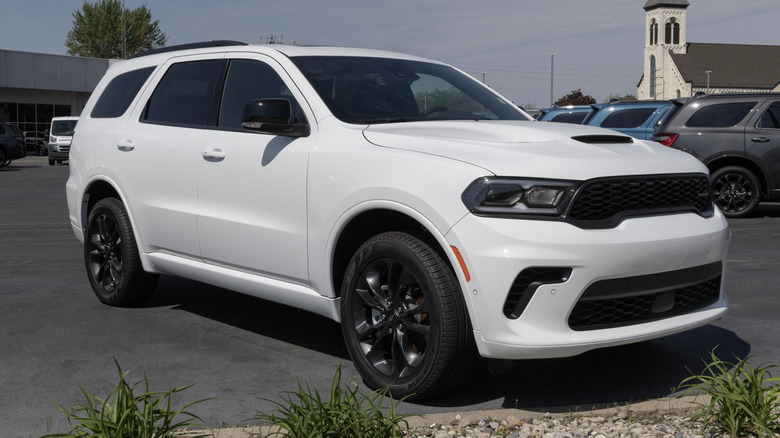
The Dodge Durango represents the best vehicle for retirees among the marque's current releases, although some discontinued models rival its practicality. This three-row SUV comfortably seats six to seven passengers, with enough space in the second row for adults. Retirees can appreciate the comfortable, user-friendly seating design in the front seats. The Dodge's standard V6 engine delivers a throaty punch in speed and performance, but remains a smooth and manageable ride for seniors.
The large cargo space, expanded when folding down the rear row, offers plenty of room for belongings. The 10.1-inch infotainment touchscreen makes it easy to manage the model's various tech features. On a safety note, the Durango comes standard with rear-cross-traffic alert and blind-spot monitoring. It's worth noting that, in its four-wheel drive version, the Durango is among the worst cars for theft frequency.
The 2026 Dodge Durango comes with an MSRP between $40,990 and $56,265, according to Car and Driver. The entry-level trim remains far below the cost of the average new vehicle, despite being pricier than other models on this list. Furthermore, a pre-owned 2022 model usually sells for around $22,400, per KBB. As it has been for decades of production, the all-new Durango is hampered by poor gas mileage. FuelEconomy.gov estimates that the 2026 Durango averages 20 miles per gallon combined. Additionally, RepairPal predicts that the average owner spends $675 on annual repair and maintenance costs—the most expensive on this list of Dodge cars for retirees.
2. Hornet
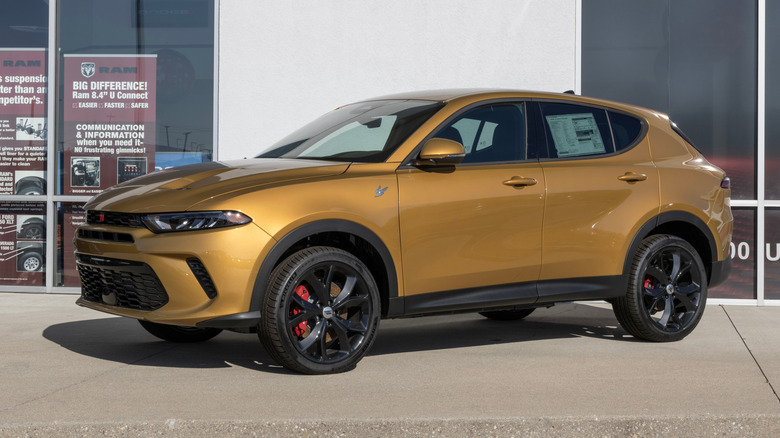
The Dodge Hornet was a short-lived compact crossover, which ran from 2023 to 2025. Despite its relatively short run, this nameplate's combination of a smooth ride, brand-competitive fuel economy, a spacious cabin, and standard features earns it a spot as one of the marque's top cars for retirees. The stylish Hornet is a head-turner on the road, but its upscale interior is a crowd-pleaser, too.
Seniors can appreciate the sizable 10.3-inch touchscreen, which makes it easy to control this model's various tech features. The nameplate comfortably seats five passengers, although the rear seat is smaller compared to other segment competitors. The Hornet comes standard with all-wheel drive, aiding in better traction and tighter handling. Without sacrificing functionality or control, this sporty crossover has a performance edge in its driving experience. Retirees also benefit from a suite of standard safety features, including lane-keep assist, lane-departure warning, automated emergency braking, and cyclist and pedestrian detection.
Car and Driver suggests that the 2025 Dodge Hornet, the latest release year, had an MSRP of $31,990 to $37,485. In 2026, that model has a fair market value of $29,300, according to KBB. If you're looking for additional savings, the Hornet's relatively short production span does limit pre-owned options. The earliest 2023 model usually goes for about $19,050, per KBB.
Even with standard all-wheel drive, which usually eats at fuel efficiency, the 2025 Hornet gets an average of 24 miles per gallon combined, according to FuelEconomy.gov. This makes it the most fuel-efficient of Dodge's newly released ICE vehicles. Similar to the fully electric Charger Daytona, RepairPal doesn't have upkeep averages specific to the Hornet, although Dodge's average repair and maintenance cost is $634 yearly.
1. Dart
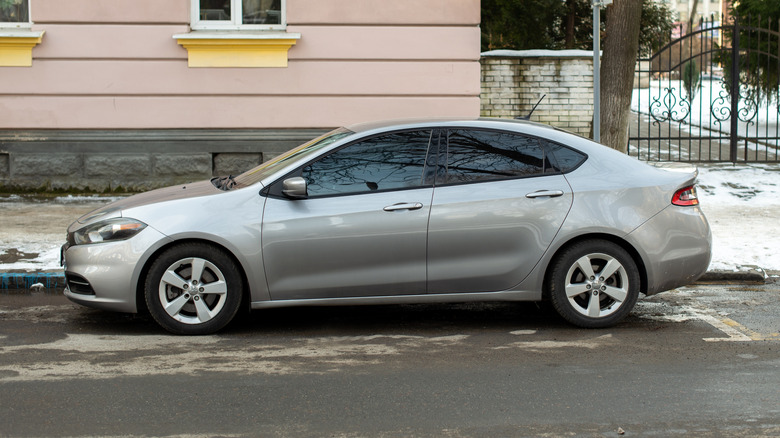
Despite ceasing production in 2016, the Dodge Dart stands out as the best all-around vehicle for retirees from this marque. It features the lowest upfront price tag, the highest fuel efficiency (among ICE models), and one of the most affordable repair costs.
The Dart features an advanced suspension system, taking cues from European models, which improves handling and control, especially around turns. This sedan has a deceptively large interior with an adult-friendly backseat. The electronics and controls are ergonomically designed, and the model is equipped with an 8.4-inch touchscreen, which is relatively advanced for its release year. Don't be scared away from the Dodge Dart's early production year. It still comes standard with various safety features, including 10 airbags, traction control, antilock brakes, electronic stability control, and even a rearview camera.
The entry-level four-door SE sedan had an original MSRP of $17,990 in 2016, per KBB, but now has a fair market value of $5,950. Keep in mind this is the latest release year. For additional context, the 2013 model, which is the earliest released, usually runs about $4,150, as reported by KBB. With a price tag this manageable, you may not have to worry about the things most people always get wrong about buying a used car. According to FuelEconomy.gov, the 2016 Dodge Dart gets an average of 30 miles per gallon combined, which places it above the 2026 market standard of 28 miles per gallon. According to RepairPal, the Dodge Dart comes with an annual maintenance and repair bill of $597.