

The 'Truck Trap' Retirees Should Avoid To Save Money
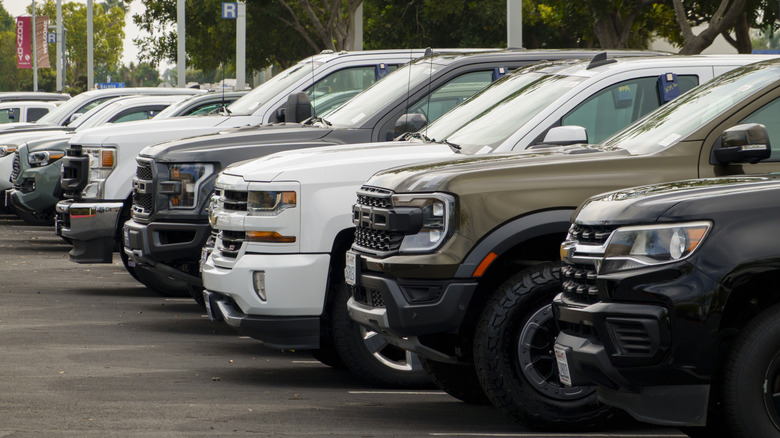
Heading into retirement and considering a new truck? Whether you're on the cusp of ending your working days or you're already there, it can be important to learn about a not-so-little thing called the "truck trap." This occurs when you walk into a dealership wanting a practical pickup and instead leave with a $70,000-plus luxury vehicle that happens to have a truck bed and a whole lot of features you don't need. While this can be a problem for anyone, it can especially hurt those living on a fixed income — something that can be thrown off course by any big upgrade after retirement.
New trucks have become incredibly expensive. In 2026, Kelley Blue Book reported that the average price for a new full-size pickup reached $66,288 in May, a 2.4% increase over the previous year. Once you start looking at higher trim levels and add-on options, these prices climb even more, with some new trucks priced at over $100,000. With this in mind, t's important to ask yourself what you realistically need in a vehicle. Do you really want to pay the equivalent of a home down payment for a new vehicle in your retirement years? While pickup trucks definitely have their uses, if you're not regularly hauling equipment or towing a boat or camper, you may be able to save money by buying something smaller.
Retirees buying trucks can be affected by more than just the price tag
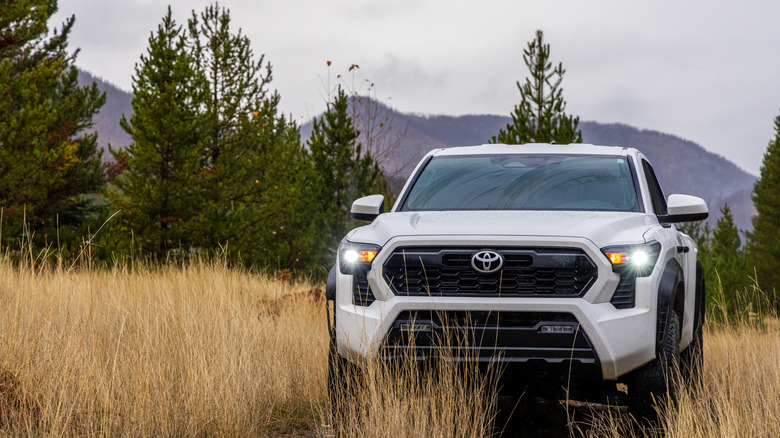
Much like following certain savings rules for retirement, it's important to protect your hard-earned savings. Although it can be tough to walk away from a vehicle you like, falling into the truck trap can wreak havoc on your financial plans. In addition to paying more upfront, swift depreciation rates mean you won't get as much back if you decide to sell later on. Many of the most popular truck models lose around 50% of their value within the first five years (per CarEdge). If you're dead set on buying a pickup, consider looking at used models that are already a few years old. Along with a lower price tag, this will allow you to further avoid the truck trap by not getting talked into extra unnecessary features at the dealership.
Then, of course, there are auto loans, leases, insurance, and registration costs, all of which tend to be higher with newer, more expensive trucks. According to Kiplinger, your 70s are when car insurance rates begin to rise, so it's worth factoring that into your budget. In the end, the cars that are perfect for a retiree tend to prioritize practicality, smooth driving, and great gas mileage. So, it could be worth reevaluating which type of vehicle best suits your lifestyle and your budget.