

11 Stunning European Destinations Where You Can Retire On $1,500 A Month

In light of how much money the average middle class retiree will spend on healthcare, and the rising cost of living in the U.S., it makes sense to keep an open mind about where you retire. Whether you're set up for a comfortable retirement or not, Europe offers a few stunning destinations where a single retiree could survive on $1,500 per month or less.
Retirement in the U.S. isn't exactly cheap. As of May 2026, the Federal Reserve Bank of St. Louis finds the average sales price of a U.S. home is $514,600. The average rent in the U.S., according to ZillowRentals, is $2,009 as of July 2026. An average liberal monthly grocery bill, as per the USDA, is $397.80 and $448.10 for women and men 51 to 70 years old, respectively, as of May 2026. Finally, the average monthly cost of healthcare in 2026 is $1,766 per month, according to data collated by Kiplinger.
It's apparent that the affordability crisis has forced many Americans to make big changes. The Association of Americans Resident Overseas (AARO) estimated in October 2024 that there were 5.5 million Americans living outside of the U.S. In March 2025, Expatsi surveyed U.S. adults who were interested in life abroad and found that 40% of respondents hoped to move within the next six months to two years. Meanwhile, 30% of retirees weren't sure of where or how to go about living overseas. A comfortable lifestyle based on an annual budget of $18,000 is tough to come by in the U.S., but these 11 European locales, ranked by affordability, offer just that.
11. Kalamata, Greece
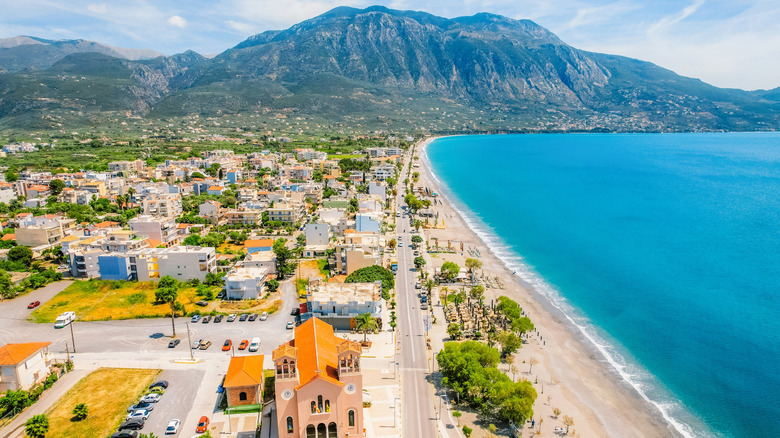
According to Wise, the average monthly cost of living in Kalamata, Greece, is $1,469. The virtual banker estimates that 40% of that will go toward your housing. A centrally located one-bedroom apartment costs around $512 rounded up to the nearest dollar, with a similar apartment located in the outskirts costing even less at $374. The cost of public transport is $53 per month, with an average utility bill of $201 per month. Your grocery bill should come in at around $272 per month for an individual, which offers a $176 monthly discount from the USDA top end liberal average of $448.10.
As per Peterson-KFF, the average life expectancy in the U.S. is 79 years. By comparison, as per insurance provider Feather, life expectancy in Greece is an average 81.8 years, or 82 years, rounded up. Prime healthcare is a factor in that. While health insurance is a necessity if you plan to retire there, it isn't likely to bankrupt you with basic coverage starting at $57 per month, rising up to $285 per month for the higher end of mid-range insurance. For comparison, the average monthly expense of healthcare in the U.S. for someone 64 years or older in 2026 is $1,766, which means healthcare in Kalamata is roughly ⅙ the cost. If you have a few more dollars to spend, the Greek city of Chania allows you to retire on $2,000 per month.
10. Bucharest, Romania

According to Expatistan, the average monthly cost of living in Bucharest, Romania is $1,436 per month. A 480-square-foot studio apartment in a middle class area costs $438 per month, or if that sounds a little claustrophobic, you can level up to a 900-square-foot apartment in the same area for $651. Basic internet with about 8 mbps bandwidth averages a low $9 per month. A monthly transit pass won't hurt your wallet at an average cost of $22.
If paying out of pocket, a 15-minute visit with your family doctor will cost $65 per visit. However, as per ExpatFocus, the average cost of hip replacement or LASIK corrective eye surgery can still cost anywhere from $2,287 to $6,862. According to Jarniascyril, even though any resident of Romania can claim public insurance coverage, there are limits on coverage, access, and quality of care. As per 2026 Data collected by Globalhealth, the average monthly cost of private healthcare in Romania costs $66 to $153 per month, so for better access, service, and quality of care, it makes good sense to pay into private health insurance, either through a local or international insurer. If prevention is better than the cure, you can shop for healthy options at your local grocer starting at an average $328 per month. For a few hundred dollars extra, you can live in another Romanian city, Brașov, where you can retire comfortably on $2,000 per month.
9. Sofia, Bulgaria

Some well-travelled retirees may already know that Bulgaria is a country where it's possible to live on $2,000 per month. That said, Sofia, Bulgaria is a specific city where you can live comfortably on even less, so long as you live outside the heart of the city. As per Numbeo, it's possible to eke out a cozy retirement in Sofia, with average monthly expenses of $836 and an average rent of $594 in the city's outskirts. That's an average $1,430 per month, which includes a $197 per month for phone, internet, and utilities, $29 for monthly transit, and, as per Innoveres, a monthly grocery bill around $250 on the lower, non-organic end.
According to Nomads in Bulgaria, the average monthly cost of private health insurance is $171, on the high end, and is mandatory for non-European expats. While you are also required to have at least $30,000 in coverage, that $171 per month offers comprehensive coverage that includes eye, dental, and total medical care. Aside from expedited, quality care in well-equipped facilities, private insurance also gets you a medical care provider who can speak English.
8. Oviedo, Spain

According to LivingCost, an individual living in Oviedo, Spain, can make retirement work for as little as $1,407 per month. With rent and utilities costing a total $720 per month, monthly public transit costing $34, and a visit to the doctor clocking in at $80, you can live a premium life without paying a premium. The monthly cost of groceries in Oviedo is on the higher end at an average $476, however, the amount saved on everything else makes up for your grocery bill. If you're in the market for a new home in Oviedo, the average cost of that home, as per Fotocasalife, is around $237,489 as of July 2026. That is $277,111 less than the average cost of a home in the U.S., as of May 2026.
As per Live and Invest Overseas, Spain operates under a universal healthcare system that allows expats to pay into coverage. However, as with other EU countries with options for expats, private healthcare provides better, faster access to top tier medical facilities and treatment, with more comprehensive coverage than the public option. Private healthcare coverage is as low as $57 to $172. If you opt in to the public option, pensioners prescriptions are covered up to 90% thanks to Spain's public healthcare system. Bonus: This European country with a low cost of living is one of the best for English speakers.
7. Viterbo, Italy
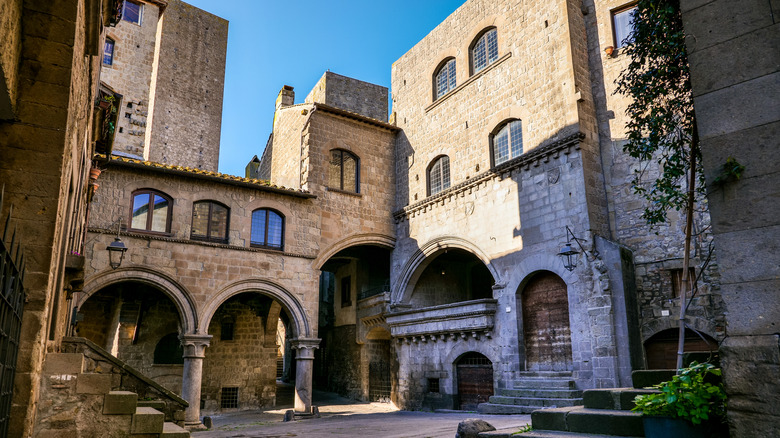
Overall, Italy offers lower living costs for retirement, and Viterbo is no exception. Vertibo, Italy, per LivingCost, offers a single retiree a monthly living cost of just $1,367. A centrally located apartment costs an average $506 per month, with $149 covering utilities, and $33 per month for your internet needs. You can get around a monthly transit pass for just $29. Your grocery bill, at $531 per month, is a bearable cost compared to everything else.
According to Expatica, so long as you're a resident registered with the national public healthcare system, Servizio Sanitario Nazionale, you qualify for public insurance. That's obviously a benefit in and of itself, but if you're a retiree, it's possible that private insurance may offer more coverage for less money. You can also bill your medical costs in Italy to an insurer in the U.S. if you still have access to that coverage. With healthcare in Italy experiencing nursing shortages and longer wait times, it makes good sense to pay a private insurer for better, quicker, and expanded coverage. As per Feather, the average cost of private insurance is $915 to $4,118 per year, or $76 to $343 per month. This is a fraction of the Kiplinger sourced 2026 U.S. average for seniors of $1,766 per month.
6. Corfu, Greece

As per LivingCost, a comfortable retirement in Corfu, Greece, can be had for a monthly average expense of $1,267. The average total cost of rent and utilities is $683 per month, with an individual retiree's grocery bill averaging $421 per month. You can get around the city on public transit for $56 per month, and a visit to the doctor will set you back just $40. According to Sidecar Health, the average doctor visit in the U.S. starts at a low of $82 in a state like Kansas before rising as high as $172 per visit in states like Alaska.
While Greece's public healthcare makes it one of the best places to retire outside of the U.S., per Feather, the country's health authority still needs you to have private insurance if you're a non-European staying in the country for three months or more. You are also expected to have at least $30,000 worth of coverage with emergency medical transportation back to the U.S. should you require it. A basic private plan costs an average $57 to $130 per month, with mid-range plans starting at around $286 per month.
5. Riga, Latvia

Located in one of the best countries in Europe for retirees, Riga, Latvia offers American expats a comfortable retirement, according to LivingCost, for $1,254 per month. An apartment located away from the heart of the city, at just $372 per month, offers a $192 discount to a more centrally located apartment costing $564 monthly. If you add an average $162 for utilities, $19 for internet, and $35 for a monthly transit pass, a total average grocery bill of $454 per month doesn't seem like much of a burden.
A visit to the doctor will cost $52 in Riga, and that's without insurance. Unlike some of the other countries already profiled, according to Global Citizen Solutions, private health insurance is not mandatory for expat residents. Proof of residency and successful registration with the National Health Service is required to gain access to Latvia's public healthcare system. You may still find it valuable to seek out some form of private insurance; private insurance comes with faster and higher quality healthcare, with access to specialists in private facilities. As per a 2023 report by the European Commission via Global Citizen Solutions, the average cost of private health insurance in Latvia is a manageable $57 to $172 per month.
4. Braila, Romania

According to Wise, Braila, Romania offers retirees one of the most affordable locales in Europe, with an average living cost of $1,037 per month, or just $12,444 per year. With an average rent of $407 per month, choosing to live outside of the city center can bring that down to around $324 per month. Relying on a diet built mainly around home cooked meals instead of dining out will also keep food costs affordable, with an average spend of $190 per month for groceries. That said, a $1,500 budget should allow you to treat yourself to dinner out once or twice a month at a cost of $119 per meal. The average monthly price of utilities, combined with phone and internet, costs an average of $169 per month. Save money on transportation expenses by utilizing public transit for $17 per month.
As per Expat Arrivals, the public healthcare system in Romania is rife with corruption. Lower wages and subpar public hospitals have caused a brain drain of qualified doctors from the public healthcare system. So although being a resident will give you access to public healthcare, you will receive a much higher tier of healthcare through private medical facilities. As per Jarniascyril, the average cost of private health insurance in Romania is $80 to $114 per month.
3. Vlore, Albania

According to LivingCost, the cost of living in Vlore, Albania is $1,037 per month. A less expensive apartment outside of the city's core costs an average of $356 per month. Compare that to the U.S. national average rent as of July 2026 which, as per Zillow, is $2,014 per month. That's just under ⅕ the U.S. average. LivingCost goes on to list the average cost of utilities for an individual retiree in Vlore as $55 per month, and 50 mbps of unlimited internet is only around $19 per month rounded up to the nearest dollar. If you need to visit a doctor for something minor, it will cost you $29 out of pocket. You can get around on a monthly transit pass for $20.
As per Vlore Circle, the public healthcare system provides adequate but limited service. Your personal time is important in your golden years and avoiding long wait times means visiting private hospitals and clinics; you may pay anywhere from $114 to $228 per day for a hospital stay and full price for prescriptions out of pocket. Budgeting for the average cost of an international and comprehensive insurance plan, expect to spend an average $1,716 to $3,432 per year, or $143 to $286 per month. Albania is actually home to another one of the cheapest European cities to visit, and just between these two cities, the country is a place every expat retiree needs to put on their list of potentials.
2. Covilha, Portugal

According to LivingCost, $1,010 per month secures a comfortable retirement in Covilha, Portugal. Affordability is one big reason why this cultured European country is a great place to retire. An average one-bedroom apartment outside of the city's center costs $361 per month. Your utilities are $80 per month, which compared to the U.S. national average, as per JDPower, is a $338 per month discount from the $418 U.S. average as of May 2026. Add internet for $38, and a monthly transit pass for $45, and you have a recipe for affordable retirement. Speaking of recipes, the average cost of groceries in Covilha is $331 per month.
According to International Living, you have a choice of public or private healthcare once you become an official resident of Portugal, and it's one of the few countries on this list where elderly populations are given priority in the public system. That said, expats are required to have private insurance before receiving their temporary resident visa, so you will have access to the benefit of well-equipped and relatively quick healthcare services that come with private healthcare. A 60-something year old couple will spend an average of $343 per month on private health insurance. If we divide that in half for a single retiree, that's $172 per month rounded up to the nearest dollar. In general, Portugal is no stranger to European cities where American expats can retire for less than $1,500 per month.
1. Kutaisi, Georgia

At a monthly average cost, according to LivingCost, of $730, you'll be hard pressed to find anywhere in the U.S. as affordable as Kutaisi. It's one of a few locations where you can retire abroad on $1,000 per month. According to LivingCost, this is reflected in the cost of groceries at $311 per month and utilities at $46 per month. A centrally located one-bedroom apartment costs just $315 per month. If you're prepared to take transit into the city center, you can rent an apartment for $237 on the outskirts, and your monthly transit pass will cost $12 per month. With a taxi costing an average $7 per 5 miles, you could afford to treat yourself to a trip to Kutaisi's cultural heart.
According to OC Media, Georgia instituted a new rule requiring all foreign residents and visitors to have mandatory travel insurance as of January 1, 2026. This insurance, provided by Georgian insurance company ARDI, covers emergency hospitalization, outpatient care, evacuation, and emergency medical return to the U.S. if required. As per Veridia LLC, the average cost of private insurance in Georgia is $40 to $60 per month.