

12 Affordable Destinations Where You Can Retire Abroad On $1,000 A Month

As per calculations based on the 2022 Federal Reserve Survey of Consumer Finances, courtesy of DQYDJ, the median net worth of retirement age (55 to 69 years old) Americans in the U.S. is between $321,074 to $393,480. While you can definitely find somewhere in the U.S. where your Social Security will go further, it might be surprising to many retirees that there are several destinations outside of the U.S. where they could retire comfortably on $1,000 or less. According to a 2026 survey conducted by Northwestern Mutual, this is a concern for at least 48% of Americans who think they'll outlive their retirement savings, with a majority believing the target amount to retire comfortably would be $1.46 million.
According to the latest U.S. Department of Labor consumer expenditure numbers released in December 2025, Americans in the U.S. spent an average $77,158 per year, or rounded up to the nearest dollar, about $6,430 per month. As per GobankingRates via Visual Capitalist employing data from the Bureau of Labor Statistics and the Missouri Economic Research and Information Center (MERIC), the least expensive state to live in, Oklahoma, costs an average $66,284 per year. That's still $5,523 per month in expenses. That may have something to do with the number of Americans choosing to retire abroad, which according to a December 2024 study by the Social Security Administration (SSA), includes 463,480 retirees.
1. Castelo Branco, Portugal

You can make life work on just under $1,000 per month in Castelo Branco, located in a cultured European country that is an affordable place to retire. According to LivingCost, the average monthly cost of living with rent included is $969 for an individual. Food costs make up $352 of that, with inexpensive transportation at around $35 per month rounded up. A one bedroom apartment will cost you $449 if you want to live centrally, or you can find yourself something for around $100 less if you don't mind commuting from outer areas. At around $73 per visit, seeing your doctor doesn't have to be a financial burden. By comparison, as per Sidecar Health, the standard first visit to a family doctor in the U.S. is $179. An annual physical costs as much as $397.
According to Expat-U, the cost of necessary medication like insulin is 90% lower than in the U.S., with insurance coverage for full access to the healthcare system in your 60s costing up to $300 per month. As per Kiplinger, the average monthly health premium in the U.S. is $1,598 at 60 years old to $1,766 per month at 64 years old and over. The Portuguese government requires you to have health insurance if applying for a five-year visa, which opens the door to better private healthcare services anyway. The Castelo Branco Local Health Unit (ULSCB) offers both primary healthcare and a hospital all in the same convenient location.
2. Lake Atitlán, Guatemala

There are reasons Guatemala is one of the best countries for a retiree, with a low cost of living and beautiful natural scenery being just two. According to Living in Guatemala, a single retiree can have a comfortable standard of living for around $998 per month. That said, you can live on a budget for as little as $510 per month. The average rent is $400 per month, with groceries averaging around $195 per month, and eating out is $100. Transportation carries an average monthly cost of $40 per month, with utilities, phone, and internet costing, altogether, a total average of $113 per month.
According to Expat Exchange, the remote location, while gorgeous, has limited access to quality healthcare with exception of small clinics. This means traveling about an hour out of the area to cities like Solola for higher quality care may be a necessity. If you need a consultation or treatment by a specialist, that may double your transit time to 2½ hours to Guatemala City. So while healthcare costs an average $50 per month, gaining access to that healthcare could be a challenging trade-off for a retiree with a chronic illness.
3. Pedasí, Panama
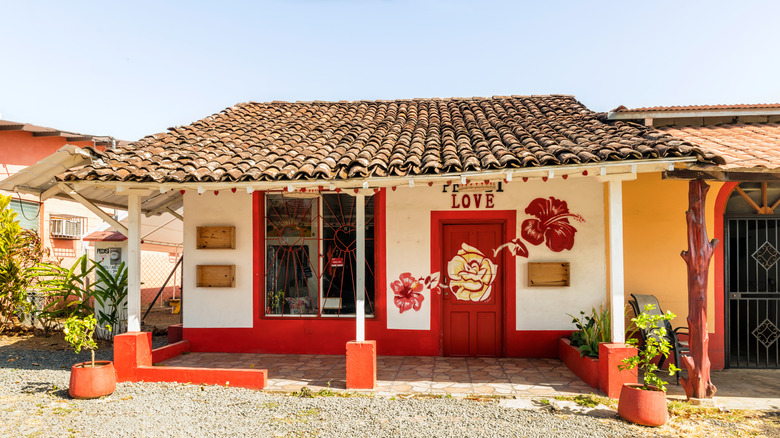
Aside from being a cool '80s anthem by Van Halen, Panama is home to Pedasí which, according to AMAPanama Realty offers a cost of living that starts at $900 per month. Depending on how you want to live, that can rise to $1,600. While AMAPanama Realty suggests a basic rental property could be had for as low as $400, the realty company also points out that may not include basic hot water. Utilities in Pedasí average $80 to $150 per month. Splitting the $70 difference to create an average $115 then adding that to the basic rental cost safely suggests you could rent a one bedroom apartment with necessary amenities (like hot water) in the low range of just over $500 per month. With groceries and health insurance averaging $200 per month, and transportation averaging $50 per month, that would put a retiree at around $900. Dining out costs an average $100 per month for a total of three meals per week. Of course, dining out is a choice, so assuming a retiree went out to dinner once a week, they would come in with total expenses in the $900 range, but still under $1,000.
As an extra bonus, Panama doesn't tax any foreign income, including Social Security, pensions, or money received from remote work — you must still file taxes on the U.S. side, however. Affordability plus zero taxes on foreign income equals one of the best countries to retire outside of the United States.
4. Burgas, Bulgaria

As per LivingCost, with an average living expense of $872 per month for a single retiree, it stands to reason that Burgas, Bulgaria, belongs on this list. You won't have to worry about keeping yourself fed with a monthly food cost of $346 per month, nor will getting around be an issue at a monthly average cost of $39. A centrally located one bedroom apartment costs an average of $414 per month. Utilities in Burgas are also just $62 per month, with your internet costing a mere $132 per year. According to Realting, a requirement of both a public and private healthcare system is health insurance; public health insurance is mandatory and collected by the National Health Insurance Fund (NHIF). Private insurance offers the benefit of state of the art equipment, healthcare providers that communicate in English, and shorter queues. For expats residing in Bulgaria, you should expect to pay up to $175 (USD) for up to $69,800 (USD) worth of coverage, or around $700 (USD) for full coverage over $100,000, per year. That's $15 to $58 per month in healthcare premiums.
Burgas is a port city, meaning you'll live close to the water. As such, fresh seafood is available throughout the year for seafood lovers. A few lakes around the city offer the opportunity to enjoy lakeside strolls. Its proximity to the Black Sea means reclining on a beach is always an option when it's warm in a region where winters are mild.
5. Nha Trang, Vietnam
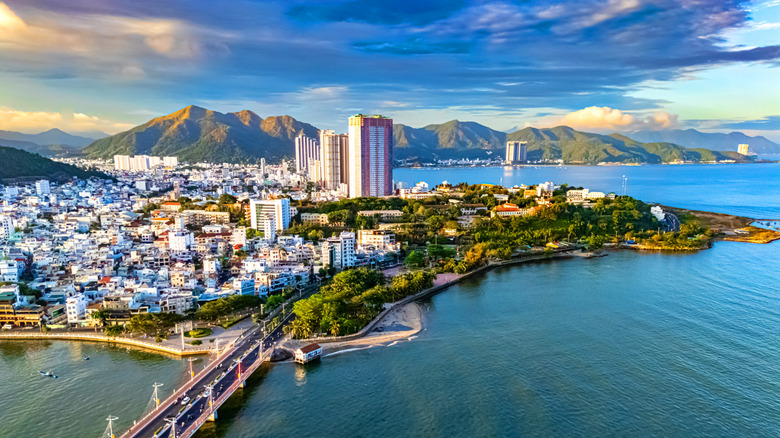
According to Nomads.com, the cost of living for a single expat retiring in Nha Trang, Vietnam, is $856 per month. While purchasing a home comes at a heavy discount to purchasing a home in the U.S. at an average $159,423, as per VinWonders, a centrally located one bedroom rental costs an average $352 per month. Phone and internet usage carries a monthly charge of $15 on average, with utilities working out to about $73 per month. Food costs for an individual total an average $187 per month, with grocery staples making up $100 worth of that amount. With such a low cost of living, dining out three nights a week costs the equivalent of $15 to $30 per week, while a quick grab-and-go meal at a mall costs a mere $2. Getting around on public transit costs an average of $7.36 for a monthly pass, or you can rent a motorbike for $100 a month. An average taxi trip is just $2.26 for a one-way trip. Now you know why this Southeast Asian country with a cost of living less than half the U.S. is so desirable.
Healthcare is offered through a dual public and private system, with, as is often the case, private healthcare offers a higher tier of service. A visit with a private primary care provider costs an average of $10 to $20 per visit, with an initial consultation with a general practitioner costing in the range of $50 to $100.
6. Dumaguete, The Philippines
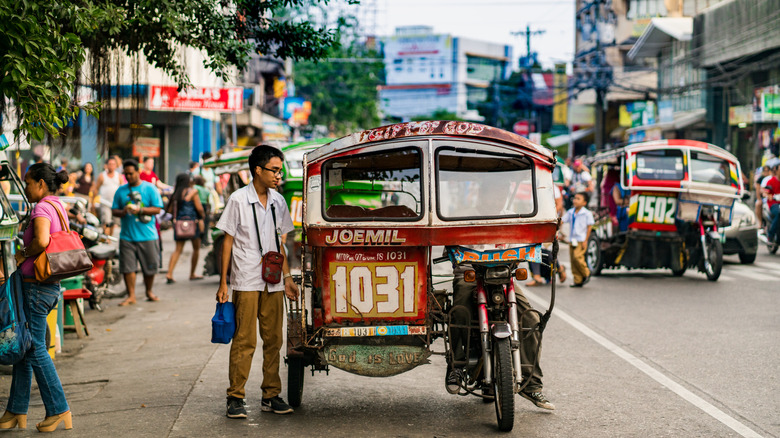
As per CityCost, with the addition of rent, the average cost of living in Dumaguete in the Philippines is $852 per month. That represents a cost of living that's 37% below the worldwide median and even 17% lower than the Asian median. A one bedroom in the middle of all the action carries an average cost of $240 per month, with utilities and internet costing an average of $74 for a two-person plan. A monthly pass for public transit is just $8.93, with an average one-way cab ride costing an average 27 cents per kilometer. Again, your grocery bill is lower here than in the U.S., at an average $212 per month. With rents so low, it might be questionable whether you would bother with the extra upfront expense of home ownership; however, according to listings on the Dot Property, a one bedroom condo with a pool and deck, a basketball court, 24 hour security, parking, and lounge area is just $53,762 (USD).
According to the Philippine Retirement Authority, a Special Resident Retirement Visa carries an initial cost of $1,500 for foreign nationals over 50 years of age. However, the benefits include tax exemptions for pensions and annuities, travel taxes, and a one-time break on custom duties for up to $7,000 of imported personal and household items.
7. Siem Reap, Cambodia

According to Siem Reap Hub, a retiree can live in Siem Reap, Cambodia, for as little as $800 per month. With rents for one bedroom apartments starting at an average $300 per month, you may be in a position to splurge on a maid to clean for an extra $150 per month. An annual Retirement Visa (renewed annually) is just $285, or $23.75 if considered as a monthly payment. A month of food will cost, on average, $200 for a single person, with utilities and transportation costing an average of $50 and $30 per month for an individual. A city hospital (Royal Angkor International Hospital) and clinic (Naga Clinic) are most frequented by expats, and are located close by in the city. Health insurance costs in the range of $50 to $150 per month, with air medevac services covered to top-tier private hospitals in Bangkok for $50 to $100 per year.
According to vlogger Vagabond Buddha, a SIM card for your phone has an average cost of $10 per month, while additional internet service for up to 50 MBPS costs $45 per month. In terms of lifestyle and entertainment, the vlogger suggests a couple eating out twice a week would incur a cost of $140 per month. It stands to reason that an individual would pay half of that for an average of $70 per month.
8. Shkodër, Albania

As per Expatistan, the average rent for a 900 square foot apartment in a pricey neighborhood in Shkodër, Albania, is $303 per month. If you want to live in an average middle-class area, you can pay as little as $224 per month. You won't exactly lose sleep over your utility charges with an average monthly charge of $25 for an individual in a 480 square foot studio apartment. Even doubling that for a 900 square foot domicile would only cost an average $50 per month. The internet is also affordable at just under $50 per month. A visit to a family doctor is just $12 for a 15 minute consultation.
According to law firm Vardanyan & Partners, healthcare in Albania is best executed by private health providers thanks to state of the art equipment, qualified staffing, low wait times, and English-speaking caregivers. Insurance covers everything from a visit with your primary doctor, to a visit to the ER. Blood tests and scans are just $17 to $58 in the private system, and a visit to the dentist costs anywhere from $29 to $47 per visit. As per CareCredit, the national average cost of a visit to the dentist in the U.S. is $203.
9. Chiang Mai, Thailand

According to Nomads.com, the cost of living for an individual retiree in Chiang Mai is $735 per month. While the median cost of a home is cause for celebration at a median of $107,479, as per Siam Real Estate, rental costs for a one bedroom apartment can be as low as $100 per month if you're okay with living on the outskirts of the city, although centrally located apartments can be had for as little as $250 per month. Your average one-way taxi ride is just under $5, which means getting to and from anywhere can be done for as little as $10. Dinner out costs, on average, $1.69 per meal, which means eating out for dinner every night of the week would cost roughly $12 a week, or around $48 per month.
According to Kiplinger, the average monthly premium cost of healthcare in the U.S. for someone 64 years old and above is $1,766 in 2026. As per Holafly, the average monthly cost of healthcare provided by major insurance companies, including Cigna Global, Allianz Care, Aetna International, Pacific Cross, and AXA International, is within the range of $50 to $300 per month. That said, most expats rely on Cigna Global Health due to extensive coverage that includes hospitalization, consultations with family doctors or specialists, dental care, and procedures related to chronic and preexisting health issues. In Chiang Mai, you have your choice of private or public hospitals and clinics, with private hospitals being your best option.
10. Loja, Ecuador
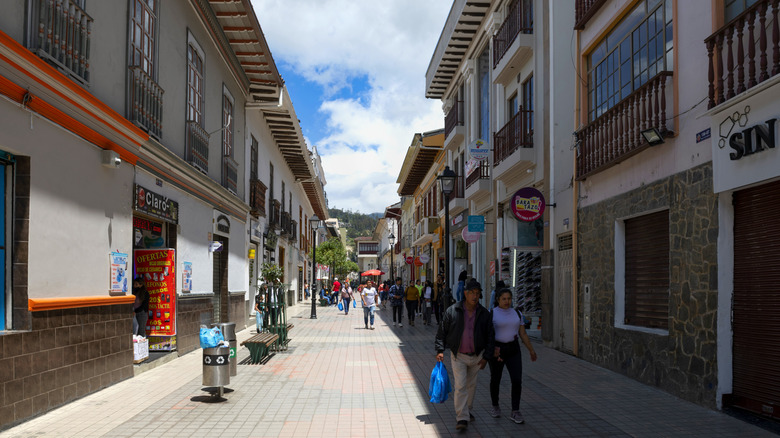
According to LivingCost, comfortable living in Loja, Ecuador, costs an average of $594 per month for a single retiree. More unbelievable is that amount includes rent, with a centrally located one bedroom apartment costing an average of $252 per month. Your utility bill is also affordable at around $12 per month. The internet is also available here, and you can have access to 50 MBPS per month for just $28. Getting around with a monthly transit pass is just $40 per month, with a one-way cab ride within five miles coming out to just $7 to $8. According to Greenback Expat Tax Services, Guatemala doesn't tax foreign pensions, thanks to the pensioner visa.
A visit to the doctor is within the range of $20 to $40 per visit, and there are also senior discounts as high as 50% off for entertainment, transportation, and utilities, so long as you can show an accredited government ID. As per Ecua Assist, the pensioner visa exempts your Social Security, annuities, and corporate or government pensions. You just need to show a guaranteed lifetime monthly retirement benefit of $1,446 per month.
11. Bucaramanga, Colombia

As per Nomads.com, the cost of living for an individual retiree in Bucaramanga is just $564 per month. A home can be purchased for a median cost of $79,196. The average rent for a one bedroom in the middle of the action is $221 per month. Dinner with a beer will set you back around $4. According to ExpatExchange, the average cost of healthcare in Bucaramanga is $280, with both basic ($30) and higher tiers ($250) of insurance coverage required.
Columbia is one of the best countries to retire outside of the U.S. thanks to its high standard of healthcare, and your best to source that at a private hospital like International Hospital Colombia, which your higher tier of insurance coverage gives you access to. Procedures are vastly cheaper in Colombia than in the U.S., with ACL surgery, typically costing $60,000 to $80,000 in the U.S., being available at an equally professional standard for just $5,000. The cost also includes physiotherapy post-procedure.
12. Tarija, Bolivia
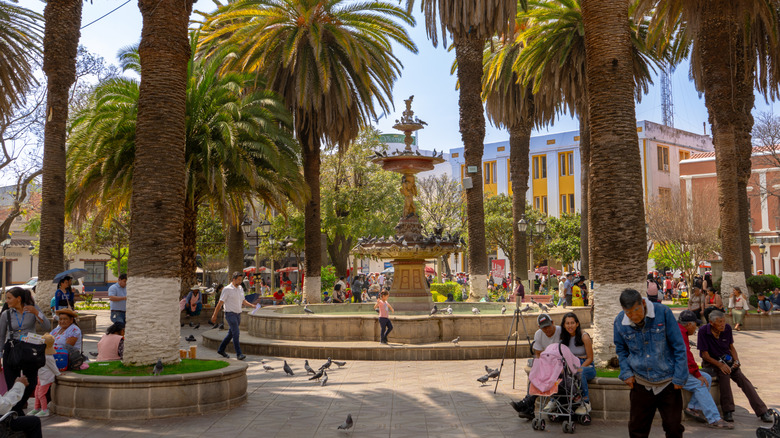
In Tarija, Bolivia, according to LivingCost.org, a single retiree can live comfortably on $556 per month. A one bedroom apartment in a central location is just $253 per month, while utilities are just around $20 monthly. Internet costs roughly $34 per month, while monthly transit costs an average of $26. Even a standard visit to the doctor costs a fraction of the U.S. price at $18 per visit. As per JarniasCyril, international health insurance starts at an average cost of $80 which covers consultations, check-ups, lab work, medications, and basic local insurance coverage.
Additional lifestyle benefits include access to wine country, with warm climate, and a busy city with lots of businesses but a sense of tranquility and slower style of living. With all of this talk of incredible affordability, it would be easy to take your eye off the ball and overstay your welcome. Keep in mind, your Social Security benefits can be suspended if you leave the U.S. beyond a certain length of time.