

'A Camry In A Tuxedo': The Reliable Car Still Worth Buying After 100k Miles

When Toyota introduced the original Lexus ES for the 1990 model year, its design was closely related to the Toyota Camry's. In addition to sharing a parent company, the models initially shared both an engine and a drivetrain. Since then, the ES has continued to build its identity around combining Toyota's familiar dependability with a more refined luxury-sedan experience by offering a quieter ride, richer cabin materials like leather and wood trim, and an emphasis on comfort. This history has earned the ES a reputation as a "Camry in a tuxedo" and helped Lexus earn a place among the most reliable luxury car brands.
The Camry is one of Toyota's best-selling models and ranks among the top cheap vehicles known to be reliable beyond 200,000 miles – and several ES models have earned the same reputation for high-mileage reliability in the luxury segment. For example, the 2005 ES 330 is a worthy consideration for drivers even decades after it went into production: units with over 100,000 miles still draw praise on Cars.com for their reliability, with one owner reporting theirs only needed minimal engine work after 216,000 miles. Depending on their condition, you can often find high-mileage ES 330s online for between $2,000 and $9,000.
Those with a bit more to spend also have plenty of options, as newer ES models also have a strong reliability streak: The 2010 ES has a 93 out of 100 Quality and Reliability score on J.D. Power, and the 2016 and 2018 ES both have 90s. High-mileage ES 350s from 2010 to 2018 list from around $5,000 to upwards of $20,000.
The Lexus ES model years with the most value to buyers
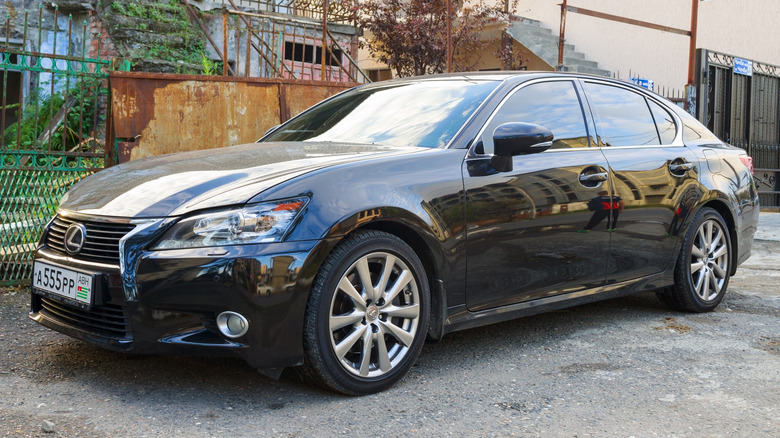
The models mentioned above are just a few examples of what's available, as the used ES market is broad enough to suit a range of budgets. But for a high-mileage ES to justify the purchase over a lower-mileage car, it needs to be priced right, reliably maintained, and still capable of delivering the luxury experience that sets it apart from a plain Camry.
The best place to start is with the right model year. Generally, models from 2007 onward are a safer bet, but pre-2007 examples like the 2005 ES 330 can still be solid options. However, due to age, they may merit more scrutiny as they're more likely to come with outdated components and longer, harder-to-verify maintenance histories. Meanwhile, more recent examples, like a 2021 ES 250 or 350, frequently list for at least $20,000 to $30,000, which could prove more restrictive for people with tighter budgets.
The 2010-2012 ES 350 models might make the strongest case, combining good J.D. Power Quality and Reliability scores with above-average Consumer Reports reliability assessments. Many of the listings in this age range are well past 100,000 miles, and are often priced between $5,000 and $14,000, depending on trim. The 2015–2018 window is worth considering, too, if your budget stretches between $10,000 and $20,000. These model years also have respectable reliability, per Consumer Reports, while giving you a more modern vehicle that generally costs less than a low-mileage used ES.
Owning a high-mileage Lexus ES won't break the bank
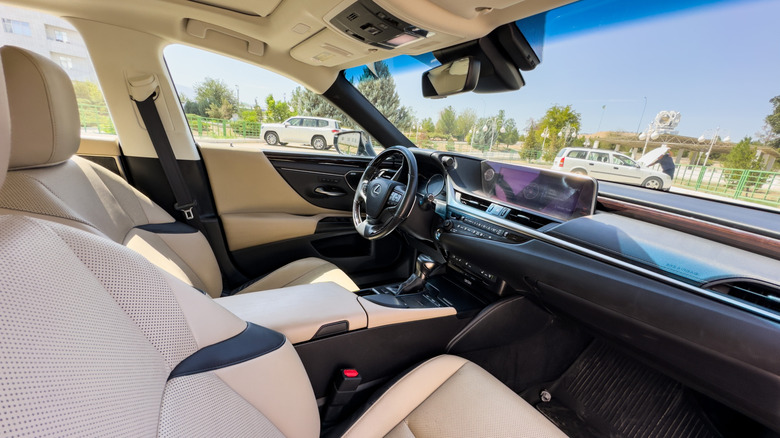
Used luxury cars often end up becoming financial traps because the price is low, but the cost of maintenance can be high. However, the ES largely sidesteps that problem: RepairPal puts the average annual repair cost for an ES 350 at $468 — well below the $739 average for luxury midsize cars. For context, BMW owners average around $968 in annual repairs, and Mercedes-Benz drivers spend around $908. Additionally, the likelihood that an ES needs any major repairs sits at just 6%, compared to 12% for the entire luxury midsize segment.
Full insurance coverage on a Lexus ES averages around $189 per month, according to MoneyGeek, though older model years can cost less. Compare.com, for example, puts full coverage for a 2018 Lexus ES at about $164 per month, while liability-only coverage averages $61 per month. So, a high-mileage 2012 ES 350 worth around $10,000 can cost less to insure than a new one worth over $40,000.
Depreciation, meanwhile, is actually your friend when buying a used ES. The ES 350 loses around 63.7% of its value over ten years, per iSeeCars, meaning original owners will likely absorb the steepest losses. The floor on depreciation for older high-mileage examples is also relatively soft; Kelley Blue Book says a 2010 Lexus ES has depreciated only 5% from 2023 to 2026, suggesting these cars don't continue to crater in value the way some used luxury models do. These projections could suit many value-focused buyers, and further cement why the ES ranks as one of the best Lexus models for retirees.