

12 Cheap Vehicles Known For Reliability Beyond 200,000 Miles
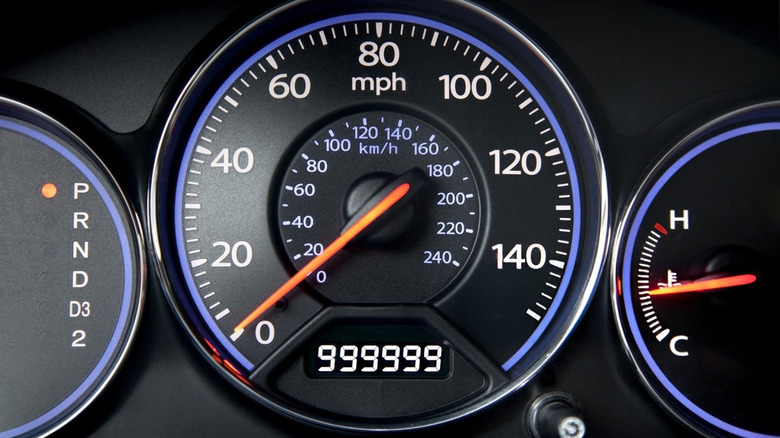
Whether you're looking to buy a reliable used car or a new car that will last for a long time, a vehicle's lifetime mileage capacity is an important consideration. Not long ago, most vehicles topped out at 100,000 miles before costing too much money to maintain than they were worth. Today, it's a different story. It's not uncommon for vehicles to make it to 150,000, with the most reliable models stretching to 200,000 and beyond, according to Consumer Reports. The average American drives about 13,476 miles per year, as reported by the U.S. Department of Transportation's Federal Highway Administration. That means a vehicle that can reach this upper limit on the odometer may serve an owner well for nearly 15 years.
Consumer Reports, which is a nonprofit dedicated to helping consumers make better purchasing decisions, has rounded up a list of the most reliable vehicles beyond the 200,000-mile mark. This completely independent consumer advocacy group has extensive experience testing vehicles, conducting surveys, and employing other means of data collection to gain an accurate assessment of a car's capabilities, especially in the long run. However, many of the metrics used by the independent testing organization rely on predictive scores. If you're planning to drive a vehicle for more than a decade, you're more concerned with the tangible ownership expenses, issue frequency, and depreciation information.
To help drivers find the most reliable vehicles beyond 200,000 miles, MoneyDigest took a deep dive into these concrete, real-world characteristics to explain exactly why these models make the cut. Better yet, we only looked at vehicles with a starting price tag below the average new car price of $49,353, as tracked by Kelley Blue Book (KBB). These 13 cheap vehicles known for reliability over 200,000 miles will make you think twice before buying a new car.
1. Toyota Camry
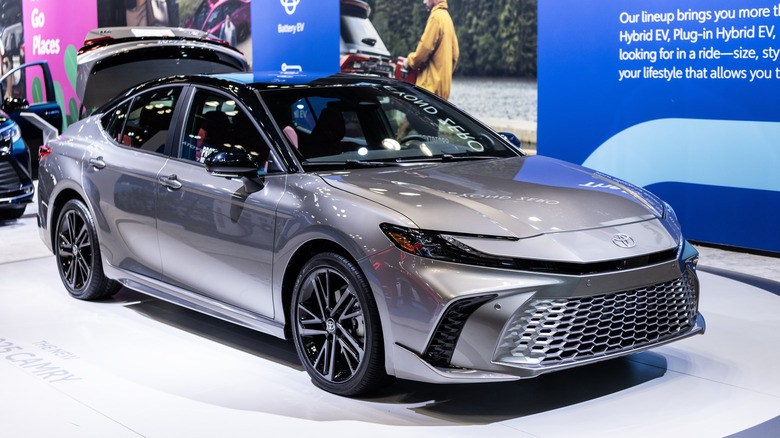
The Toyota Camry is one of the top-selling cars that is also the most reliable, according to Consumer Reports. By looking at more than 300 million pieces of data, iSeeCars suggests that the Camry enjoys a 26% chance of hitting a minimum of 200,000 miles, far above the industry standard. This long lifespan is combined with a lower-than-average maintenance bill. Over a decade, CarEdge predicts the typical owner will spend $4,581 on the Toyota Camry, about $1,165 lower than for similar sedans. Furthermore, this model experiences a 4.41% lower chance of requiring a considerable fix across a decade.
RepairPal estimates that the Camry only heads to the shop for unforeseen repairs 0.3 times annually. U.S. News reports that the 2026 Toyota Camry sells for between $29,000 and $30,525 in its starter trim, which is up to 41.2% lower than the average price for a new car. Following 10 years of ownership, the Camry only retains an impressive 43.59% of its original sales price. At this stage, it can be reliably sold for around $15,199, per CarEdge depreciation data. If you're buying used, waiting two years to buy saves you $9,230.
2. Honda CR-V
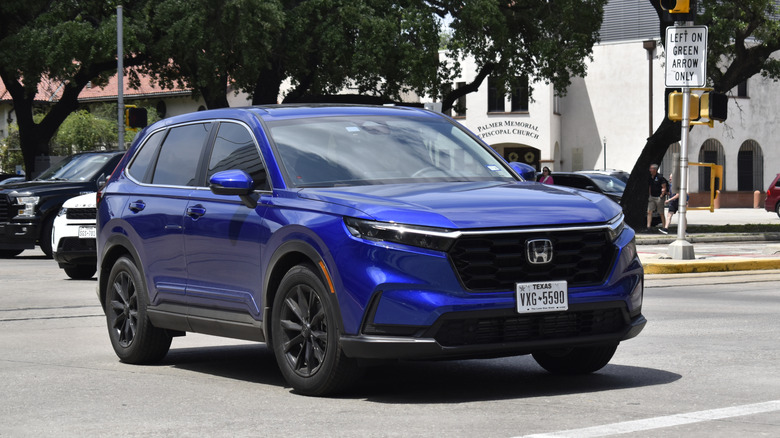
KBB has identified the Honda CR-V as one of the best SUVs money can buy, a sentiment which is backed up by a variety of other research. For starters, iSeeCars predicts that this nameplate has a 29.9% chance of driving to at least 200,000 miles, surpassing the majority of vehicles on the road. In terms of maintenance costs, the CR-V also beats out the competition by $530 when measured over the course of a decade. In total, drivers should budget around $7,636, as reported by CarEdge. At the same time, this SUV sees 2.85% lower odds of needing a major fix in the same time frame, for an overall risk of 21.74%.
RepairPal says that the usual CR-V driver only seeks an unscheduled repair about 0.3 times annually. The most affordable 2026 Honda CR-V trim costs $30,920 to $32,420, according to U.S. News, which is up to 37.3% lower than the national average. CarEdge suggests the average CR-V model holds on to 46.25% of its initial value within a decade, allowing it to sell for $17,636. This means patient buyers can slash $8,248 from their costs when buying the CR-V two years after its release.
3. Honda Accord
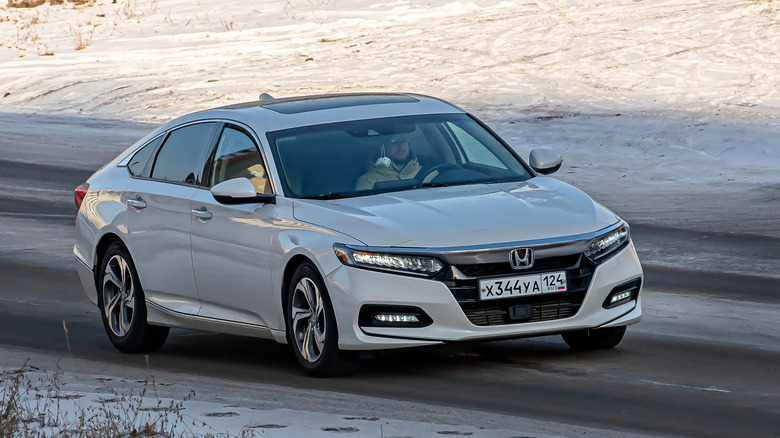
Both KBB and Consumer Reports have said that the Honda Accord is one of the most reliable cars, and these leading publications aren't alone in their assessment. This in-demand sedan boasts a 26.5% likelihood of driving to 200,000 miles at minimum, according to iSeeCars. This outpaces the average lifespan of most cars. Owners of the Accord spend about $5,807 for routine maintenance across 10 years of driving. This falls right in line with the norm for comparable sedans, only sitting $61 above the average. CarEdge also reports that the Accord comes with a 16.08% chance of demanding a significant repair during the same period, lower than the standard by 0.61%.
Similar to the previous models, the Honda Accord runs into unscheduled issues around 0.3 times each year, as reported by RepairPal. U.S. News suggests the entry-level 2026 Honda Accord can be bought for $28,395, a solid 42.5% below the market norm. Following a decade of ownership, the Accord still retains 45% of its initial price tag, leaving owners with a resale value of $16,308. CarEdge further estimates that holding off on buying the newest model for only two years results in a savings of $9,607.
4. Toyota Prius
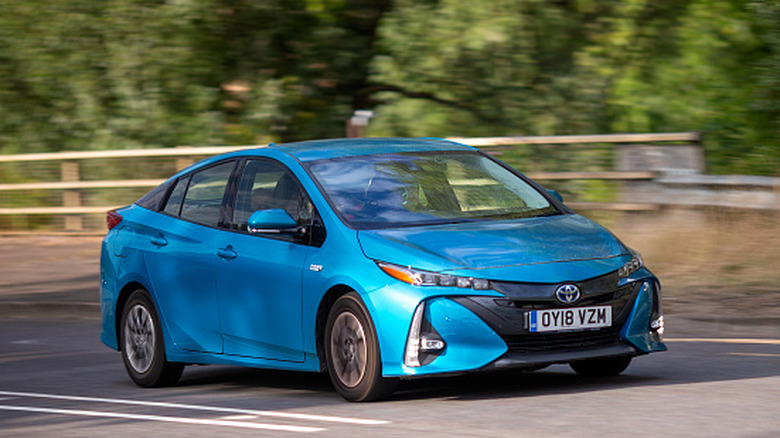
The Toyota Prius was a pioneer in the hybrid space and remains a highly popular vehicle for those looking for lower fuel costs and a long-lasting investment. The data from iSeeCars indicates that the Prius has a 28.9% likelihood of breaching the 200,000-mile mark. As a compact hatchback vehicle, the Prius already clocks in on the lower end of 10-year maintenance costs at $4,360. This hybrid even beats out the average upkeep for comparable models by $515. It also sees 3.06% lower risk of needing a significant repair in the same period, for an overall chance of 11.58%, according to CarEdge.
Although the Prius remains on the road longer than the industry average and saves drivers on upkeep costs, it does experience unplanned issues at a higher rate than normal. RepairPal estimates drivers visit the body shop 0.5 times yearly for unforeseen issues. U.S. News reports that the 2026 Toyota Prius goes for $28,550 to $29,950. This lowest-cost trim is up to 42.1% cheaper than the normal new vehicle. The typical Prius holds onto 45.82% of its original value after a decade, giving current owners a decent resale price of $15,975, according to CarEdge. Despite its above-average lifespan, this new car is one of the worst deals, according to Consumer Reports. Fortunately, you can cut your upfront costs of owning a Toyota Prius by $6,328 when waiting two years to buy a used model after release.
5. Toyota Corolla
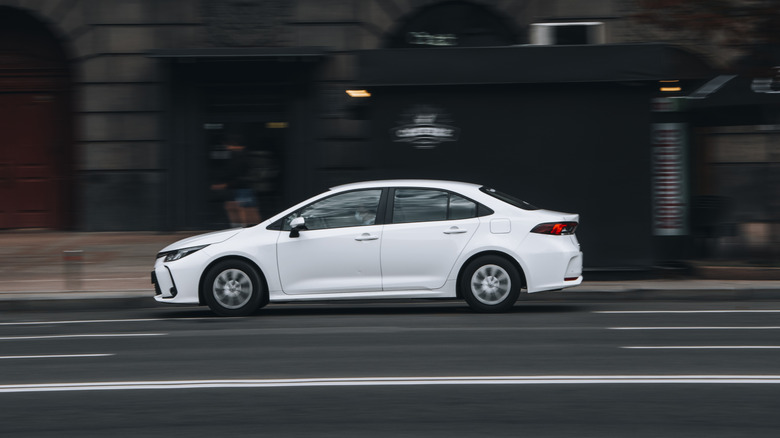
If you own the Toyota Corolla, there's a 17.9% the vehicle will last up to 200,000 miles, as reported by iSeeCars. This may not be as reliable as models on this list, but it remains much higher than the norm. On the flipside, the Corolla is among the cheapest vehicles to maintain. CarEdge puts the 10-year upkeep costs at $4,434, which is a competitive $1,312 under the normal costs for comparable sedans. Simultaneously, the Corolla sees a 4.41% lower chance than the average of forcing drivers to pay for a considerable fix within 10 years of ownership. Overall, these odds sit at 12.28%.
Driving the Toyota Corolla usually only comes with 0.3 unplanned visits to the auto shop each year, lower than the market average, according to RepairPal. The brand-new 2026 Toyota Corolla can be bought for as little as $22,725 in its base trim, per U.S. News, coming in 53.9% under the average price of a new car. Notably, this reliable car has one of the best depreciation rates. CarEdge reports that the average Corolla remains worth 51.35% of its selling price even after 10 years of use. This equips long-term owners with a robust value of $14,170 after a decade of driving. After two years following its newest release, the Corolla offers interested buyers $4,851 off its original cost.
6. Toyota Highlander
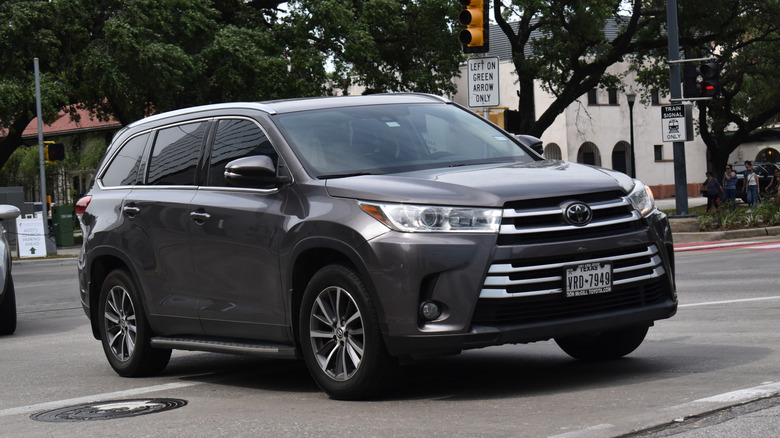
The Toyota Highlander is a top-selling SUV that's also very reliable, according to Consumer Reports. With a 33.2% likelihood of driving to a minimum of 200,000 miles, per iSeeCars data, the Highlander is proof that large SUVs don't automatically equate to a lack of durability. This sizable vehicle does come with slightly elevated maintenance costs, compared to other models on this list, yet it still undercuts the average decade-long upkeep costs of comparable SUVs by $1,941. CarEdge suggests Highlander owners usually spend about $6,225 over 10 years to keep the vehicle running smoothly. Owners face a 16.61% chance of needing to cover a major fix, but that's lower than the norm by 7.98%.
RepairPal only sees Highlanders experiencing unscheduled maintenance issues 0.3 times annually, better than the typical model. The 2026 Toyota Highlander is on the upper end of the price range in this ranking, yet still more cost-effective than the average new model by up to 16.2%. U.S. News suggests that base trim can be purchased for between $41,360 and $42,960. Unlike most vehicles, which depreciate extremely quickly, a Highlander keeps 39.49% of its original value after a decade of ownership. After this time, owners can reasonably expect to sell this SUV for $19,232. If the new price tag is still a bit high, you can cut down your costs by $12,887 when waiting two years to purchase, according to CarEdge.
7. Toyota Tacoma
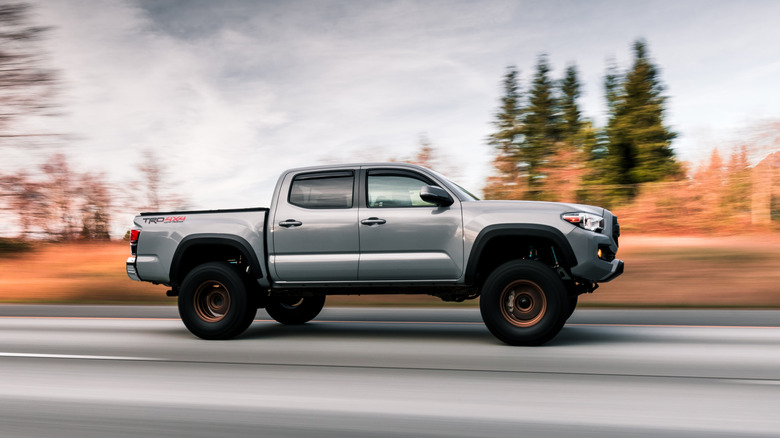
The Tacoma is one of the most reliable Toyota cars, which is saying a lot given the brand's reputation for producing dependable vehicles. iSeeCars estimates that this popular pickup truck reaches 200,000 miles at a rate 42% more than comparable models. Within the initial 10 years of driving, the Tacoma racks up maintenance bills totaling $6,931. CarEdge indicates that this figure is $2,694 lower than the standard for similar trucks. Furthermore, the Tacoma has a 10.51% lower chance of needing a significant fix over the same period when measured against other pickups. Overall, owners of this Toyota truck see 19.12% odds of having to cover a major fix.
The Toyota Tacoma needs unscheduled maintenance only about 0.3 times annually, per RepairPal. Trucks may be known for their loftier prices, but the 2026 Toyota Tacoma costs about $32,245 to $37,105 in its cheapest trim, according to U.S. News. This means drivers can snag the Tacoma for up to 34.7% cheaper than the new car average. The Tacoma's resistance to depreciation is another standout among pickups. After 10 years of use, this truck still holds onto 65.48% of its original sales price, as measured by CarEdge. This leaves long-time owners with a truck worth around $29,070 even after a decade of ownership. Notably, waiting for years to buy the Tacoma can yield savings of $7,969.
8. Ford F-150
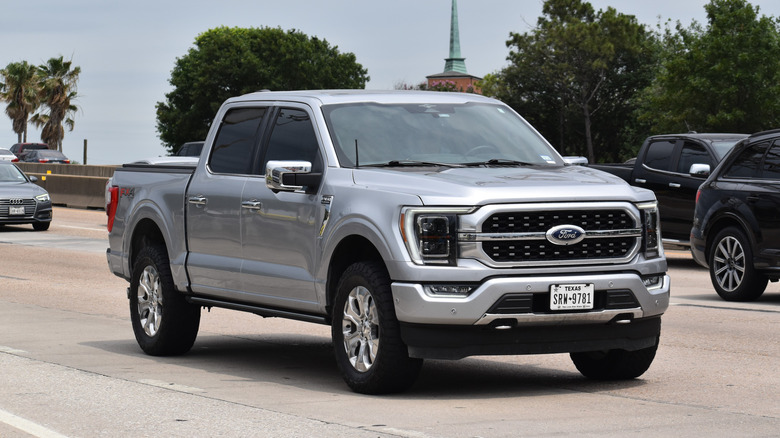
KBB lists the Ford F-Series as the top-selling vehicle in 2025, with over 800,000 units sold. This widespread demand is mirrored by superior reliability. On average, the Ford F-150 sees 26.2% odds of hitting 200,000 miles, according to iSeeCars, making it much more reliable in the long-term than most vehicles. Unfortunately, this particular pickup drives up an owner's maintenance costs. More specifically, CarEdge estimates that the Ford F-150 costs $1,617 more than comparable trucks to keep up and running. In the initial decade of ownership, you should expect to pay about $11,242 in upkeep. These higher-than-average repair costs also come with elevated chances of issues. Within the same time frame, the Ford F-150 faces a 31.63% likelihood of demanding a sizable fix, 2% higher than the norm.
RepairPal estimates that the average Ford F-150 driver needs to visit the shop for unexpected issues only 0.3 times annually. There are popular alternatives to the popular F-Series vehicles, but the Ford F-150 is still more affordable than the standard new model. U.S. News indicates the entry-level model starts at $37,290, which is 24.4% below the market average. CarEdge calculates that the average Ford F-150 after a decade of ownership holds onto 36.12% of its initial value, leaving drivers with a resale potential of $22,397. Although the Ford F-150 depreciates faster than some other models on this list, it works out well for consumers buying used. Waiting just two years after release can save a buyer a staggering $23,166.
9. Chevrolet Silverado 1500
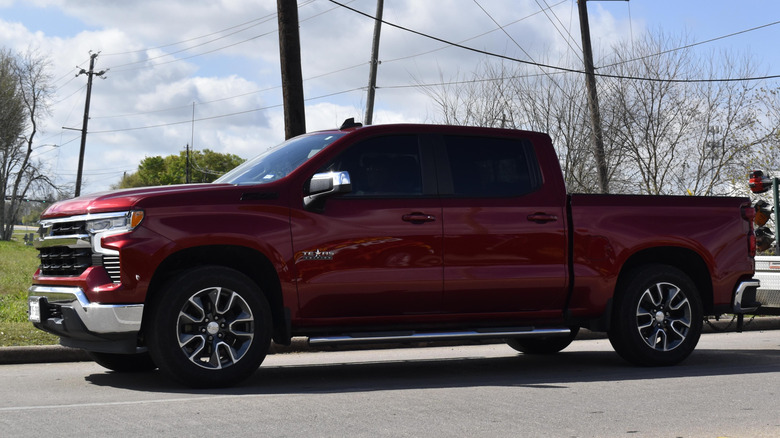
The Silverado 1500 is Chevrolet's response to the popularity of the F-150, but it far outpaces its Ford cousin in terms of longevity. According to iSeeCars, the average Silverado 1500 sees a 33.7% chance of making it to at least 200,000 miles, although plenty of models far exceed this milestone. Similar to the F-150, this increased lifespan comes with some elevated expense bills. Over 10 years, CarEdge expects the typical owner to spend $10,950 keep their Silverado 1500 running optimally. This stands $1,325 above the norm for comparable trucks. On top of that, the Silverado 1500 faces a 1.35% higher probability of needing a considerable fix in the first decade of ownership when stacked against similar trucks.
RepairPal indicates that the Silverado 1500 only runs into unexpected problems requiring a visit to the auto shop 0.2 times annually on average, half the frequency of the market norm. Consumer Reports indicates the most affordable 2026 Chevrolet Silverado 1500 costs $36,900, 25.2% cheaper than the standard new vehicle. Chevrolet is one of the car brands that cost the least over time, which supports savings in the long-run. Owners further benefit from a gradual depreciation average, with the standard Silverado 1500 maintaining 38.15% of its original sales price. Even after 10 years of ownership, this truck can still be sold for $22,100, according to CarEdge. Those who can delay the purchase of a new Silverado 1500 by two years stand to save a whopping $21,729.
10. GMC Sierra 1500
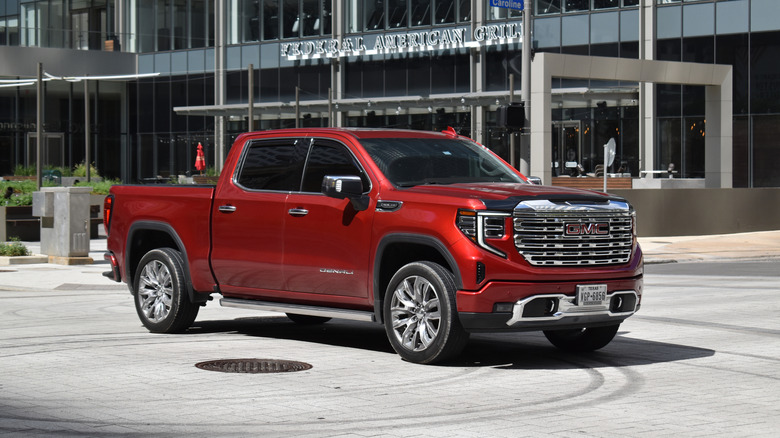
Sometimes, the most dependable cars are not the flashiest. For example, the GMC Sierra 1500 is one of the most reliable trucks compared to the Tesla Cybertruck. Per iSeeCars, the Sierra 1500 carries 32.7% odds of driving to at least the 200,000-mile point. Similar to the other trucks in these ratings, the GMC Sierra 1500's upkeep expenses are loftier than those of the included SUVs or sedans. However, this truck is much closer to the average maintenance costs for comparable pickups. CarEdge estimates the decade-long upkeep costs hit $9,861 for the Sierra 1500, which is only $236 more than the standard. Drivers of this GMC pickup face a 27.12% chance of having to pay for a major fix within the first 10 years of ownership, 2.51% lower than for the industry standard.
The GMC Sierra 1500 needs to visit the body shop at half the rate of typical vehicles for unplanned repairs, at a rate of just 0.2 times annually, according to RepairPal data. U.S. News reports that the 2026 GMC Sierra 1500 costs between $38,300 and $47,800 for its basic trim. This popular truck can be purchased for 22.4% cheaper than the price of the average new vehicle. Following a decade of ownership, the typical GMC Sierra 1500 holds onto 39.16% of its original sales price, leaving loyal owners with a vehicle worth $25,208 after all that time. If you're eager to get yourself a Sierra 1500, you may want to consider holding off for two years. Buying after this time passes can cut down the price by $25,124, per CarEdge.
11. Toyota RAV4
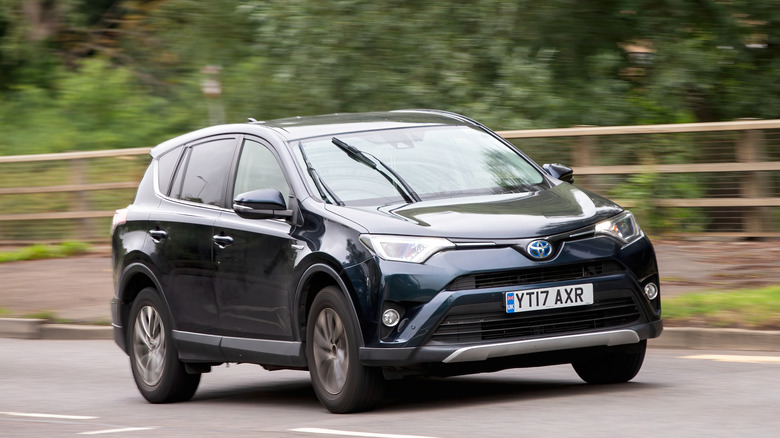
As reported by iSeeCars, the Toyota RAV4 enjoys a 28.9% likelihood of stretching to a minimum of 200,000 miles, although plenty of models that are well-maintained make it far past this point. Owners of this SUV tend to see maintenance bills $2,161 under the norm for similar models within the first decade of driving the RAV4. Overall, these upkeep costs are projected at a modest $6,005, as calculated by CarEdge. The RAV4 also experiences 7.98% lower odds of demanding a serious fix within the same period.
RepairPal estimates that the average RAV4 only experiences unscheduled issues 0.3 times per year. U.S. News says the RAV4 entry trim is just $31,900, which is 35.36% below the market average. CarEdge estimates this SUV holds onto 48.99% of its original sales price after 10 years, leaving owners with a sales value of $18,465. If you're buying used, waiting just two years after a model is released can yield a savings of $6,253.
12. Toyota Tundra
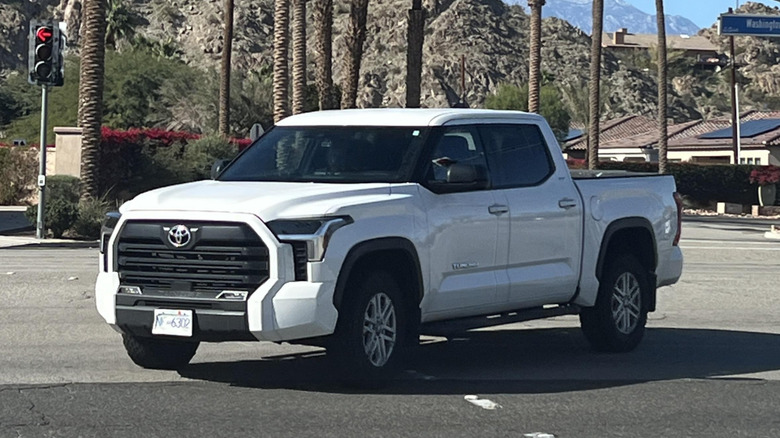
The Toyota Tundra may not move as many units as its Tacoma counterpart, but it offers a longer lifespan. In fact, this truck is the most dependable vehicle when it comes to reaching 200,000 miles, with a 55.3% likelihood of reaching this mileage, per iSeeCars data. It also comes with one of the lowest maintenance costs for trucks at the 10-year mark. CarEdge indicates that owners only need to pay roughly $7,226 within the initial decade of driving the Tundra, a wallet-padding $2,399 below the upkeep costs of comparable trucks. Additionally, owners benefit from a 10.51% lower probability of having to cover a considerable repair over the same period. Overall, the Tundra only sees a 19.12% of needing a major fix.
Tundra owners only have to visit the auto shop about 0.3 times annually on average for impromptu fixes. That's about 25% less than the industry standard, according to RepairPal. U.S. News reports that the lowest-cost Tundra trim ranges from $41,260 to $46,260, falling below the average cost for a new vehicle by up to 16.4%. CarEdge's depreciation calculations suggest that the Tundra holds onto a respectable 56.18% of its original listing price even after a decade of ownership and frequent use. Owners can expect to get about $33,177 for this pickup after 10 years. The Toyota Tundra's combination of exceptional reliability, limited depreciation, long lifespan, and reasonable starting price can make it easy to choose between buying new, buying used, and leasing. If you're not willing to pay the full amount, the Toyota Tundra tends to sell for $12,726 less than its retail price two years after release, according to CarEdge.