

11 German Cars You Should Stay Away From (They Aren't Worth Your Money)
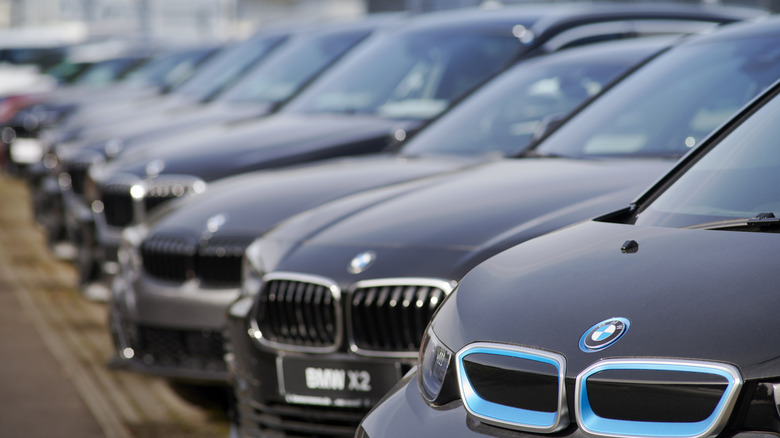
Germany is a powerhouse in the global automotive industry, with a reputation for world-class engineering and first-rate quality. According to German Trade & Invest, the European country's unique combination of an exceptionally competent labor force, refined research and development fields, and full supply chain ownership supports the nation's production of top-tier models. Within Europe, Germany is an uncontested force, producing more vehicles than the next two countries combined. This dominance extends globally, too, with the country accounting for the release of 60% of premium nameplates.
This pioneering force in the automotive sector may not have surpassed that of the United States or Japan. Still, Germany has carved out a niche within the premium market, with a reputation for designing and producing first-rate models. You simply cannot produce a list of the leading premium car brands without including some of the most iconic German names, such as BMW, Mercedes-Benz, and Porsche. Even Volkswagen's more mainstream focus has been recognized for its top-tier quality and reliability.
The major downside of these superior vehicles is hefty pricing. German models routinely have sales prices far exceeding the market benchmark. According to Kelley Blue Book (KBB), the average new vehicle sold for $49,461 in April 2026. In contrast, the average transaction price for BMW models was $70,043 during the same period, per Cox Automotive, which is KBB's parent company. Meanwhile, Mercedes-Benz vehicles are routinely sold for $72,650. Volkswagen, the most affordable of the popular German brands, still fell far above the national level at $57,000. Although there are plenty of German models that can justify their price tags, a handful should be avoided at all costs. Money Digest rounded up 11 German cars you should stay away from because they're plainly not worth your money.
1. Mercedes-Benz G-Class
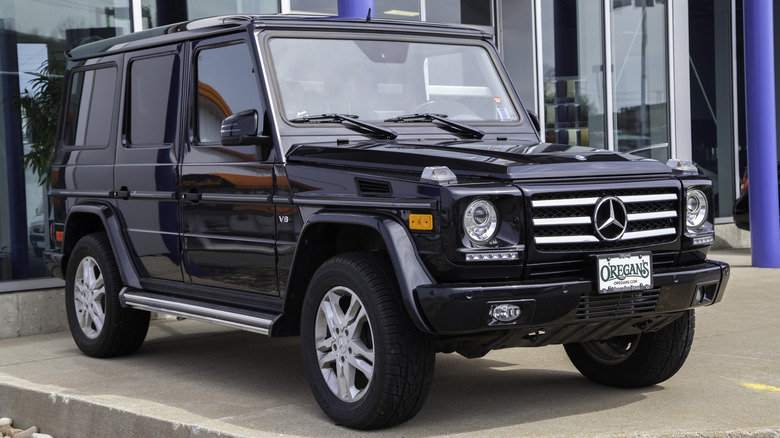
The 2026 Mercedes-Benz G-Class is a suite of luxury SUVs, with a manufacturer's suggested retail price (MSRP) bouncing between $153,900 and $195,550, per J.D. Power. That's nearly double the brand's already elevated average transaction price. The G-550, which is the nameplate's standard trim, comes with an exceptionally high five-year maintenance cost of $138,828, according to CarEdge. These expenses include depreciation, insurance, interest, fuel, and maintenance. With depreciation alone, owners of this premium SUV will only have 35.2% of their initial investment after a decade. Assuming a purchase price of $149,400, that represents an automatic $96,811 financial hit, per CarEdge data. At this price point, it's no surprise that Mercedes-Benz is heavily represented among the most expensive 2026 SUV models you should avoid.
The Mercedes-Benz G-Class is an issue-prone SUV, with recalls heavily concentrated between 2009 and 2011, according to NHTSA information. The 2009 version has considerable visibility limitations from front turn signal coverings that can heighten the risk of collision and an elevated likelihood of fuel leakage, which can spark a fire. The restricted visibility issue extends to the 2010 and 2011 production years as well, prolonging the recall period. The 2009 model has accumulated a number of routine complaints from drivers, such as the demanding and expensive repair schedule, especially for door alignment problems and electrical issues. Furthermore, owners criticize the driving experience as cumbersome, glitchy, and compromising.
2. BMW XM
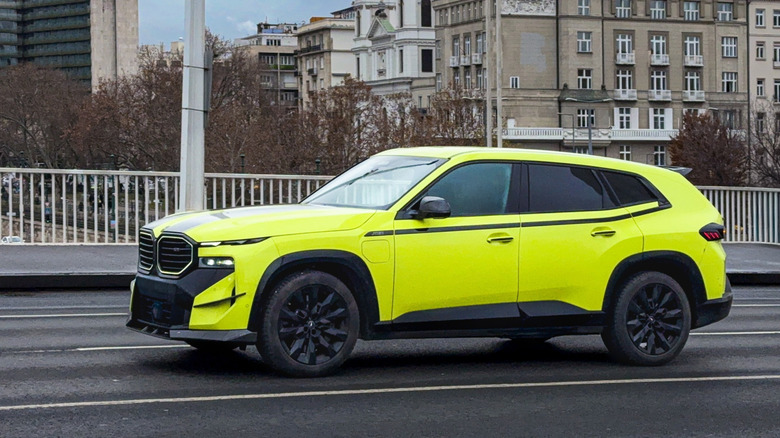
The all-new BMW XM typically sells for around $133,917 to $161,174, as reported by J.D. Power. Once again, this model is priced at nearly double that of the marque's average cost, highlighting the XM's financial burden. The weight of this investment only increases when looking at the prolonged costs. CarEdge indicates that drivers tend to spend a staggering $185,801 over the first five years of driving in general ownership expenses. More specifically, CarEdge suggests that BMW XM owners are destined to see around $130,362 worth of depreciation over 10 years if they paid around $179,142 for the model. This reflects a residual value of only 27.2%. Exceedingly high ownership costs are one of the many reasons a retiree regrets buying a BMW car, or any car, for that matter.
The 2023 BMW XM has five separate recalls and 67 manufacturer complaints, while the AWD 2025 version has five recalls and 93 manufacturer complaints, according to the NHTSA. The 2023 version has been rescinded several times for power brake assist malfunction, failed deployment of a front passenger airbag, and improper connection between the catalytic converter and exhaust system. The 2025 AWD model shares the same malfunctioning power brake assist, along with a risk of a detaching tailgate and seat belt warning issues.
3. Audi Q7
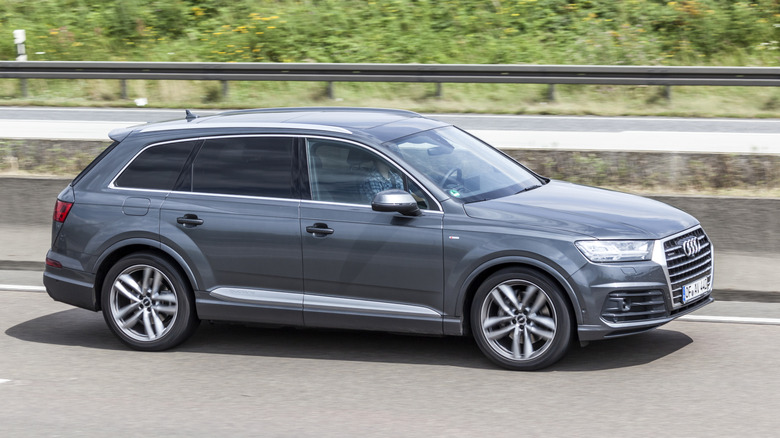
The Audi Q7 doesn't rise to the levels of many BMW or Mercedes-Benz models, yet it still far surpasses the cost of the new-car standard. J.D. Power estimates that consumers tend to spend around $56,927 to $82,141 on the 2026 Q7. Potential buyers may be shocked to learn that owning this premium sedan for only five years costs more than its starting price tag. CarEdge projects that the average driver will dump about $75,538 into the Q7 over half a decade of normal use. Depreciation represents the largest expense, as this premium sedan only holds onto 25.4% of its original value after a decade. For example, that would leave owners with a meager resale value of $16,658, assuming an initial payment of $65,505, as reported by CarEdge. Revealingly, the Audi Q7 is one of the least reliable cars despite its popularity.
Between 2007 and 2017, the Audi Q7 was consistently the victim of recalls, with the sole exception of the 2016 release, per the NHTSA. The problems have only gotten worse over time, with the 2017 model being rescinded seven different times. Among the most dangerous issues with this nameplate are complete loss of steering, increasing the risk of a crash, fuel leakage creating conditions for a fire, failed deployment of airbags and seat belt pretensioners, and improper airbag deployment.
4. BMW X6 M
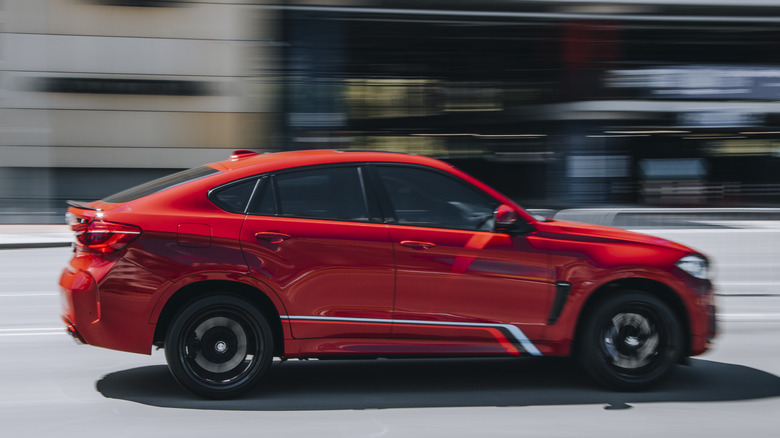
The streamlined BMW X6 M tends to go for anywhere from $131,325 to $151,083, as reported by J.D. Power. This initial cost is towering, but the SUV's five-year ownership expenses nearly match that figure, reaching $121,930, per CarEdge. The gradual decline in value of the X6 M deals a serious financial blow, with the SUV shedding $99,103 of its initial price over a decade. For context, this assumes an original purchase worth $133,275. CarEdge further clarifies that the X6 M only retains about a quarter of its brand-new sticker price. If you're thinking twice about buying a new car, this SUV's rapid inflated price and punitive, prolonged costs can make the choice much easier.
The BMW X5's pitfalls may not have spread as extensively as some other models, but the complications are highly concentrated among a handful of production years. From 2011 to 2013, this nameplate attracted 24 separate recalls, dozens of complaints, and hundreds of manufacturer communications, per the NHTSA. The 2011 model, which has the greatest number of recalls, was rescinded for exploding passenger airbags, failed airbag deployment, water pump failure, fuel leakage, and a finicky front driveshaft, among other, more routine issues. The 2012 and 2013 models both have a risk of driver and front airbag explosion, too, exposing passengers to serious injury and even possible death.
5. BMW X5 M
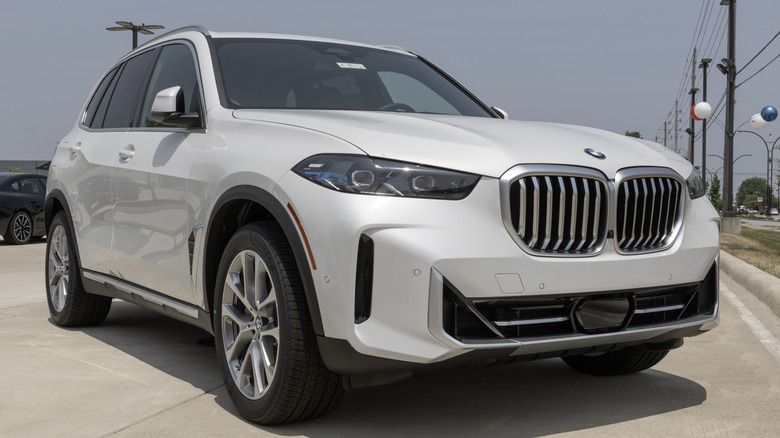
The BMW X5 M is a slightly smaller version of the X6 M, but it offers nearly identical performance. Unfortunately, this coupe-style SUV also bears a similarly exorbitant financial penalty. J.D. Power placed the car's average price range between $123,506 and $143,742. You're not off the hook when driving off the lot, either. CarEdge projects this SUV's half-decade ownership expenses at $124,622. Depreciation accounts for a massive chunk of the X5 M's appetite for additional costs. After 10 years, this SUV only holds around 27.4% of its initial value, according to CarEdge. To add some perspective, if you bought this nameplate for $128,375, it would only be worth $35,149 after a decade. That goes to show you how quickly a car's value can depreciate after you buy it.
Although the BMW X5 M is no stranger to problems throughout its production, drivers should take considerable precautions with those released between 2012 and 2013. The 2012 model is subject to 10 recalls, per the NHTSA, along with 273 complaints and 292 manufacturer communications. Crucially, some X5 M units contain driver and passenger airbags at risk of exploding. Additionally, the 2013 release racked up seven recalls, 159 complaints, and 276 manufacturer communications. The issues with improper airbag deployment extend to many 2013 units, as well.
6. Volkswagen Tiguan
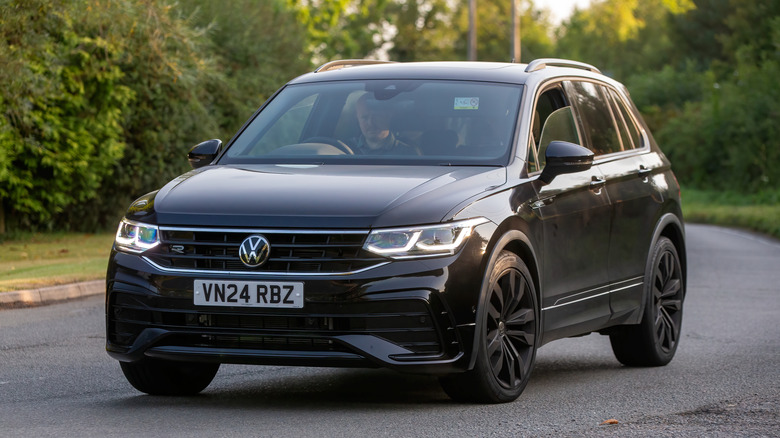
The Volkswagen Tiguan doesn't carry the price shock as other German models, but it's still a model you may want to avoid sinking any amount of money into. J.D. Power estimates that the average buyer spends around $27,831 and $45,007 on the all-new Tiguan, which is notably lower than the new car average. As with all these German models, this only marks the beginning of long-term investments. Over five years, owners see an additional $45,014 of costs, spread out among depreciation, insurance, fuel, interest, and maintenance, per CarEdge calculations. Falling resale value is one of the most egregious costs associated with the Tiguan, with the model losing $26,425 of its initial sales price after a decade. Assuming a purchase price of $36,948, the typical Tiguan would only be worth $10,523 after this period, according to CarEdge calculations.
The Volkswagen Tiguan was mired in recalls from 2009 to 2015, although the 2014 model escaped with no issues, according to the NHTSA. During this period, the SUV attracted unwanted negative attention through hundreds of complaints and thousands of manufacturer communications, highlighting a rough patch of design issues and production lapses. The 2015 release year saw the most scrutiny, with four independent recalls. Notably, many models from this production year failed to comply with industry regulations and standards due to post-inspection modifications by Volkswagen. Other crucial recalls involve malfunctioning airbags, which could deploy inadvertently or fail to engage during an accident, as well as shrapnel possibly hitting passengers from a ruptured seat-mounted airbag.
7. BMW X7
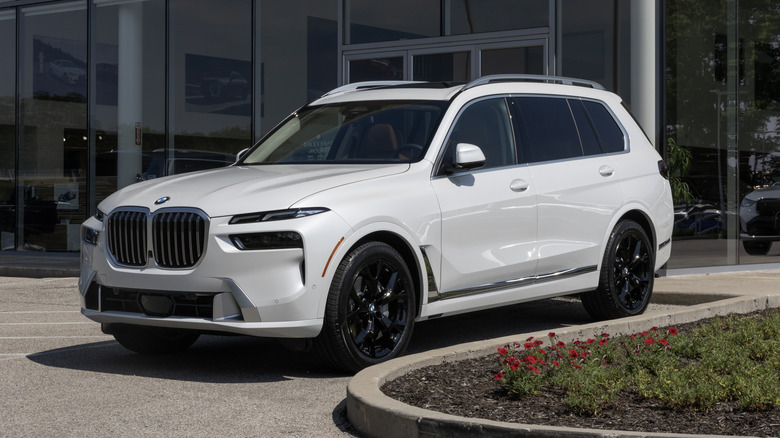
Although a used X3 could be a good investment for retirees, due to its accessible price tag and decent depreciation resistance, this doesn't extend to the more opulent BMW X7. This exclusive SUV jumps in cost compared to its more conventionally priced counterpart, usually going for between $82,317 and $125,138, according to J.D. Power. This harsh upfront cost is rivaled by the SUV's long-term ownership costs, which hover around $144,325 at the five-year mark, as reported by CarEdge. Long-term value retention is a serious issue for the X7, with CarEdge estimating 27.2% of the vehicle's original sales price remaining after 10 years. In other words, this SUV's resale drops by $94,195 through routine use, given a starting price of $129,442.
The BMW X7 has been subject to several recalls every year from 2019 to 2026, except for the 2024 release. The 2019 and 2020 models experienced some of the most treacherous issues, attracting 11 and 12 recalls, respectively, per the NHTSA. Both nameplates held a heightened risk of fire due to an overheating starter motor that sits near flammable components. Additionally, these BMW X7s experienced an increased probability of crashing due to a sudden loss of braking assistance from a malfunctioning ABS. To make matters worse, loose bolts threaten to allow wheels to become detached, introducing extreme risk and injury.
8. Mercedes-Benz GLS
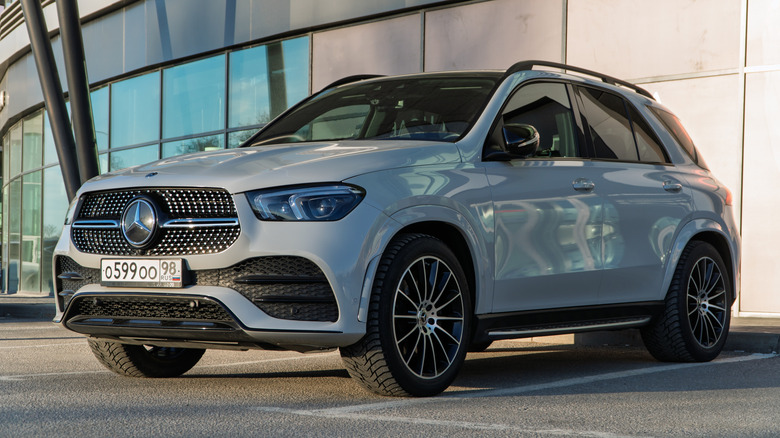
The Mercedes-Benz GLS boasts the same luxurious feel and premium design as the G-Class, but with more of a focus on everyday driving. This shift in audience doesn't come with any reduction in price, though. On average, consumers spend a whopping $81,086 to $187,34 on this upscale SUV, as reported by J.D. Power. Stunningly, the GLS features a more than six-figure range in price among its trims. The cost only compounds over the years, as owners typically put around $156,783 into this nameplate by the half-decade mark, per CarEdge. Within 10 years, depreciation alone accounts for $116,381 worth of losses, assuming an initial sales price of $179,600. More pointedly, the GLS only retains 35.2% of its value over a decade, according to CarEdge.
The recent history of the Mercedes-Benz GLS is marred by recalls, with some releases experiencing dozens of serious issues. According to the NHTSA, the 2017 and 2018 releases were subject to 10 and four recalls, respectively. Between 2021 and 2023, the GLS was recalled a staggering 27 times. The overwhelming majority of issues concentrate on the 2020 release, which has been the victim of 24 individual recalls. Among the most hazardous issues from this production year are a software glitch resulting in loss of control over the transmission, a malfunctioning ground connection that can cause a fire, a failed airbag deployment, and an inoperable emergency call system.
9. BMW 7 Series
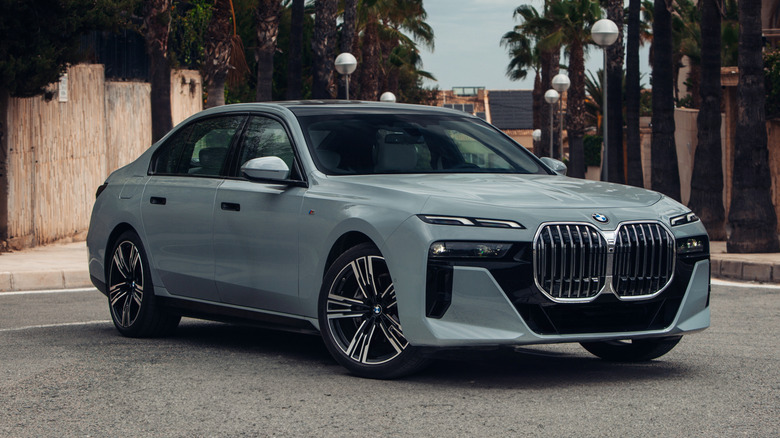
Money Digest already recognizes the BMW 7 Series as one of the worst cars for retirees, with cost being a huge setback for the German model. In reality, the expense-to-benefit ratio makes this sedan a serious financial hit to any consumer. Off the bat, potential buyers face a cost-prohibitive price range between $89,150 and $134,838, as J.D. Power highlights, far above the automotive sector's standard new car cost. Within the initial five years of driving the BMW 740, the baseline option of the 7 Series, the average owner spends about $115,676 across depreciation, insurance, fuel, maintenance, and interest, according to CarEdge. The 740's rapid erosion of value is the single-largest line item, with the sedan struggling to maintain 28.7% of its upfront cost over a decade. For reference, if you bought the 740 for $100,475, you'd only be able to sell it for roughly $28,806 after 10 years of regular use, as calculated by CarEdge.
The early 2000s were a serious pain point for BMW 7 Series owners, with dozens of recalls peppered throughout this period. The 2006 and 2007 production years faced the most problems, with seven and six recalls, respectively. All other versions within this time frame experienced three to four recalls, per NHTSA data. Some of the most common issues related to the 2006 model include inadvertent movement in the gearshift, excessive overheating while idle, routine oil leakage, and technological issues with the built-in iDrive system. Edmunds summed up this beleaguered model as "a luxury sedan with impressive features" that's "weighed down by an array of mechanical and electronic complications."
10. Audi A4
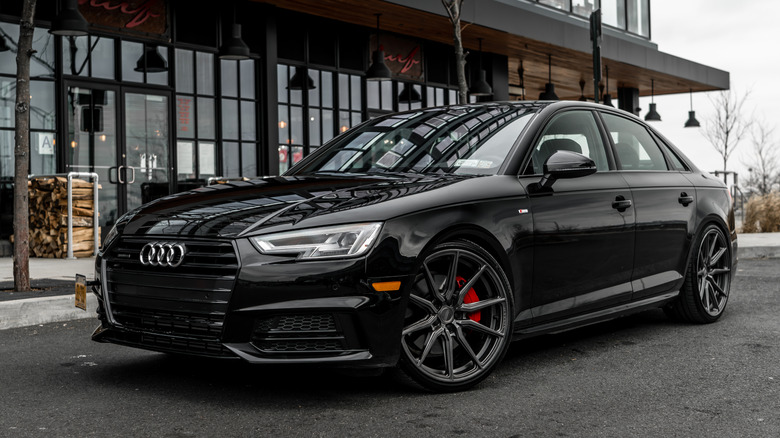
2025 marked the final year of production for the Audi A4, but this vehicle's dubious history and unjustified pricing are enough to make the list of German cars you should stay away from. J.D. Power indicates that this model, despite being one year old, still sells for an average of $40,642 to $58,095. While not as expensive as its Audi A7 counterpart, the A4 still eclipses the average new-car price. Its long-term ownership costs only pile onto the financially complicated equation. Over the initial five years of driving, the A4 drains an additional $51,546 from your budget, including depreciation, fuel, interest, maintenance, and insurance, as calculated by CarEdge. The gradual decrease in market value is the largest expense, and the amount of money lost only increases over time. CarEdge reports that the A4 will only hold onto 30% of its original sales price after 10 years. To add some context, you would only have a resale value of $13,378 if you bought the car for $44,608.
The Audi A4 doesn't have as many recalls as many other vehicles on this list, but there are enough issues to be concerned about pulling the trigger on this sedan. The NHTSA highlights that the 1996, 2002, 2003, and 2006 production years are exceptionally problematic, holding a total of 16 recalls. For example, the 1996 version suffered from improper airbag deployment, which increased the probability of injuring passengers. The 2022 model featured improperly deployed airbags, failing to provide sufficient protection in a collision, heightening the chance of injury or even death. Meanwhile, the 2003 nameplate exhibited significant fuel pump issues, including interrupted flow to the engine, which could result in stalling in the middle of driving. Ruptured and exploding airbags were a considerable issue with the 2006 Audi A4.
11. Volkswagen Atlas
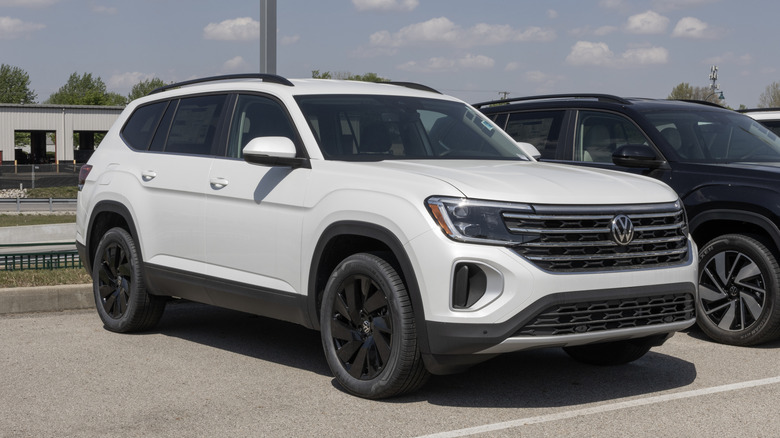
Consumers who are surprised to see another relatively reasonably priced Volkswagen on this list of German cars to avoid should consider that this brand has been recognized as the least dependable automaker in 2026. On average, the 2026 Volkswagen Atlas runs about $35,100 to $57,365, according to J.D. Power. CarEdge further indicates that the half-decade ownership costs, on top of the initial sales price, stretch to $56,928. When zooming out even further, the leading cost of depreciation really takes shape. Within a decade, owners only have about 28.5% of their initial investment left in the Atlas. This equates to a resale value of only $13,741 if the vehicle was bought for $48,248, per CarEdge.
Regrettably, recalls are commonplace for the Volkswagen Atlas over the past several years. Although the newest model has thus far escaped scrutiny, many other production years have a few rescissions. By far, the worst models are from 2018, 2021, and 2022. Both the 2018 and 2021 versions have 16 recalls each, while the 2022 model is subject to seven in total, according to the NHTSA. All Atlas SUVs from these years suffer from improper airbag deployment. More specifically, premature inflation or a complete failure overall dramatically increases the risk of injury or death. These recalls come in tandem with hundreds of complaints and thousands of manufacturer communications between them.