

The Popular Vehicle With A D+ Rating Is One Of The Least Reliable

Since the Q7 first appeared in the U.S. market for the 2007 model year, it has remained one of Audi's more visible and consistently selling vehicles. According to Best-Selling Cars.com, Audi's U.S. sales figures show 20,894 Q7s sold in 2024 and 18,381 in 2025, representing a 12% year-over-year drop but still solid volume for a luxury SUV. Out of Audi's 196,576 total U.S. sales in 2024 and 164,942 in 2025 (per the Audi Newsroom) the Q7 made up about 10.6% and 11.1% of the brand's volume, respectively.
But this enduring popularity doesn't necessarily mean the Q7 is a good car to buy in 2026. CarEdge gives the Q7 a D+ grade on its Value Grade system, a proprietary formula that compares a new vehicle's average purchase price with its future resale value, along with costs associated with repairs, insurance, and ongoing maintenance. It's important to note that this grading system doesn't constitute a car review; it reflects how well CarEdge thinks a car delivers in terms of value. And, unfortunately, the 2026 Q7 is near the bottom of the scoreboard for luxury vehicles.
Generally, Audi isn't known as one of the most reliable luxury car brands, and the Q7 is no exception. Despite a relatively high $62,000-to-$67,000 sticker price, J.D. Power gives the 2026 Q7 a reliability score of just 66 out of 100, which translates to "Fair." Meanwhile, RepairPal rates the Q7 only 2.5 out of 5.0 on this metric, citing its $1,185 average annual repair cost (which is high for the segment) and frequent shop visits. The National Highway Traffic Safety Administration (NHTSA) has also posted recalls for several Q7 model years.
Reliability issues affecting Audi Q7
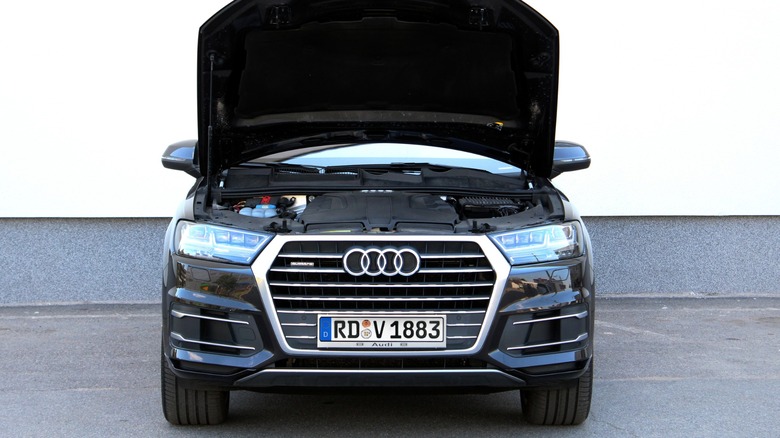
Audi Q7's second generation began with the 2017 model year, and the 2026 model is still part of that family. While the Q7 still sells on badge appeal, space, and tech, the 2026 model is carrying a lot of baggage from the same, long-running generation.
NHTSA records show that recent same-generation Q7s were hit with recalls for a driver's seat side air bag that may have been improperly mounted, a passenger-seat occupant-detection module with incorrectly soldered pins, seat belt buckles that may be missing a rivet, and a rearview-camera software fault that affects 2020 through 2026 model years. Audi also recalled some 2021 Q7s because the virtual cockpit instrument cluster could shut down and stop displaying speed, gear, and warning information.
Beyond recalls, users, reviewers, and mechanics have reported multiple other faults with this model. For example, for the 2025 model year, Consumer Reports' flags brakes, noises and leaks, the climate system, and in-car electronics as trouble spots, and one owner report specifically describes a refrigerant leak that left the AC empty until the issue was fixed under warranty. At the same time, GOBankingRates quotes Alan Gelfand, mechanic at the German Car Depot, who says that Q7's "... electrical and transmission problems and complex all-wheel-drive systems, all become erratic when vehicles exceed the 100,000-mile mark."
How poor reliability may be affecting Audi Q7's value
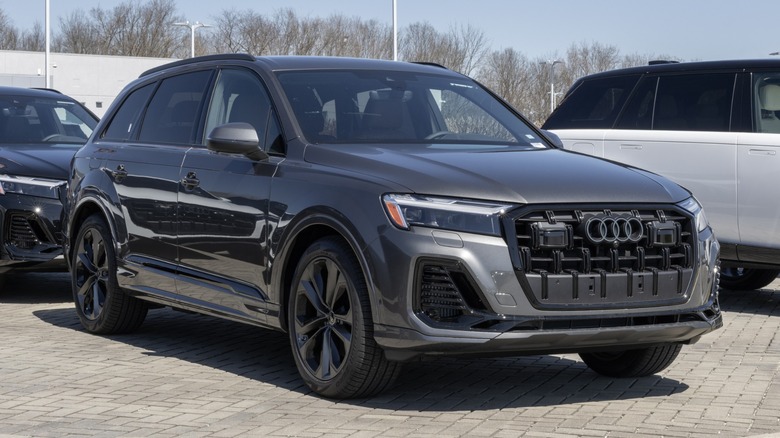
Usually, when a vehicle racks up recalls or develops a poor reliability reputation, its demand on the used market weakens, and its resale value declines. Based on figures from CarEdge, the Audi Q7 carries an average five-year ownership cost of about $75,538, with roughly $37,226 of that number coming from depreciation. These problems also plagued the 2025 Q7 and put it on the list of cars that will instantly drain a retiree's savings.
The CarEdge cost-of-ownership breakdown also shows the Q7 piling up about $13,410 in insurance costs and $4,175 in maintenance and repair expenses over just five years. These figures seem modest compared to those published by Kelley Blue Book, which place Q7's total five-year ownership cost somewhere around the $91,000 ballpark and peg its depreciation at $33,000 over the same period. All of which just reinforces the idea that the Q7 is not an affordable luxury car to buy or own. In contrast, the more reliable Lexus GX 550 — another midsize three-row luxury SUV that usually has a more expensive MSRP than the Q7 — costs about $5,000 less to own over five years, and half of these savings come from its comparatively low maintenance expenses.