

10 Best Cities For Retirees Who Love Fishing, Ranked By Affordability

There are few activities as synonymous with retirement as fishing. Whether casting your line from the shore or on an affordable pontoon boat, it's a hobby that some retirees can't wait to partake in once they've left the workforce. In fact, the Recreational Boating & Fishing Foundation reported that around 19% of the American population — roughly 57.9 million people — managed to enjoy some quality fishing time across 2024.
With so many retirees eager to angle, it's only natural to wonder where you can find the best fishing cities in the U.S. But for water-loving retirees, it can be just as important to find a town where you can settle down affordably to make the most of your retirement income. The good news is that seniors who love fishing but need to prioritize budget-friendly living don't have to choose between one or the other. We were able to identify a wide range of cities across the U.S. that aren't only great for fishing, but are also easy on the wallet.
In addition to considering areas with quality fishing options, we considered how much retirees can expect to pay for relevant licenses or permits, as well as the local cost of living expenses. When compiling this list, we prioritized this balance of easy access to fishing spots and affordability. With these factors in mind, these are our picks for the best cities for retired seniors who truly love fishing, ranked by affordability.
Beaufort, North Carolina
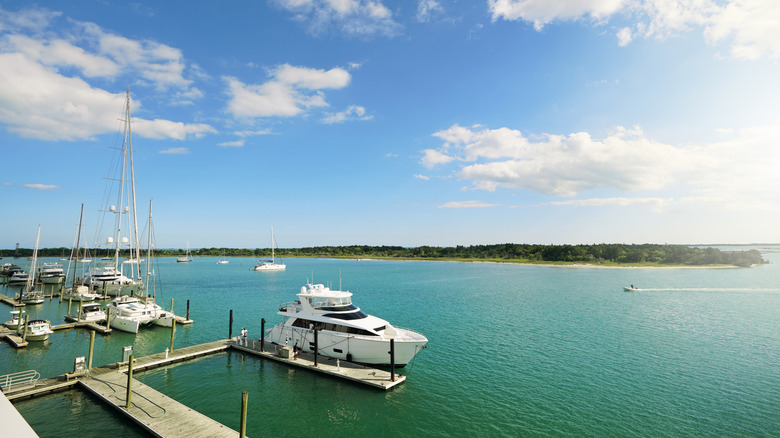
Beaufort is a great North Carolina town for retirees who prioritize lower living costs, but also want access to fishable bodies of water. Taylor's Creek runs through the small town of 4,912, per July 2025 reporting by the Census Bureau, and thanks to the Beaufort Inlet, the city is linked to the Atlantic Ocean. As such, retirees can enjoy both inland and coastal fishing, should they settle down in Beaufort. The area is also home to several types of fish, including largemouth bass and catfish.
For retirees that move to the area, North Carolina's Wildlife Resources Commission lets you apply and update your fishing license information entirely online. According to the Department of Environmental Quality, North Carolina residents pay $20 per year for a recreational coastal fishing license, and a unified coastal-inland license costs locals $51 per year. However, retirees can avoid fees if they qualify for government programs like Medicaid. Seniors who are at least 70 can also get a heavily discounted lifetime coastal fishing license, costing just $20. Oridinarily, the lifetime license costs between $326 and $652.
As for cost of living, BestPlaces reports that Beaufort residents pay $2,600 each month for living expenses. Area residents may spend notably less on housing and transportation costs. However, it should be noted that BestPlaces also highlights healthcare in the area is significantly more expensive than the national average. That aside, with smart budgeting, retirees should be able to make Beaufort work.
Ilwaco, Washington
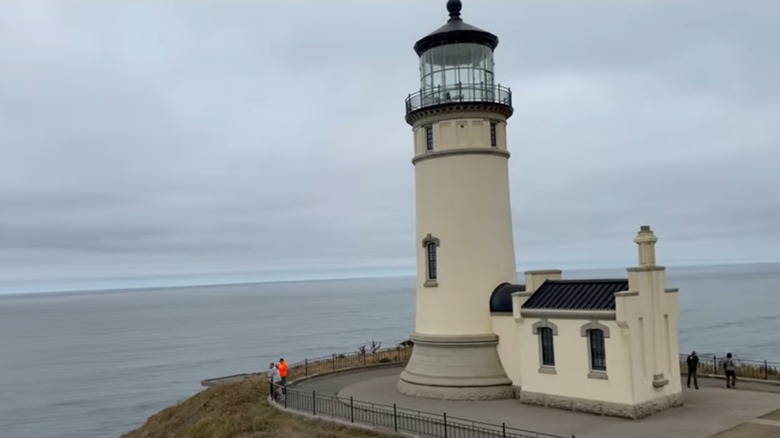
Ilwaco, Washington, is a small town situated right on the Pacific Ocean. According to 2025 Census Bureau data, the local population was just 1,112 in 2025. And while its human population may be small, if you go fishing near Ilwaco (sometimes referred to as Marine Area 1), you can find a wide range of fish: Halibut, coho salmon, Chinook salmon, and lingcod are all reported to turn up in the area, and Ilwaco is also a great spot for crabbing.
Per the Washington Department of Fish and Wildlife, you not only need a license for fishing, but a catch record card if fishing for certain types of fish, including halibut and salmon. To qualify for discounts, retirees must be at least 70. Qualifying retirees can pay around $10 for both saltwater and freshwater licenses, both of which include a vehicle pass, while a combination license comes out to $28.83. These figures are all considerably lower than what fishers aged 16 to 69 would pay for the same documentation; a single freshwater or saltwater pass costs around $40 without a discount. Meanwhile, retirees aiming to catch salmon and steelhead in the nearby Columbia River will need an endorsement. These cost $8.75 for residents, with qualifying seniors paying $7.10.
For retirees who love fishing. Ilwaco also comes with the bonus of being relatively affordable. Per BestPlaces's estimates, the town costs about $2,600 per month for a single person. Area utilities prices are almost 40% lower than the national average, and, as of November 2026, Trulia estimates area housing averages $1,400 per month — a 22.2% decrease from November 2025.
Homosassa Springs, Florida
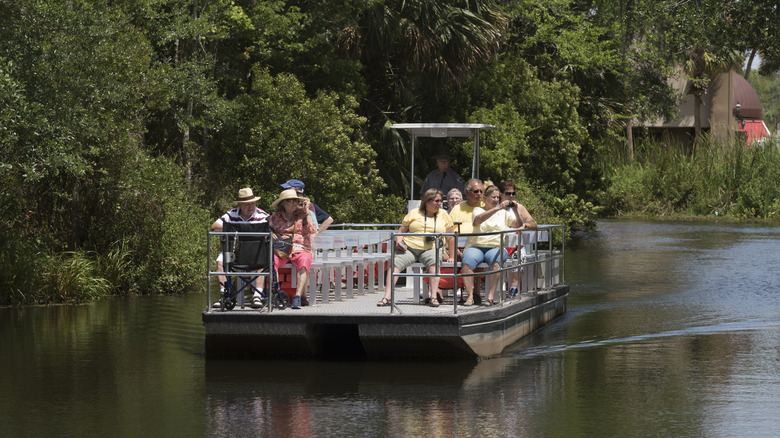
If you're looking at Florida both for affordability and for towns with good fishing spots, Homosassa Springs is a promising city worth considering. Homosassa Springs is a smaller, retiree-friendly town with an estimated population of around 15,000. It sits close to the Homosassa River, which spans about eight miles before pouring into the Gulf of Mexico. Other nearby options include both the Chassahowitzka and Crystal Rivers. Retirees will be glad to know that Homosassa Springs is ideal for fishing across much of the year.
As with other parts of Florida, retirees 65 and older are exempt from paying for freshwater and saltwater licenses. While younger retirees do need to pay the appropriate amount to obtain the right permits and licenses for fishing, residents spend considerably less than a non-resident. For instance a retired local who doesn't qualify for the exemption can pay $79.00 for a five-year saltwater license, and get a shoreline fishing license to reef and shark fish at no cost, per the Florida Fish and Wildlife Conservation Commission. Meanwhile, a non-resident must pay $47 every year to pick up a new annual saltwater license.
For retirees who settle down in the Homosassa Springs area to enjoy year-round fishing, BestPlaces finds the local cost of living is about $2,600 per month, and estimates that the town is 12.2% cheaper than other American cities. Notably, housing in the area costs around 32.7% less than the national average, though local utility bills trend about 6.9% above the national average.
Rockport, Texas
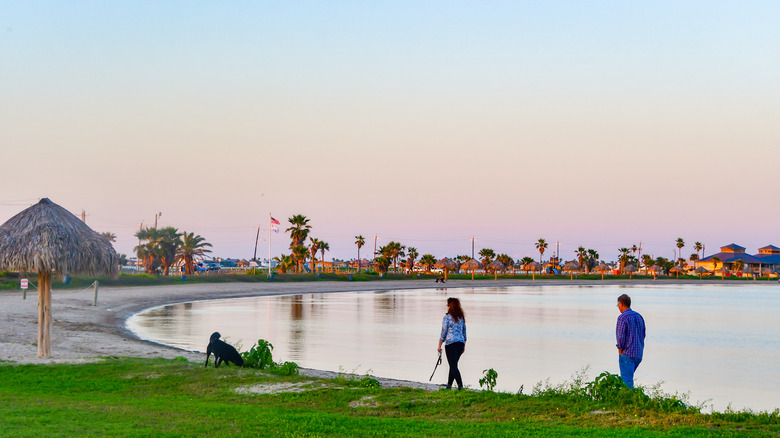
Rockport, Texas, has a reported population of 11,348, per the Census Bureau, and is a perfect Southwestern destination for bay, offshore, and saltwater fishing. Located at the heart of the Texas coastal bend, Rockport is suited not only to a variety of fishing styles, but retirees will find a decent range of fish in its waters: Kingfish, speckled trout, flounder and red snapper all inhabit the area. Like Homosassa Springs, Rockport's conditions are also suitable for fishing year round.
Getting a fishing license in Texas is fairly straightforward, and retired residents qualify for discounts. According to the Texas Parks & Wildlife Department, a senior saltwater package, aimed at those who are 65 and above, costs just $17. Those under 65 pay the standard fee of $35. It's also worth noting that any retirees born before January 1st, 1931 are completely exempt from having to purchase a fishing license or package.
Living costs for this area of Texas are notably affordable. According to BestPlaces, the city's cost of living is just $2,333 per month. As such, Rockport locals pay 10.8% less to cover living expenses than the national average. According to PayScale, Rockport residents pay around 5% less than the national average for utilities, 6% less for groceries, and 1% less for housing. Per Apartments.com, Rockport rent is $1,004 per month, as of November 2026, or 40% cheaper than the U.S. average.
Sebring, Florida
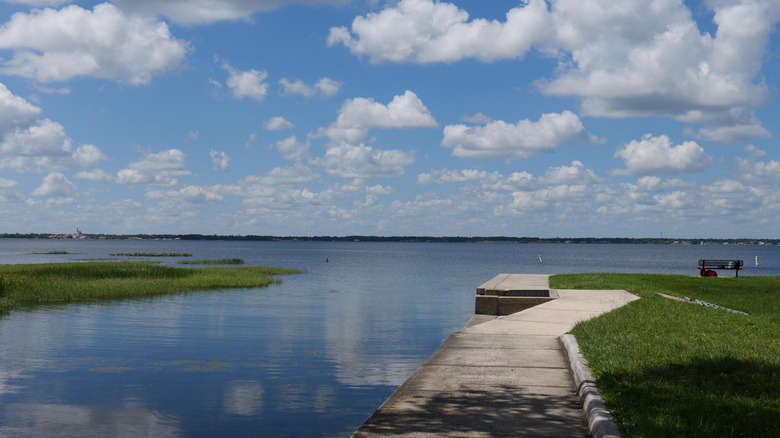
Sebring is another retirement destination that we've previously recommended, as it's one of the more affordable areas of Florida. As it happens, Sebring is also a promising destination for any retired angler eager to get on the water for fishing. The town had a population of 12,059 in July 2025, per the Census Bureau, and lies within reach of multiple options for fishing: It's within range of Lake June-In-Winter, Lake Istokpoga, and Lake Jackson. Possibly the most celebrated of the three, Lake Jackson is a freshwater body that is great for catching largemouth bass, black crappie, and bluegill fish.
Though Sebring residents have access to the same statewide fishing licenses that you'll find in the Homosassa Springs area, access to all these inland lakes may incentivize Sebring retirees to opt for a freshwater license. The Florida Fish and Wildlife Conservation Commission offers a selection of freshwater options, with annual passes for locals starting at $17. Retired anglers could also opt for a lifetime license, which starts at $301.50 for freshwater fishers age 13 and over. However, Sebring residents 65 and older may also have access to Florida's special exemption to licensing requirements.
In terms of living expenses, BestPlaces notes life in Sebring costs $2,300 per month for a single person, and housing costs in the area are particularly low. Per Apartments.com, the average Sebring renter pays $889 per month as of November 2026. That's 47% cheaper than what most U.S. renters pay. Meanwhile, utilities and groceries in the area are projected to run Sebring residents only slightly more than the national average.
Bay City, Michigan
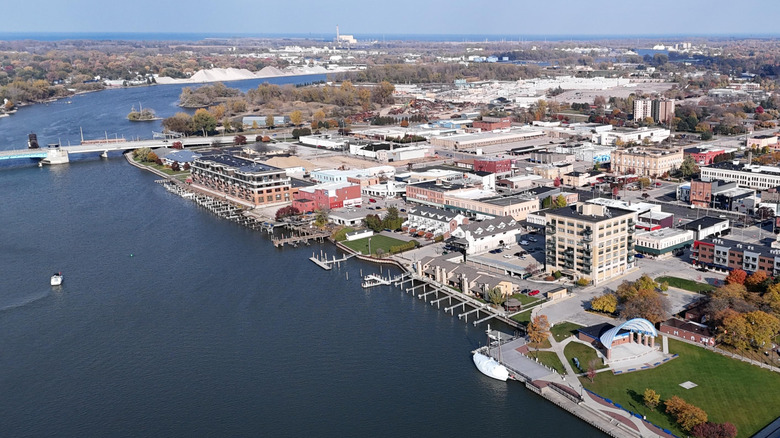
There are a lot of affordable retirement destinations near the Great Lakes, but Bay City, Michigan, may particularly appeal to retirees looking to live near a top fishing spot. With an estimated population of 31,868, per the Census Bureau, this small Michigan city is especially ideal for anglers seeking freshwater game. Bay City is one of the most ideal walleye fisheries in the entire Great Lakes region, particularly in the spring, though there are also ample smallmouth bass in the area.
According to information shared through Michigan's Department of Natural Resources website, residents are required to buy an annual fishing license — though retirees who are state residents pay far less than everyone else. While the yearly license costs $26 with a $1 surcharge, those 65 and up pay just $11 with the $1 surcharge. For comparison, Michigan charges nonresidents $76 per year for the same pass. If inquiring, retirees should note Michigan licenses expire the March after they're purchased due to the state's seasonal scheduling.
You can retire in Bay City for less than $2,500 per month, with BestPlaces projecting living costs to come out to about $2,300 per month, per person. It's generally 18.2% less expensive than the average American city, with food, utilities, and housing costs coming in exceptionally low. Per Apartments.com estimates, rent is quite low in the area, with apartments priced around $784 per month as of November 2026.
Hot Springs, Arkansas
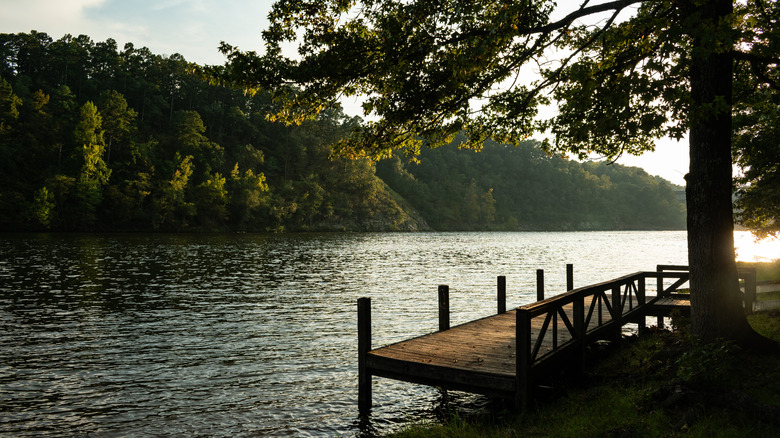
Hot Springs is another affordable choice for retired Americans looking for a great fishing destination. The Arkansas town boasted a population of 37,979 in July 2025, per the Census Bureau, and gives locals easy access to a range of fishing spots: Three local lakes stand out, in particular: Lake Ouachita is a well-known destination for quality bass fishing, Lake Catherine offers solid walleye and bass fishing, and the Hot Springs National Park website claims that Lake Hamilton produces striped bass weighing up to 50 pounds. Whichever nearby body of water retirees choose, odds are they'll be pleased with their catches.
Before hitting the water to fish, retirees will want to make sure their licenses and permits are in order. According to the Arkansas Game and Fish Commission, residents and non-residents must pay anywhere between $3.50 and $500 for the correct license. Luckily, one advantage to moving to Hot Springs for fishing is that retirees will likely wind up paying fees on the lower end of that range: Those who are at least 65 will qualify for an annual fishing license which costs just $3.50.
Retirees who move to Hot Springs to take advantage of the great fishing can get by on a monthly income of at least $2,167, per BestPlaces, and can expect to spend considerably less than average on many essential amenities: PayScale estimates groceries cost 8% less than the national average, while utilities are 7% cheaper and housing costs are 20% lower.
Ashland, Wisconsin
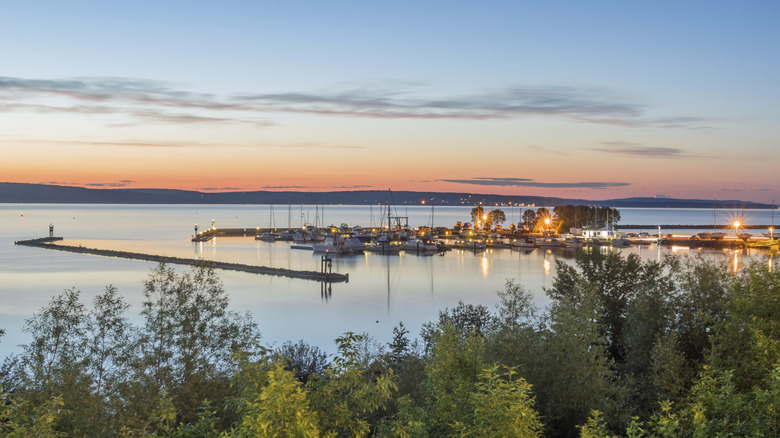
With a reported population of 7,927, according to the Census Bureau's July 2025 reports, Ashland is a small Wisconsin town that comes with access to some great nearby fishing spots. Possibly the most notable place to fish in the area is Chequamegon Bay, a body of water stretching roughly twelve miles and linking directly to Lake Superior. Retirees fishing in the area around Ashland will find a decent variety in its waters. Some notable species include smallmouth bass, walleye, and northern pike. While fishing is possible year round, some consider fall to be the best season overall for local fishing.
For retirees who move to Ashland and want to obtain a Wisconsin fishing license, the Wisconsin Department of Natural Resources charges $7 per year, provided the buyer is at least 65. Otherwise an annual license costs $20. For those looking to catch Great Lake salmon or trout, a stamp of authorization costs an additional $10. Residents who convince friends to buy their own license in the area may also qualify for discounts on future license purchases.
Aside from great fishing, Ashland is also a budget-friendly retirement destination. Per BestPlaces, the local cost of living is $2,167 per month, with expenses running 25.3% cheaper than the national average. Apartments in the area are particularly cheap, with two-bedroom rentals priced around an average of $655 per month, per Apartments.com's November 2026 projections. Between the lower rent, lovely waterfront, and annual fishing options, Ashland could be the perfect new home for American retirees.
Pierre, South Dakota
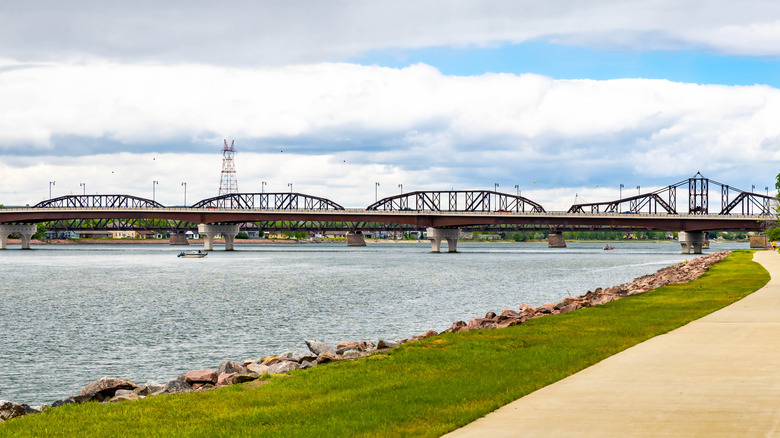
Imagine having access to thousands of miles of shoreline and waters teaming with specimens like walleyes, salmon, smallmouth bass, and northern pike. Should you move to Pierre, South Dakota, that could be your reality. With such a diverse array of species found in its local bodies, Pierre has some of the best fishing you'll find anywhere in the Midwest — especially come fall.
What's more, access to this lush setting and its aquatic wildlife won't do too much damage to your wallet, either: According to the South Dakota Game, Fish, & Parks website, residents can buy an annual fishing license for $31, though qualifying seniors (those 65 and older) pay just $17 per year. For retirees who are interested in a single day of fishing, a one-day permit costs just $10, but at that price, you may find it more cost effective to get the discounted annual license.
Notably, Pierre, with a Census-Bureau-reported population of 13,848 residents, isn't just a popular destination for anglers. For retirees, it represents the opportunity to live in comfort for cheap: BestPlaces estimates a single person can get by in Pierre on $2,033 per month, and life in the area is projected to cost 14.9% less than the average U.S. city. PayScale estimates residents pay 18% less for utilities, 4% less for groceries, and about 16% less for housing, compared to the national average.
Grenada, Mississippi
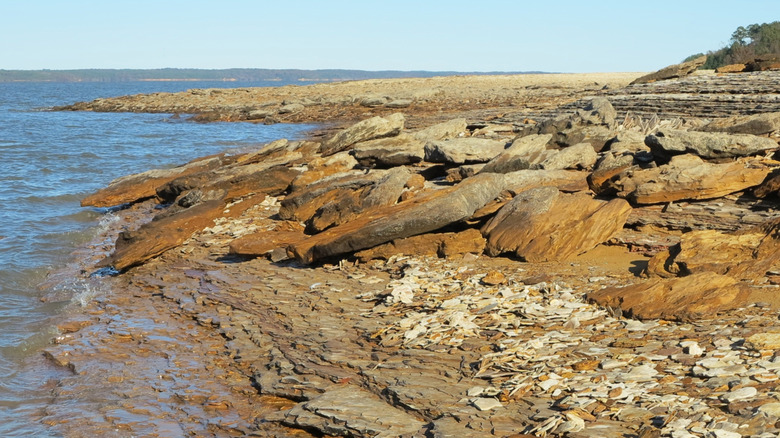
While Grenada, Mississippi, might not come up on the radar of too many retirees considering where to move, it could be a great fit if you're a fan of crappie fishing. Grenada, which the Census Bureau reported had a reported population of 12,088 in July 2025, has earned the reputation as one of the premiere destinations in America for crappie fishing. Multiple outlets have reported that anglers have caught a selection of trophy crappie weighing over 3 pounds in the Grenada area, and that the most ideal conditions come around early April. Other species in the waters around Grenada include largemouth bass and blue catfish.
By becoming a resident, retirees can pay as little as $3 for a few days of freshwater fishing, according to the Mississippi Wildlife, Fisheries, & Parks website. An all-game fishing and hunting license is $25, and seniors age 65 and older can purchase a lifetime saltwater fishing license for just $10. However, agent and processing fees may add around another $3.49 to the final price.
Aside from being one of the most ideal places for crappie fishing, Mississippi is famously affordable and does not tax Social Security income — a reputation Grenada upholds. BestPlaces reports a single person can get by in the area for just $2,000 per month, and residents are projected to reportedly pay significantly less than the national average for several basic living expenses. According to Salary.com, housing in Grenada is 7.2% less than the national average, and energy bills come out around 18.9% lower.