

14 Beautiful Great Lakes Cities Where You Can Retire Comfortably On $2,500 A Month

Aside from the natural beauty of these bodies of water, the five Great Lakes (Superior, Michigan, Huron, Erie, and Ontario), also offer the potential of an affordable retirement. MoneyDigest has discovered 14 Great Lakes cities scattered between Ohio, Michigan, Minnesota, Pennsylvania, New York, and Wisconsin, and ranked them all based on their individual overall cost of living. The ranking considers the cost of homeownership and rent, utilities, food costs, and transportation in cities where the cost of living for an individual retiree comes out to $2,500 per month or less.
According to HomeLight, lakefront living usually comes with a heftier price tag. Factors like having the perfect view, immediate proximity to the waterfront, and amenities like fishing or boating docks, can all drive up the value of lakefront homes as much as 30% to 50% higher than non-lakefront property. The cost of living and the additional costs of maintaining waterfront homes also relate to beachside living, and are just a few reasons why retirees often regret moving to the beach. The value of living in a city by a Great Lake is that you are always close to a lake without any of the additional cost, which is made even better by living in a city with a lower cost of living.
1. Allegan, Michigan
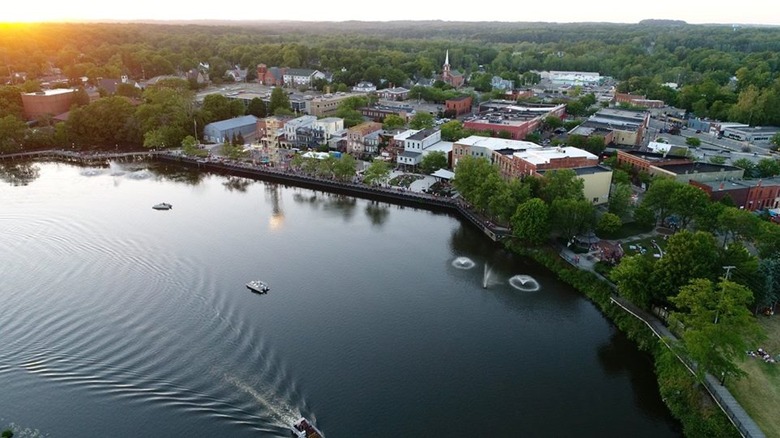
Allegan, located in the state of Michigan, offers 25 miles of lakefront thanks to its proximity to Lake Michigan. According to BestPlaces, that doesn't have to come with traditional lakeside lifestyle costs since it costs 48.2% less than the national average for an individual to live here. To live comfortably, Allegan requires $2,467 per month, an overall cost of living 6.9% lower than the national average that includes food, transportation, housing, and other miscellaneous costs. Utilities are slightly higher than the U.S. average with a cost of living score of 100.9 out of 100, however, that's a fractional difference more than made up for by the average purchase price of a home, which sits at around $219,800. As per the Federal Reserve Bank of St. Louis (FRED), the national average purchase price of a home as of May 2026 is $514,600. Renting a one or two bedroom apartment will cost between $790 to $880 per month, so whether buying or renting, a retiree with a $2,500 per month budget should come out ahead.
With healthcare being a primary concern of the aging, Allegan's convenient access to several medical facilities under the Beacon Health System covering everyday family medicine, bone and joint health, more serious care for cancer, heart, and brain health — Beacon Allegan being the closest — is a bonus to lakeside activities.
2. Erie, Pennsylvania
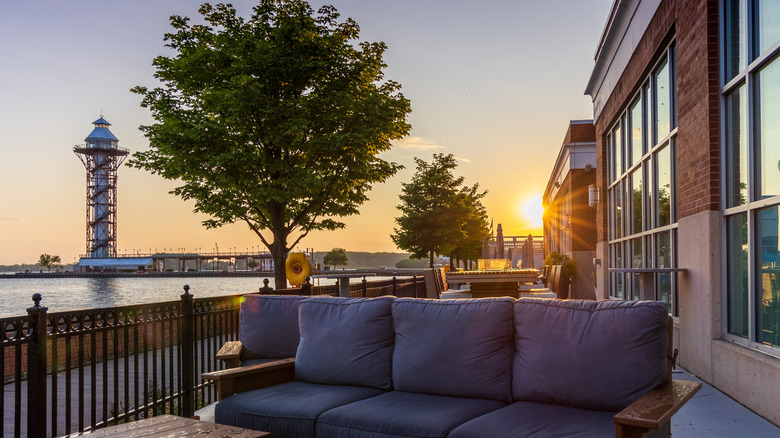
Erie, Pennsylvania, needs to be on this list due to its obvious proximity to Lake Erie and its affordable cost of living. According to the United States Census Bureau via Empower, the median income for Americans 65 years old and above is $68,860 per year, or $5,738 per month. As per BestPlaces, a single retiree would need to have $2,467 to cover all their expenses, which is 48.2% lower than the average expenditure for an individual in the U.S., and represents a cost of living 19.2% lower than the national average. Whether renting or buying a home, the average rent is between $740 to $950 for a one and two bedroom, respectively, and an average home sales price of $159,600 makes either option worthwhile. Groceries and utilities also fall below the U.S. average.
When you're not enjoying lakeside activities, visit botanical gardens and state parks, or find inspiration with a visit to the Erie Art Museum. While rare outside of Erie, the financial benefits of retirement in Erie extend to another budget-friendly riverfront town in Pittsburgh with old world charm.
3. Sandusky, Ohio
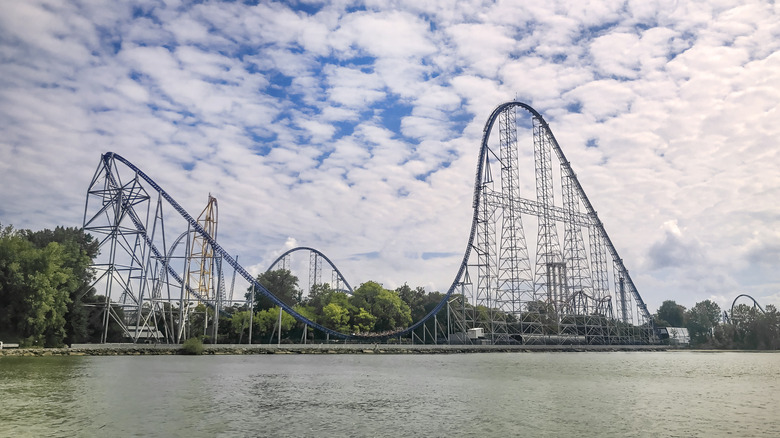
According to the City of Sandusky, Ohio, seniors in Sandusky enjoy a 50% discount on the average public transit fare, paying a dollar per one-way ride or $25 for one monthly pass with unlimited rides. As per BestPlaces, groceries, housing, and utilities follow suit in this city by Lake Erie, scoring a cost of living 5.5, 74.8, and 7.3 points lower than the national average. With a required monthly income of $2,400 for an individual, the cost of living in Sandusky is both 6.9% lower than the state average and 23% lower than the national average. This is manifested in an average home price of $120,200, with a one and two bedroom apartment running $720 to $900 per month, respectively.
You can have all sorts of fun in Sandusky, whether riding the roller coasters in Cedar Point or visiting the merry-go-round museum that, among other things, houses an old school carousel. Firelands Regional Medical Center, which is the result of a merging of three separate hospitals, is the only full service healthcare center in Erie and is a boon to retirees in need of medical care in an affordable city.
4. Grand Marais, Minnesota
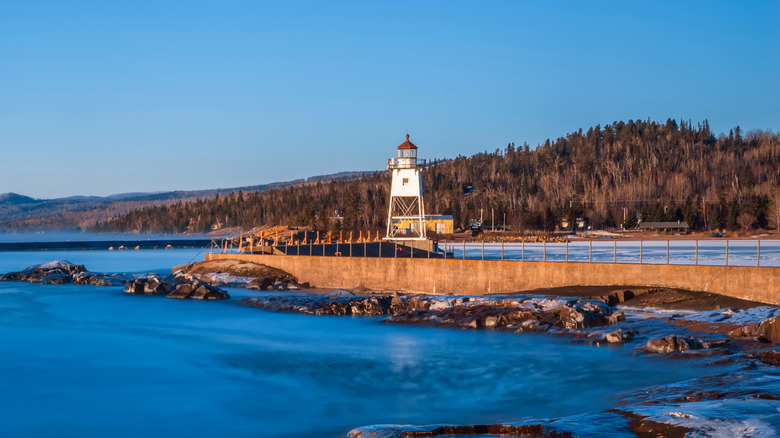
Alongside Lake Superior is affordable Great Lake city of Grand Marais, which according to BestPlaces, an individual can retire comfortably for $28,800 per year. At $2,400 per month, Grand Marais offers a cost of living 8.8% lower than the national average. As per the Federal Reserve Bank of St. Louis (FRED), as of May 2026, the national average sales price of homes is $514,600. BestPlaces sets the average cost of a home in Marais at $319,600, almost $200,000 lower than FRED's national average. A one and two bedroom apartment will cost you an average of $720 to $820, with utilities and other miscellaneous expenses coming in at a cost of living score 8.3 and 4.6 points below the national average.
A small town of around 2,000 people means a slower lifestyle, but thanks to local amenities like an arts colony offering art classes, bike and hiking trails, or kayak rentals making a day on Lake Superior a reality, you'll never need to be bored unless you want to.
5. Baileys Harbor, Wisconsin

According to Apartments.com, an estimated $2,360 per month covers the total cost of living in Baileys Harbor. The average rent in Baileys Harbor, Wisconsin is $708 per month for one bedroom apartment, and an average cost of $811 per month for two bedrooms as of May 2026. Aside from renting, as per Zillow, the purchase price of a home in Baileys Harbor averages $485,819. When you consider a rental average that generally stays within the $700 to $1,000 range, Baileys Harbor makes a good case for why it can sometimes be better to rent than own a home in retirement. Where utilities are concerned, according to Find Energy, the cost of utilities for residents averaged $68.79 to $75.28 per month, depending on whether they were paying for a bundled package or a regular 12 month rolling rate. That's around 42% and 47% lower than the national average, respectively.
Strolls through nature preserves and state parks will help you wile away the hours when you get tired of lake activities. A waterfront winery and a brewery offer a way to wind down from the events of the day. If you want some culture, you can take in a stage play at Peninsula Players Theatre or learn about the history of the area at the Visitor's Center.
6. Dunkirk, New York
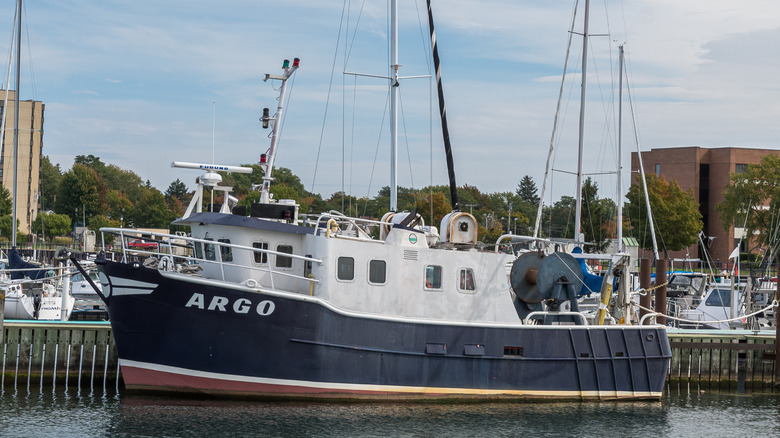
According to Salary.com, the cost of living in Dunkirk, New York is 118% lower than the national average, represented by an average $2,356 monthly cost of living. Although this points to a 2% increase from 2025, when you consider the most expensive vacation spot in New York is a rural area that's also close to the water, Dunkirk still looks like a fiscally responsible retirement location. Other factors including food, healthcare, and transportation are also 23%, 20.5%, and 17.8% lower than the national average, making a utility bill that's 2% higher than the national average not much of a hit in the grand scheme of things. As per Zillow, this is really shown by the cost of housing in Dunkirk which is an average $130,574 as of April 2026, and an average rent of $850 to $1,800 per month for a one or two bedroom apartment.
The Brooks-TLC Hospital System provides healthcare for the region, as well as Dunkirk Main TCC Health Center providing family medicine, dental care, chiropractic, and podiatric services.
7. Port Clinton, Ohio
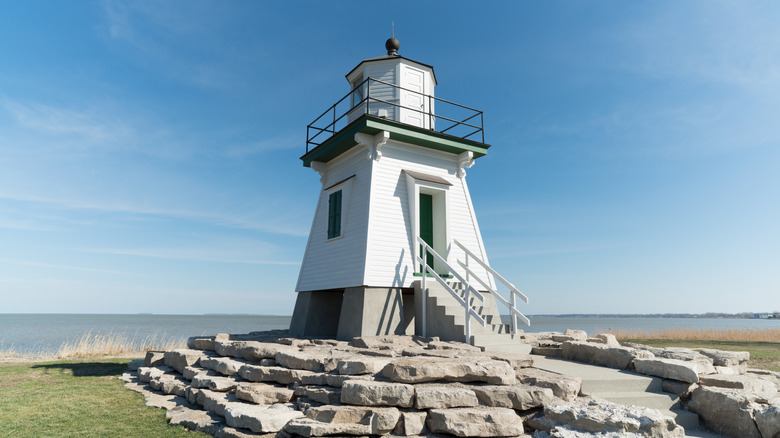
For a single retiree in the Lake Erie-adjacent Port Clinton, Ohio, as per BestPlaces, the cost of living is 51.8% more affordable than the national average. At $2,300 per month, an annual income of $27,600 provides a retiree a sense of financial security in a region with a total cost of living that's 18.4% lower than the national average. With your average home priced at $197,100, Port Clinton would be a favorable place to purchase a new home if you were downsizing from a more expensive location, specifically after selling a home priced at a range closer to the national average, as per the Federal Reserve Bank of St. Louis (FRED), of $514,600. Groceries and utilities score high where cost of living is concerned, with costs 6.3 and 5.7 points better than the national average. If renting is your preference, one bedroom will cost you $690 per month on average, while a two bedroom will buy you a roomier retirement home for just $900 monthly. All this is one of the reasons why this U.S. state with over 2 million Social Security recipients is an attractive retirement destination.
Let an African Safari Wildlife Park, island ferries, or the aviation museum keep you entertained. Otherwise, beaches, boating, and fishing for walleye in the world's walleye capital offer even more restful ways to enjoy retirement. Aside from Port Clinton, Ohio offers another one of the best places for retirees with a low cost of living.
8. Vermilion, Ohio
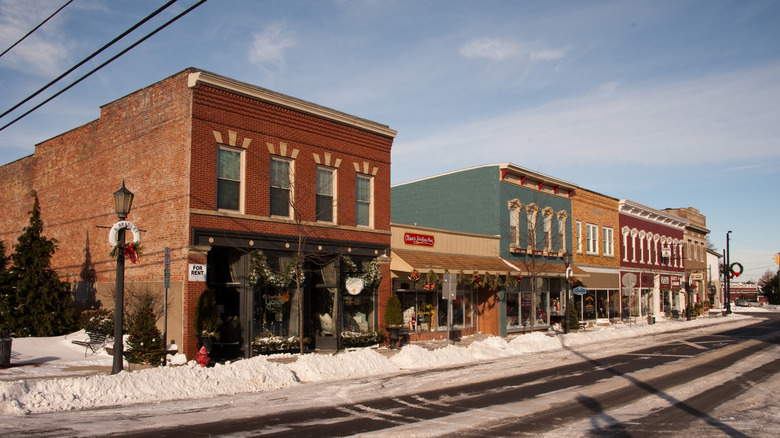
Not to be outdone, while Vermilion, also next door to Lake Erie as per Salary.com, has a cost of living 53% higher than the state average, it's still 8% lower than the national average. This works out to an average monthly cost of living of $2,285 per month. The irony of being more expensive than other parts of Ohio is that costs across all metrics — healthcare, food, transportation and utilities — are anywhere from 7.3% to 23.4% lower than the national average. Healthcare, of particular interest to aging populations, is 20.4% lower than the U.S. average. As per Zillow, the average cost of a home in Vermilion is $265,341, while the cost of renting, according to Apartments.com, averages $937 to $1,341 per month for a one and two bedroom apartment, respectively.
Vermilion holds festivals celebrating chocolate and its proximity to the water, live music every third Thursday of the month, walking trails and winery visits. Mercy Health — Vermilion Primary Care clinic, Kingston of Vermilion, and the Miklos Center for Health and Wellness are just a few of the medical care institutions in Vermilion for easy access to care.
9. Oswego, New York
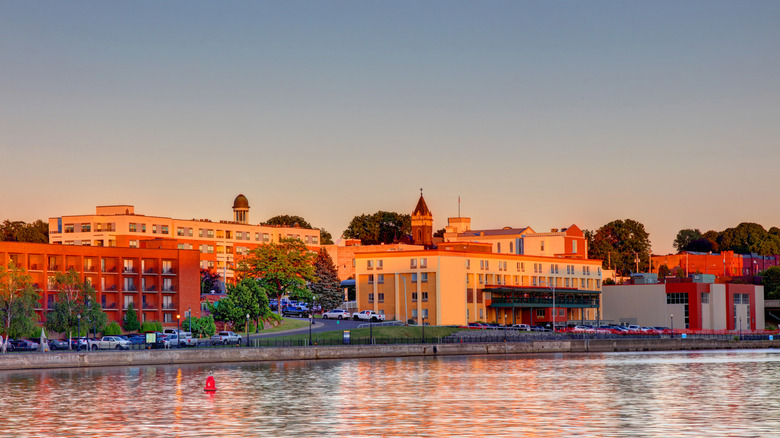
New York isn't known for being very affordable, although there are a number of small towns in New York state that won't drain your retirement savings. Located on the southeastern shores of Lake Ontario, as per LivingCost.org, Oswego average monthly cost of living is $2,177 including rent for an individual. Utilities are $120 per month for a single retiree, with internet clocking in at an average $68 monthly. According to ZillowRentals, the average rent in Oswego is $1,400 per month, while the average value of a home in Oswego, as per Zillow, is $199,251. LivingCost.org places the average cost of transportation at around $63 per month, and an average visit to the family doctor at just under $98 per month.
Healthcare in Oswego is provided by a 164-bed hospital, cancer screening and treatment at Seneca Hill Health Services Center, a psychiatric care center, and medical centers River Vista Medical Center and Oswego Medical Center. Destress at Aqua Spa Float Center with views of the lake and the Oswego River.
10. Rogers City, Michigan
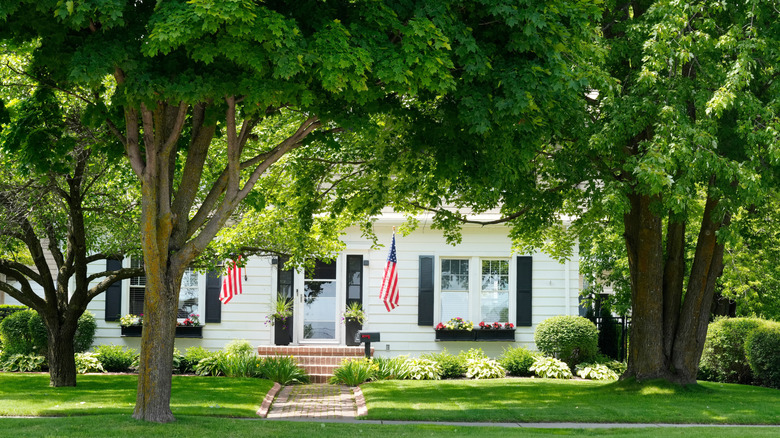
As per BestPlaces, the cost of living in Lake Huron adjacent Rogers City, Michigan, is 22.6% lower than the national average. In fact, Rogers City even beats the cost of living in the state by 15.4% thanks to grocery, utilities, housing, and other miscellaneous costs being 9.8%, .5%, 72.6%, and 16.2% lower than the national average, respectively. The average cost of a home in Rogers City is $130,200 compared to the Federal Reserve Bank of St. Louis (FRED) data, which calculates the national average to be $514,600. That represents an average home price $384,400 cheaper than most of the U.S. Rent for a one bedroom apartment starts at $650 per month, rising to a very manageable $860 for a two bedroom apartment.
While you'll find a slower pace in Rogers City, you can still find lots to do. An apple farm and cider mill lauded for its donuts makes for a nice treat day, with biking and walking trails in Sunrise Trail offering a way to walk off your sweet tooth. Rogers City Golf Club gives you somewhere to work on your swing in retirement. Rogers City Health Center offers family medicine, scans and x-rays, optometry, and access to a pharmacy all in the same convenient location.
11. Escanaba, Michigan

Escanaba, Michigan, next to Lake Michigan, offers retirees a cost of living BestPlaces estimates is 55.3% cheaper to live in for an individual retiree than the national average. That looks like a monthly expense of $2,133 per month for a relatively comfortable lifestyle in the state, or an average $25,600 in living expenses per year. While utilities in Escanaba are on the higher end — with a cost of living score almost 20 points higher than the national average — housing alone scores 66.3 points lower than the national average, as do groceries (10.1 points), and other miscellaneous costs 8 points lower than the national average. The average price of a home in Escanaba is $123,100, with the average rent for a one and two bedroom apartment costing an average of $640 per month and $850 per month.
As per aPlaceforMom, the cost of living in a nursing home in Escanaba is lower than both state and national levels, at an average $4,660 per month versus $4,696 (state) and $5,056 (national). Healthcare provided by the OSF Francis Hospital & Medical Group provides hospital care, a cancer clinic, blood and x-ray labs, neurological care, and primary care all in Escanaba.
12. Houghton, Michigan
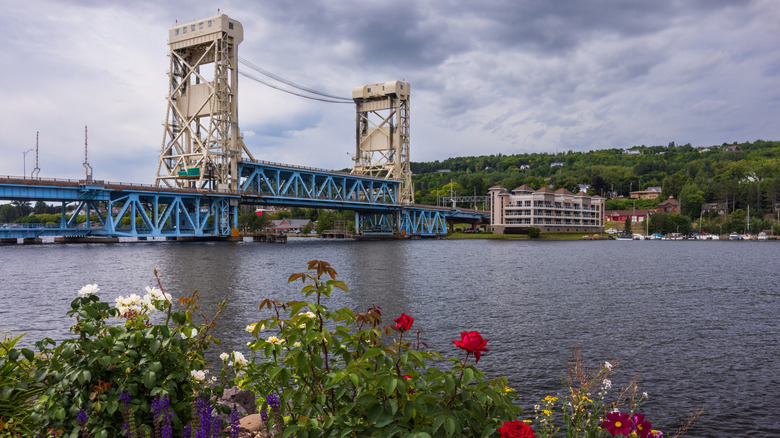
With the Social Security Administration estimating the average Social Security benefit as of January 2026 is $2,071, Houghton, Michigan could be another one of a few places retirees can live on Social Security alone. According to BestPlaces, a single retiree could live comfortably on just $2,000 per month, in a region where the cost of living is 19.7% lower than the national average. An annual income of $24,000 would make paying an average rent of $600 (one bedroom) to $720 (two bedroom) per month easier, while groceries, scoring 6.5 points lower than the national average, also helps keep more money in your bank account. The average home is $172,600 to purchase, and even though your energy bill will be a little higher here, the lower cost of everything else more than makes up the difference.
As per aPlaceforMom, the cost of assisted living in Houghton is also lower than state and national averages at $4,262 per month versus $4,310 (state average) and $4,784 (national average).
13. Sheboygan, Wisconsin
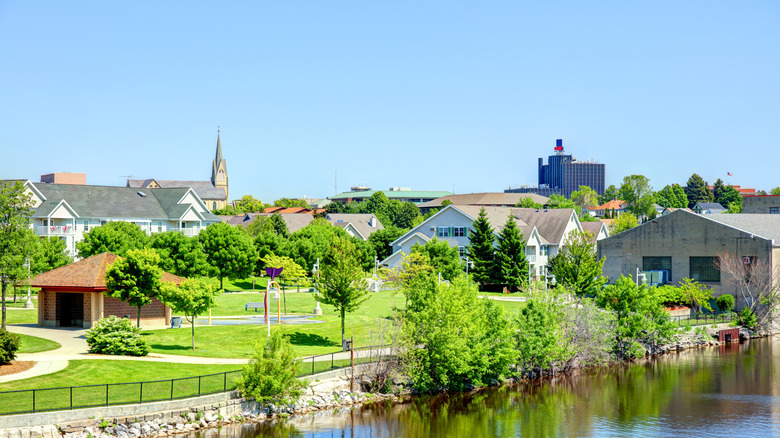
Another spot by Lake Michigan, Sheboygan in Wisconsin, according to LivingCost, requires an affordable $1,746 per month, including rent, to live there. Food costs are a manageable $555 per month, with rent for a one bedroom apartment averaging $791 per month. For a single person, you're looking at an average monthly utility bill of $102, with the internet running you about $66 per month. A visit to your family doctor is around $149. According to Sidecar Health, the average cost of a doctor's visit could be anywhere from $179 without any procedure, or as high as $397 if any tests are required. As per Zillow, the average cost of a home Sheboygan as of April 2026, is $262,047.
Just around two hours from Sheboygan is a riverside college town that's another great place to retire, so you have more than one way to experience waterfront retirement living if you want. According to aPlaceforMom, assisted living in Sheboygan is an average $4,509 per month. That's more affordable than state and national averages by $100 to $250 per month.
14. Muskegon, Michigan
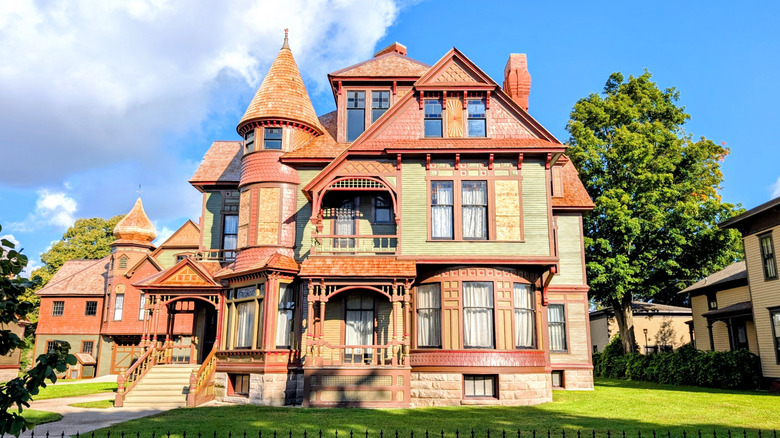
Muskegon, Michigan, as per March 2026 data from LivingCost.org, offers affordable retirement at a monthly expense of just $1,492 per month for an individual. This includes rent, while as per Zillow, the average value of a home is $187,432 with a median sales price of $169,733. On average, according to LivingCost.org, groceries will cost $527 per month, while the cost of transportation averages around $48 per month. A centrally located apartment in the city will cost an average of $770 per month, with even a three bedroom apartment in a central location costing an average $1,401 per month. As per Apartments.com, the national average cost of a three bedroom as of May 2026 is $2,387 per month. That's a discount of $986 per month from the national average, adding up to a savings of $11,832 per year.
According to Paying for Senior Care, the average financial burden applied to assisted living is $3,500 per month, compared to the national average, as per aPlaceforMom, of $4,758.