

The Cheapest Chevrolet SUV Of 2026 Is Perfect For Retirees
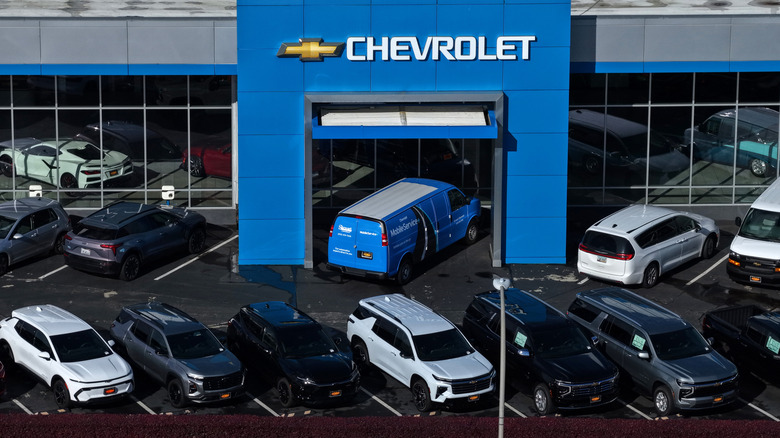
Finding an affordable car can be especially important to retirees since they already tend to spend more on essential categories in retirement. As the cheapest Chevrolet SUV of 2026, the Trax stands out among the brand's cars that are perfect for a retiree. The 2026 model starts at a base MSRP of $23,495 — over $7,000 less than the September 2026 average price of $31,213 for a new subcompact SUV, per Kelley Blue Book.
However, the Trax's low price doesn't mean retirees have to sacrifice comfort. In fact, Edmunds, which ranked the Trax among the best 2026 subcompact SUVs, cited its comfortable, spacious interior and user-friendly infotainment system. Meanwhile, Car and Driver noted the vehicle's longer wheelbase, which creates more legroom for rear-seat passengers and more cargo space for luggage or groceries.
Safety features can also be especially important for retirees. With that in mind, the 2026 Trax comes with automatic emergency braking and lane keep assist, which can help reduce the risk of accidents. The National Highway Traffic Safety Administration (NHTSA) gave the 2026 Trax an overall five-star safety rating, and the Insurance Institute for Highway Safety (IIHS) scored the vehicle well in the small overlap front and side crashworthiness tests.
The Trax also boasts low ownership costs
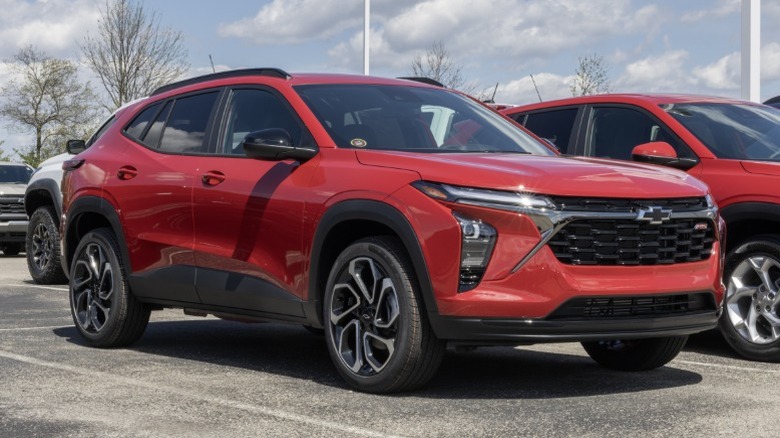
The Trax is cheaper to own than the average new car, costing $37,288 over five years, or about $7,458 per year on average, according to CarEdge. That's about $5,400 less than the average annual cost of owning a new car in 2026, which the American Automobile Association (AAA) puts at $12,863. Lower maintenance and repair costs are what help keep this total down. In fact, RepairPal ranks the Trax among the most reliable subcompact SUVs, with annual repair costs of $488 — below the industry-wide average of $652. The vehicle was also among the most reliable best-selling cars, which reduces the likelihood of frequent repair visits for retirees.
Additionally, the 2026 Trax comes with a warranty that covers 36,000 miles or three years, whichever comes first. For retirees who drive fewer miles, this warranty coverage is more likely to last for the full three years, which could keep repair costs even lower than estimates.