

13 Beautiful Cities In Appalachia Where $2,000 A Month Covers Retirement

Not everyone's a beach person. So, we've found 14 terrific cities in the Appalachian region that you should consider making your new retirement home before word spreads that you can live among scenic mountains and other vast natural landscapes for $2,000 a month or less. The Appalachian Regional Commission (ARC) reports that Appalachia spans 423 counties spread over 13 states and over 200,000 miles of land. The region has historically experienced slower economic growth than much of the remainder of the country, which has kept the cost of living in the area lower than what you'll find in much of the U.S. So, seniors in the area can find plenty of opportunities to cut costs as they take in the region's immense natural beauty.
For example, AreaVibes approximates that the overall cost of living in West Virginia — the only state the ARC reports is entirely part of Appalachia — is 15% below the national average, with housing costs a whopping 38% below the country's average. Our list will give you each city's cost of living, with specific assessments of local housing costs — which make up the greatest share of the typical person's monthly budget — as well as how expenses such as food, energy, and transportation could factor into a retiree's monthly spending. All cost-of-living estimates are current as of June 2026, unless otherwise specified.
Somerset, Kentucky
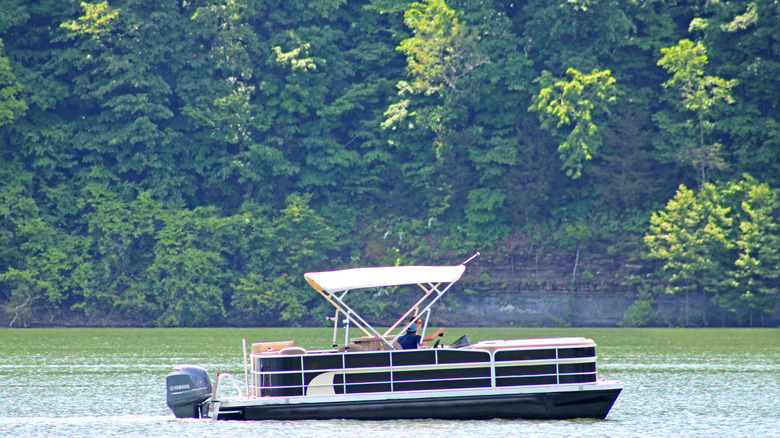
Located on the scenic Lake Cumberland, Somerset, Kentucky, is an affordable destination for boaters and seniors alike. AreaVibes reports that Somerset has a cost of living that's 14% less than the national average, and LivingCost.org estimates that the town only requires about $1,365 per month to get by. Essentially every major living expense is cheaper in Somerset than most other places throughout the country: Area housing costs are a full 36% lower than the U.S. average, and both utilities and groceries fall around 4% lower, per AreaVibes.
LivingCost.org reports you can rent a one-bedroom apartment in a central location for only $600, while utility bills come out to around $82.80 if you're powering a space designed for one person. If you're a house hunter, you'll be glad to hear that Zillow's estimated median sale price of a home in Somerset was just $278,667 as of June 2026. In contrast, at the end of the same month, Zillow listed the national median sale price at $381,333.
Kentucky homeowners aged 65 or older may save even further, as they qualify for a state's homestead exemption — one of the best tax breaks for homeowners. In 2026, Kentucky's homestead exemption reduces your taxable property value by $49,100. The state also doesn't tax Social Security, while allowing a $31,110 pension exclusion, allowing seniors to make the most of their monthly retirement income.
Oak Ridge, Tennessee
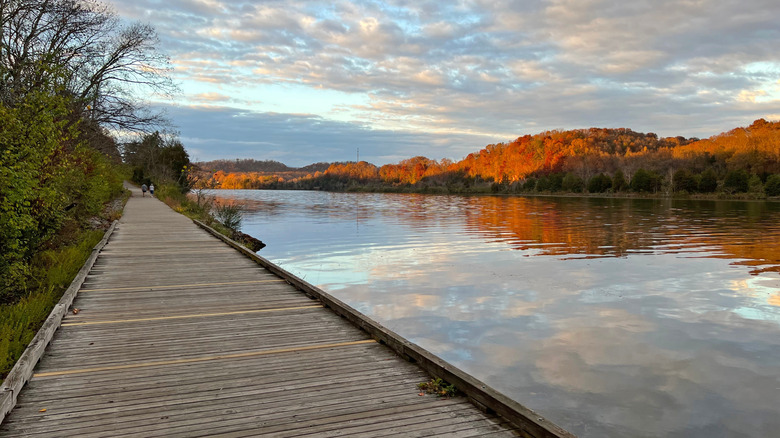
Oak Ridge, Tennessee, was once a clandestine operation, built during World War II to secretly house the workers who produced the enriched uranium used in the Hiroshima atomic bomb. Fortunately, the city's days of wartime secrecy are long gone, so if you're looking to retire on a modest budget in the foothills of the Great Smoky Mountains, consider getting to know Oak Ridge.
You can make the relatively young, but historic city your home on $1,391 per month, estimates LivingCost.org. Expect a one-bedroom apartment in town to cost about $707 per month, with utilities making up around $100 of that total expense. LivingCost.org also projects area residents spend around $500 on food per month. While this is higher than the roughly $470 the average American spent on food each month in 2024, per the Federal Reserve Bank of St. Louis, that cost combined with basic housing expenses still leaves Oak Ridge residents plenty left in their monthly budget for other living costs. For instance, Payscale reports the average doctor's visit in Oak Ridge costs around $116, suggesting regular care should be well within a $2,000-per-month budget. Better yet, Tennessee is another state that doesn't tax retirement income, so that $2,000 will be at your full disposal.
Charleston, West Virginia
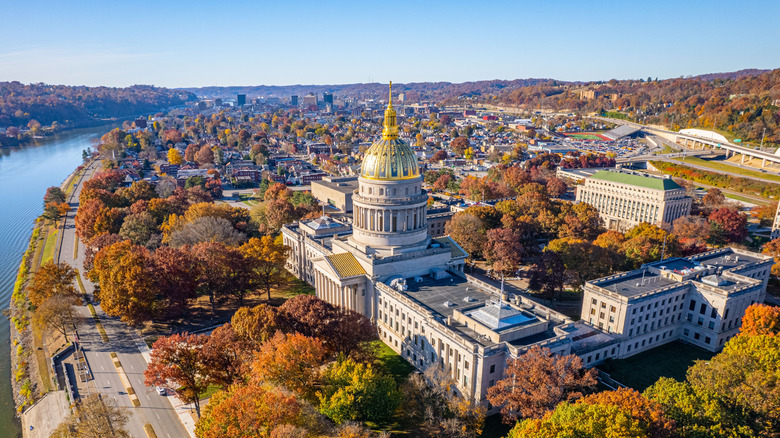
Charleston, West Virginia, can be an excellent retirement destination with low-cost Appalachian housing in a relatively urban setting. With a population of just 46,117 in 2025, per the Census Bureau, Charleston offers the urban convenience of a state capital without feeling overcrowded.
AreaVibes estimates that the typical rent in Charleston is 22% lower than the average across the country, while median home values are reportedly 14% below the national average. LivingCost.org gauges that you can get by in Charleston for around $1,604 per month and find a one-bedroom apartment in town for about $937. Living spaces outside the city center may be even more affordable, renting for around $705 per month. The utility bill for one person should be around $121. Meanwhile, February 2026 analysis by the Massachusetts Institute of Technology (MIT) reports individuals spend around $334 per month on food and $284 on medical care per month in the area.
If you're looking to buy a residence, the typical monthly mortgage payment in West Virginia at the end of the first quarter of 2026 was $1,177, per the U.S. Federal Housing Finance Agency. In contrast, the average national mortgage payment for the same period was $2,023. Homeownership costs could drop even further for senior property owners, as those over 65 qualify for a state-level property tax exemption on the first $20,000 of their home's value after two years of residency.
Morristown, Tennessee
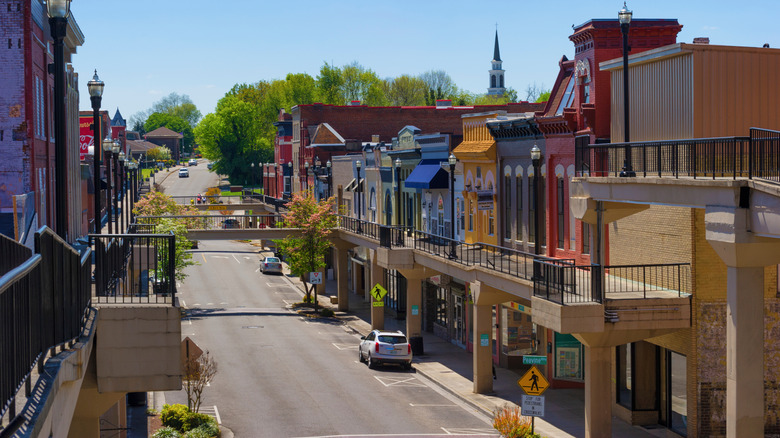
Morristown, Tennessee, is known for its proximity to Cherokee Lake, a popular fishing destination, though the city is also a place to catch some good deals. For example, LivingCost.org calculates the average monthly cost of living at $1,613, including rent and utilities that together average around $820. The utilities alone are expected to be $116, a huge drop from the $418 per month the average American household paid for the first quarter of 2026, according to JD Power.
In addition to the tax friendliness you'll find throughout the state, Morristown also offers many other opportunities for residents to save. Payscale reports that medical care costs around 7% less than the national average, with both routine visits to the doctor or dentist keeping renters well under that $2,000 monthly budget. You can cut down on costs even further by taking advantage of Morristown's bus system: It offers three standard routes to help you reduce your dependence on your personal vehicle, and seniors can get a month's pass for just $20. Even if you prefer to drive, AAA reports Tennessee's gas prices are over 40 cents lower per gallon than the national average in late August 2026, and you can save even more by avoiding the worst gas station credit cards.
Morgantown, West Virginia
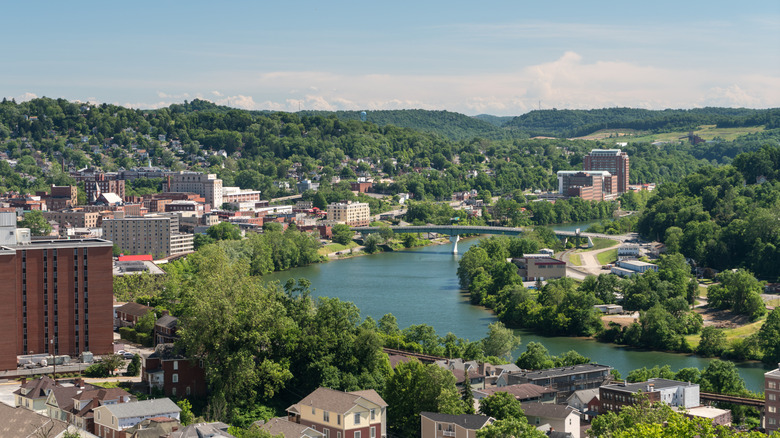
Morgantown, West Virginia, home to West Virginia University, has natural beauty in abundance thanks to the Monongahela River flowing alongside its downtown region. Life in this university town can be yours for as little as $1,677 per month, according to LivingCost.org's calculation. One-bedroom apartments are available for around $650, reports the site, but a unit closer to the city's heart may cost closer to $803. The monthly utility bill for a small apartment comes out to around $147, and you can power even larger spaces for around $220 per month. Since Payscale reports that groceries in the area cost around 5% less than the national average and healthcare is an impressive 11% lower, retirees living on $2,000 per month should have plenty left over in their budget to cover their day-to-day needs — even if they meet LivingCost.org's projected $589 monthly food expenditure.
Wherever you need to go in town, Morgantown also offers readily available low-cost mass transit to help you save on transportation. Mountain Line public buses operate seven days a week, and seniors aged 62 and older can apply for a reduced fare program that gives them access to comprehensive public transit for as little as 35 cents per ride.
Huntington, West Virginia
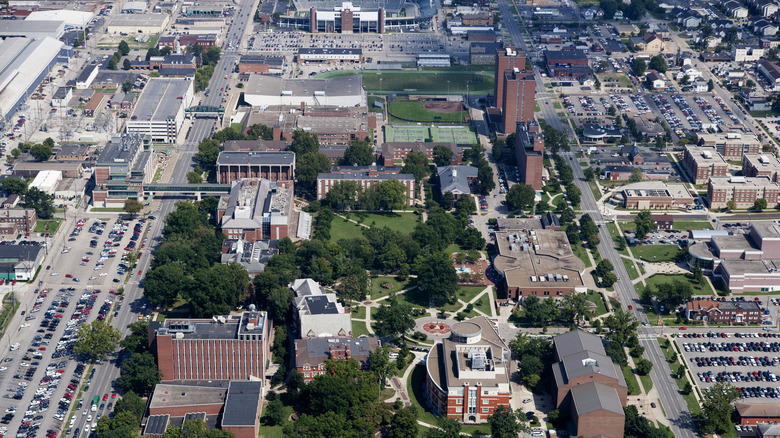
Huntington, West Virginia, is the home of Marshall University — the subject of the popular film "We Are Marshall". Luckily, the area's prices have not gone Hollywood. RealtyTrac indicates that property sales in the area had a median value of $165,200 in the year leading up to August 2026. LivingCost.org suggests you can cover all your monthly needs with around $1,678, underscoring why Huntington has been named one of the best college towns for retirees.
LivingCost.org estimates that in the central part of the city, a one-bedroom apartment could cost over $900. However, the same-size flat outside of downtown can be yours for around $707. Single residents can expect a utility bill of around $118, and these low housing costs make the relatively high $567 you may expect to spend on food fit well within a $2,000 monthly budget. However, MIT reports the average Huntington resident spends around $789 per month on transportation, which could price some car-owning seniors out of the area. Luckily, the Tri-State Transit Authority travels throughout much of the Huntington region, and offers seniors with Medicare cards discounted bus fares starting at 50 cents.
Roanoke, Virginia
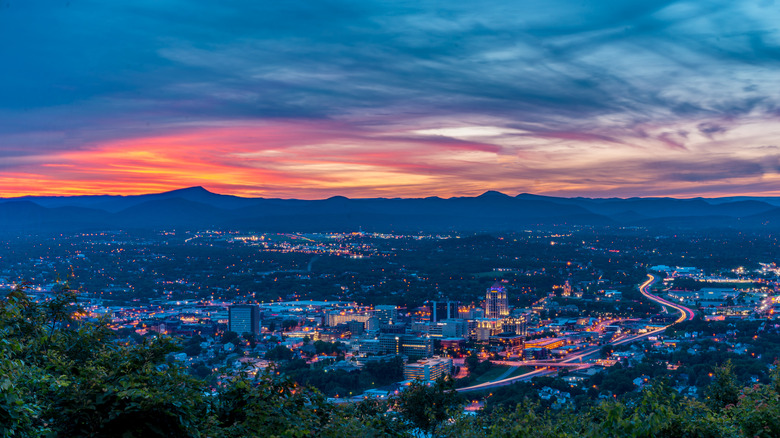
Roanoke, Virginia, is a major destination off the scenic Blue Ridge Parkway. For its ongoing effort to improve the local quality of life, the city received the National Civic League's All-American City designation in 2026. Part of the area's appeal is no doubt the combination of its overall cost of living — which is 5% lower than the U.S. average — and the fact that housing in the area averages a whopping 24% below the national average, according to AreaVibes.
LivingCost.org estimates that a single adult would need only $1,729 per month to live in Roanoke. That includes rent and utilities, which LivingCost.org says should total around $1,001, while food for the month may come to around $531. Apartments.com projects the average individual can expect to spend around another $491 per month on transportation and healthcare. However, those who opt for a smaller living space or make use of Roanoke's vast Valley Metro public transit network — which offers seniors discounted fares starting at 85 cents per ride — should have no problem spending less than $2,000 per month.
Johnson City, Tennessee
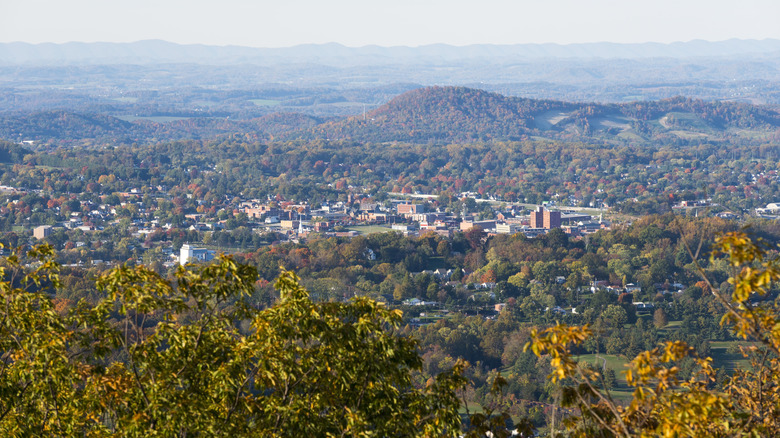
Johnson City, Tennessee, has become a popular destination for people moving into the state, but LivingCost.org reports that the monthly cost of living is still only $1,781. That includes apartment rental, with one-bedroom units in town averaging around $981 and flats outside the city center costing residents roughly $833. Better yet, the reported average utility bill for a small apartment is only $96.70 — one of the lowest rates on this list.
If you want to buy an apartment or house, LivingCost.org estimates that you'll pay $215 per square foot for an urban flat or around $220 for a suburban home, and homeowners will also save thanks to the state's low property tax rate. Seniors also benefit from Tennessee's position of not taxing retirement income, general income, or inheritances.
Taking advantage of public transportation whenever possible is an excellent way to keep more money in your pocket. Riders 65 and older who opt to utilize Johnson City's public transit network pay only 50 cents per ride. However, the state's relatively low gas prices will also aid senior drivers trying to cut costs.
Kingsport, Tennessee
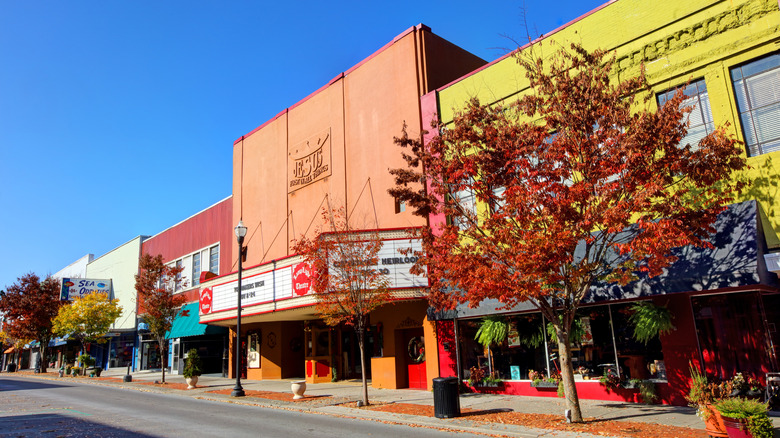
In Kingsport, Tennessee, retirees will have plenty of people close to their age for companionship. According to Census Bureau data, over 23% of Kingsport's adults are seniors over the age of 65. The city also offers plenty of options for living spaces that fall well within a retiree's budget.
Zillow finds that the average home value was only $257,123 as of late July 2026, while the area's average rent was $1,289. If you focus on one-bedroom units, you can find places for less than $1,000 — and even closer to $800 in some corners — with LivingCost.org projecting utilities that add up to around $114 per month. All told, the website projects monthly expenses to come out to roughly $1,795. With even pricier apartments leaving retirees on a $2,000-per-month income with around $900 leftover for food and other day-to-day needs, living comfortably and frugally in Kingsport is entirely feasible — especially since MIT reports the average single person only spends around $350 per month on food in the area. You can also save money on transportation with the Kingsport Area Transit Service, which offers an unlimited monthly bus pass for only $20.
Wheeling, West Virginia
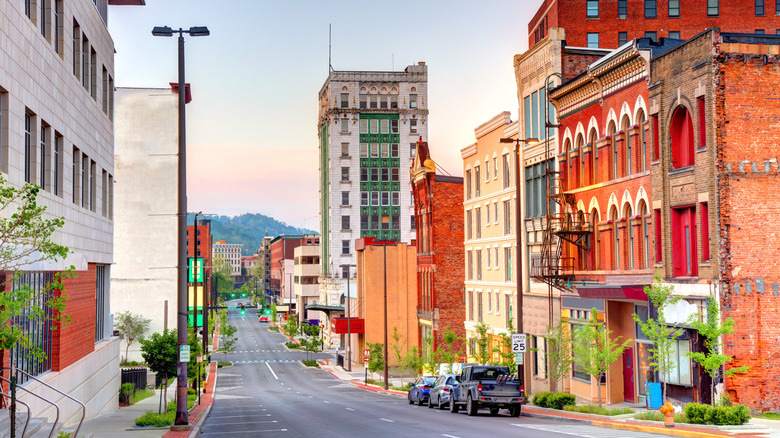
As a small city perched in the Appalachian foothills along the Ohio River, Wheeling, West Virginia, has a cost of living comfortably under $2,000 that gives you access to a bustling array of museums, theaters, and parks. LivingCost.org estimates monthly expenses add up to $1,814, which includes rent and utilities for a one-bedroom apartment. According to the website, you can find a place downtown for around $1,039, but if you choose to live farther away from the hubbub, you can snag a flat for $828. For those looking for even more affordable options, as of August 2026, Apartments.com had several two-bedroom mobile homes listed for less than $700 per month.
Utilities in the area come out to around $118 per month — roughly $300 off the monthly national average of $418 — and MIT reports that an individual Wheeling resident's healthcare comes out to a relatively low $275 per month in the area. Senior homeowners can also enjoy West Virginia's $20,000 property tax exemption and an additional state tax credit, further reducing their living expenses.
Blacksburg, Virginia
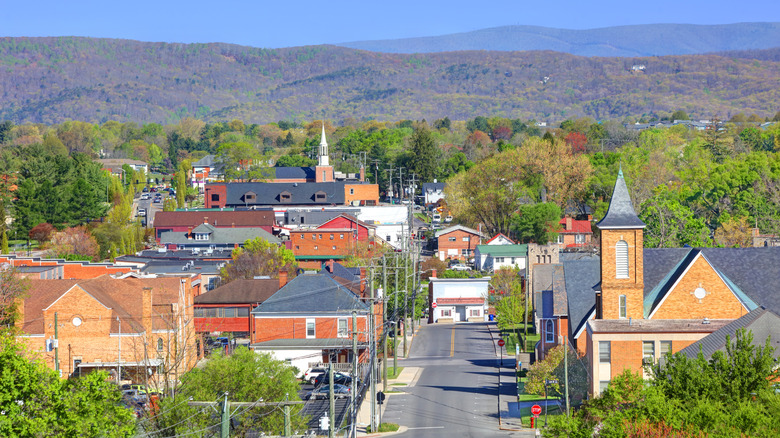
Blacksburg, Virginia, is a city that's over 2,000 feet above sea level in the Appalachian Mountains and serves as a vibrant, active hometown for Virginia Tech. You can live there and surround yourself with nature and culture for only $1,897 per month, according to an estimate from LivingCost.org.
If you want to keep your housing expenses near $1,000, it's best to look for a small one-bedroom apartment away from the heavily trafficked urban areas. LivingCost.org indicates that you should be able to find one in the ballpark of around $967 per month, with monthly utility bills averaging around $91.20 — though Numbeo projects these costs to come closer to $1,069 and $148.78, respectively.
The community of Blacksburg also offers its older residents many opportunities to cut down on their monthly living expenses: If you enjoy a good senior shopping discount, over 40 businesses in Downtown Blacksburg cut their prices for older shoppers on Mondays. You can save 10% or more on a variety of items at several downtown eateries, pharmacies, theaters, and grocery stores. The city's bus system is also a real money saver: Blacksburg Transit offers free rides on all its vehicles.
Charles Town, West Virginia
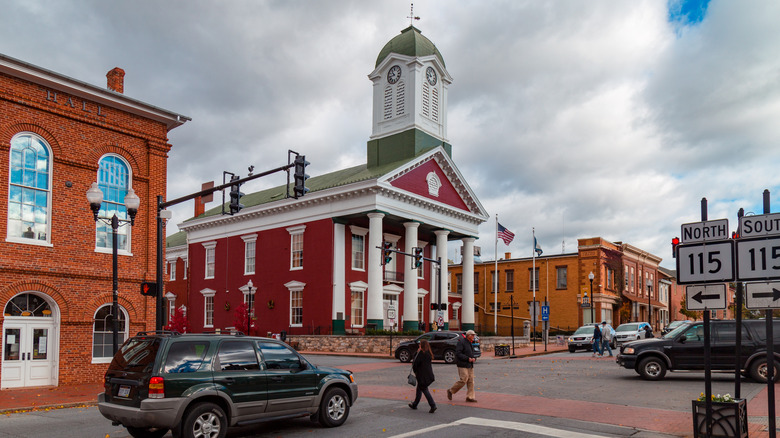
Charles Town, West Virginia, a vibrant town that the Census Bureau reports has just 9,329 residents as of July 2025, stands in the famous Shenandoah Valley. Founded by George Washington's youngest brother, Charles Town remains relatively quaint, but living there doesn't have to be expensive. If you're a careful shopper, you can enjoy local life on $1,977 a month, based on LivingCost.org's calculations.
If you want a one-bedroom unit in a livelier part of town, allow for a rent of around $1,060. However, once you get away from the town center, you may find apartments for approximately $794. The site estimates the utilities for a one-bedroom to come out to around $133 per month, so as long as you can live with fairly minimal accommodations, you can expect to have upwards of $1,000 per month leftover from housing to cover things like food, transportation, and medical care.
You can make the most of that excess cash by using Charles Town's Eastern Panhandle Transit service, as seniors who are at least 60 years old qualify for half-priced fares. This means you'll be able to get around much of the city without driving for a maximum of around $1.75. However, if you do intend to keep a personal vehicle, looking for used cars under $15,000 that are perfect for retirees could still keep your monthly expenses under $2,000 with proper financing.
Altoona, Pennsylvania
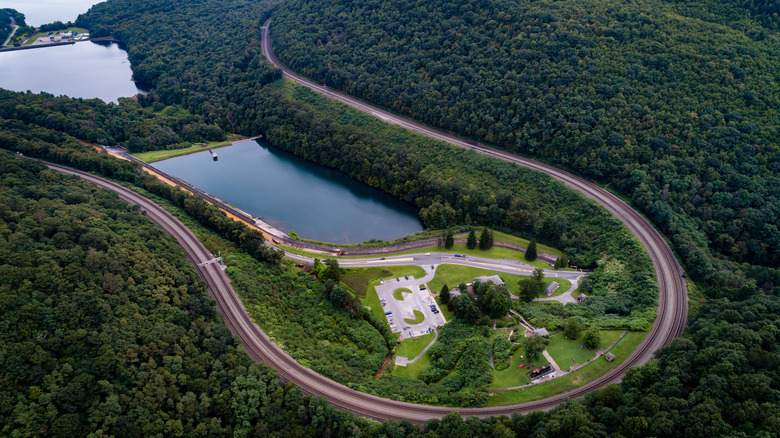
Altoona, Pennsylvania, isn't going to entice you with a sizzling nightlife. It's where you move when you want a safe and pleasant home tucked comfortably in the Allegheny Mountains. Residents can expect their monthly cost of living to reach around $1,988 including rent and utilities, according to LivingCost.org. That represents significant savings in comparison to the statewide average of $2,368.
Rent for a one-bedroom apartment in the heart of the city is around $1,148, but you may find a similar flat away from the city center for about $945. Meanwhile, the local budget-friendly bus system Amtran allows seniors to ride for free at any time, which could help cover your basic transportation needs and minimize your reliance on gas-guzzling cars. Utilizing that community resource, many retirees should be relatively comfortable in Altoona living on $2,000. MIT reports individuals in the area eat for around $344 per month, while local healthcare spending averages around $326 per person.
In addition to these reasonable expenses, senior Pennsylvania renters and homeowners with an income of $48,110 or less are eligible for an income-based annual rebate ranging from $380 to $1,000. The state also doesn't tax Social Security income or standard pensions, so many Altoona retirees' may find a large portion of their income completely untaxed.