

10 Things Bank Employees Know That You Didn't (Until Now)

The banking experience is one that feels simple and even natural. Banking as an industry has been in existence for over 4,000 years, and has centered on consumer security and borrowing needs throughout this time. More recent developments by bankers in the 1970s and '80s have centered on globalization, digitization, and even microfinance. With this sophistication has come a wealth of unique features, frameworks, and even secrets that the typical consumer isn't generally privy to unless they go searching for deeper answers. Those who work in banking know that the trillions of dollars that move through their systems on a daily basis across an equally massive daily transaction count are really just the tip of the iceberg. Liquidity, for example, is a balancing act that all banks need to prioritize every day to ensure they have enough onsite cash to continue supporting clients' withdrawal needs while growing their portfolio value.
Accounts and new signup offers alongside some interesting and potentially impactful usage terms are also front and center for bank employees. Clients often dismiss these as trivialities, but looking deeper into the specifics of your relationship with the institution you choose to bank with can help get you access better rates, prevent exposure to negative outcomes, and much more. These oddities of the banking industry are well known within the walls of these brands, and customers can get a far more beneficial experience from their bank by taking some time to explore them as well.
Clients can usually get bank fees waived just by asking

There are lots of ways to minimize or totally eliminate bank fees. Even so, a 2026 survey by MoneyRates found that average yearly costs for consumers add up to roughly $162 in fees. There's no good reason for a consumer to pay their bank to hold onto their money in the contemporary environment. If you're paying monthly maintenance fees or find yourself subjected to other charges, you might want to consider that a red flag and start looking for a new bank. Plenty of options are out there with totally fee-free banking offered to clients.
However, if you're not quite ready to switch banks, it might be a good idea to swing by your local branch if you still don't want to pay to use the services a bank provides. If you visit your bank in person, or pick up the phone and call someone at the location, you can often get fees waived. Bankers who work in these offices often have plenty of leeway when it comes to reversing a wide range of fees charged to clients. You won't always have success with things like foreign transaction fees and others that tend to come from outside the bank's internal environment, but charges the bank itself levies against you, the client, are frequently reversible. The only thing to keep in mind here is that fee waivers only go so far: The more charges you get reversed, the less likely the bank staff is to continue giving you this preferential treatment in the future.
Debit cards often feature fewer theft protections than credit cards

When you pull out a debit card, you'll essentially transfer money from your bank account to a payee. When using a credit card, you spend money that isn't yours with the promise of repaying the card issuer at a later date. Because of this inherent difference, card issuers naturally build more protections into credit cards than they do into debit cards. So, when fraudulent purchases are made on a credit account, the card issuer's money is at stake as opposed to your own. This means banks have less skin in the game and a naturally weaker motivation to get the money spent via a debit card back from vendors. These protections may naturally push many consumers to favor their credit cards.
Even though it's a good idea to limit the amount you spend on your credit card, online purchasing decisions in particular can significantly benefit from using a credit card instead of a debit card. The built-in protections you receive from using many credit cards are often significant, including things like stronger money-back guarantees from the card issuer in the event that your purchase is lost, damaged, or otherwise unfulfilled. You'll also generally find that credit cards don't require the same level of collateral when making rental car bookings, and you'll even get insurance built into the purchase in many instances. Much of this is absent when making purchases with a debit card. However, some banks — such as Bank of America — do offer expansive fraud coverage, even with their debit cards.
Universal default clauses give banks free rein to leverage external account data

Lots of bank customers will bundle multiple accounts under a single financial institution. It's often fairly straightforward to maintain checking and savings accounts with the same bank, even if many online-only banks and other, external options deliver better yields. This is also true for credit card accounts. There are plenty of card issuers available, but your own bank may offer its own lines of credit while making the management tasks involved with the card just another tab within your digital banking dashboard.
If you're considering a credit card from your bank — or from any other financial institution, for that matter — it's essential to read the fine print on the agreement before finalizing the account details. While it's good to know the workings of the contract as a whole, details like a universal default clause should always give you pause as you take in the terms of your agreement. This allows a card issuer to make changes to your interest rate and other specifics surrounding the card and account based on external credit information. Without this clause, your use of just that one card will dictate credit line increases or subtractions, interest rate adjustments, and more. But if the card issuer has this added feature in place, something like a missed payment on an unrelated card can raise your interest rate on this one.
Banks won't always advertise their best offers, so you have to ask
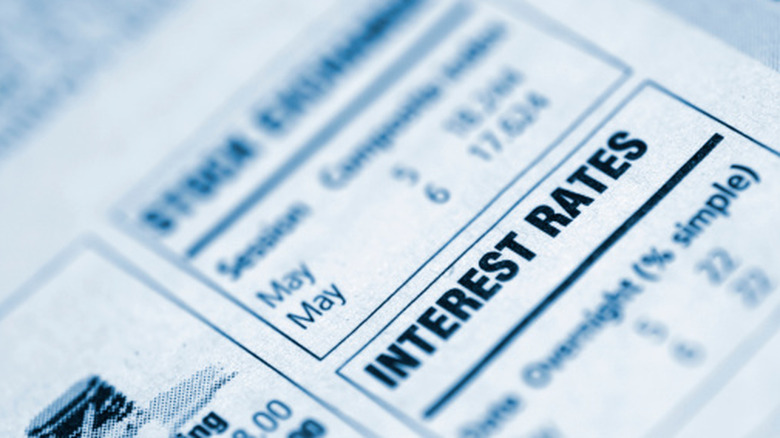
When you sign into your bank account's online management tools, you'll often be greeted with offers to open a new savings account, certificate of deposit (CD) account, or some other product the bank provides. The same is true for in-person visits, and no matter how you encounter these offers, interest rates and other important details are typically front and center. However, banks almost never advertise the best offer they are willing to give clients. A bank might push a new savings option with a higher annual percentage yield (APY) than its standard account, but even that rate is often flexible and simply asking for the bank's best offer can sometimes yield a slight bump in the value you gain from the tool.
Much of the banking experience is at least somewhat negotiable. From waiving fees to asking for an alteration to existing loan terms after you experience an unexpected hardship, banks are frequently malleable entities that want to work with their clients. This is especially true for institutions that position their local community roots as a central selling point. The same goes for the terms they offer on products that pay you. Asking for the "final" or "best" offer available will sometimes give you access to additional value when considering a new account type. Naturally, this isn't something that tends to be possible when going through the steps of opening or applying for a new account via an online portal.
You can sometimes stretch a credit limit by visiting the bank in person

Asking for a credit limit increase is a fairly standard operation when managing your credit card. Generally, you can make a limit increase request every six months, and for people looking to leverage their card responsibly and build better credit over the long term, this is a great idea. With a higher credit limit, you can expect to see your credit score climb as something of a natural byproduct as long as you continue to use it responsibly. If you don't start spending more on the card and keep up with your payments, increasing the limit allows for a lower utilization rate and a higher available line of credit — both of which are factors that help improve your credit score.
Sometimes, you may need additional spending power right away. If you have a card issued by your bank, you may be able to temporarily increase the limit on your credit card by essentially pre-paying the overlimit portion of the purchase. This tends to be an option only if you have physical access to a teller, so online and non-bank credit issuers usually won't be able to facilitate this approach (think Chase or Bank of America versus American Express). If you have a $0 balance, making a deposit and having the teller apply it to your credit card will put your balance in the negative, functionally expanding your purchasing power to allow for added room to make a big purchase.
Bank employees frequently try to cross-sell new accounts and services

Keeping as much of your money in-house as it can is good for a bank's bottom line. The more money a bank controls, the more it can lend out. This drives increased profits from the interest rates it charges, and even derives an interest yield on uninvested cash that's sitting in limbo between functions. As such, bank employees will often look to cross-sell clients on new account options to entice them to pour more money into their system — even if the customer could find a better deal elsewhere.
The higher your engagement level with the bank, the more money you're likely to keep within its coffers. This includes lending products, allowing the bank to essentially double-dip on the value you bring as a customer. You're likely to experience a soft touch with this approach in the present day because a major scandal at Wells Fargo broke in 2016 involving this exact practice. Over the course of five years, Wells Fargo employees had opened upwards of 2 million accounts without getting express authorization from customers in an effort to chase bonuses and other incentives attached to internal cross-selling targets. This priority remains for banks, though you're not as likely to see the same level of intensity as you may have in decades past.
Banks only keep a small amount of cash onsite
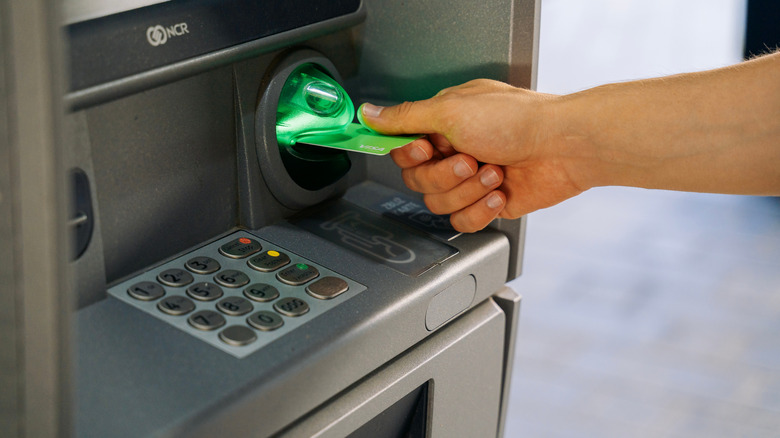
The banking business revolves around leveraging capital. Banks inherently promise to fund whatever purchases a consumer might make with the value they deposit, but the logistics of maintaining that level of liquidity are complicated. For one thing, transactions don't tend to settle for a few business days, meaning a payment is technically pending finalization following the activity. That offset gives banks plenty of leeway to mobilize capital if a particularly large volume of transactions occur all at once. In practice, big banks are functionally incapable of failure when it comes to digital transfers and payments, even if the issue technically could happen. In the event that a bank failure does occur, Americans are virtually always covered up to $250,000 per account under Federal Deposit Insurance Corporation (FDIC) regulations.
The more pressing logistical issue for bank branches is their cash stockpile. If a large number of clients take out cash withdrawals, the institution might run out of physical money to hand out. To prevent this, the federal government sets a reserve ratio to dictate the percentage of a bank's total holdings that needs to remain liquid. However, as of March 2020, that figure is set at 0%, meaning a bank could legally have its entire volume of capital holdings leveraged in loans and other assets. It's impossible to say how much cash any particular bank will have on hand, but it shouldn't come as a surprise that the vast majority of a bank's assets are not held this way.
A set-off right allows banks to take your money to satisfy debts
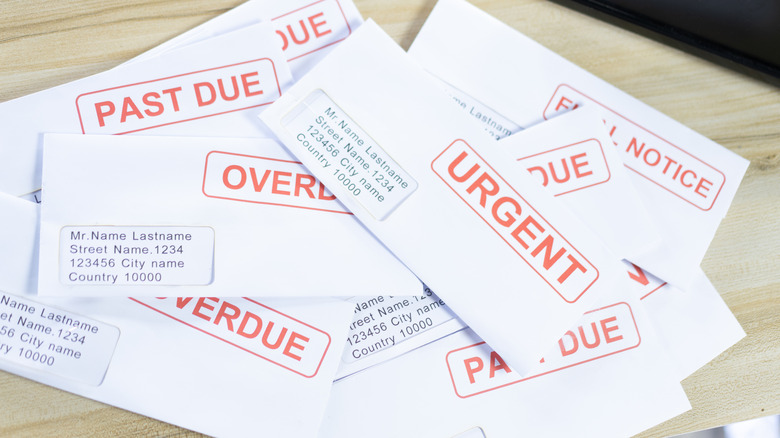
The right to set-off is something that a bank reserves within its internal ecosystem. If you have a credit card or personal loan with the same bank that manages your checking account, the bank actually has the ability to pay itself back from your accounts. This can be done without expressed approval or incident-specific consent on your part, and that reality can be quite troubling for customers. In practice, a bank isn't likely to exercise this power unless it's uniquely incentivized. Taking money from customers, even when agreement language and the law allows it, isn't likely to make anyone particularly happy.
Even so, it's important to know that your bank has expansive power to take money from your account to satisfy a late or missing payment on your credit card account, auto loan balance, or mortgage. The same is true for fees that have been charged to your checking account. The bank can withdraw funds from your savings account to cover an overdraft, or take money from this account to satisfy a fee charged to another one.
You may have to jump through hoops to close an account
Opening accounts has become fairly simple in the modern marketplace. Banks make it exceedingly straightforward to open accounts online, even if the branch you'll call "home" is just down the road from your residence. The ease of access is a welcome feature for many customers looking for a streamlined banking experience. However, this same level of convenience isn't always available if you choose to take your business elsewhere.
Closing an account can be a task met with many hurdles. Some banks charge customers a fee to shutter their relationship with the bank, and others require you to visit the branch in person or fill out numerous forms that can take days to approve and finalize. This makes it all the more important to read through all the documentation you get during the signup process. The last thing you'll want to find out is that you're on the hook for a termination fee while trying to break up with a bank that hasn't served your needs. Thankfully, closing a bank account isn't a particularly damaging action, though you may want to think twice about canceling any credit cards you have with the outlet. Closing a credit card reduces your total limit and changes your credit-utilization calculation. If it's an old card, you'll also skew the average age of your lending product mix, potentially lowering your credit score.
Overdraft protection can often come back to bite you
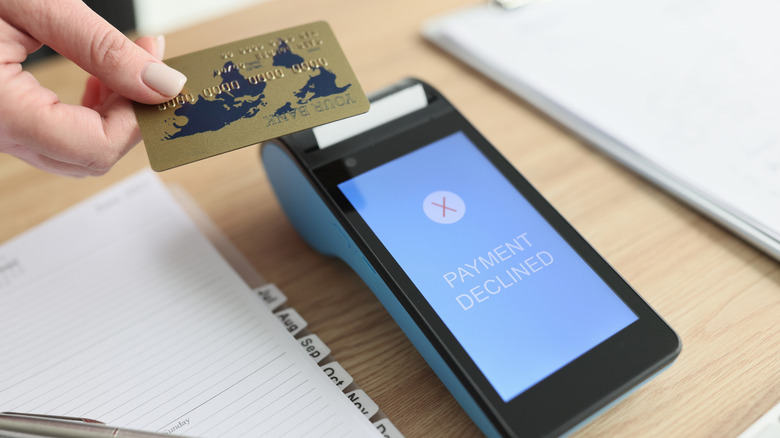
Overdraft protection is billed as a great way to avoid payment issues while you're out and about. The bank allows you to temporarily use your debit card as if it were a credit account, drawing from funds you don't have to satisfy a payment in the moment. This tool can help you avoid the embarrassment of having your card declined, but that is often where the benefits of overdraft protection end. The realities of this practice fall firmly within the camp of shady things banks don't want you to know.
Many banks organize overdrafts as a dip into the red that you'll have to actively manage later on. Others draw funds automatically from your savings account to cover the overage. Either way, you wind up in a hole. Additionally, the compounded pain of overdraft fees can be pretty severe: The FDIC reports these added costs average a blistering $35, which can easily leave account holders substantially short of their financial needs if they add up. The ability to spend money that isn't in your checking account can act as a gateway to consistently bad budgeting, leading to missed bills and squeezed spending in a hurry. Illustrating the severity of this threat, the Consumer Financial Protection Bureau reported that banks netted $5.8 billion in revenue from overdraft and non-sufficient fund fees in 2023. Meanwhile, the Federal Reserve Bank of New York reports those earning less money are more likely to pay overdraft fees, suggesting that much of these profits wind up coming out of the pockets of those who would be most impacted by the expense.