

You Can Retire Comfortably With Less Than $1 Million In These US States

Living comfortably in retirement typically means ensuring that you've saved more than enough money, and that you only draw so much from it annually. As life in the United States continues to get more expensive, more and more retirees could run the risk of overdrawing and running out of savings. There is some merit to this worry. According to Vanguard's 2026 "How America Saves" report, hardship withdrawals increased in 2025, with 6% of respondents needing at least one. This represented a 1% increase year-over-year from 2024. The best way to avoid these withdrawals from exhausting your retirement savings is to ensure that accounts are well funded, which is much easier said than done.
As of Spring 2026, a Northwestern Mutual study reports that Americans estimate that they'd need close to $1.5 million to live comfortably, while Empower finds the median retirement balance for Americans aged 60 to 70 is about $568,116. Though the average retirement savings balance for this age group is over $1.2 million, the median suggests well over half of retirement-age Americans have less than $1 million in their retirement accounts.
Fortunately, there are still places in America where retirees can live comfortably with less than $1 million in retirement savings. GoBankingRates, for instance, used Bureau of Labor Statistics (BLS) and Missouri Economic Research and Information Center (MERIC) data, and determined states with a cost of living index (COLI) below 100 are places you can retire with less than $1 million in savings. Based on GoBankingRates findings and updated MERIC data, we think these states are great options for comfortable retirement.
Ohio

According to MERIC's Q3 2025 data, Ohio previously ranked No. 20 out of 50 states in terms of affordability (via Colorado's Department of Health Care Policy and Financing). At the time, Ohio's index score was 92.8 out of 100. In early 2026, MERIC scored Ohio 93.7 out of 100 for cost of living, which actually suggests it became slightly more expensive relative to the previous year. But even after dropping to the position of the 21st least expensive state and seeing a nearly 1% index score increase, Ohio remains an affordable option for retirees.
One of the reasons that Ohio continues to be affordable relative to the rest of the country is its housing. Per 2026 MERIC data, it's 13.7% less expensive than the national average. Zillow claims the average Ohio home is valued at $248,719. Meanwhile, Redfin reports Ohio's median sale price in May 2026 was about $274,027 — far below the national median of $403,200 reported by the Federal Reserve in Q1 2026. If you decide to rent, Apartments.com states Ohio rent averages around $1,100 per month as of early July 2026. You'll find some of the state's cheapest apartments in Lorain and Youngstown, where residents pay around $700 per month on average. By keeping housing costs low, you can allow your retirement dollars to stretch and ensure your retirement savings will last much longer.
Per GoBankingRates's estimates, those moving to Ohio will want to have at least $864,291 in retirement savings. That said, as MERIC's adjusted Ohio's score upward, it's possible you'll want to have slightly more than this amount to ensure you're able to retire in comfort.
Louisiana

Louisiana continues to be one of the cheapest states in the country. In Q1 2025, MERIC reported the state was the 17th most affordable in the nation (via SoFi). As of 2026, Louisiana's ranking improved, with MERIC bumping it to the No. 15 slot with a COLI of 91.1 out of 100.
According to the most recent data, Louisiana residents pay notably less than the national average for housing and utilities, scoring 83.3 and 82.3 out of 100, respectively. Previously, SoFi estimated that Louisiana residents had housing costs ranging between $833 and $1,543 per month. That roughly aligns with Apartments.com's early July 2026 estimates; the site noted the average rent in some areas dipped under $900 per month in Monroe, though it did exceed $1,300 per month in more expensive regions like Marrero.
As for cost of living, GoBankingRates found the average annual expenses came out to $56,947. The site ultimately recommended retirees weighing a move to Louisiana set aside at least $862,756 in retirement savings. All things considered, retirees relocating to this southern state should live comfortably enough, even if their savings are well below the $1 million mark.
New Mexico

MERIC ranked New Mexico the 17th cheapest state in Q3 2025, but the state jumped to the No. 11 slot as its COLI dropped from 92.5 to 89.9 in early 2026. This could be a sign that, while national living costs are rising, your retirement dollars will stretch a bit further in New Mexico.
For retirees considering a move to New Mexico, you'll likely save the most here in terms of housing costs and utilities, which were given respective scores of 83.2 and 80 out of 100 in 2026. The median house sale price, per Zillow, is $342,167 as of April 2026. Meanwhile, Apartments.com reports rentals cost less than $1,200 per month on average as of July 2026. In some cities, the average rent is priced even lower — around $900 per month or less — highlighting that New Mexico is still a relatively cost-effective state for retirees who want to live in a warm area without overspending.
GoBankingRates estimates New Mexico's annual cost of living is roughly $56,825. The site also suggests that to live comfortably, you likely need at least $859,684 in retirement savings. However, it's possible you might be able to get away with saving even less: SoFi Bank, for instance, worked out New Mexico's cost of living to be $46,076 in September 2025, suggesting your retirement savings could stretch even further. That said, the closer your savings balance is to GoBankingRates's original estimate, the more comfortably you'll be able to enjoy your time in New Mexico.
Tennessee

Tennessee is a solid choice for retirees looking for an affordable state to retire. Across 2024, 2025, and 2026, it managed to maintain a top-10 position on MERIC's list of the most affordable states to live (via SoFi). GoBankingRates recommends Tennessee as a particularly attractive retirement destination, as it has a COLI score of 90.3 and does not charge residents state income tax. For retirees, that means no state taxes on 401(k) or IRA distributions, pensions, or Social Security benefits.
The state's tax-friendliness to retirement income might allow you to get away with having a little less set aside than in some other places on this list. However, GoBankingRates did note Tennessee relies on other taxes to make up the difference: For instance, Tennessee relies heavily on its general sales tax, which is fixed at 7%. According to the Tennessee Department of Revenue, this tax makes up 60% of state revenue. Homeowners will pay property taxes as well, but SmartAsset reports they're among the lowest in the country.
It does seem like a situation where, even if you can avoid state-level income taxes, you'll need to be mindful of alternate taxes and other expenses. All things considered, should you move to Tennessee, GoBankingRates suggests you have at least $825,896 in savings.
Iowa

If you're a retiree with less than $1 million, then Iowa could work for you — especially if affordable housing is a top priority. Based on MERIC's early 2026 data, Iowa's most budget-friendly expenses are utilities, which scored an 88.6 out of 100 in terms of price in Q1 2026, and housing, which got a 75.6. Additionally, Axios noted in 2025 that, despite the AI boom contributing to rising utility costs across the country, Iowa has notably bucked the trend: The state's utility costs actually dropped from May 2024 to May 2025. As for housing, Zillow reports the average Iowa home is valued at $238,019 as of April 2026; the median sale price, meanwhile, is $223,633.
Using data from MERIC, the Census Bureau, and the Bureau of Economic Analysis, SoFi estimates Iowa's average annual cost of living is $47,833 per person as of September 2025. Average monthly expenses work out to approximately $3,986. Though GoBankingRates's estimation is slightly higher, its projections for Iowa's cost of living remain reasonable: Annual expenses come out to approximately $55,473 per year, or $33,036 after Social Security. Overall, GoBankingRates determined that Iowan retirees would need savings totalling at least $825,896 to afford life here.
In Q3 2025, MERIC scored Iowa a 90.3 out of 100 for cost of living. According to 2026 MERIC data, though, Iowa's COLI went down to an 88.6 — a roughly 1.9% drop. This change saw Iowa move from the ninth to the seventh cheapest state. As such, if you have slightly less than GoBankingRates's suggested savings total, you may still be able to retire comfortably in Iowa.
Arkansas

If you're a retiree with less than $1 million in savings but more than $800,000, then Arkansas could prove a comfortably affordable retirement destination. Using Bureau of Labor Statistics data, SoFi Bank determined Arkansas' annual cost of living to be $44,254 on average. GoBankingRates took a more conservative approach with its estimates, claiming residents need about $54,859 per year. The good news is, based on GoBankingRates' estimates, retirees can get by in Arkansas with $810,358. If this is an overestimation compared to other sources, it may mean your retirement savings will stretch further than expected.
One way retirement savings could last longer is through reduced transportation spending. Some claim an advantage of moving to Arkansas is that traffic isn't congested much of the time, especially outside of urban areas. Instead, shorter commutes make for lower fuel costs.
Housing is also a source of savings. Arkansas has some of the most affordable rent in the country, with Apartments.com noting rent here averages around $970 per month as of July 2026. In some Arkansas cities, that average drops to well under $700 per month. Home ownership is also relatively affordable: Zillow reports Arkansas homes are valued at $226,473 on average as of Spring 2026. Per Experian and Rocket Mortgage, mortgage payments range between $1,100 and $1,700. Though these costs get impacted by down payments and fixed interest rates, odds are you'll still wind up paying well below the national median mortgage payment of $2,623 Rocket Mortgage reported in June 2026.
Kansas
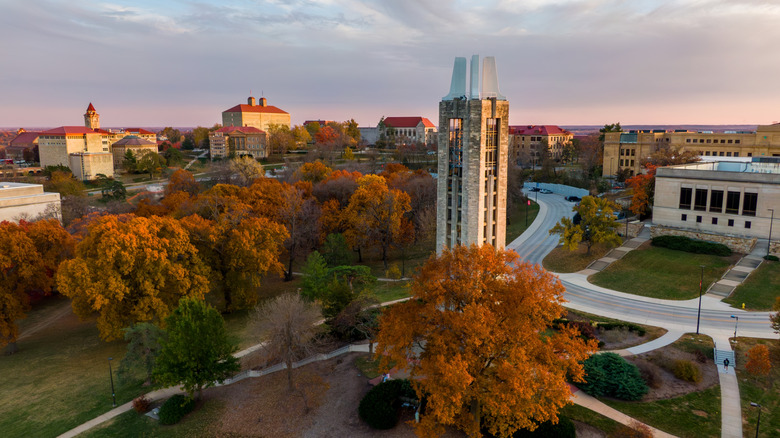
At the time GoBankingRates made its retirement savings estimates, MERIC awarded Kansas a COLI of 88.9. According to MERIC's early 2026 data, that score improved to a 87.6, Moreover, Kansas has since been ranked the fourth least expensive state in the country. While the cost of living continues to rise across the United States, retirees may find that prices rise more slowly here than in many surrounding areas.
While Kansas scored an 87.6 overall, housing proved to be especially affordable, earning a 77.5 out of 100. Apartments.com finds Kansas renters pay roughly $1,100 per month on average. Meanwhile, Experian estimates the average Kansas home costs $245,000. This reportedly works out to a $1,292 monthly payment on a 30-year fixed mortgage with a 6.92% interest rate. Another area where Kansas natives spend below the national averages is transportation, which earned a MERIC score of 88 out of 100.
Because Kansas is below the 100 average, you should be able to retire here with less than $1 million. Per GoBankingRates, the magic number is $804,395 or more. With Kansas' COLI dropping, it's possible you can get away with slightly less, but you should err on the side of caution. The further your savings balance is from $800,000, the less comfortable you might find retirement in Kansas.
West Virginia

West Virginia offers low-enough living costs that retirees should be able to live comfortably here with less than $1 million in retirement savings. Its general COLI is 87.9, with West Virginians spending less than the national average on utilities, healthcare, and housing. The median home sale price, according to Zillow, is $215,167, while homes are valued at $178,719 on average. If renting, Apartments.com determined the average rent for West Virginians is less than $1,000 monthly as of early July 2026.
It's important to note that West Virginia does tax portions of your retirement income. As of 2026, Social Security benefits are completely non-taxable at the state level. However, most 401(k) and IRA income remains taxable. However, it is worth noting that retirees 65 and older can qualify for an $8,000 senior modification. For example, if you withdraw $38,000 from IRA accounts, you'll owe taxes on $30,000 of it. GoBankingRates estimates that retirees who want to retire to West Virginia will need at least $792,109 in savings.
Alabama

Alabama continues to be one of the most affordable states in the country. In Q3 2025, for example, it ranked No. 3 on MERIC's roundup of the most affordable states with a COLI of 87.9. By early 2026, Alabama jumped up to the No. 2 slot, with a COLI of 85. As Alabama's cost of living trails so far behind the national average, retirees with less than $1 million in savings should do well here. Per GoBankingRates estimates, if you have at least $789,037 in your retirement accounts, you should find Alabama comfortably affordable.
If you want to stretch your retirement savings as much as possible, you'll want to lean into the most affordable aspects of Alabama. Retirees will be pleased to find that, according to MERIC data, housing and healthcare are among the cheapest expenses for Alabama residents. Housing is especially affordable, earning a score of just 67.7 out of 100. Of all 50 states, only Oklahoma scored lower in this department. Zillow reports Alabama homes are valued at $239,515 on average; the median sale price, meanwhile, is $262,417. According to Apartments.com, Alabama apartments rent for less than $1,100 per month on average. However, some residents pay considerably less than that: Those living in Florence, Alabama, for example, may find living spaces to rent for around $600.
As you can see, even if your savings are well below the $1 million threshold, Alabama's low housing costs and affordable living should let you enjoy a comfortable retirement.
Mississippi

For retirees looking for an affordable warm-weather state, Mississippi is a great option. It continues to have one of the lowest costs of living in the country, ranking third behind Alabama and Oklahoma in MERIC's Q1 2026 roundup. With a COLI of 86.2 out of 100, Mississippi meets the stipulation of being affordable to those with less than $1 million in retirement savings. GoBankingRates estimates you should have at least $752,178 in savings before relocating here.
Should you decide to move to Mississippi, you'll have the advantage of choosing a state with very affordable homes and apartments. According to Apartments.com, rentals cost slightly over $1,000 per month on average. If you want to pay less than $900 monthly, you may find workable housing in cities like Tupelo, Meridian, or Greenville, where rent sits between $800 and $900 on average as of July 2026.
If you'd prefer to buy a home, houses here cost well below the national median. As Zillow reports, the median sales price of homes in Mississippi is $248,650; on average, they're valued at $197,008.
Oklahoma

For retirees with less than $1 million in savings, Oklahoma is a great option for ensuring retirement funds last as long as possible. It had the lowest MERIC cost of living index in both 2025 and Q1 2026, suggesting that Oklahoma's pricing isn't keeping pace with the national average.
GoBankingRates reports Oklahoma has the cheapest annual cost of living on its list, averaging almost $51,849 — roughly $4,321 per month. Were you to retire to Oklahoma, you'll need about $735,284 in retirement savings to afford life here. However, there are a couple of considerations that could bring that amount even lower.
Between Q3 2025 and Q1 2026, Oklahoma saw its housing, transportation, grocery, and utilities scores all drop, suggesting these expenses increased in affordability relative to the rest of the U.S. While Oklahoma healthcare costs increased, causing the score to jump from 93.1 to 98.1, this expense still falls short of the national average. Housing is definitely the biggest affordability factor: Zillow reports homes on average are valued at $223,590. Meanwhile, the median sale price is $233,333. For renters, Apartments.com finds Oklahoma apartments average a little over $900 per month. In fact, the site ranked Oklahoma the least expensive state for rent as of this writing. In some cities, rent costs less than $750 monthly.