

13 US States With The Lowest Cost Of Living, Ranked Worst To Best

Across the United States, individuals and families are feeling squeezed by rising living expenses. In fact, a survey by Talker Research indicates that a staggering 87% of Americans believe the country is experiencing a "cost of living crisis." Furthermore, 78% of respondents reported seeing "everything" increase throughout 2025, while 46% expect this trend to continue through 2026. A LendingTree survey revealed that the cost of living and inflation stand among Americans' top economic concerns, with 62% of U.S. adults pointing to these dollar-pinching trends as major worries. Even 38% of six-figure earners have a pessimistic outlook on the economy, indicating that the skyrocketing cost of living is hitting all income categories.
This widespread negative sentiment is backed by real-world data. The Cato Institute tracked consumer price increases from 2021 to 2026, indicating that costs rose around 24% in half a decade. Between 2023 and 2024, the median cost of owning a home jumped by 3.8%, according to the U.S. Census Bureau. Americans are spending about 21.4% of their income on property and mortgage costs alone. Statista suggests that electricity prices have surged over 28% between 2021 and 2025, anticipating a 6.5% increase between 2026 and 2027.
This escalating cost of living has forced Americans to seek out more affordable U.S. states. However, not all low-cost states represent the same financial break for residents. For example, there's a 6% cost of living difference between the 10th least expensive place and the most affordable state to live in the country, according to the Missouri Economic Research and Information Center (MERIC). Money Digest has filtered the U.S. states with the lowest cost of living, ranked from the worst — the most expensive on the list — to the best — the cheapest available — to give Americans a head start on their cost-saving moving plans.
13. Kentucky
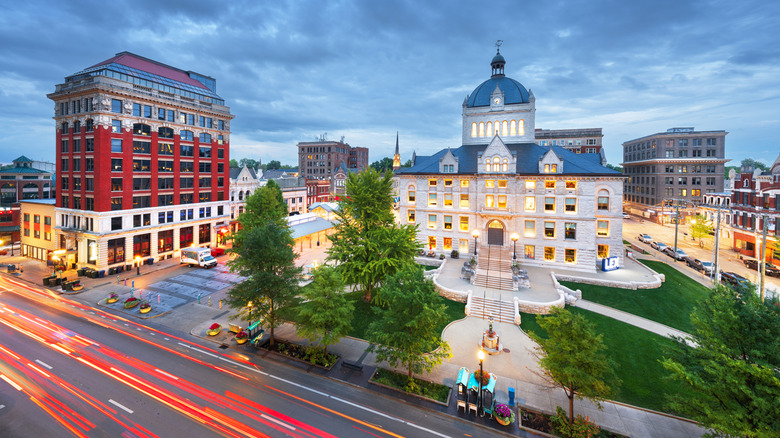
Kentucky officially lands as the worst of the U.S. states with the lowest cost of living. Bear in mind, the Bluegrass State still outranks 37 states in terms of affordability. MERIC indicates that residents experience an 8.5% discount on major expenses overall. As is the case with all states, real estate is the primary source of savings for Kentuckians. Housing costs in Kentucky undercut the national level by 25.2%. That's not bad, given that real estate is usually one of the single largest expenses for Americans. On average, Zillow estimates homes sell for around $231,894 in the domestic market. For reference, the average house price in the U.S. is $366,019, according to Zillow. Kentucky even offers some of the hands-down best tax breaks for homeowners, compounding the financial savings for residents.
Kentuckians can also cut back their spending in a slew of other areas. Utilities are generally 12% lower than the rest of the U.S., sweetening up an already appealing real estate market. Medical expenses are 6.5% beneath the national level, and transportation offers another 4% discount. Residents spend about as much on groceries as other Americans, with this line item only falling 0.2% below the standard. The Census Bureau suggests that the median household income in the state is $63,726. Yet, the 8.5% lower cost of living results in a more accurate buying power of $69,646. Unfortunately, the Volunteer State still suffers from a high poverty rate of 13.5%.
12. North Dakota

North Dakota may be the most expensive state in which to register a car, but most living costs fall well under what most Americans spend. In fact, healthcare is the only major routine expense that is higher than the national average, outpacing the benchmark by 8.8%, per MERIC. Overall, North Dakotans spend 8.9% less in general living costs when stacked up against the U.S. standard. Housing is the largest share of savings, with prices dropping 24.3% beneath the countrywide norm. Zillow reports that homes tend to be priced around $284,076, offering a nice break from the housing market average.
The Peace Garden State also offers a whopping 16.8% discount on utilities, offering even more property-associated savings. Healthcare, which is a major consideration for all Americans, is 8.8% higher than the national level. Groceries offer a decent financial break of 3.2%, although the reduction in transportation is nearly non-existent at 0.1% below the U.S. norm. The median household income in North Dakota is $76,657, as reported by the Census Bureau. However, the state's relative affordability means residents have closer to $84,145 in buying power. Even with a lower cost of living, an 11.1% poverty rate persists.
11. Texas

Texas showcases a cost of living 8.9% below that of the rest of the country, according to MERIC. The real estate market tends to exhibit prices 20.6% beneath the national market. Zillow estimates that the average home sells for about $300,957. While this is less than you'd pay in other states, the average cost of property taxes in Texas might catch you off guard. Homeowners in the Lone Star State don't get a break on utilities, either, with these routine costs resting 2.9% above the U.S. benchmark.
Texans experience 7.1% cheaper transportation costs compared to the national average. Groceries and healthcare expenses offer a further discount of 4.7% and 3.2%, respectively. The Census Bureau indicates that the typical household in Texas brings in a median income of $78,476. However, the real purchasing power comes out to $86,119, when compared to the country's comparatively high cost of living. Yet, residents still suffer from an elevated poverty rate of 13.4%.
10. Indiana
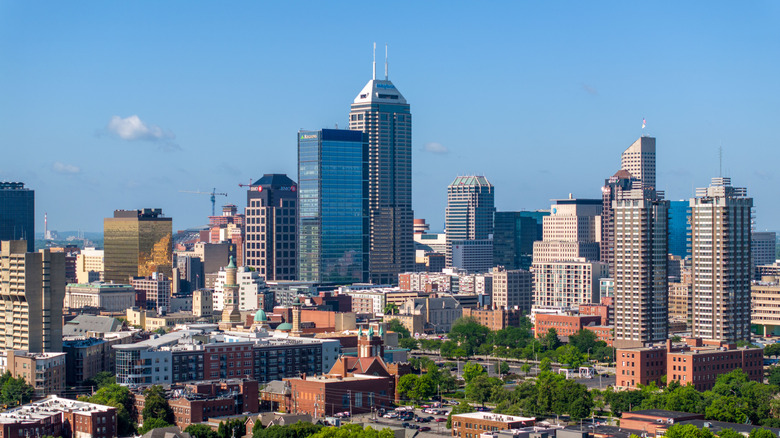
Indiana kickstarts the list of the top 10 U.S. states with the lowest cost of living. Overall, MERIC indicates that Hoosiers spend 9.3% less than the average American on daily costs. Housing is the most affordable budget line item in the state, falling 24.6% below the national standard. For context, Zillow estimates the average house in Indiana costs about $254,122, and that's already up 2.2% from the prior year. Utilities are 5% more affordable than the rest of the country, and healthcare is 3.7% under the norm.
Groceries are much more muted, only undercutting the nationwide figure by 0.8%. Interestingly, transportation stands out above the U.S. average by 1%. Given these reasonable prices, it's not shocking to learn that Indiana is home to one of the Midwest cities where you can comfortably retire on $2,000 a month. The Census Bureau reports that the median household income in the Hoosier State is $71,957. When factoring in the state's cheaper cost of living, Indiana residents actually have a purchasing power of an adjusted income of $79,346. Still, around 12.2% of the state's population lives below the poverty line.
9. Tennessee

Tennessee is chock full of the best towns for retirees, primarily due to the statewide cost of living, which dips below the national average. MERIC data indicates that the Volunteer State's living expenses are 9.9% cheaper than the rest of the country. Residents save up to 17.6% on housing compared to the overall U.S. real estate market. According to Zillow, the average home is valued at $333,651. On top of lower property costs, Tennesseans spend a staggering 11.9% less than their peers across the nation on utilities. Healthcare is another massive source of savings, with medical costs coming under national levels by 13.6%.
Transportation is more economical than the U.S. standard by 11.3%. In comparison to all of these living costs, groceries are the most expensive line item in a Tennessee resident's budget in terms of proportion to national rates, but still remains 3.2% below the national average. The median income in Tennessee is $69,595, per the Census Bureau, yet the state's subdued living costs translate this into a real purchasing power of $77,242.
8. Arkansas
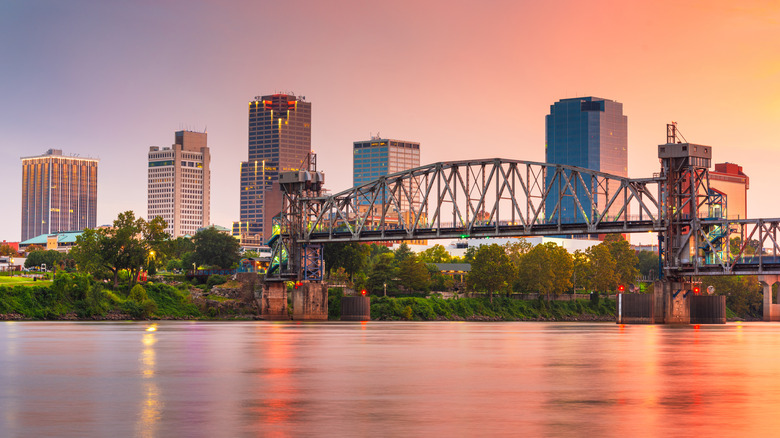
Arkansas is 9.9% more affordable than the U.S. benchmark, per MERIC statistics. Housing comprises the vast majority of these savings compared to the national average, with residents spending 21.2% less than their peers. According to Zillow, the typical home in the Natural State runs about $222,050. Homeowners in Arkansas also save about 5.7% on utilities, augmenting their property-associated costs. Arkansans find the same savings on groceries, which are also 5.7% cheaper than the norm. The state's transportation expenses are 9.3% more manageable than the country standard.
Behind housing, health is the largest source of cost-savings for residents of Arkansas, with medical bills 12.7% more affordable. It's crucial to note that, despite being one of the most affordable states, Money Digest highlights that Arkansas isn't considered one of the best places to live. The Census Bureau estimates the median income of Arkansas to be $60,773. Given the Natural State's dampened living expenses, however, residents are more accurately earning $67,451 in buying power. Tragically, this relative affordability hasn't helped the state escape an elevated poverty rate of 15.5%.
7. Iowa
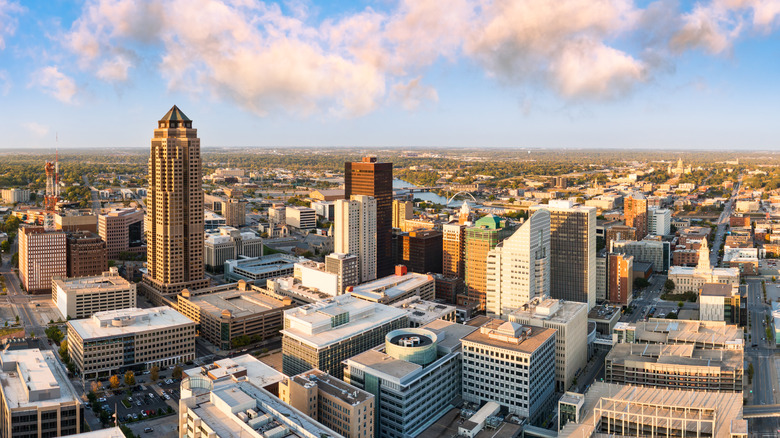
Iowa is heralded as an underrated state with a low cost of living that also exempts social security income. While this perks the ears of retirees, especially, Iowa is an excellent state for all Americans looking for a break from stubborn inflation. According to MERIC research, residents of Iowa enjoy a cost of living 10.2% underneath that of the rest of the country. The state's property values are 22.3% more accessible than in the U.S. overall. Zillow puts the average cost of a home in the Hawkeye State at $231,585. Additionally, homeowners and renters can slash their utility budget by 12% compared to living in other states.
Healthcare and groceries reduce spending compared to the national average by 4.1% and 3.4%, respectively. The state's transportation expenses fall right in line with the national level, only undercutting the average by 0.5%. Residents of Iowa take home a median household income of $75,059 per year, per the Census Bureau. However, this figure is more like $83,586 when you factor in Iowa's lower living costs. Yet, the Hawkeye State has a persistently lofty poverty rate of 11.3%.
6. Missouri
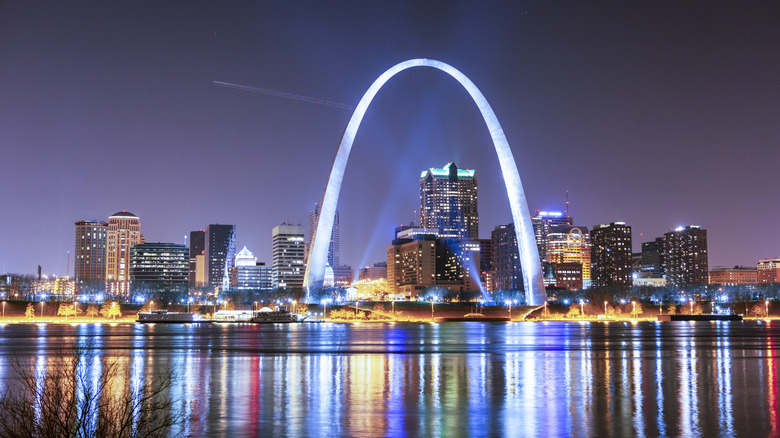
Missouri's living expenses routinely fall under the national benchmark by 11.1%, per MERIC reporting. The real estate market is the source of most of these savings, resting 22.5% under the U.S. market standard. The average home in the Show-Me State sells for around $263,040, according to Zillow. Furthering the state's property-associated costs, residents spend 8% less on utilities than in other states. Transportation is among the lowest in the country, priced at 12.8% under the country's baseline.
When it comes to routine shopping, groceries are 4.1% cheaper than the national standard. Healthcare rises slightly above the U.S. average by 0.3%. For context, earning $410,472 immediately puts you in the top 5% of Missourians. On average, Missouri residents earn a median household income of $70,702, as reported by the Census Bureau. The average resident's actual take-home pay is closer to $79,549 when you consider the state's reduced living expenses. For further context, around 12.3% of Missourians are living below the poverty line.
5. Kansas

Kansas ranks as the fifth most affordable state in terms of living expenses. MERIC suggests that the overall cost of living sits 11.6% under the national norm, giving residents plenty of financial breathing room. Housing is a remarkable 23.1% cheaper than the U.S. real estate average. Zillow estimates that the typical property in Kansas sells for $244,761, which is up 3.3% from the prior year. Jayhawkers save a bit on utilities, with these routine coming in 1.9% below the average.
The Sunflower State also enjoys transportation costs that run 9.3% under the countrywide standard. On healthcare, residents tend to spend 5.5% less than in other states. Similarly, groceries yield a 4.1% savings compared to the U.S. average. Crucially, Kansas is one of the states with the highest sales tax, tacking on some hidden costs to daily purchases. The Census Bureau estimates the median household income in Kansas to be around $74,275, yet the adjusted income for the average resident is closer to $84,042, when factoring in the state's below-average living costs. Still, the Sunflower State suffers from a lofty poverty rate of 10.9%.
4. Alabama
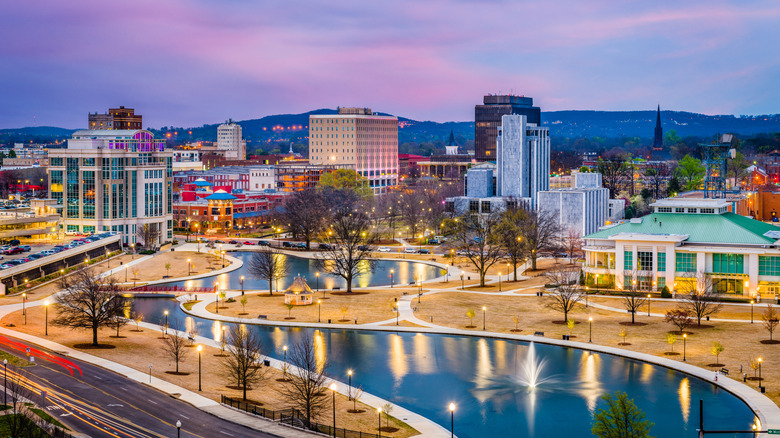
Alabama slightly beats out Kansas for the fourth spot in the ranking of the U.S. states with the lowest cost of living. MERIC places this state's overall living expenses at 11.9% more affordable than the U.S. average. The housing market in the Yellowhammer State is 28.8% cheaper than the nationwide norm. Zillow indicates that the typical home in Alabama is valued at roughly $236,453. In addition to lower-cost housing, residents save about 2% on utilities, making property in this state even more appealing. Transportation and healthcare are the next major areas of cost-saving for residents, falling under the U.S. average by 9.5% and 8.8%, respectively.
Alabamians tend to spend 2.5% less on groceries than their counterparts in the rest of the country. Alabama is so affordable that Money Digest has highlighted it as one of the charming states where you can retire comfortably on $2,000 a month, which isn't far off from the average Social Security payout. The median household income for Yellowhammers is estimated at $63,999, according to the Census Bureau. The state's depressed overall costs make this income closer to $72,644, however. The federal government reports that around 15.2% of Alabamians fall below the poverty line, despite these depressed living expenses.
3. West Virginia

According to MERIC, West Virginia offers an overall cost of living that beats out the national average by 12%. Zillow estimates that the typical house sells for $174,412, making it one of the most affordable real estate markets on this list of states with the cheapest living costs. Unsurprisingly, West Virginia is the state with the highest home ownership rate, with nearly 80% of households owning their property. The Mountain State also features significant savings on utilities, which fall 9.3% below the U.S. norm. For healthcare, West Virginians spend 4.8% less on average compared to their counterparts.
Groceries and transportation are also cheaper than the nationwide norm by 3.7% and 2.2%, respectively. Residents of West Virginia face lower costs overall, but they also experience the lowest median income on this list of the most affordable states. The Census Bureau reports that the typical West Virginian earns $59,608. This number shoots up to $67,736 in real purchasing power when including the state's reduced financial burden. It's critical to note that this state also has one of the worst poverty rates in the country, with 16.7% of residents falling below this line.
2. Mississippi
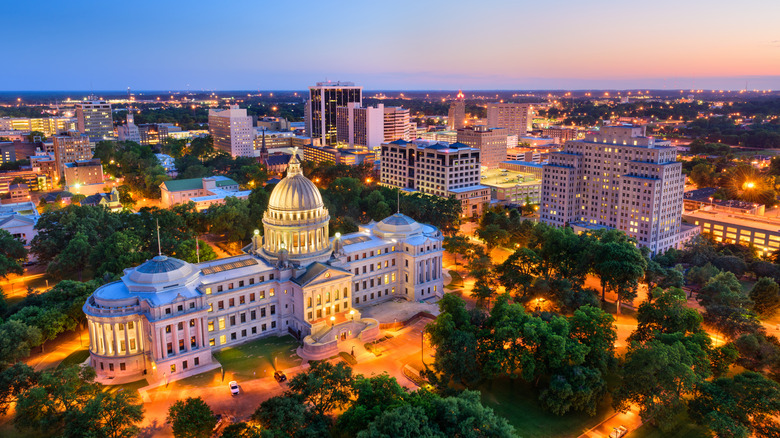
Mississippians benefit from living expenses that sit 14% under the national norm, per MERIC data. The real estate market prices come in 28.4% below the national industry average. According to Zillow, residents spend about $192,906 on the typical home. For even more property-related savings, the Magnolia State offers utility prices 10.6% less expensive than the U.S. average. Transportation offers another hefty chunk of savings, undercutting the nationwide standard by 11.7%. Healthcare and groceries are 5.7% and 4.5% below the rest of the country's costs, respectively. Notably, Mississippi is the state with the lowest average Social Security income.
Although this is paired with a lower cost of living, it's an important consideration for retirees who think about residing in this state during their golden years. The Census Bureau indicates that the median household income in Mississippi is $56,447. That may be lower than the national average, but it's nearer to $65,635 when adjusting for the lesser financial burden. Regrettably, the Magnolia State experiences the highest poverty rate on this list of the states with the lowest cost of living, as 17.8% of residents fall below the poverty line.
1. Oklahoma
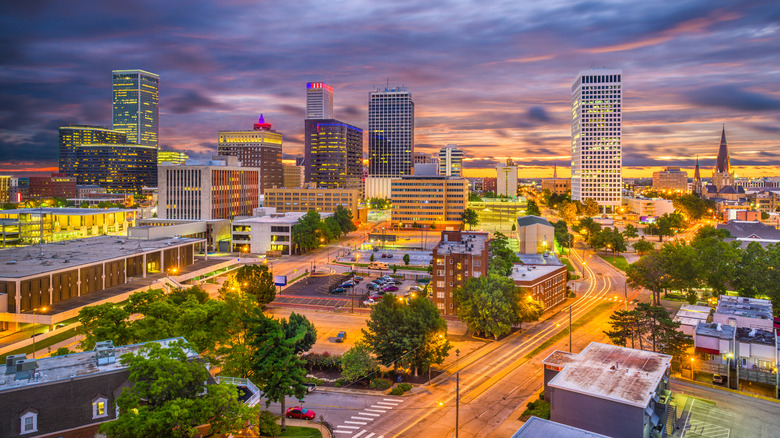
With an average cost of living 15.3% below the national average, per MERIC, Oklahoma is the most affordable state in which to reside. Housing is a solid 31.2% beneath the U.S. real estate market standard. Zillow estimates that the typical home sells for $220,468 in the Sooner State. Transportation is another major source of savings, costing residents 11.2% under the country standard. On average, groceries are 4.6% less expensive, while healthcare and utilities are 2.9% and 1.8% cheaper, respectively. Although Oklahoma is the cheapest state to live in, Bankrate warns it's one of the worst states for retirement.
The relatively affordable home prices come with hidden insurance premiums due to higher natural disaster risks, and crime stats are elevated in pockets. Oklahomans earn a median income of $65,039, per the Census Bureau calculations. As the most affordable state in the country, however, the real-world buying power of the average resident is more like $76,780. Similar to other places on this list, the poverty rate in Oklahoma still persists at an elevated level of 14.9%.