

The Average Concert Ticket Price In The '80s Looks Unreal Today

You'll always remember your first live show. The atmosphere in the crowd, the setlist, and the energy of the artist all combine to deliver a rush of nostalgia when you think back on the experience. Another element that plays a key role in the fond memory you likely have of your first interaction with live music is the price of admission. From 2021 to the start of 2025 alone, ticket prices have risen by 20%, according to reporting by CNBC on data from the Bureau of Labor Statistics' Consumer Price Index (CPI) — and that figure rises to 36% when compared to 2019 pricing (via AM World Group).
Moreover, it's incredibly unlikely that music fans will ever get a taste of the prices that concertgoers in the 1980s enjoyed. Paste Magazine reports that the average ticket price was $15.13 for a concert ticket in 1985, which equates to roughly $47 in June 2026, per the U.S. Inflation Calculator. It was fairly common throughout the decade to find tickets for between $15 and $20, and taking the weight of inflation into consideration, even a $20 ticket purchased all the way back in 1980 would cost the equivalent of $80.83 in 2026. That's around a 304% increase, but still comes in notably lower than the average modern-day price: According to Pollstar, the average concert ticket cost roughly $133 at the end of 2025. This rocket ship of immense cost may eventually lose steam in the wake of the Ticketmaster-Live Nation antitrust findings from April 2026, but there's a long way to go before major alterations to the live music scene are really felt.
Why are shows so much less affordable in the modern day?
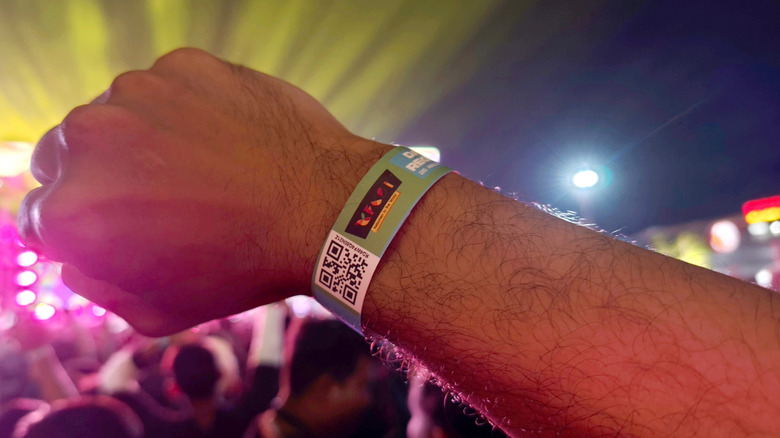
There's no overlooking the impact of the Ticketmaster effect. The ticket seller merged with Live Nation in January 2010. Strong concerns over the resulting monopoly were raised in advance, including during Congressional testimony. Even with a promise at the time not to strong arm venues and artists, the government alleged in its 2024 lawsuit that these practices were indeed par for the course. This monopoly allowed Ticketmaster to set and manipulate prices without fear of competition. This includes a raft of fees that now rain down on buyers, a phenomenon that has grown precipitously with the dominance of online purchasing. OvidLife reported in 2025 that Ticketmaster charges today's buyer an average of 20.69% of the ticket's face value in fees.
Beyond monopoly concerns — which can, in some contexts, actually provide benefits to consumers — there are other reasons why ticket prices have far outpaced the CPI. While selling out shows remains a priority for artists today, it played a much larger role for acts in the pre-streaming era to which the '80s certainly belonged. Selling out allowed a band to maximize its ability to shift merchandise, but the way artists make money today is largely different as streaming counts and Spotify royalties play an important role. In 2024, Luminate Data reported that streaming volume increased by a median value of 42% during an event week. This signals that live shows remain a key breadwinner for artists, but perhaps that getting bodies through the door is less important in a time with constant digital access and a semi-passive stream of income generated by that tether to the fans. All this adds up to a far more complex (and expensive) world of live music.