

9 Affordable Car Brands We Wish Would Make A Comeback

There's a broad consensus among drivers that cars are much more expensive today than in decades past. While this sentiment is largely based on first-hand experience, the general idea tracks with trends in the automotive market. According to CarEdge, vehicle prices increased at a much faster rate than inflation for the first half of the 2020s: The average new car's sales price surged 30% from Q2 2020 to Q2 2025, reaching $48,749. In the same span of time, cumulative inflation reached about 25%.
What's more, this ballooning in automotive pricing isn't evenly spread out among marques. Some of the most popular brands, including Honda, Volkswagen, Hyundai, and General Motors, experienced price increases exceeding inflation. This spike in vehicle costs is reflected in a rise in automotive loans. The Federal Reserve Bank of New York reports that auto loan balances tower at a staggering $1.69 trillion as of March 2026.
Although there are still plenty of cheap and reliable cars on the market, these budget-friendly options are getting increasingly few and far between. To help consumers get an idea of simply how far vehicle costs have risen, Money Digest has reviewed various affordable car brands that we wish would make a comeback. Some of these accessible brands were absorbed into other marques, phased out after merging with another company, stopped production in the U.S., or failed altogether. We looked at the background of each manufacturer and the average maintenance cost of their lineups. We also reviewed the original manufacturer's suggested retail price (MSRP) for various nameplates under these defunct brands, along with their inflation-adjusted costs for easy comparison.
Saturn
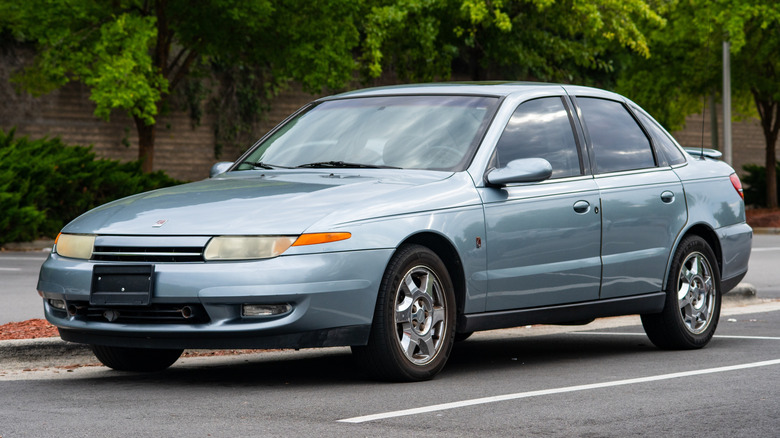
In the 1980s, General Motors (GM) was ceding ground to an influx of extremely affordable Japanese marques as the domestic American market experienced stiff foreign competition. Launched in 1991, the Saturn brand was an attempt by GM to match these low-cost, high-quality Japanese nameplates. Eventually, Saturn was snuffed out by its parent company when GM filed for bankruptcy, closing its doors in 2010. The Penn Wharton School of Business reports that Saturn's sales figures topped out at 286,000 vehicles in 1994. Researchers indicate that GM poured about $5 billion into the failed automaker over its lifespan. According to RepairPal, the average Saturn car has an annual average maintenance cost of roughly $553, although this could fluctuate based on factors such as mileage, model, and the driver's location.
The 2010 Saturn Vue is a compact SUV and the top-selling nameplate for the company. At the time, it was a solid option for consumers looking for an alternative to the Toyota RAV4. This comfortable and practical nameplate featured an original MSRP of $22,835, as reported by CarBuzz. When adjusting for inflation using the Bureau of Labor Statistics' CPI inflation calculator, the Vue was listed at $34,881.64 in April 2026 prices. Bear in mind that the current new-car price average is $49,461, per Kelley Blue Book. The Saturn Aura, which was only produced until 2009, was a modern sedan for its time, complete with upgraded features and even a hybrid option. This mid-size nameplate sold new for around $22,655, which equates to about $35,380.64 15 years later.
Suzuki
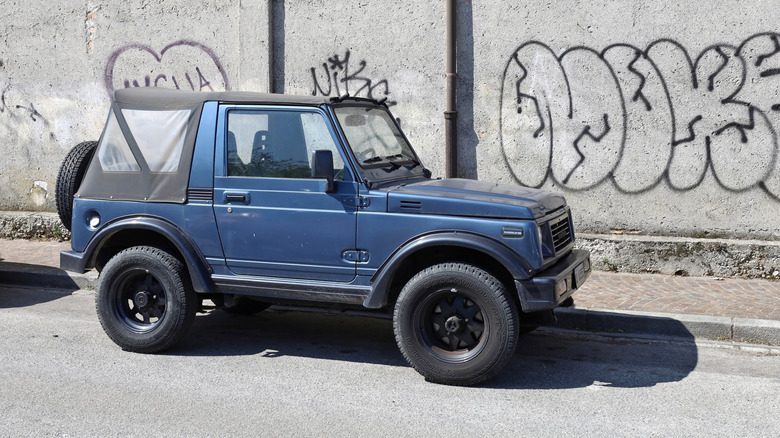
The Suzuki brand tells a story of how successful models can get lost in translation. When the Japanese vehicle manufacturer entered the U.S. market with its Samurai model in 1985, the company became instantly competitive. Sales figures show that this steady upward climb wasn't without its hiccups early on, with the company losing over 380% of its market share in 2005, per Good Car Bad Car. Between 2006 and 2007, Suzuki reached a peak of around 160,000 sales for both years. By 2013, when the company stopped selling to Americans, the Japanese marque only sold 8,292 vehicles. Despite failing to permanently establish itself in the U.S., Suzuki remains a dominant force in the global automotive space, producing about 3,532,868 vehicles in fiscal year 2025, up 107.2% from the prior year, per Suzuki Motor Corporation. The average Suzuki vehicle requires around $503 of annual investment in repair and maintenance, as calculated by RepairPal.
The Suzuki SX4 nameplate was produced in sedan, crossover, and hatchback versions. The 2013 sedan sold for about $15,845 at the time, resulting in a 2026 price comparison of $22,692.47. The slightly larger 2013 crossover iteration clocked in with an MSRP of $16,999, or roughly $24,345.17 in 2026 dollars. The hatchback model, the most expensive of the three SX4 options, was sold for about $18,349, equating to $26,278.58 in more contemporary markets. The crossover came standard with all-wheel drive, although the sedan and hatchback models were front-wheel drive only. If you're thinking twice about buying a new car, the moderately aged 2013 Suzuki SX4 may be a solid choice.
Scion
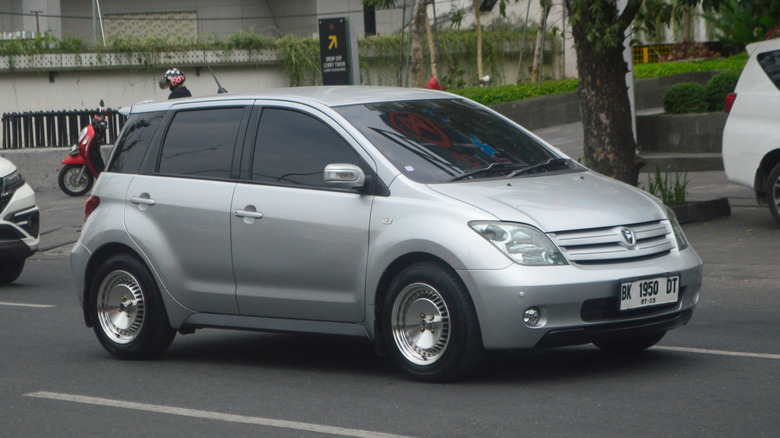
Toyota has earned a reputation for producing cheap cars that are also extremely reliable, and the car manufacturer's Scion brand focused exclusively on this niche. Toyota Newsroom describes the "spirit of Scion" as a synthesis of youth-inspired design, solid performance, and affordable prices. At its peak, the company boasted 1,004 dealers across the country. Sales took off quickly, jumping from 10,898 in 2003 to a zenith of 173,034 in 2006. But this impressive out-of-the-gate performance proved unsustainable, with the figures steadily declining over the next decade. Toyota closed the doors on the budget-focused Scion brand in 2015 — though its affordable legacy persists: The average Scion model only demands about $397 per year for general maintenance and repairs, according to RepairPal.
The 2016 Scion iA is a compact sedan exhibiting a stellar combined fuel economy of 37 miles per gallon. Despite a relatively recent release date, this vehicle sold for just $15,700 out of the gate, which results in an inflation-adjusted price of $21,852.35. The 2016 Scion tC was released as an accessible two-door sports coupe, with a design stressing speed and performance. However, it sacrificed a little bit on fuel efficiency, only getting 26 miles per gallon for combined city and highway driving. This sportier, performance-focused model was originally priced at $19,385, an MSRP equal to roughly $26,981.38 in 2026. Scion's 2016 iM is a five-door hatchback boasting 32-mile-per-gallon combined fuel economy and an enjoyable driving experience. Initially sold for $18,460, this hatchback would sell for around $25,693.90 adjusting for 11 years of inflation.
Pontiac
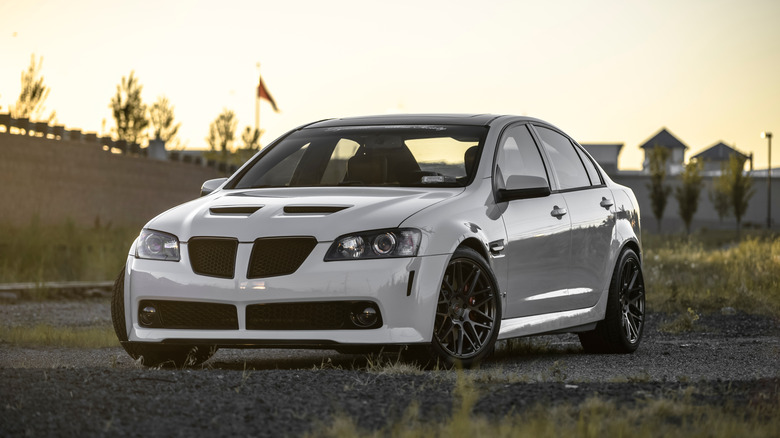
Pontiac is one of the longest-surviving marques on this list of affordable car brands that consumers wish would make a comeback, running from 1926 to 2010. This celebrated American automaker has a storied history, and is even responsible for creating some of the common classic cars worth a small fortune now. The Pontiac brand is perhaps most remembered for its bold muscle cars prominent in the 1960s, which comprised a remarkable 17% of parent company GM's sales in 1968. However, the 21st century saw a shift in focus toward more affordable vehicles, and the company's sales dwindled considerably. After various attempts at overhauling the brand's focus, GM announced plans to jettison the Pontiac brand in 2009 when it filed for bankruptcy. As a testament to the brand's affordability, RepairPal estimates that the average Pontiac only needs about $460 for general upkeep each year.
The 2010 Pontiac G6 is a midsize sedan that offers some similar design elements to what you'd find in something like a Chevrolet Malibu, a fellow GM product. This sporty nameplate exhibits 25-mile-per-gallon combined fuel economy — a respectable figure even by 2026's standards. Initially, this model sold for $22,195 straight off the lot, which would amount to $33,904.01 in 2026 dollars. The 2010 Pontiac Vibe is visually comparable to the long-surviving and extremely popular Toyota Prius. For its time, the top combined fuel economy of 28 miles per gallon was stellar. This hatchback blends the driving manners of a solid sedan and the functionality of an SUV. In 2010, you would have only had to pay $19,935 for a new Vibe, equating to roughly $30,451.74 in 2026.
Mercury
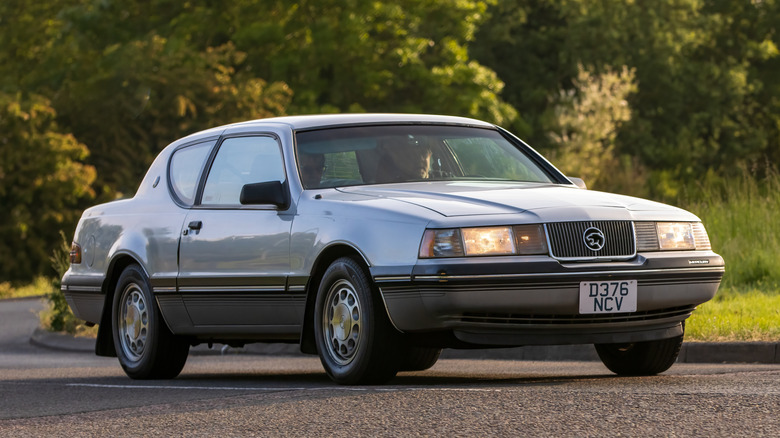
Ford created Mercury in 1938 to offer vehicles priced squarely between the company's Ford and Lincoln lineups. Upon its initial release, the Mercury 8 had a sales price of only $916 with an impressive V-8 engine. The brand continued to innovate and sold millions of models throughout the next six decades. 21st-century Mercury sales figures reached a pinnacle of 263,200 in 2002, per Good Car Bad Car, though things went downhill from there. In 2009 and 2010, the brand's annual sales dropped below 100,000. Although Mercury is technically an active trademark under the broader Ford umbrella, 2011 marked its final year of production. RepairPal estimates that the average Mercury owner only spends around $775 in annual upkeep.
As is the case with many American car brands, Mercury's sedans were among its more affordable offerings. The 2011 Mercury Milan provides yet another example of this trend, with a starting price tag of $21,860, or about $32,368.27 in 2026. For those who don't remember, the Milan stood as a close cousin to Ford Fusion models of its era. It strikes a balance between luxury feel, a roomy cabin, and refined comfort. Though a bit pricier, the Mariner proved a popular SUV model from Mercury, and offered a mix of capability and premium-grade looks. For the six years it was in production, it gave models like the RAV4 a run for their money. The original MSRP of the 2011 Mariner was $23,565, resulting in an equivalent 2026 price of $34,892.87. Later Milan and Mariner models also came in hybrid variants, with slightly higher price tags and more impressive fuel economies.
Isuzu
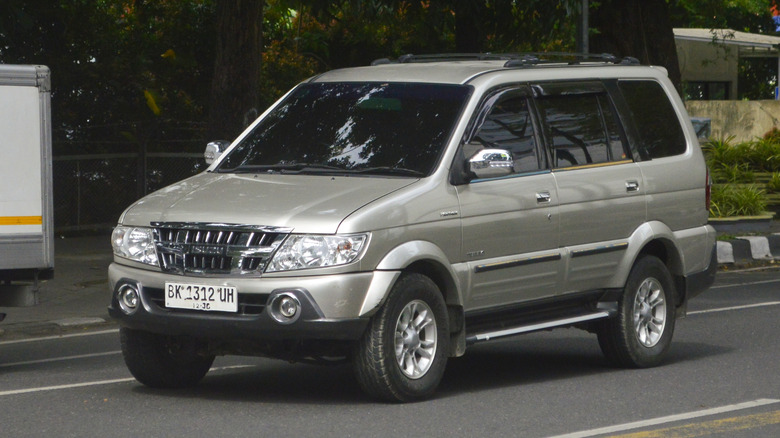
Isuzu may not be a familiar brand for many American consumers, but the marque was prolific enough to get wrapped up in one of the largest car recalls in recent history. Yet, the Japanese brand had a much more positive reputation than this hiccup might suggest. Through the 1970s and 1980s, Isuzu experimented with some wild vehicle designs and engine concepts, even producing a V-12 gas-powered engine. The company proceeded to cement its legacy in the U.S. market in the 1990s with a number of popular trucks and SUVs. While specifics vary based on model type, driver location, annual mileage, and repair shop pricing, Isuzu models enjoy a low average annual maintenance cost of only $386, according to RepairPal. Imported vehicles often have a reputation for affordability, and Isuzu was not known for producing any of the Japanese cars that could cost you.
The 2008 Isuzu i-290 pickup truck's combined fuel economy of 20 miles per gallon may appear subpar by current standards, but it was a robust choice back in the day. Plus, this truck's original MSRP of $17,399, roughly $26,972.04 in 2026, made it widely accessible to drivers. The design and layout of the i-290 are reminiscent of the GMC Canyon and Chevrolet Colorado, offering a well-known touchpoint for modern consumers. Isuzu's final production year provides fertile ground for pickup enthusiasts, with the larger and more capable 2008 i-370 initially selling for a mere $22,799, which results in an inflation-adjusted price of $35,343.16. Conveniently, both truck models also came in various cabin size options that could accommodate diverse consumer needs.
Plymouth
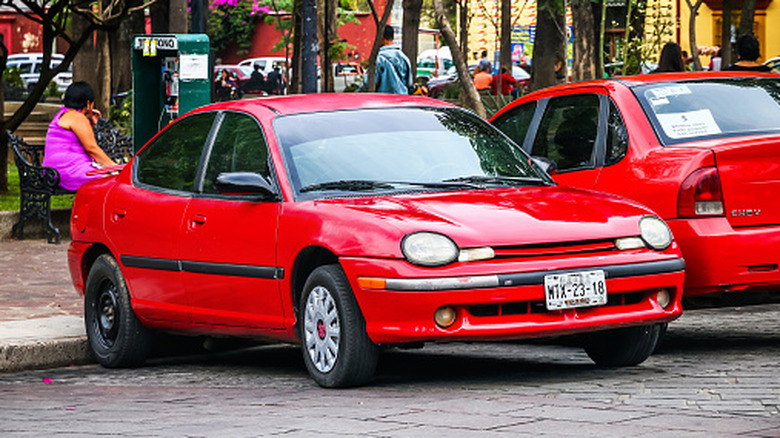
Plymouth was one of the many ornaments on the ever-growing Chrysler family tree, launching in 1928. The futuristic and bold Prowler is among the brand's most iconic releases, but the company focused heavily on cheaper models with broad appeal. Through the 1960s and 1970s, the brand was synonymous with muscle cars, giving rise to the classic Road Runner, GTX, and Superbird. Beginning in the 1990s and early 2000s, Plymouth began leaning more toward mainstream models, including vans, SUVs, and sedans. Plymouth's popularity quickly waned leading up to the 21st century, and its selection began to shrink throughout the late 1990s. The brand as a whole ultimately got the axe in 2001, and RepairPal reports cars from its lineup command roughly $634 of annual maintenance on average.
The 2001 Plymouth Neon featured an original MSRP of $12,640. That may seem like a fairly insubstantial price for a new car over two decades later, but adjusting for inflation, that price tag equates to about $23,795.21 in 2026. This sedan exhibited a laudable combined fuel economy of 26 miles per gallon, and is celebrated by owners for its affordable repairs, intuitive controls, and exciting behind-the-wheel experience. The Voyager was another one of the last models to survive on Plymouth's production line, and in 2000, it held a preliminary MSRP of $18,685 in its base trim — roughly $36,325.04 in 2026. This passenger van comfortably fits seven people and enjoys a 19-mile-per-gallon combined fuel economy. With an above-average reputation for quality and dependability, owners have championed the 2000 Voyager's reliability for the better part of 30 years.
Geo
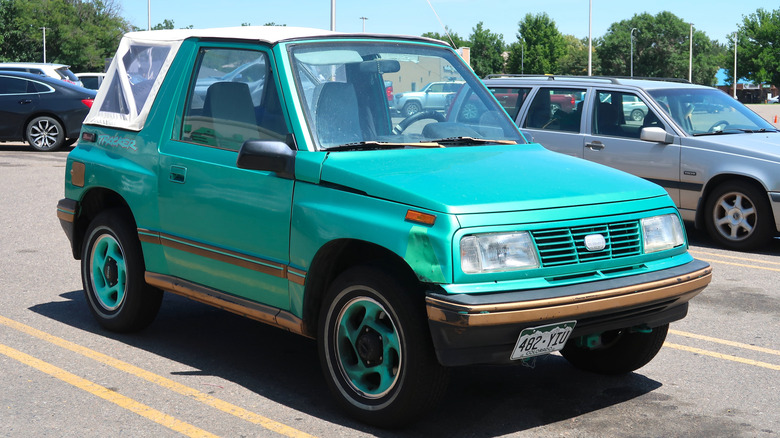
General Motors is one of the 1970s corporate giants that are still dominant today, but that doesn't mean every venture worked out in the company's favor. Like many other obsolete subbrands, Geo was intended to confront the rapid loss of market share to the flooding of Japanese automakers into the U.S., which happened to offer some of the most reliable vehicles available. Instead of competing directly, GM collaborated with foreign companies to create consumer-oriented, affordable nameplates. This strategic alliance only produced a meager five individual models, all of which went extinct in 1997. This small market footprint helps explain why so few people have even heard of Geo, let alone any of its models. To the company's credit, its selection was strategically spread out across vehicle segments, making it appeal to a wide range of drivers. Overall, Geo produced a two-door convertible, a standard sedan, a two-door hatchback, a two-door coupe, and an SUV. RepairPal estimates the average model costs around $744 to maintain annually.
The 1997 Geo Prizm, one of the brand's most in-demand nameplates, sold for roughly $13,485 brand new. In 2026, consumers would spend about $28,032 on this compact, four-door sedan. Its 28-mile-per-gallon fuel economy was exceptional for its time period and drivers routinely comment on the sedan's robust long-term dependability. The 1997 Geo Tracker was an appropriately-named, off-road-compliant SUV that might be considered small by contemporary standards, but its combined fuel economy of 22 miles per gallon competes with even some of the newest options in its segment — especially the gas-guzzling cars that retirees would want to avoid. The 1997 Tracker rolled off the line at $13,755, or roughly $28,593.57 in 2026.
Oldsmobile
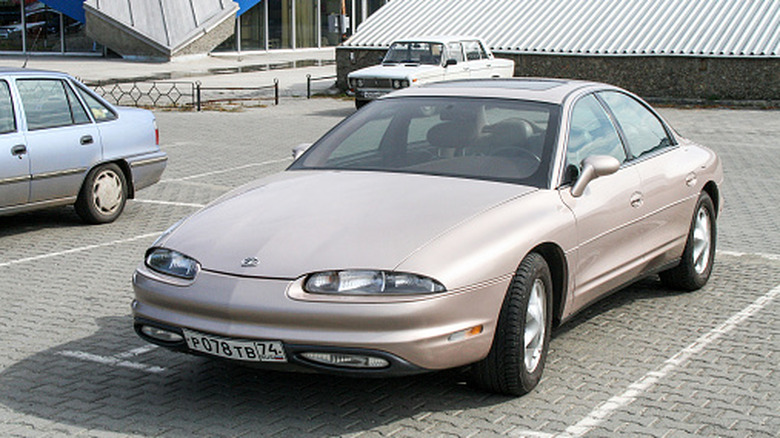
Started in 1897, Oldsmobile was the longest-running and oldest American car brand until its dissolution in 2004. In the early 20th century, it joined forces with GM — a partnership that would produce millions of innovative vehicles over the course of decades. The Oldsmobile company set many milestones, such as offering one of the earliest turbo-charged engines, standardizing airbags, and providing the earliest widely produced automatic transmission. Throughout the 1990s and early 2000s, Oldsmobile became closely associated with retiree-friendly cars due to their low price point and affordable maintenance; RepairPal indicates that a typical Oldsmobile model runs up an annual upkeep cost of a modest $311. Unfortunately, the Oldsmobile name was snuffed out by GM in 2004.
The 2004 Oldsmobile Alero GX was among the brand's more affordable models in its final lineup, with a starting MSRP of $18,825 for both its two-door coupe and four-door sedan versions. After over two decades of inflation, that would equal around $33,346.28. Both GX models got upwards of 25 miles per gallon when used for combined highway and city driving. Even the upgraded four-door Alero GL sedan was still pretty wallet friendly back in 2004, with a list price of $20,775. If this 2004 premium nameplate were sold brand new in 2026, it would have an MSRP of around $36,800.48. During its era, the Alero was certainly a contender for being one of the best-selling reliable cars on the market.