

Forget Florida, Retire In These Small US Towns With Scenic Beauty And Fewer Crowds
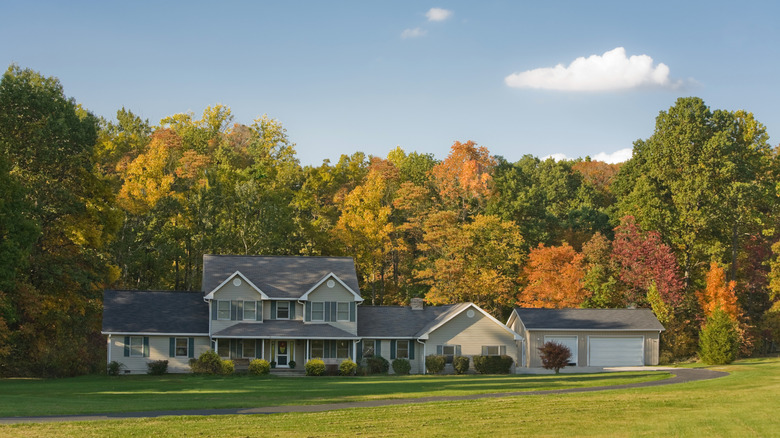
The only thing better than retiring is retiring to a beautiful location. No wonder so many people chose small towns in Florida. But not everyone wants to head to the Sunshine State. If that's you, take heart. Florida doesn't have a monopoly on small-town beauty. There are charming communities throughout the country that are welcoming to retirees. To simplify your search, we've selected 14 attractive possible retirement landing spots and each has its own appeal. There are selections in the desert, in the mountains, near oceans, close to big cities, and far from big cities. None are large or overly populated. They combine beauty with serenity.
The average retiree keeps a close eye on how much they spend on living costs, so if you need to stretch your retirement dollars, you'll be glad to learn that some locations have a cost of living below the national average. Others are close to the U.S. average. However, each person retires with a different-sized bank account, so the list also includes a few of the country's wealthy enclaves. Nevertheless, we avoided the predictable overpriced retirement communities, such as Palm Springs. The list begins with the town with the lowest cost of living and progresses to the area with the highest cost of living.
Coolidge, Arizona
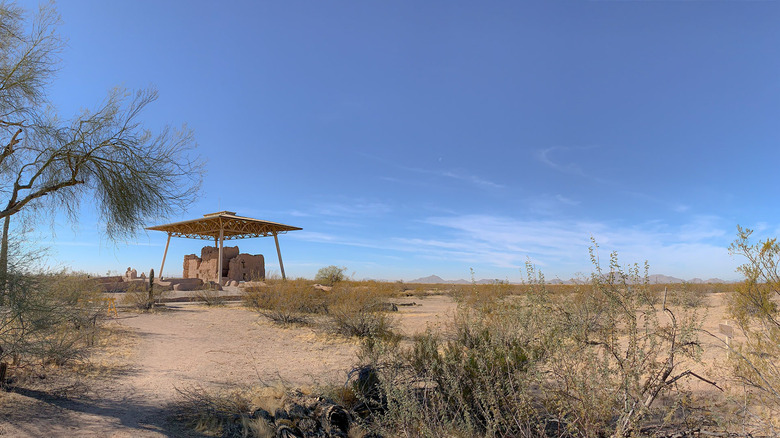
If you like the warm weather of Florida but not its tropical humidity, try Coolidge, Arizona. You'll have plenty of elbow room because the town has just over 21,000 people. You can enjoy the serenity, solitude, and beauty of the Sonoran Desert. The desert receives two chief periods of rainfall, which allow the area to produce a wider variety of vegetation than other deserts on the continent. Noteworthy is the Sonoran Desert's distinctive and unique saguaro cactus.
This historic area still includes remnants of the settlement of an ancient Sonoran Desert people who lived there. The Casa Grande Ruins became the federal government's first prehistoric and cultural reserve in 1892. If you enjoy learning, you can continue your education at Coolidge's Central Arizona College. Whenever you get the yearning for a weekend in the big city, Phoenix, with all its amenities, is only an hour away. Tucson is also a little over an hour's drive.
Of course, it's much cheaper to live in Coolidge than Phoenix or Tucson. It costs 6% less overall to live in Coolidge than elsewhere in the U.S. The local housing cost is 27% below the national average. Healthcare is 2% above the average, while groceries are 4% above the average.
Omak, Washington
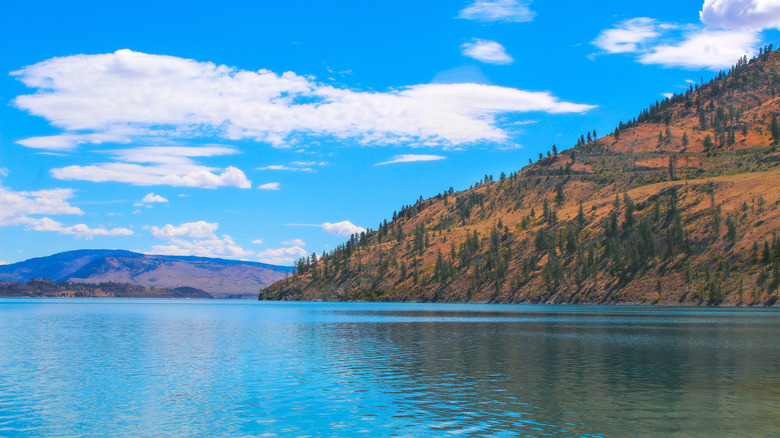
Washington can be a great state to enjoy retirement as long as you skip Seattle, which is one of the worst places for a retiree with no savings. On the other hand, Omak may offer affordability plus easy access to the great outdoors. Its moderate summer temperatures are perfect for hiking and fishing in the mountains and lakes nearby. It's also convenient to multiple state parks and the Okanogan-Wenatchee National Forest. People make their way there in late summer for the famous rodeo festival, the Omak Stampede. However, year-round, fewer than 5,000 people call it home.
If you're looking to avoid the excessive heat associated with the usual retirement areas, Omak's annual estimated average temperature range of 22 to 92 degrees Fahrenheit might be what you're looking for. July is the hottest month with an average high temperature of 89 degrees Fahrenheit. Omak doesn't have the rainfall people tend to associate with Washington and Seattle in particular. For example, Omak doesn't have even one month where the average rainfall comes close to 2 inches. In contrast, Seattle has eight months where there's an average of more than 2 inches. Six of those months receive more than 4 inches. Regarding other precipitation, December is Omak's snowiest month when there's an average of 7.6 inches total for the month.
The overall cost of living in Omak falls 2% below the national average. Healthcare is 8% above the country's average, and groceries are 7% higher.
Mechanicsburg, Pennsylvania
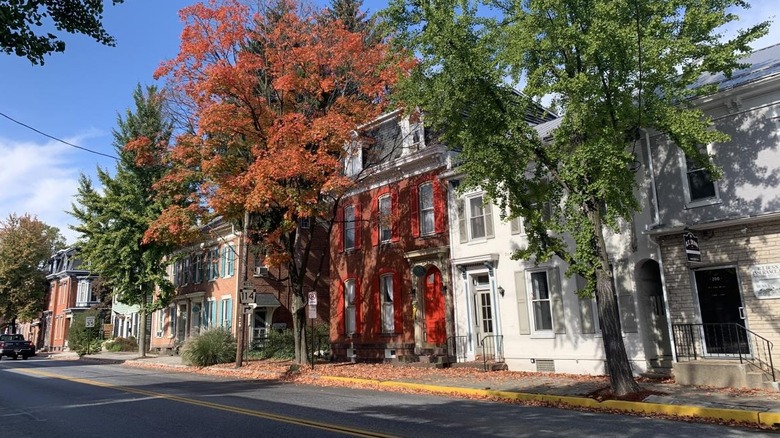
You can enjoy the mountains even if you prefer a suburban feel by retiring to Mechanicsburg, Pennsylvania, nestled in the Cumberland Valley. History buffs will never run short of finding something to occupy their imagination. For example, it was shortly after the Confederate Army raided Mechanicsburg that the landmark Civil War Battle of Gettysburg was fought nearby.
You'll also find the typical modern conveniences in town, such as plenty of restaurants and coffee shops. However, you can also return to nature by getting on the Appalachian Trail not far from Mechanicsburg. You don't have to be an Olympic-level athlete to experience it. There are several miles of the Appalachian Trail that are relatively flat, making them easily accessible for even the most casual hiker. Besides its proximity to the Appalachian Trail, the Cumberland Valley area features waterways, three state parks, and two state forests, offering plenty of opportunities to satisfy your love of adventure and the great outdoors.
Pennsylvania offers some of the best cities for stretching retirement income, and Mechanicsburg is no exception. Both the overall cost of living in Mechanicsburg and its housing costs are 1% below the national average. Healthcare and groceries are also both 1% below the average.
Hamilton, Montana
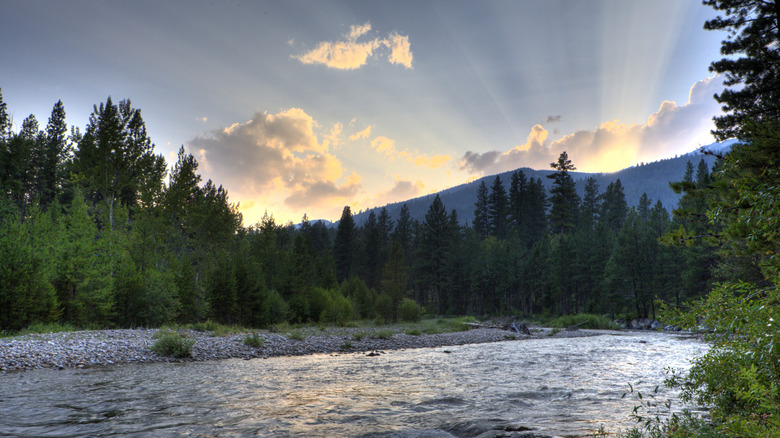
Hamilton is in the Bitterroot Valley, which lies between the Bitterroot Range and the Sapphire Mountains. If you think you're not familiar with this part of the country, think again. Bitterroot Valley was the site of the on-location shooting for Kevin Costner's hit TV series Yellowstone. Hamilton is an excellent place to retire for those who prefer an outdoor lifestyle. There's room for hiking, biking, birding, and rock climbing. It's also a popular area for fishing and hunting.
Being retired and living in a small town doesn't mean you have to be isolated from society and cut off from having interaction with young people. Hamilton has less than 6,000 people, but it also has the University of Montana Bitterroot College, so there's a steady influx of bright, young minds. The college is small, so there's no need to worry about the congestion that can come with living near a large university. The town offers an excellent choice if you've been looking for the best college towns for retirement, where you could take continuing education courses but didn't want to deal with a huge crowd.
Hamilton's cost of living is only 1% above the national average. Healthcare is 3% above the average, while groceries are 5% above. However, housing is 1% below the U.S. average.
Harahan, Louisiana
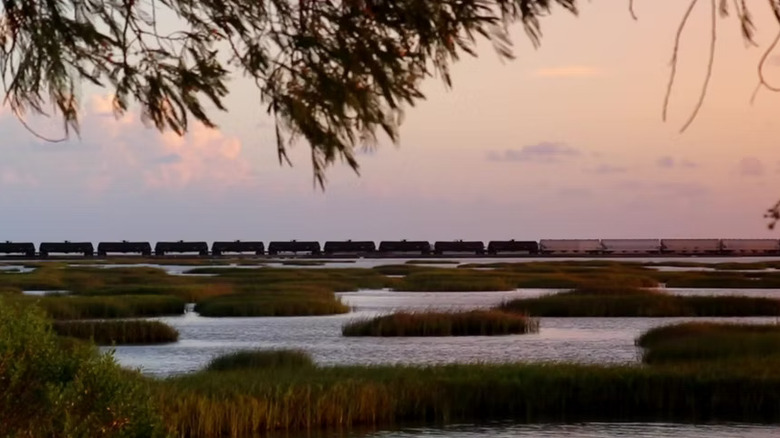
The community of Harahan, with fewer than 10,000 residents, sits along the Mississippi River and is a neighbor of New Orleans. Harahan presents the opportunity to enjoy small-town living while simultaneously offering a convenient getaway to its world-renowned neighboring city.
However, in size and spirit, it could be a million miles away. Go boating and fishing or explore the marsh and woodlands at nearby Bayou Segnette State Park. Another option is the Barataria Preserve, located within the Jean Lafitte National Historical Park and Preserve. The park's 23,000 acres provide a glimpse of life in the area before human intrusion. For example, you can get a feel for the true wildness of the natural world as you spot alligators and native birds at home among the park's bayous, marshes, and swamps. The abundance of waterways means you can take your time and traverse the park in a canoe or kayak.
The overall cost of living in Harahan is 5% higher than the U.S. average, with housing being 29% higher. On the plus side, healthcare costs are 5% cheaper and groceries are 4% less than the country's average.
Townsend, Tennessee
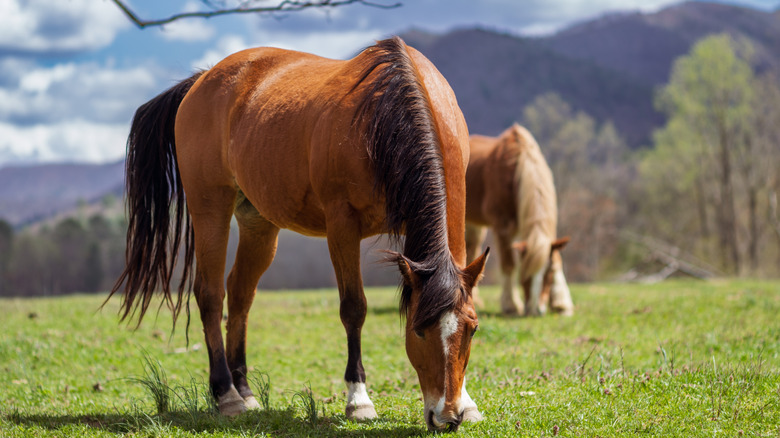
Townsend is for people who desire a slow-paced rural lifestyle. This is the place to go if you want to escape mega-shopping centers and fast-food drive-thrus. This laidback community has fewer than 1,000 inhabitants and is known as the peaceful side of the Smokies. Seasonal upticks in traffic are typically due to tourists viewing the fall foliage and visiting the Great Smoky Mountains National Park. Tourists on their way to the park often choose a route that takes them closer to famous areas, such as Pigeon Forge and Gatlinburg. Visitors going through Townsend to reach the park are taking the quiet, scenic route.
One feature of the park that's more accessible from the Townsend side is Cades Cove, a scenic valley that's a great location for spotting bears and deer. You can drive, hike, bike, or horseback ride through the valley. Besides the natural beauty, there are also some preserved historic buildings along the route.
Overall, the cost of living in Townsend is 7% higher than the national average. Housing is 30% higher. However, groceries are 5% lower, and healthcare is 1% lower, which is about what you'd expect in one of the cheapest states to retire.
Fredericksburg, Texas
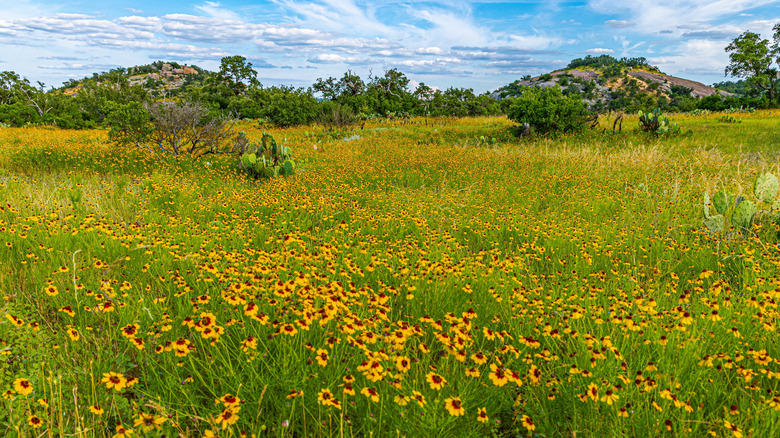
The cliche says that everything is bigger in Texas, but that doesn't have to apply to the town where you retire. Skip Dallas, Houston, San Antonio, and even Austin. Instead, forward your mail to Fredericksburg, home to roughly 11,000 people. However, Fredericksburg isn't a sleepy little burg. The town hosts more than 400 festivals and special events annually. One of the area's largest attractions is its abundance of blooming wildflowers each spring. You can take scenic drives around the area and view the bluebonnets, red poppies, and other colorful blooms adorning the landscape. Fittingly, just outside the town is the home of the country's largest working wildflower farm.
Fredericksburg has a German heritage, so there are plenty of cultural references to the old country, including biergartens and the Texas dialect version of German. When you need a change from beer, you'll find the surrounding area studded with dozens of wineries.
Fredericksburg's cost of living is 13% higher than the national average. Housing is 48% above the U.S. average. However, healthcare is 1% lower, and groceries are 3% lower.
Montpelier, Vermont
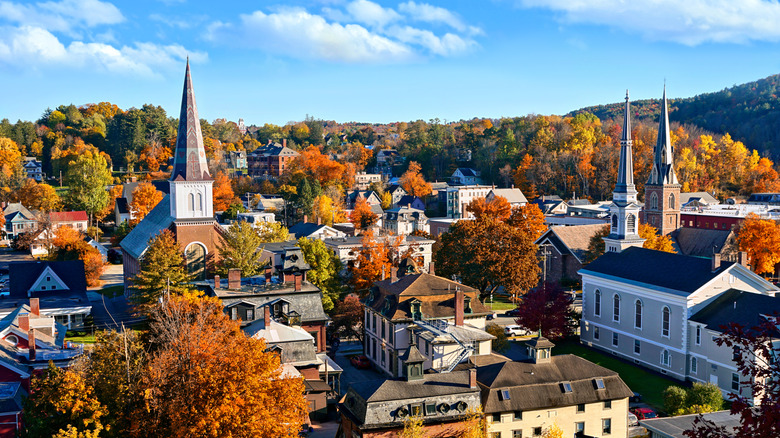
If you love a slower pace of life, it's probably never occurred to you to retire in a state capital. That's because unless you have connections to Vermont you've probably never considered Montpelier, the country's least populated state capital, with around 8,000 residents. The town has turned its back on global fast food restaurants and has chosen to embrace local eateries, which gives you a general idea of the vibe of this unique place. Wooded hills surround Montpelier, providing trails for biking, hiking, horseback riding, and cross-country skiing.
A popular recreation area is Hubbard Park, spanning over 200 acres. It's a destination for year-round activities, whether you prefer hiking or skiing. There's even a sledding hill. At the park's highest land elevation is a 54-foot observation tower to get an unobstructed view of Montpelier and the surrounding mountains.
To live in Montpelier will cost you about 13% more than the national average. Housing costs are 30% higher than the average in the U.S., while food costs are 7% higher. Healthcare costs 5% more.
Los Alamos, New Mexico
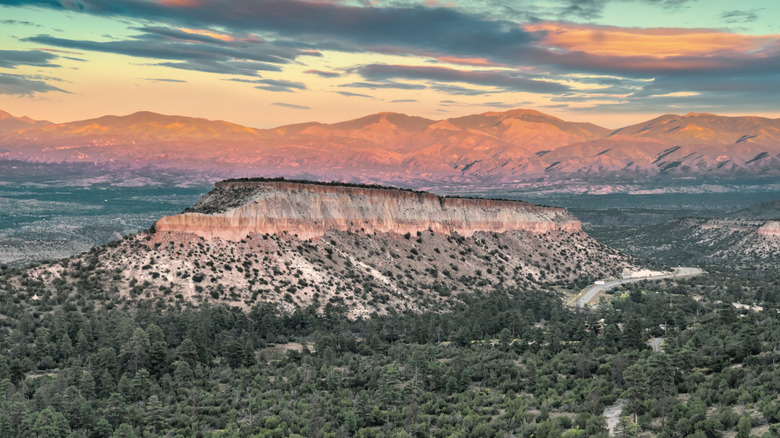
Perched on the Pajarito Plateau in New Mexico sits the famed town of Los Alamos. Less than 14,000 people are fully aware of the pleasures of living in this elevated town, which delivers memorable views of the canyon below. For a close view, head into the mountains for one of the numerous hiking and biking trails. Living in Los Alamos means you have your choice of three nearby national parks– Bandelier National Monument, the Valles Caldera National Preserve, and the Manhattan Project National Historical Park.
There are also local educational organizations, such as the Los Alamos Nature Center. The area offers museums, tours, and learning centers to learn about everything from the ancient Pueblo peoples, who inhabited the area, to the 20th-century scientists, including Robert Oppenheimer, who descended on the area to work on the most outrageous scientific and military program of World War II.
The overall cost of living in Los Alamos is 15% more than the country's average, with housing being 57% higher. Healthcare is 5% cheaper and groceries 4% less than the national average.
Salida, Colorado
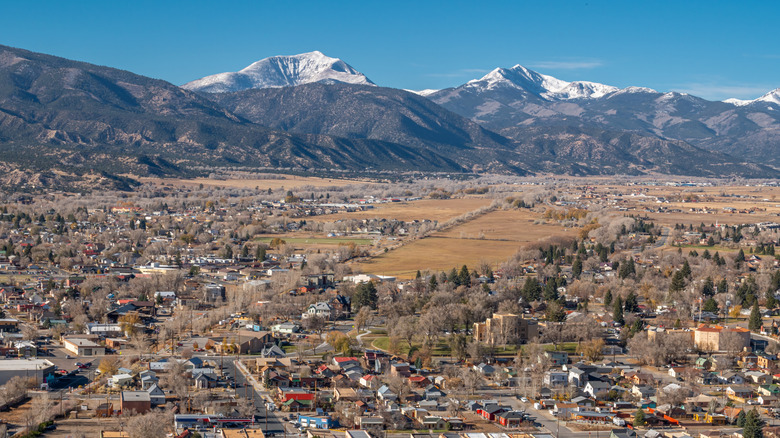
You don't have to look far to find a mountain peak. Take your pick. The town of Salida is in the heart of the Rockies, in the upper Arkansas River Valley. If you enjoy exploring mountains, you can choose from over 12 nearby mountains standing over 14,000 feet. Whether you're in the mountains or on the Arkansas River, there are plenty of opportunities for camping, fishing, hiking, skiing, or whatever else you want to do. If history is more along your lines, not far from town are remnants of yesteryear, such as ghost towns. Salida doesn't have the relentless onslaught of tourists like its more famous Colorado brethren, so you and your fellow citizens, of which there are fewer than 6,000, get to enjoy it in peace.
You needn't worry about Salida being excessively cold and snowy in winter. The heaviest snowfall period is December, when the average snow accumulation for the month is less than 1.5 inches. In the summer, the hottest month is July when temperatures average 82 degrees Fahrenheit.
Salida's overall cost of living is above the country's average by 24%. Housing is 62% more expensive in Salida. Healthcare is 9% above average, while groceries are 5% above average.
Lewes, Delaware
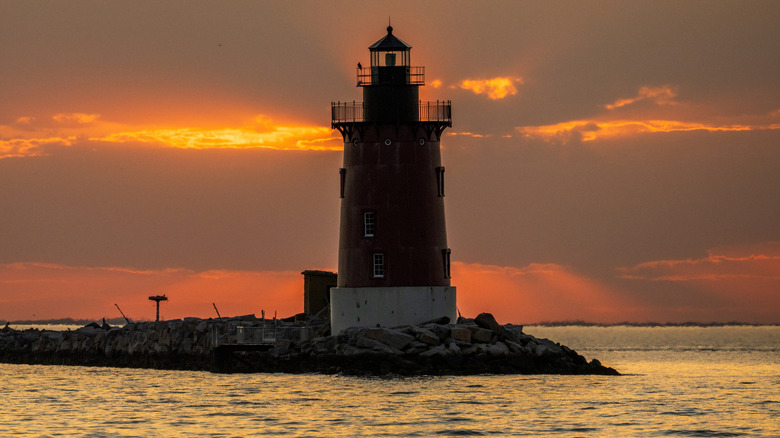
Lewes, Delaware, which sits on the Delaware Bay, offers several beaches with the calm, gentle waves typical of a bay. If you want the more energetic sea of the Atlantic Ocean, Lewes offers quick access to the Atlantic beaches inside Cape Henlopen State Park, as well as nearby Rehoboth Beach. Lewes also has two functioning lighthouses for that quintessential vintage look of a northeastern seascape. Don't worry about feeling cramped when spending time staring at the natural beauty of Lewes. It's the home of fewer than 4,000 people.
The housing cost in Lewes is 166% above the national average, but the property tax is much lower. For example, it's estimated that the average U.S. property tax on a $500,000 house would be $4,450, while in Lewes it would be only $1,655. Delaware also has no sales tax.
The overall cost of living in Lewes is 49% higher than the national average, and housing is 166% above the national average. Healthcare is only 2% above the national average, while groceries are 2% below.
Paso Robles, California
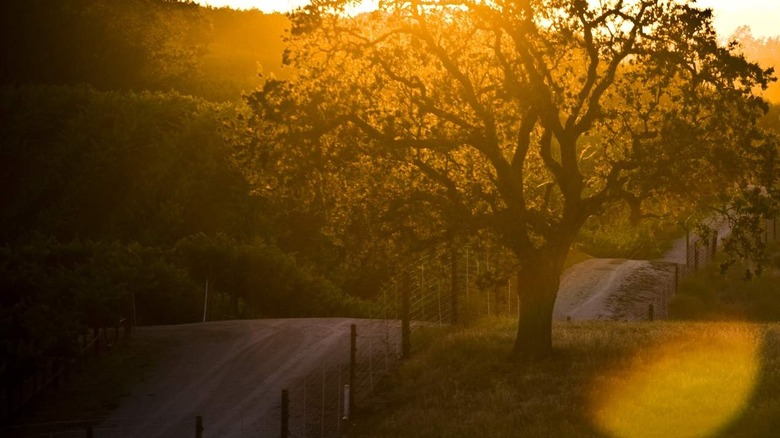
World-famous cities like Los Angeles and San Francisco are great places to visit, but they don't make a lot of lists of terrific places to retire, due in part to their population density. Fortunately, situated halfway between the two California metropolises is Paso Robles, where you're surrounded by olive groves and vineyards, but only about 32,000 fellow residents.
Paso Robles has over 200 wineries. The wide range of soils, microclimates, and altitudes can accommodate a variety of grapes, contributing to the diversity of vineyards and wine you'll find. When you need a change from the grape, don't despair. Paso Robles also has several distilleries and is home to the state's only distillery trail, where you can sample whiskeys, vodka, and other spirits. You can always explore your new home by car or bike, but you also have the option to roam the vineyards on horseback or float overhead in a hot air balloon.
On average, it cost 50% more to live in Paso Robles than in the average U.S. town. In comparison, San Francisco's cost of living is 145% above the national average. Housing in Paso Robles is 132% above average, which is far cheaper than San Francisco, where housing is 416% higher than the U.S. average. Healthcare in Paso Robles is 13% above the national average, while the cost of groceries is 11% higher than average.
Falls Church, Virginia
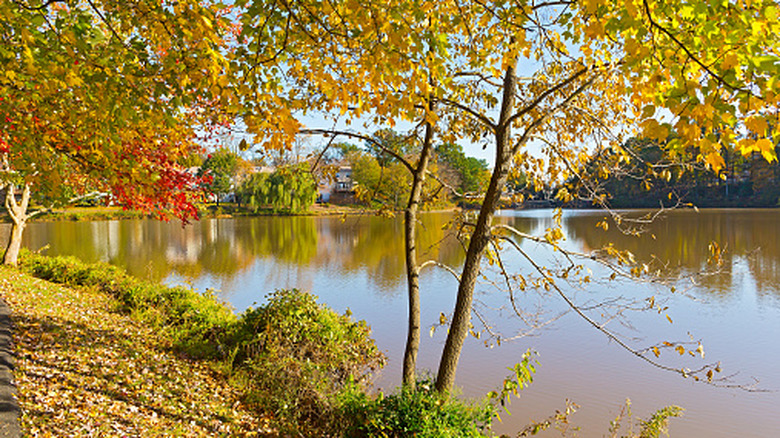
If you can afford to retire anywhere you please but prefer a small-town atmosphere, consider Falls Church, Virginia. Housing isn't in great supply, with its $745,000 median price being one of the contributing factors. However, that limited real estate helps keep the population around 15,000, preserving a village-like vibe across the Potomac from Washington, D.C. The Little City, as it's called, is dotted with historic buildings and walking trails. It's a great location for food lovers with its renowned farmer's market and ethnically diverse restaurants.
Frankly, Falls Church isn't the place for a retiree with no savings. The overall cost of living is 86% above the U.S average. However, that pales in comparison to the cost of living for McLean, Virginia, which is 128% above average. The housing cost in Falls Church is 277% more than the national average, but is significantly lower than McLean's 419%. Healthcare and groceries in Falls Church are both 3% higher than average.
Village of Kensington, New York
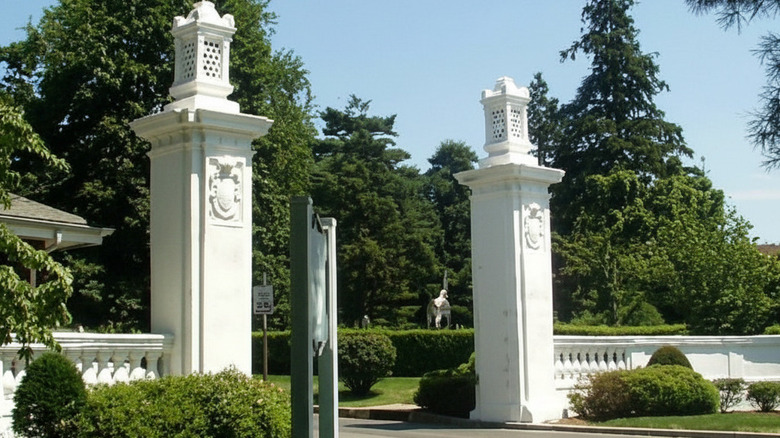
If you enjoy the thought of being within easy commuting distance of New York City, but want the tranquility that comes with living in a small suburban community, check out the Village of Kensington on the Great Neck Peninsula of New York's Long Island. Fewer than 1,200 people live in the village's walkable neighborhood. Living in Kensington also means that by car, you're never far from enjoying the views along the shore of Long Island Sound. Predictably, the area is expensive.
The Village of Kensington, named after London's Kensington Gardens, has a cost of living that's 207% higher than the national average. Of course, that's out of reach for most retirees, but it's not outrageous for a wealthy New York enclave. For example, New York's East Hampton has a cost of living that's 219% higher than average. Housing costs for the Village of Kensington are an eye-opening 669% higher than the typical U.S. town's housing cost, but trail East Hampton, where the cost is 711% higher than average. The cost of both healthcare and groceries in the Village of Kensington are 7% above average.