

This Charming Florida Coastal City Lets You Retire On $2,000 A Month After Social Security
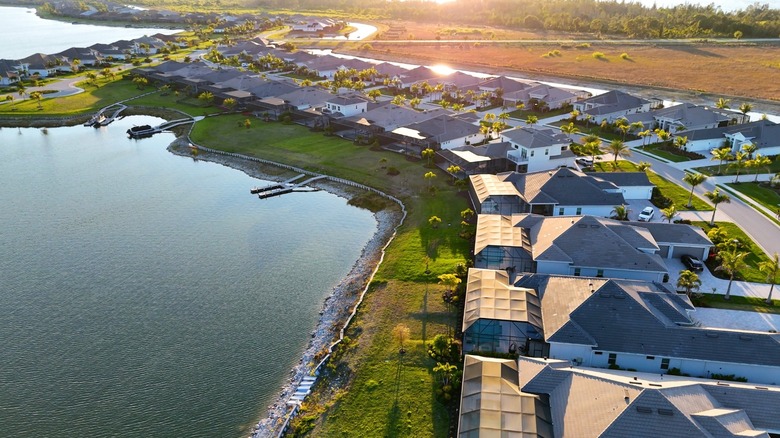
If you've always dreamed of retiring along the coast, enjoying warm air, the sea, and beautiful weather year-round, you might be surprised to learn that you don't necessarily need to be an upper-class retiree to do so. As long as you have about $2,000 a month after Social Security, Fort Myers, Florida, could be a realistic coastal location to make a dreamy retirement possible.
According to AreaVibes, Fort Myers has a livability score of 86, based on factors such as amenities, commute, cost of living, crime, employment, health and safety, housing, schools, and user reports. GOBankingRates also estimated that the city's monthly cost of living, after the average Social Security check was deducted, was $1,746 for homeowners and $1,468 for renters in 2025. That makes a comfortable life in Fort Myers surprisingly attainable compared to many beachy retirement spots, especially since Florida does not tax Social Security benefits and has no state income tax. Meanwhile, the U.S. Census Bureau reported that 23.2% of Fort Myers' population was aged 65 or older in July 2025, meaning you're more likely to find a sense of community.
Fort Myers is also quite charming thanks to its historic River District, brick-paved streets, walkable downtown, waterfront setting, galleries, restaurants, breweries, and regular public events. The Edison and Ford Winter Estates also give the city a deeper cultural identity, with a 15,000-square-foot museum, over 20 acres of botanical gardens, a botanic research laboratory, and exhibits tied to Thomas Edison and Henry Ford.
How much it really costs to retire in Fort Myers, Florida

Fort Myers isn't necessarily one of the most affordable seaside towns for retirees. In fact, Florida isn't even among the cheapest states to retire in the U.S. That said, for those expecting to draw from retirement accounts or continue to earn passive income beyond their Social Security benefits, living in Fort Myers can be quite doable.
Housing is where most of a retiree's income will go in Fort Myers. Apartments.com and Zillow report the average rent in Fort Myers ranges from about $1,500 to $1,900 a month, while the U.S. Census Bureau reports the area's median gross rent was $1,580 from 2020 to 2024. While that may seem high at first, housing in Fort Myers is about 12% cheaper than the national average, according to Payscale. Those are savings you can put toward utilities, transportation, groceries, and healthcare, which are only 1%, 3%, 4%, and 8% more than the national average, respectively.
According to the Massachusetts Institute of Technology's assessment of government data, healthcare in Lee County — where Fort Myers is located — costs a single adult with no children around $3,235 per year. That's about $500 less than what you can expect to spend in Pensacola, another coastal city in Florida's Escambia County. Meanwhile, energy bills cost an average of $223, per Payscale, and AAA reports the area's gas prices are roughly aligned with the national average of around $4.50 per gallon as of this writing. With a fuel-efficient car and some energy-saving tips and tricks, Fort Myers' energy expenditure shouldn't be a bigger drag on your retirement portfolio than most cities.