

The Best Home Improvements For Retirees That Won't Break The Bank
We may receive a commission on purchases made from links.
Although most homeowners use home improvement projects to elevate the overall ambience and value of their homes, retirees must also take specific needs into consideration. Research suggests accidental home injuries among elderly adults is on the rise. According to a 2024 Medicina study, 68% of respondents were injured at home due to slips and falls. Researchers also learned at 42.4% of those who reported in-home injuries were between the ages of 75 and 84.
To avoid serious, if not fatal, injuries, it's important that retirees seriously consider remodeling and upgrading parts of their home. At the very least, these changes will add to their overall comfort and improve their quality of life. But in many cases, a few simple adjustments can go a long way towards letting retirees feel safer and continue to live their lives independently. Home improvement projects aimed at avoiding slips, falls, or other issues are always a good investment. However, retirees living on fixed incomes need to be sure their home projects won't break the bank.
With costs in mind, we thought of the most ideal or essential changes that retirees could make to their home themselves or hire help in getting done. In addition to determining how much you can expect to pay on average, we looked at budget-friendly and low-end options for retirees hoping to keep costs down.
Consider installing a walk-in seated shower
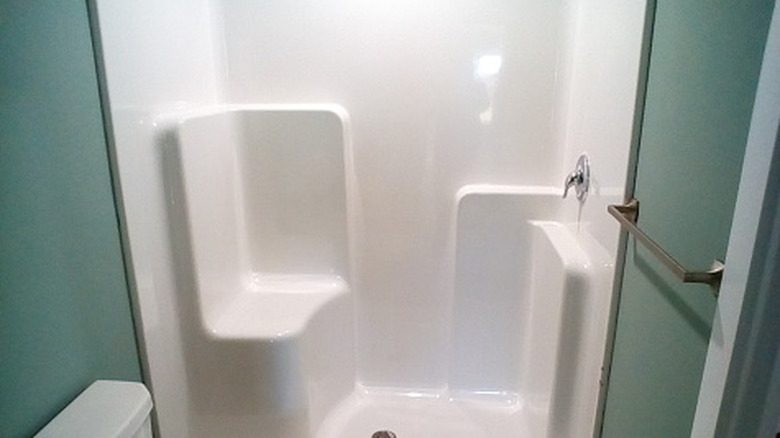
While most Americans take it for granted, showering can be a draining tasks for seniors. In fact, research suggests that those 65 and older should reduce how many times they shower each week. Not only is it reportedly better for aging skin, but for senior health overall. Likewise, it also means fewer situations where one risks slipping and falling. Aside from reduced showers, we think your bathroom can benefit from a remodeling project aimed at making your shower safer to use.
Changing your shower to a seated walk-in option would be great for a few reasons. First, being able to sit and bathe significantly reduces the amount of exertion necessary for self-cleaning. Adding bars and traction will also make it easier to get in and out of the shower safely by drastically reducing opportunities to slip or fall.
The price of your project will vary based on different factors, such as if you hire contractors or aim to tackle the renovation yourself. For example, USA Bath estimates you will pay between $15 and $30 per hour, per worker for your bathroom renovation. Meanwhile, Angi claimed the project could cost anywhere from $6,000 to $12,000. This is an average estimation. You could save with a pre-fabricated, or prefab, shower upgrade. These units are largely pre-made in a factory and come with a few components for quick installation. Pre-fab projects are priced on the lower end, and per Modernize, often cost between $2,000 and $5,000.
Add traction to your home's staircase
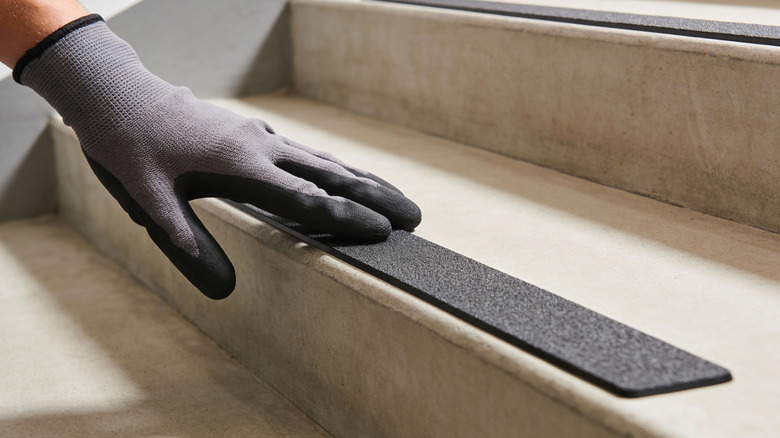
While some recommend single-level home designs for older Americans, it may be that some already happen to own houses with multiple floors. As these homeowners age, it can become more difficult to climb stairs as the material is slippery or there is less traction. The Centers for Disease Control and Prevention (CDC) reports that about 14 million older Americans fall each year. While some retirees get around this by moving to a new home, others may decide that a home improvement project is all they need.
If you opt to renovate the steps in your home, there are a few cost factors to keep in mind. How many steps will you alter? Are you doing improvements yourself or hiring a contractor? If paying for outside help with the project, One Valley Designs estimates you could spend between $650 and $1,500 on labor fees alone.
Expenses are also important to keep in mind when considering what material you'll use to re-do the stairs. Carpet stair treads, for instance, are typically the cheapest option. One Valley Designs estimates you'll pay between $8 and $20 per stair. Meanwhile, Amazon sells carpet stair treads from Gloria Store for the equivalent of $4 per stair. With this in mind, you could potentially save hundreds of dollars doing repairs yourself. However, if it's within your budget to do, hiring a professional could be the safest and easiest option.
Install grab bars in the bathroom
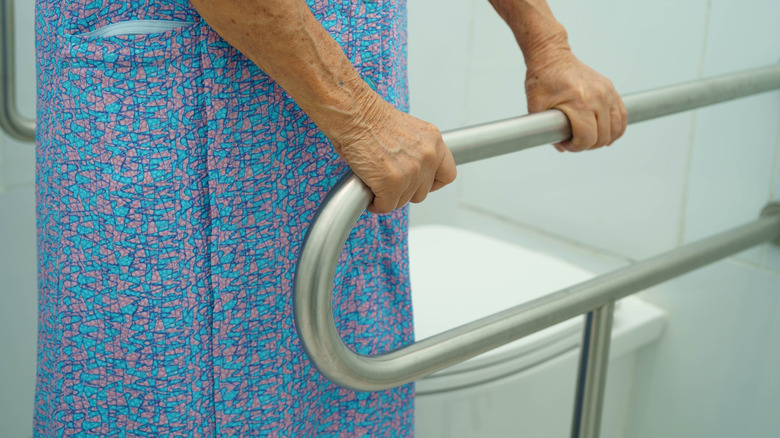
While making improvements to your home's shower setup, it would be a great idea to also add grab bars in your bathroom. Even if you or your spouse aren't retirees who requires wheelchairs for mobility, grab bars are still very useful for improved mobility. Whether rising or easing into a seated position, it's just another way to reduce injury risks as well as strain on your body.
One of the best things about grab bars relative to certain other types of projects is that they often won't break the bank! For instance, HomeAdvisor (Angi) estimates a professional quote falling between $200 and $350. This covers the normal cost range; depending on your location and who you hire, you could pay as little as $100. On the high end, it could cost around $400.
If you want to save money and tackle the renovation yourself, then costs will come down to materials, including from which store you choose to purchase your grab bars. We found grab bars for sale on Amazon, with a price range of roughly $7 to $62 for simple do-it-yourself options. There are also low-cost suction grab bars available, costing between $16 and $70. If opting to go the DIY route, be sure that your bars are firmly and correctly installed. You want to be sure that they don't fail you during use or cause serious damage to your walls, leading to additional money spent on repairs.
Add a wheelchair ramp to your house entrance
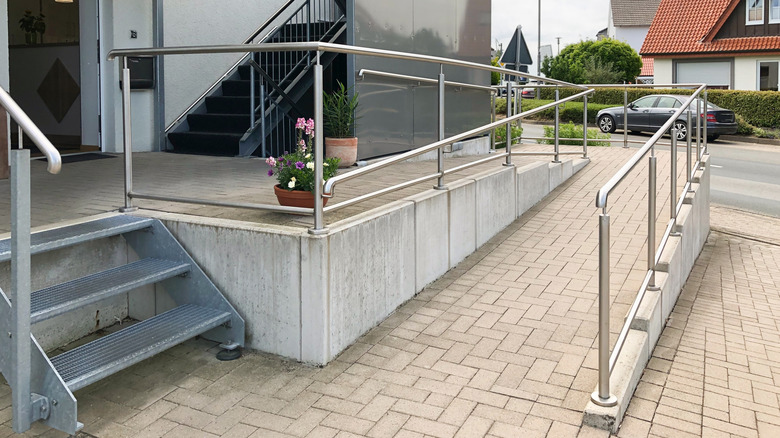
Today, electric wheelchairs and similar equipment play an increased role in the lives of retirement-aged Americans. Per the Columbia Tribune, users expect these mobility devices to integrate seamlessly into their everyday lives. To get the best use of these devices and make it easier to get in and out of the house, it is ideal to have a wheelchair ramp in place.
Even if no one in the home uses wheelchairs or scooters for mobility, a ramp may still be a good investment. If someone has mobility issues, a ramp could serve as a gentler alternative to stairs for those who use canes or otherwise would prefer to reduce the chance to slip and fall.
Per HomeAdvisor, the price range for a professional installation is $1,122 to $3,597. The estimated average cost was $2,292. The final price will likely be determined by factors such as labor cost, materials, as well as the intended size of the ramp itself. HomeAdvisor notes some materials, like rubber, might be preferred to save money. However, if going with a wooden ramp, there's a chance the material could rot, forcing you to spend money on a replacement. Should you lack the budget for a big ramp install, you may be able to pay less than $100 for a portable ramp through Amazon.
Widen your home's doorframes and entryways
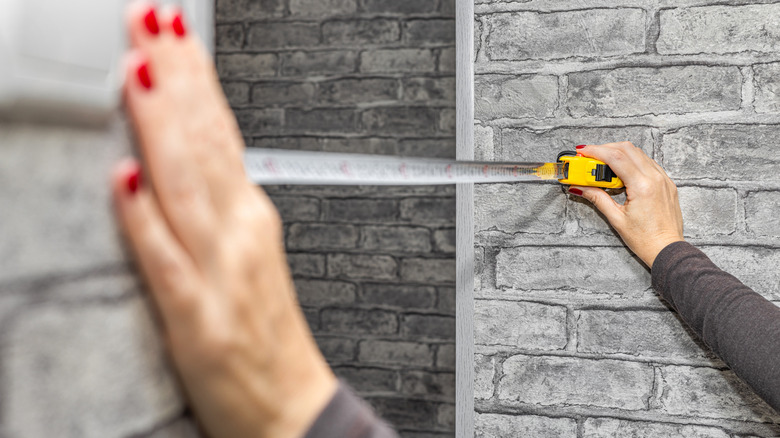
Unfortunately, many homes aren't inherently designed and built with the mobility needs of the elderly in mind. Some retirees may live many years comfortably in their home, only to find that it's very tough to get around. There's suddenly not enough space to accommodate a wheelchair or scooter. It may become difficult for the homeowner to get around the kitchen the way they did before. For retirees with caregivers, smaller doorframes can also make it harder for assistants to move them safely from room to room.
When undertaking this home improvement project, be aware that project costs could vary greatly. Per HomeAdvisor, widening doorframes could cost anywhere from $701 to $8,056. Meanwhile, Angi's 2026 estimates put the cost between $600 and $2,000. Angi's own calculations factored in whether the remodel involved load-bearing or non-load-bearing walls. Widening frames and entryways where the walls are load-bearing would involve new headers and structural engineering. Meanwhile, non-load-bearing walls only require basic framing and finishing. Angi also factored in permit costs and professional expertise. Likewise, you should also weigh location when considering your budget.
If you're worried about losing money on your improvement project, consider starting much smaller. Budget doorframe by doorframe, planning for a gradual, more cost-effective series of changes. While these changes may take time, the increased ease with which you, a spouse, or caregiver can move through your home would be worth it.
Re-do floors using slip-resistant materials
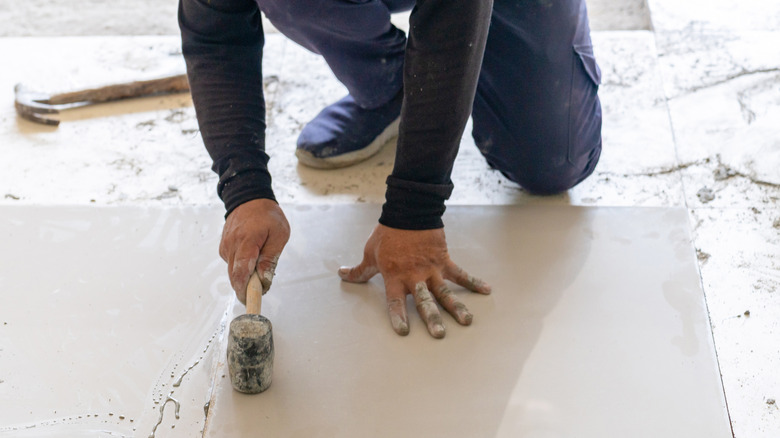
Some floor surface materials create unnecessary risks for retirees. Think flooring that is particularly glossy and smooth. Many modern bathrooms follow this trend. While this type of flooring may be aesthetically pleasing, when the bathroom floor gets wet, they become very slippery. These floor surfaces can be a hazard to people any age, but they are especially problematic for older homeowners. Likewise, it's also recommended to avoid high-pile carpets or uneven transitions.
If you live in a home with glossy, uneven, or otherwise unsafe flooring, we recommend changing it as quickly as possible. According to DG Floors, non-slip flooring is typically determined by a combination of factors: surface texture, the material composition, and contaminant behavior. You're less likely to slip on a floor surface with ridges and bumps than one that is completely smooth. That said, rubber flooring offers great traction even when wet. Lastly, DG Floors recommends materials that channel away liquids and debris; otherwise, they can act as lubricants that cause you to slip and fall.
How much you pay to re-do your flooring can vary based on the size of the room or your home, as well as the materials. HomeAdvisor offered an estimate ranging from $9 to $31.50 per square foot. Meanwhile, DG Floors estimates you could pay between $2 and $25 per square foot, noting some non-slip materials are more budget-friendly than others.
Install an electric stairlift for improved mobility
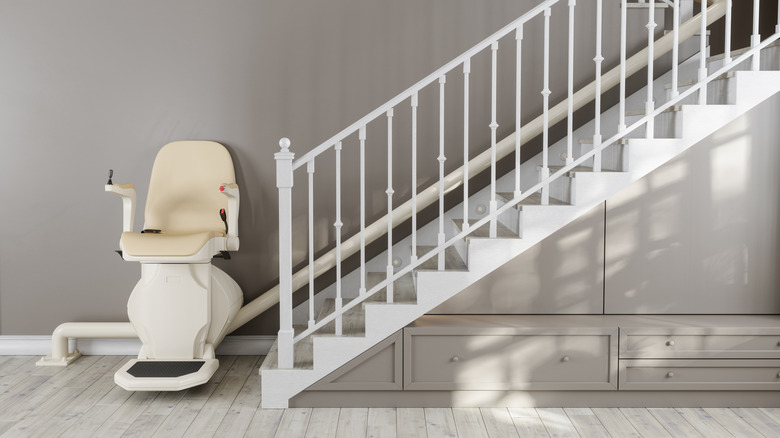
Multi-level homes are often not recommended to people in retirement. Some older homeowners may likewise struggle with mobility issues that can make going up or downstairs very difficult, if not impossible. While installing traction on stairs can help make them safer, depending on the homeowner's health and fitness, it might not be enough. In such cases, a stair lift or climber could prove a sensible investment.
Per estimates by the National Council on Aging (NCOA), stair lift installation costs anywhere from $2,500 to $8,000. Installation along a curved staircase, for example, may cost retirees between $8,000 and $12,000. Straight staircases prove far more affordable, ranging from $2,500 to $5,000. The NCOA also noted customization needs greatly impact the budget. A standard lift can carry someone weighing up to 300 pounds. A heavy-duty model can hold a greater weight, but this type of customization will inevitably make the project more expensive.
Even if you don't have thousands of dollars for a custom stairlift, it may still be possible to get one installed. Some companies offer finance options that let you pay for the stair lift over time. Lifeway Mobility is one business that offers financing for around $99.99 per month; depending on the total cost of the project, you might be able to find a lower monthly rate.
Replace your doorknobs with lever handles
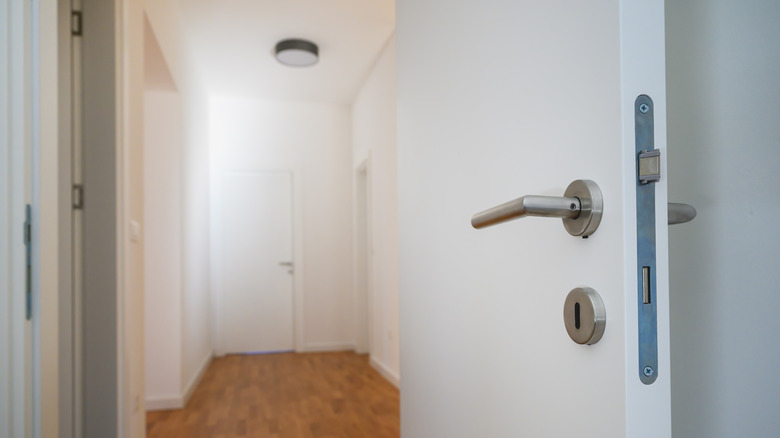
Doorknobs in the home are something that we may take for granted, until life changes or aging make them difficult to turn. Installation company Icon Window and Door notes that traditional door knobs require both a firm grip and the ability to turn the knob with enough effort. Retirees who suffer from arthritis or gout-related inflammation will find turning classic doorknobs to be difficult and possibly very painful. It can be especially problematic if one needs to go to the bathroom or even leave the bedroom.
Instead of simply leaving doors open as a get-around, replacing difficult knobs with more lever-style handles would be a practical home improvement project. Icon Window and Door finds lever handles to be easy to use, requiring just a simple downward turn, and suitable for all accessibility needs. If you're worried that a shiny modern door lever will look silly and hurt the resale value, there's no need to worry. There are traditional door levers available made from materials like aged bronze.
If going the professional route, Homewyse estimates the installation can cost between $152 and $363 per door. If you opt to go the DIY route, you may save anywhere from $77 to $211. While Homewyse expects non-discounted doorknobs to cost at least $44, we found positively rated lever-style door handles on Amazon that cost $22, and you can do some research to find more affordable options.
Upgrade the lighting around your home
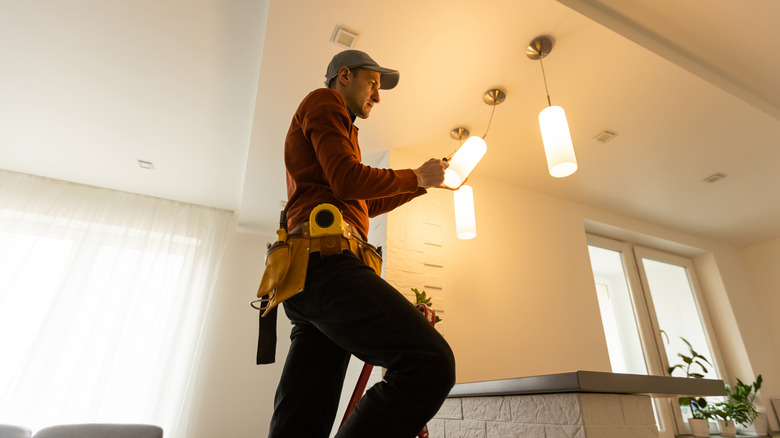
Compared to more obvious efforts like widening door frames, installing grab bars, etc., upgrading light fixtures might not seem like an immediate need. Yet, as Dianne Taylor notes in an article for the Havok Journal, poor lighting tends to create conditions where otherwise visible hazards become hard to see. Compromised visibility can quickly translate to a missed step or overlooked crack in the floor, both of which may lead to a slip or fall. By ensuring that the interior and exterior of the home is properly lit, visibility is improved and invisible hazards become far less common.
When it comes to improved lighting, not all options are created equal. For retirement-aged homeowners, consider an LED color temperature that mimics natural daylight. Human eyes become less efficient at absorbing light as they age; with warmer lighting, older homeowners will find it easier to see. Not only that, but lighting that is more natural can help retirees better maintain a natural circadian rhythm. According to the Sleep Medicine Clinics journal, these rhythms shift significantly between the ages of 60 and 65. By choosing lighting that works with these rhythms, retirees will find themselves better able to regulate their sleep-wake cycles.
The cost to upgrade lighting can vary significantly. Per HomeGuide, the normal range for a light fixture replacements $100 to $700. Meanwhile, the national average is about $350. Factors such as ceiling height and the type of lighting will typically determine out-of-pocket expenses.
Repair your HVAC (heating, ventilation, and air conditioning) system
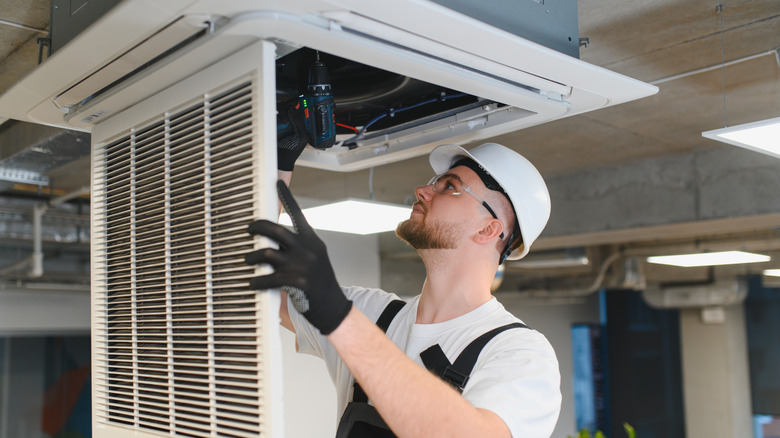
A functional heating, ventilation, and air conditioning (HVAC) system isn't merely about comfort. Depending on which state you live in, a working HVAC system may be essential to your overall survival. As the National Institute on Aging reveals, even temperatures of 60 to 65 degrees Fahrenheit, while mild, could cause hypothermia in older adults. As you can imagine, a broken heater in freezing weather could be deadly. Likewise, popular retirement destinations like Arizona, Texas, or Florida may be priced for their warm weather, but an HVAC breakdown during the hottest months could quickly become harmful.
Most of the time, it's not a matter of installing a brand new HVAC system, but rather, keeping up with routine maintenance. According to Angi estimates, regular maintenance ranges in cost from $175 to $350. That said, Angi recommends a budget of $270 to $508 to handle furnace and air duct cleaning. Regular care is essential for keeping your heating and cooling system in working order.
Neglecting HVAC maintenance will often cause a failure that requires a total system replacement. Per Angi, a normal price range for HVAC replacement is $5,000 to $12,500. In some cases, you may have to spend $22,000 for a complete overhaul. Angi also notes you could have to spend hundreds of additional dollars on permits, insulation, or even asbestos removal. As you can see, having to completely replace your HVAC system is no small task. Annual to semi-annual maintenance will keep your home comfortable, all while not breaking the bank.