

The Once-Popular Electronic Device No One Buys (New) Anymore
After 50 years in business, Apple's market cap is now nearly $4 trillion. While the tech giant has long been on the cutting edge of consumer technology, few of its products shook up the industry quite like the iPod did. First released in 2001, the original iPod was sold with the tagline "1,000 songs in your pocket." By 2007, around a dozen follow-up models and generations had already been released, and Apple had successfully sold over 100 million of the handheld music players. However, in 2022, that lineage came to an end when the seventh-generation iPod touch was officially taken out of production.
Reports on the number of iPods that sold throughout its total production vary, but estimates tend to suggest around 450 million. While that's no small feat, that figure was quickly overshadowed by the iPod's more popular cousin — the iPhone. The first iPhone came out in 2007 and, thanks to changing consumer behavior, the device took just nine years to sell 1 billion. In fact, in 2025 alone Apple shipped nearly 250 million iPhones — underscoring just how much the iPhone rendered the less versatile iPod obsolete. With growth like this, it's no surprise that you'd see a nearly 600% return if you'd invested in Apple 10 years ago.
Why music and tech lovers don't buy iPods anymore
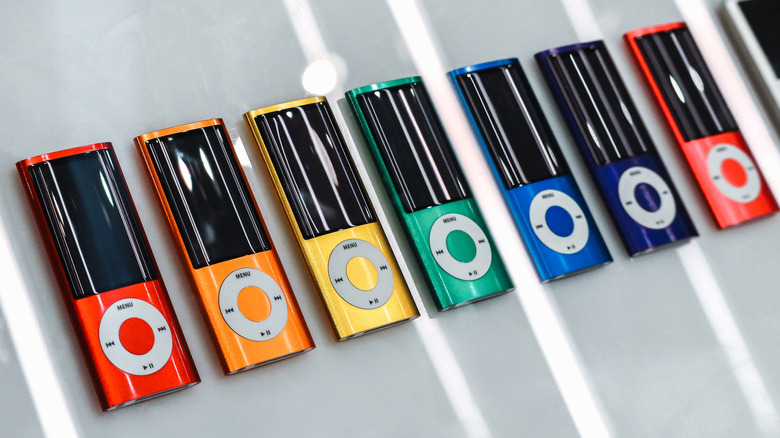
The simplest explanation for why consumers are no longer buying iPhones is that they haven't been on the market for several years. However, you can still find them used online — often for pennies on the dollar compared to what a new iPhone lists for — as iPods have yet to join the ranks of older Apple products that are worth a ton of money. However, even if the iPod were still in production, it's unlikely to be a top-seller.
The advent of streaming services — and widespread cellular coverage — has largely made the concept of carrying around a physical hard drive of music obsolete. Instead, almost anyone with a smartphone can stream music at will, and they do. As of 2026, Spotify boasts over 751 million users, while even smaller services like Apple Music are close to 100 million users (via DemandSage). The level of convenience available from streaming makes the idea of syncing an iPod to a computer sound clunky by comparison. It also doesn't help that iTunes — the platform by which people added or removed media from their iPods — has been split into Apple TV, Apple Music, and Apple Podcasts, making that process even more complicated.
Devices like an iPhone, iPad, or Apple Watch are generally better suited to today's consumers, even if they might be lacking in the nostalgia department. Consumers looking to upgrade their listening experience in 2026 will probably get more bang for their buck with something like an iPhone 16.