

The Best Towns In Tennessee For A Retiree

Aside from being one of a few states without an income tax, the state of Tennessee, as per RentCafe, has an overall cost of living that is 10% below the national average. The biggest benefits to a retiree are housing, healthcare, transportation and utilities, all basic necessities with average costs 17%, 13%, 12%, and 11%, respectively, are lower than the national average. While the discounts are as high, both food and miscellaneous goods and services are also more affordable, tied at a cost 4% lower than the national average. There are 13 towns, specifically Kingston Springs, Cookeville, Maryville, Gray, Chattanooga, Crossville, Gallatin, Johnson City, Memphis, Paris, Kingsport, Waynesboro and Union City that fall in line with this data, making them among the best places to retire.
As per the Federal Reserve Bank of St. Louis (FRED), the average home price in the U.S. as of February 2026 is $700,102, and according to Zillow, the national average for rent is $1,995 per month. Aside from basic costs of living, according to the U.S. Bureau of Labor Statistics 2021 to 2022 average annual expenditures for people 65 years and older, American retirees can expect to spend $7,288 per year on healthcare, updated December 2025 via the FRED to $7,799 per year. Long-term or assisted care adds significantly to those costs according to CareScout, with a monthly average cost of $6,259 for assisted living, $6,878 for a home health aide, and $9,842 to $11,294 for nursing home care.
Kingston Springs

According to Redfin, the median price of a home in Kingston Springs was $385,000 in January 2026, an amount around $315,000 less than the national average. The average rent in the town, as per Zillow, is just $1,356 per month, or roughly $620 lower than the U.S. national average. According to CareScout, in 2026, the cost of in-home care is $6,473 per month, residing in an assisted living facility costs $6,177 per month, and nursing home care in a semi-private room costs $9,681 per month. By comparison to the U.S. national average, in-home care costs $6,878 per month, living in an assisted living community costs $6,259 per month, and the cost of nursing home care is $11,294 per month. According to Payscale, the overall cost of living in Kingston Springs is 21% lower than the national average, with utilities and transportation working out to 3% and 10% below the national average. The biggest winner for retirees, however, is housing, which is 37% lower than the U.S. national average.
Kingston Springs offers retirees a small town appeal with green space, water activities, and great areas for hiking. For more big city excitement, you could head over to Nashville just 30 minutes from the town. Kingston Springs even has a seniors association and several senior activity centers with over 200 programs related to sports, art and crafts, fitness, or learning.
Cookeville

The average rent in Cookeville, as per Apartments.com, is just $892 per month, or roughly $1,100 lower than the U.S. national average. According to Zillow, the average value of a home in Cookeville was $310,309 in January 2026, an amount around $390,000 less than the national average. According to Payscale, the total cost of living in Cookeville is 13% lower than the national average, with groceries, transportation, utilities, and housing working out to 4%, 12%, 16% and 25% below the national average, respectively. According to CareScout, in 2026, the cost of in-home care is $5,866 per month, residing in an assisted living facility costs $5,643 per month, and nursing home care in a private room costs up to $10,068 per month. By comparison to the U.S. national average, in-home care costs $6,259 per month, and the cost of nursing home care is $11,294 per month.
Retirees can enjoy state parks like Burgess Falls with multiple acres of green space decorated with waterfalls rising as high as 250 feet. Socialize with other retirees or your partner at a local distillery or brewing company, or go shopping for antiques in town.
Maryville
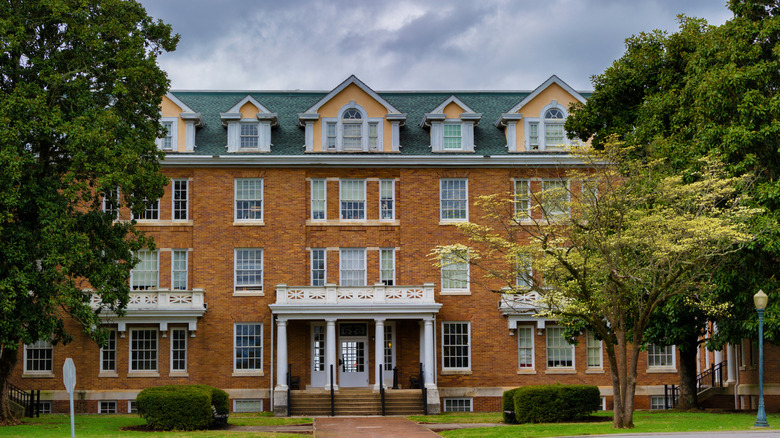
According to Zillow, the median price of a home in Maryville was $380,031 in January 2026, an amount $320,071 less than the national average. The average rent in the town, as per Apartments.com is just $1,213 per month, or roughly $779 lower than the U.S. national average. According to CareScout, in 2026, the cost of in-home care is $6,473 per month, residing in an assisted living facility costs $5,411 per month, and nursing home care in a private room costs $10,811 per month. Compared to the U.S. national average, all these factors cost $405, $848 and $483 less per month, respectively. According to BestPlaces, the cost of living in Maryville has an overall cost of living index 14.5% lower than the national average, with groceries, utilities, and housing working out to 1.6%, 5.5% and 13.2% below the national average.
Maryville offers retirees local amenities such as Blount Memorial Hospital and an athletic center to keep you healthy in older age, truck shows, bingo nights, and a high population of seniors to enjoy your time with.
Chattanooga

According to CareScout, Chattanooga's 2026 cost of in-home care is $6,068 per month, residing in an assisted living facility costs $5,782 per month, and nursing home care in a private room costs $10,520 per month. Compared to the U.S. national average, all these factors cost $810, $477 and $774 less per month, respectively. According to Redfin, the median price of a home in Chattanooga is $351,000, an amount $349,102 less than the national average. The average rent in Chattanooga, as per Zillow is just $1,595 per month, or roughly $400 lower than the U.S. national average. According to Payscale, the cost of living in Chattanooga is 12% lower than the national average, transportation and utilities are tied at 11% lower than the national average, with groceries and housing working out to 3% and 23% below the national average, respectively.
Chattanooga's selling point includes interstate highway access to Nashville or the mountains in North Carolina — there are some pretty decent spots to retire in North Carolina, too — with multiple healthcare facilities like the second highest ranked hospital in the state and the Parkridge Health System, which includes five more hospitals. All this really makes Chattanooga one of the best college towns for retirement.
Crossville

According to Zillow, in January 2026, the median price of a home in Chattanooga was $298,863, an amount $401,239 lower than the national average. The average rent in Chattanooga was just $1,689 per month, or roughly $306 lower than the U.S. national average. According to BestPlaces, the cost of living in Crossville is 15.1% lower than the national average, with monthly expenses of $2,067 making it 56.6% cheaper to live in than most places in the U.S. On the BestPlaces cost of living index, groceries are 4.8%, goods and services are 9.6%, utilities are 12.6%, and housing is 29% less expensive than the national average. According to CareScout, Crossville's 2026 cost of in-home care is $5,866 per month, residing in an assisted living facility costs $5,643 per month, and nursing home care in a private room costs $10,520 per month; comparatively, the U.S. national average costs of in-home care, assisted living in a facility, and for nursing home care are $6,878, $6,259, and to $11,294, respectively.
Crossville happens to be the golf capital of the state, with nine courses to practice your golf swing. A handful of retirement communities like Uplands Village or the Gardens RV Community are top rated. That said, where the latter is concerned, there are good reasons why retirees may want to reconsider purchasing an RV.
Gallatin
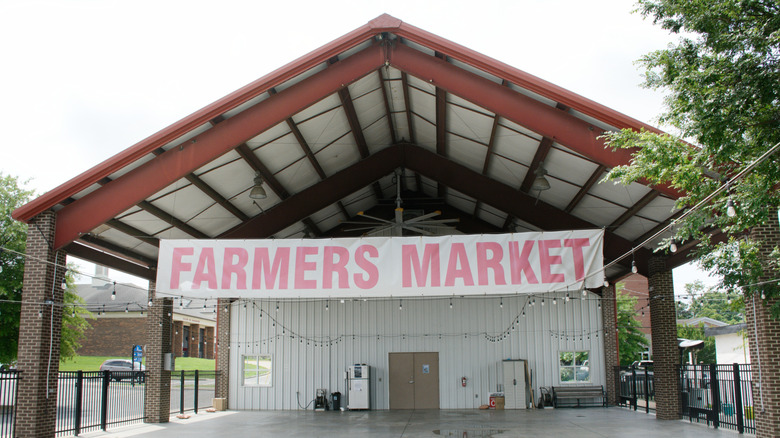
According to Redfin, the price of a home in Gallatin is $435,000, an amount $265,102 lower than the national average. The average rent, as per Apartments.com, is just $1,334 per month, or $661 lower than the U.S. national average. According to Payscale, the cost of living in Gallatin is 25% lower than the national average, with utilities, transportation, and housing costing 3%, 10%, and 47% less than the national average. As per CareScout, Gallatin's 2026 cost of in-home care is $6,473 per month, while residing in an assisted living facility costs $6,177 per month. Comparatively, the U.S. national average costs of in-home care and assisted living in a facility are $6,878 and $6,259, respectively.
From farmers' markets, to fishing or boating on the Cumberland River, retirees have a number of ways to keep themselves busy and entertained in Gallatin. Birdwatch on nature hikes, or just enjoy the serenity of the countryside. According to the Ashton Real Estate Group, getting around is relatively easy, with an average commute to anywhere in Gallatin taking around 24 minutes in town where 85% of residents take their vehicles to work. If you take public transit, you'll save $2.25 on your fare with a senior discount.
Johnson City

According to Redfin, the median price of a home in Johnson City was $358,050, an amount $342,052 lower than the national average. The average rent in Johnson City, as per Apartment.com, is just $993 per month, or $1,002 lower than the U.S. national average. According to RentCafe, although living in Johnson City is 8% higher than the state average, it's still 3% lower than the national average. Housing, food, utilities, healthcare and transportation are 2%, 5%, 9%, 12% and 14% lower than the national average Johnson City. According to CareScout, Johnson City's 2026 cost of in-home care is $5,866 per month, residing in an assisted living facility costs $5,458 per month, and nursing home care in a private room costs $10,811 per month; comparatively, the U.S. national average costs of in-home care, assisted living in a facility, and for nursing home care are $6,878, $6,259, and to $11,294, respectively.
There are lots of healthcare options, including Franklin Woods Community Hospital, Johnson City Medical Center and the highly rated James H. Quillen VA Medical Center. Farmers' markets and festivals like the Blue Plum Festival offer something to do, along with local cafés, a gallery and museum, and a handful of national parks.
Memphis
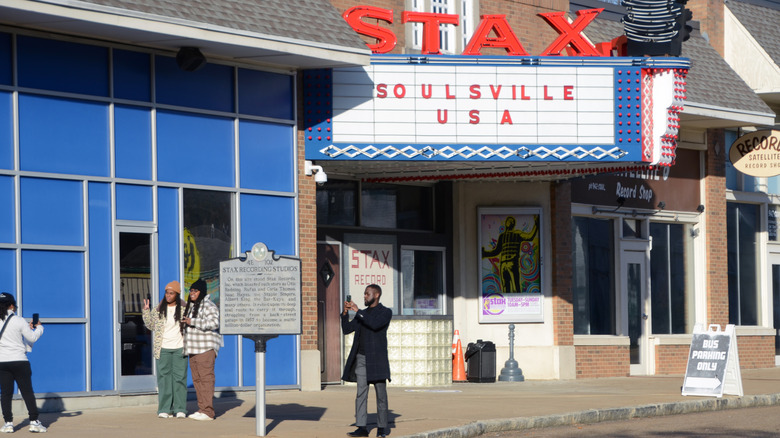
The average rent in Memphis, as per RentCafe, is just $892 per month as of February 2026, or $1,103 lower than the U.S. national average. According to Zillow, the average value of a home in Memphis was $141,489 in January 2026, an amount approximately $558,613 less than the national average. According to Payscale, the total cost of living in Memphis is 11% lower than the national average, with groceries, transportation, utilities, and housing working out to 1%, 13%, 15% and 16% below the national average, respectively. According to CareScout, in 2026, the cost of in-home care is $6,271 per month, residing in an assisted living facility costs $6,259 per month, and nursing home care in a private room costs up to $11,294 per month. By comparison, the cost for additional care is roughly the same as the national average.
Aside from the affordability factor, Memphis is the home of Beale Street, with blues bars and BBQ joints aplenty. The National Civil Rights Museum and music festivals help round out the cultural offerings for retirees in the area. However, you'll want to be very specific about where you live. Certain areas in Memphis also make this one of America's most dangerous cities.
Paris

According to Zillow, the average price of a home in Paris was $201,120 in January 2026, an amount $498,982 less than the national average. The average rent in Paris, as per Zumper, is $850 per month, or $1,145 lower than the U.S. national average. According to CareScout, in 2026, the cost of in-home care is $5,866 per month, residing in an assisted living facility costs $5,643 per month, and nursing home care in a private room costs $10,068 per month. Compared to the U.S. national average, all these categories cost $1,012, $616 and $1,226 less per month, respectively. According to BestPlaces, the overall cost of living in Paris is 60.1% less expensive than the national average, with an individual requiring just $1,900 per month, or $22,800 per year in expenses. According to the Social Security Administration (SSA), if you retired at 62 years old, your Social Security benefits would be $2,969 per month, making Paris one of a few cities in the U.S. where a retiree could live on Social Security alone.
Local entertainment includes a fish fry festival — there are catfish statues related to the popular event — local bakeries and restaurants, and Paris Landing State Park with hiking trails, swimming areas, and a golf course. Following the pattern affordability, there's also an affordable retirement community with a mock Eiffel Tower Park worth considering.
Kingsport
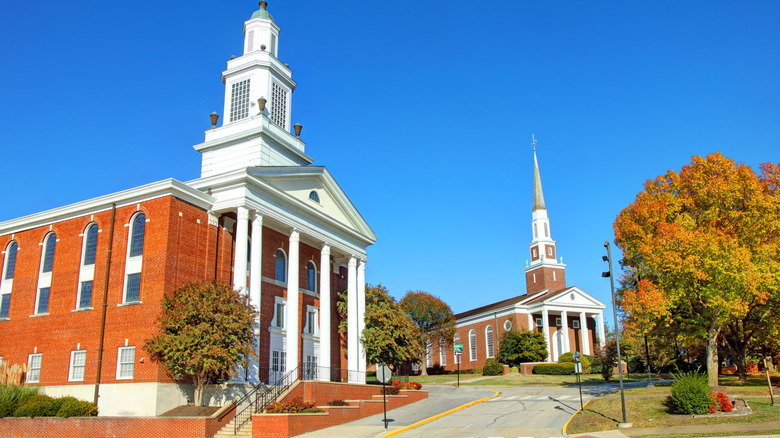
According to CareScout, Kingsport's 2026 cost of in-home care is $5,259 per month, residing in an assisted living facility costs $5,053 per month, and nursing home care in a private room costs $10,197 per month. Compared to the U.S. national average, all these factors cost $1,619, $1,206 and $1,097 less per month, respectively. According to Zillow, the average price of a home is $247,448, which is $452,654 less than the national average. The average rent in Kingsport, as per Zumper, is just $1,300 per month, or $695 lower than the U.S. national average. According to BestPlaces, the cost of living in Kingsport is 20.8% lower than the national average. An individual retiree would spend an average $2,100 per month or $25,200 per year. That represents 55.9% lower expenses to the national average. Kingsport is also less expensive in comparison to the state, with a cost of living 11% lower than the state average.
Your proximity to state parks like Warriors' Path State Park and 3,500 acre nature reserve Bays Mountain Park & Planetarium, means you always have the serenity of the natural world to keep you engaged. The Holston River opens the door for water activities.
Waynesboro
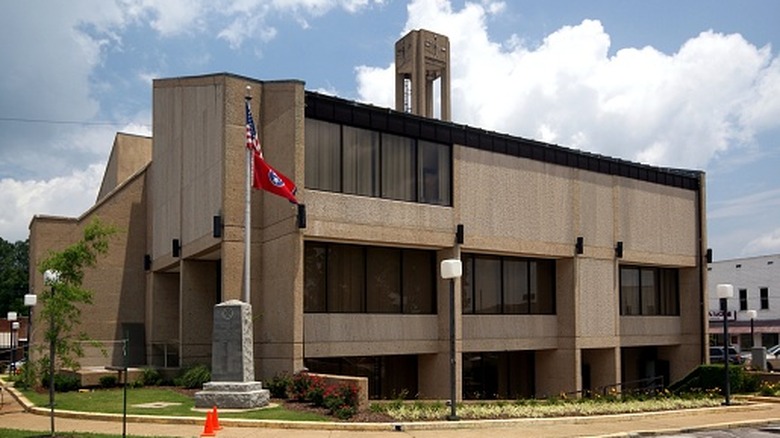
According to Realtor.com, in January 2026, the median price of a home in Waynesboro is $252,000. This amount is $448,102 lower than the national average. According to BestPlaces, the average one bedroom in Waynesboro is $610. The cost of living in Waynesboro is 25.3% lower than the national average, with monthly expenses of $2,033 making it 57.4% cheaper to live here than the national average. The cost of living is so good it's actually 16.9% lower than even the state average. According to CareScout, Waynesboro's 2026 cost of in-home care is $5,866 per month, residing in an assisted living facility costs $5,643 per month, and nursing home care in a private room costs $10,068 per month; comparatively, the U.S. national average costs of in-home care, assisted living in a facility, and for nursing home care are $6,878, $6,259, and to $11,294. Respectively, that's a difference of $1,012, $616, and $1,226 per month for the same services.
In terms of local amenities, there's a City Park and Pool, a recreational park, and a number of fitness centers to keep you spry into your old age.
Union City
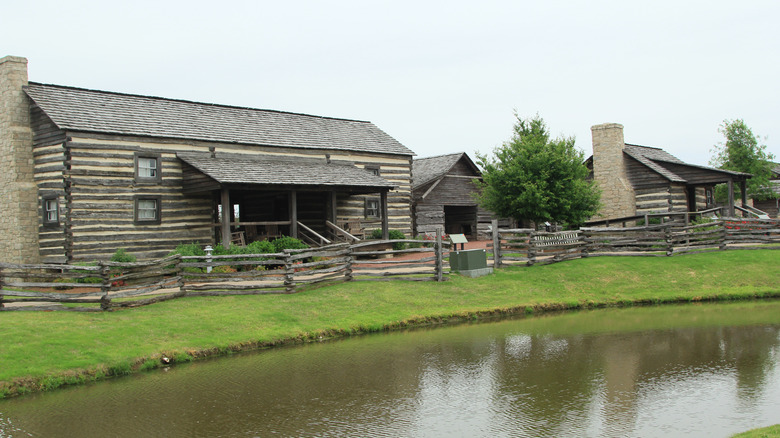
According to CareScout, Union City's 2026 cost of in-home care is $5,866 per month, residing in an assisted living facility costs $5,643 per month, and nursing home care in a private room costs $10,068 per month. Comparatively, with the U.S. national average costs of in-home care, assisted living in a facility, and living in a nursing home coming to $6,878, $6,259, and to $11,294, respectively, Union City offers a discount of $1,012, $616 and $1,226 per month. With the minimum savings required to live in Southern states in 2026, according to the Economic Research Institute (ERI), Union City should be on any retiree's radar.
The cost of living is 28% lower than the national average extends to the state level, with a cost of living also 18% below the state average. The median home price in Union City is just $138,400, which compared to the national average is a savings of $561,702. As per Zillow Rentals, the average rent in Union City as of February 2026 is $950. That's $1,045 cheaper than the national average.