

We Ranked The Best Cities For Stretching Retirement Income

For everyday working Americans, the rising cost of living is one that is frustrating. But it can sometimes be met by switching jobs combined with moving to a more affordable area. However, retirees have a different issue in that their income can be considered passive. Whether drawing from an IRA, collecting payments from a company pension, or receiving monthly Social Security payments, American retirees can only make their dollars stretch so far. Depending on where they live in the United States, they may find their efforts are either very challenging or easier than most places.
For instance, the United States Bureau of Labor Statistics estimated that the national cost of living was $78,535 in 2024. Meanwhile, retired Americans spend about $61,400 every year. For retired couples and individuals hoping to live well in the United States, the amount they can spend is typically fixed. Instead of working harder, retirees are now forced to spend smarter to make ends meet, even as the country's cost of living increases. As such, it is now vital that retirees choose to live in places that are highly affordable.
There are still cities within the U.S. where retirees can make their dollars stretch farther. It may be that housing and rentals are far more affordable, utility costs are down, or they save on healthcare. We looked at various American cities to find places with a notable retirement-age population, a lower cost of living, and different ways that residents can save money or see money go further than they would in other, more expensive places.
Johnstown, Pennsylvania
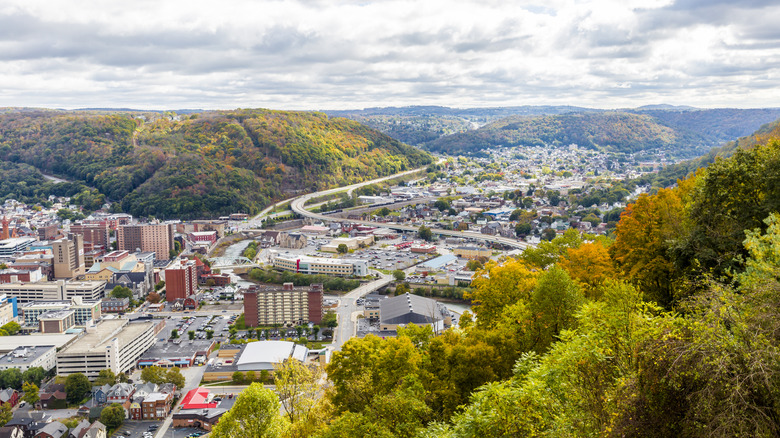
For retirees trying to find a place where they can potentially own their own home while spending as little as possible on monthly expenses, Johnstown is another city in Pennsylvania that is known to be extremely cheap to live. So much so that the median house price is just $86,300. By comparison, the Federal Reserve Economic Data (FRED), using U.S. Census Bureau and Department of Housing and Urban Development data, determined the average American home is currently priced around $534,000.
In addition to incredibly lower housing costs, Best Places reports that the cost of living in Johnstown is about $1,320 for a family to $2,167 for singles per month, which makes it 20% cheaper than other Pennsylvania cities. Though some monthly utilities may cost a little more, Apartments.com notes energy bills here are about 4% lower than the national average. Likewise, Best Places estimates residents pay 24.3% less than most U.S. towns for various necessities, including healthcare, groceries, and transportation.
According to the U.S. Census Bureau, one in five people living in Johnstown are 65 or older, meaning there's already a sizable retiree population in the area that is positioned to take advantage of just how much more affordable this town is than most other areas of the United States. If you're hoping to make your passive income stretch, this is likely one of the most budget-friendly destinations for making that happen.
Kinston, North Carolina
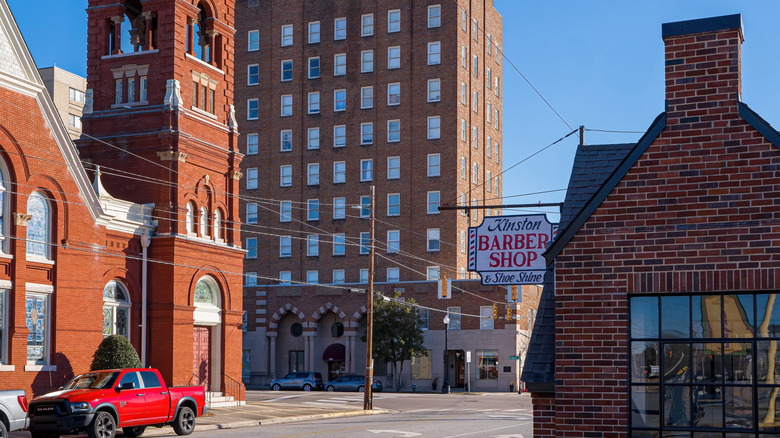
Kinston is an ideal city for retirees who want to live in the Southern U.S. but aren't interested in moving to states like Florida or Texas. Likewise, Kinston is a cheaper alternative to retiring to the city of Asheville, North Carolina, which despite having a sizable retired population, costs a bit more.
Here, per Best Places, the cost of living tends to range between $2,030 for a family and $2,267 for individuals per month. This puts it well within the average retirement income of older Americans. Retirees in the area reportedly have average passive incomes of at least $33,214 per year. Moreover, housing opportunities in Kinston are incredibly affordable. Livability.com revealed that the median home price is $97,165. Likewise, apartments are very budget-friendly, thanks to lower rent prices. Best Places claims a two-bedroom apartment will likely cost about $890 per month.
Not only can settling in Kinston stretch your retirement dollars thanks to cheap housing and a lower cost of living, but retired people living here can also look forward to saving money on groceries and utilities, which Best Places rates as 7% and 2.3% lower than what most Americans pay, respectively. Kinston currently has a massive retiree community; the U.S. Census Bureau has this population representing about 24.5% of area residents. It could continue to grow so long as the area remains affordable to most older Americans.
Tiffin, Ohio
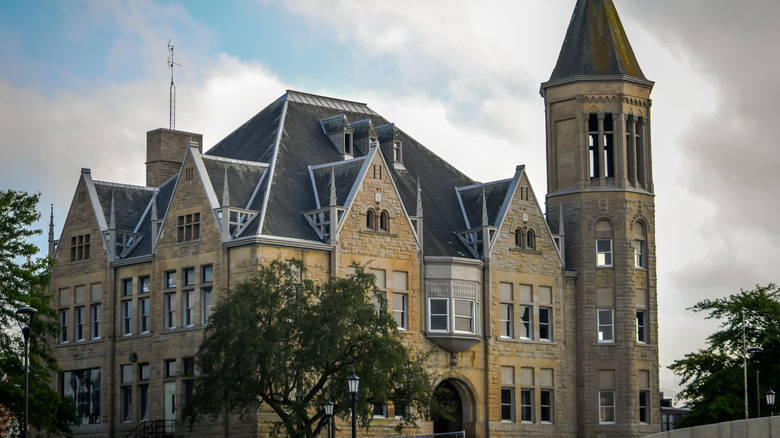
Although the Midwest is typically more affordable than living on either U.S. coast, a city like Tiffin typically flies under the radar, despite being remarkably more affordable than larger cities like Toledo and Cleveland. Per Best Places, Tiffin's cost of living is reportedly 28.8% lower than the national average. The website also estimates monthly living costs to range from $2,100 to $2,430 depending on your household size.
What is the main ways in which retirees who move here can see their dollars go further it's through housing costs. According to the U.S. Census Bureau, Tiffin renters pay an average of $890. Home ownership is also fairly cheap here. Per city census data, the median home price is $142,000; Tiffin residents make mortgage payments of about $1,100 each month. As for utilities, PowerOutage.com claims that Tiffin residents pay notably less for electricity, with pricing reportedly ranging between 6.68 and 14.01 cents per kilowatt-hour (kWh). Meanwhile Americans on average pay 16.77 cents per kWh.
While its retirement population isn't among the largest on this list (about 17.9% of Tiffin's residents are at least 65), suggesting a decent number of retirees likely choose live here due to its lower living costs.
Weirton, West Virginia
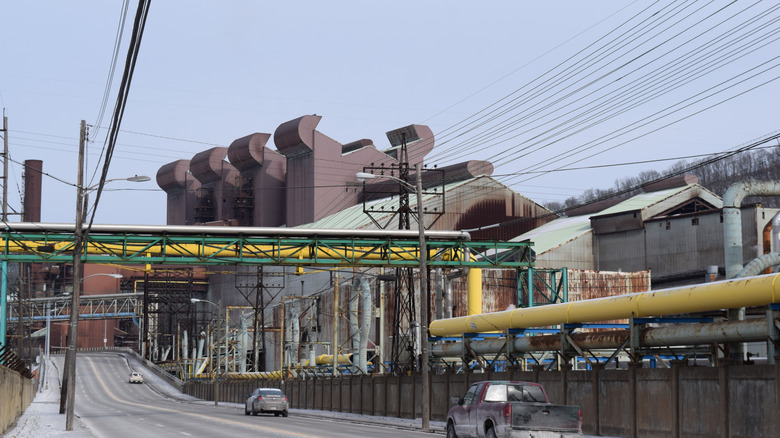
Weirton is located in an area of the country that overall has very low living costs. While one might not immediately associate the city with retiree living, the U.S. Census Bureau estimates that nearly one in four residents is over the age of 65. As noted by Best Places, Weirton's overall cost of living is roughly 24.2% lower than the rest of the country. This level of affordability really helps those living off of passive incomes, so it's a little surprise that so many people living in Weirton are likely retirees.
If buying a home here, per census data, you can expect mortgage payments to cost about $1,002 per month. Rent is also very low here, with median apartment pricing estimated as $746 monthly. Should you decide to move to Weirton, Best Places claims your cost of living will likely range between $2,100 and $2,333; it depends on whether you're living alone, with a spouse, or any dependents.
Housing and rental prices aside, there's another major reason that retirees are more enthusiastic than ever about relocating to Weirton and other parts of West Virginia. As of 2026, the state officially eliminated state income taxes on social security benefits. Having that extra money means being able to spend more to cover healthcare payments, though healthcare costs are around the national average, as well as live more comfortably day to day.
Hot Springs, Arkansas
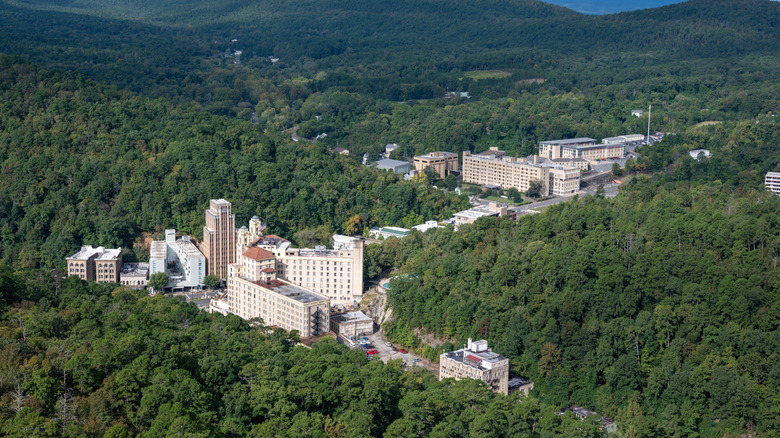
When it comes to affordable cities where retiree dollars stretch, Hot Springs in Arkansas might be one of the nation's hidden gems. While not as famous a retirement destination as Sun City, Arizona, Hot Springs still manages to draw in a high number of retired Americans. In fact, according to U.S. Census Bureau records, over 60% of the town's population is at least 65.
There are some notable financial benefits for retirees who choose to live in Hot Springs. For instance, Apartments.com determined Hot Springs's cost of living is 7.3% less than the national average. According to estimates by Apartments.com and Payscale.com, residents also pay considerably less groceries and utilities, which cost 8% and 6% less than the national average, respectively. Should you move here, the cost of living is as low as $2,167, as estimated by Best Places.
Arkansas is actually considered a retiree-friendly state overall, as it does not tax Social Security benefits. Likewise, the state offers an annual tax exemption on the first $6,000 of traditional distributions from your 401(k), traditional IRA, or any company-based pensions collected, provided you are at least 59 years of age. This exemption is per person, meaning, a retired couple filing taxes together would receive an exemption worth up to $12,000. Between the low cost of living and tax benefits, it makes sense that Hot Springs is increasing its appeal among American retirees.
Uniontown, Pennsylvania
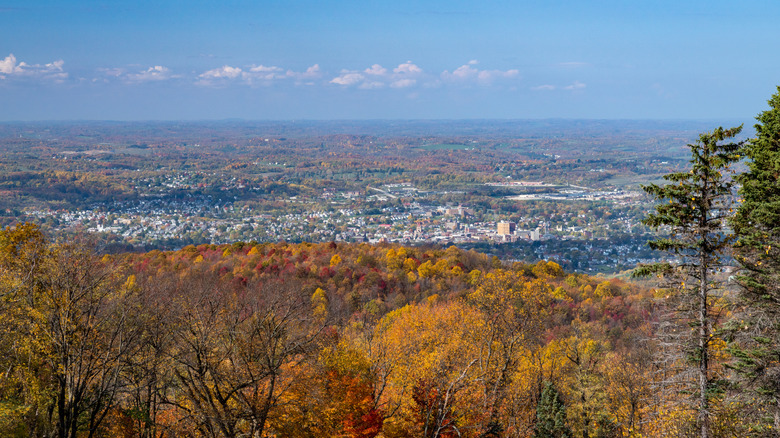
Uniontown is frequently said to be one of cheapest places to live in all of the United States. Best Places estimates living costs here run about 22.3% less than the nationwide average. When compared to the rest of Pennsylvania, living costs are reportedly 17.9% less than elsewhere in the state.
Overall, Uniontown already enjoys popularity with retirees, as, according to U.S. Census data, about 20.7% of area residents are 65 or older. For retirees that relocate here, the average cost of living ranges from $2,100 per month for a family to $2,500 per month, for an individual. With that in mind, a retired couple will likely get by just fine with a joint monthly retirement income of at least $2,300.
There are a few ways in which choosing to live in Uniontown will help your dollars stretch. First is healthcare costs, which, per Payscale.com, is 5% cheaper than the national average; Best Places claims local doctor visits cost $145.83 while prescription medication is about $21.11. In addition to healthcare-related savings, living here also typically means groceries are cheaper (2%), though transportation and utilities are more expensive. The reason that retirees likely for system moving here anyway is that housing costs and healthcare expenses are so notably lower, did they make up for the difference regarding what you would have to spend on things like gas and electricity.
Douglas, Arizona
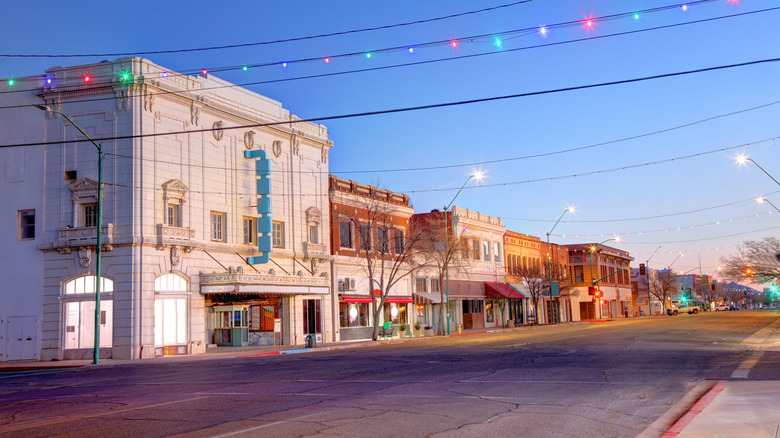
When you think of Arizona and retirees, it's likely that the first city that comes to mind is going to be Sun City, as it was quite literally created as the premier retiree destination of the Southwest. After that, you might look to better known cities like Phoenix or Tucson. However, if your ultimate goal as a retiree is to find a city where your dollar goes a bit further, Douglas might be a far better fit than any of larger and better known cities.
Retired seniors who relocate to Douglas, per estimates shared by Best Places, will benefit from a relatively affordable cost of living, one that between $2,250 and $2,300 depending on your household size. Not only is Douglas 15.2% less expensive than the national average, it's actually 20% less costly than most other cities in Arizona. The median home value is about $155,860, and, according to U.S. Census data, rent is about $772. Overall, Douglas reasonably affordable housing and rental options relative to the rest of the state, and especially when compared to the national average.
If you're looking to stretch your dollars as a retiree, Douglas is a great option in that you will pay 3% less for your groceries and also about 5% less for healthcare than the national average, per Payscale estimates. If booking a doctor's visit, you should expect to pay about $146.60. Because utilities are roughly 3% more pricey here, these savings are especially important for offsetting those expenses.
Sebring, Florida
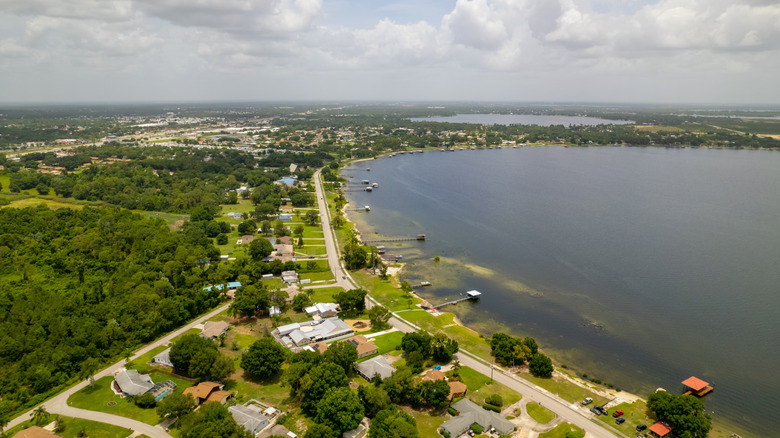
While many retirees talk up popular Florida retirement destinations such as Miami Beach and the Villages, it's important to take into consideration that not every retiree necessarily has the post-retirement savings or passive income level to benefit from moving to these cities.
Sebring is the kind of town can sometimes fly under the radar as a potential destination for retirees seeking an affordable Southern destination. Yet per U.S. Census Bureau data, at least 26.4% of the local population is aged 65 or older, meeting that it already has somewhat of an embedded retirement population. The city is home to a few notable retirement communities such as Tanglewood and Sebring Village. According to Best Places, the cost of living is as low as $2,300 per month or $27,600 annually. Census data estimates Sebring mortgages cost approximately $1,398 monthly while the median rent price is $1,019.
Local retirees not only benefit from lower living costs, but there are a few other ways they can save money by living here. For instance, Florida offers a homestead exemption of up to $50,000 on property taxes for one's main residence. As AARP notes, there's also no state taxes on your Social Security benefits. That said, it's important to remember federal filings as you don't want to make the mistake of conflating Florida tax laws with federal expectations. Speaking of taxes, the Smithfield Times reports that Sebring residents pay notably lower property taxes than in other parts of Florida, at about 1.01%. Lastly, healthcare is somewhat affordable here, with doctor visits priced as low as $120.
Homosassa Springs, Florida
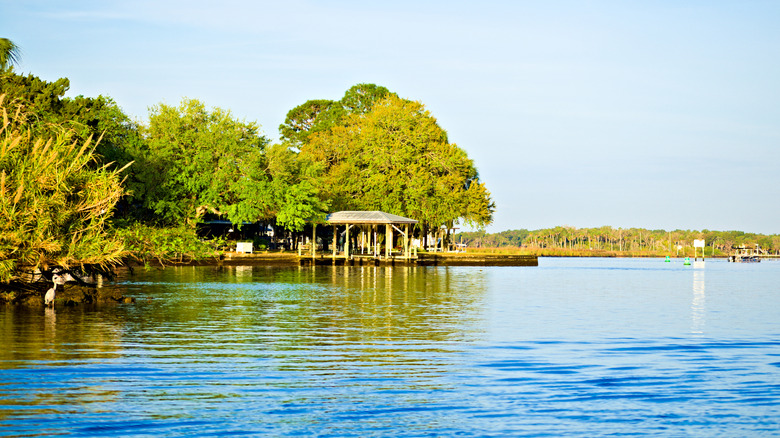
As was the case with Sebring, Homosassa Springs, is another Florida Town that's quickly growing in popularity with retirees that like the idea of Florida Sunshine but not so much the idea of living in larger cities where the retirement dollars don't necessarily stretch as far. Based on Best Places estimates, your cost of living could be as low as $2,600 per month. By comparison, Miami living costs reportedly exceed $9,000 each month; not too surprising for a city where some residents claim you need at least a six-figure income if you hope to live comfortably there.
As Best Places reports, the COL in Homosassa Springs is 12.2% below the nationwide average and around 14.8% less than the statewide average, so you can expect to spend less on certain things. For instance, some estimate Homosassa Springs residents spend over 20% less on healthcare while living here than they would in other parts of the United States. As was the case with Sebring, Homosassa Springs residence also benefit from the potential homestead exemption of up to 50,000 as well as not having to worry about state taxes on their SSA benefits.
Homosassa Springs's low living costs combined with state-related benefits has contributed to its relatively large retirement population. The U.S. Census Bureau reports that, as of 2024, about 26% of the town population is 65 or older.
Laughlin, Nevada

As was the case with Arizona, Nevada is another Southwestern state that sometimes draws in a lot of retirees. Traditionally, many of them came to the state strictly to visit Las Vegas, tourists who enjoyed nothing more than spending time at the local slot machines. However, some who made the decision to move to Las Vegas would come to regret it as the city is just too expensive.
For retirees who are interested in living in Nevada but want to live in a place where their dollars will go a little farther, Laughlin is considered a popular enough alternative. U.S. Census data reveals that retirement age Americans make up 37.5% of the town's population. If you want to live here, your retirement income needs to be at least $3,000 monthly, per Best Places cost of living estimates.
As reported on Payscale.com, housing costs are about 33% less than the national average; utilities are also about 8% lower than what bills are in most U.S. cities. A big reason to consider moving to Laughlin is the lower healthcare costs, as Payscale reports that it is 17% cheaper here than the national average. Even though certain other monthly bills may be a little higher than the national average, some retirees might think it's worth it to live in Laughlin, where they don't have to worry as much about overpaying for their healthcare needs.