

You've Been Warned: Consumer Reports Says These Hybrid Cars Aren't Very Reliable
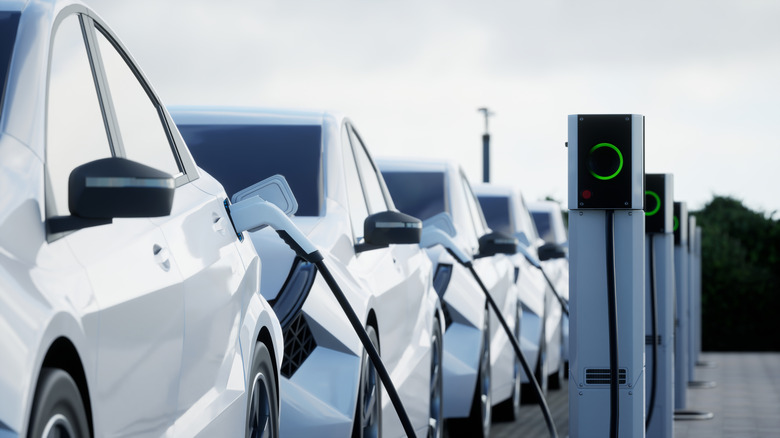
Hybrid vehicles promise to blend the performance and capability of cars powered by fossil fuels with the affordability and sustainability of electric vehicles (EVs). Although the technology has made considerable strides over the past several years, many hybrid models still leave drivers wanting. Consumer Reports (CR), a nonprofit consumer advocacy group, routinely assesses the reliability of vehicles to help the general public make more educated purchasing decisions. This is especially crucial for hybrid vehicles due to their high price tags and relative novelty.
According to Edmunds, hybrid models can cost drivers up to 20% more compared to their gas-powered counterparts, with luxury models featuring price tags of over $100,000. The first mass-produced hybrid was the Toyota Prius, which was released in Japan in 1997 and arrived in the U.S. in 2000. Since then, all kinds of hybrid vehicles have hit the market, and understanding how these newer versions stack up in terms of dependability is crucial.
To help consumers make the best purchase decisions based on their needs, we pored over Consumer Reports' findings to uncover some of the most unreliable hybrid vehicles available today. The only models to make this list were ones that CR deemed especially unreliable. Starting with the latest model year, these are the most unreliable hybrid cars money can buy.
2026 Hyundai Sonata Hybrid
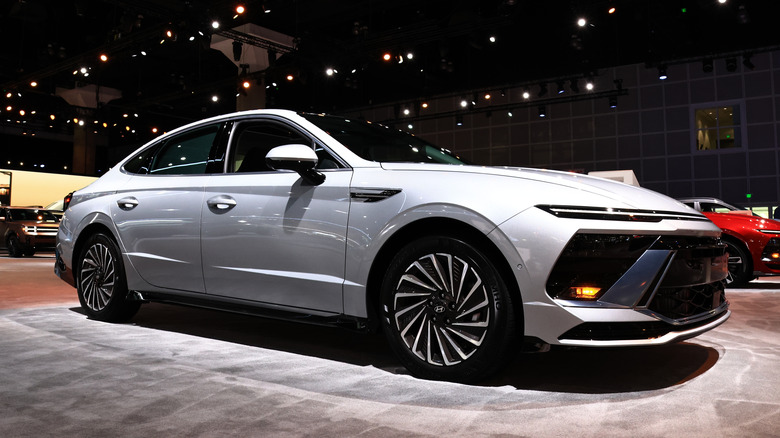
The 2026 Hyundai Sonata is among the most recently released hybrids that Consumer Reports deemed to exhibit below-average reliability. This low-dependability vehicle ranges in price from $29,200 to $38,250, making it the most expensive option on this list. At 44 miles per gallon, the Sonata Hybrid's fuel economy blows that of its combustion-engine counterpart out of the water — though it's comparatively average for hybrids. In terms of reliability, Consumer Reports is particularly critical of this model's built-in electronics and build quality. This suggests that features like its heads-up display or infotainment system may be lacking or glitchy, and that the car's physical makeup might not be as durable as the price tag would have you assume. Furthermore, this hybrid takes a hit for its lack of smooth gear switches and awkwardly low profile.
The 2026 Sonata Hybrid was also recalled for an issue with the instrument panel display, where you'll often find features like the speedometer and warning lights. Specifically, a software malfunction prevented certain safety indicators from being properly displayed, enhancing the odds of a collision.
2025 Toyota Corolla Hybrid
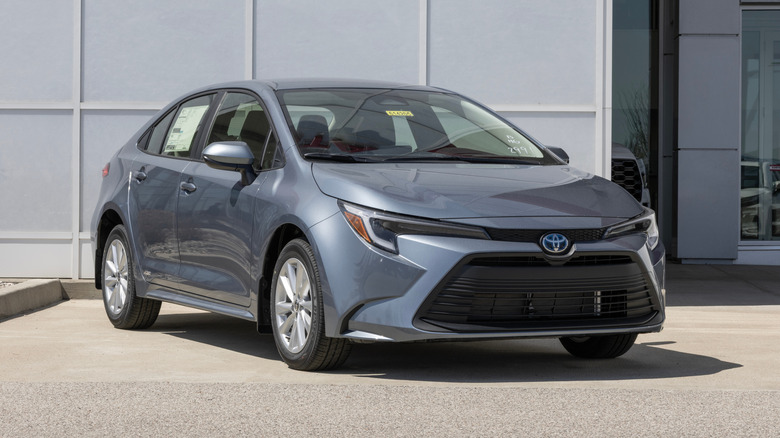
Although Toyota cars are among the most reliable on the market, the 2025 Corolla Hybrid is a blemish on the brand's trustworthy reputation. Priced between $20,525 and $26,050, some consumers may be drawn in by the Corolla Hybrid's seemingly reasonable price tag and impressive fuel efficiency of 50 miles per gallon. However, Consumer Reports finds that the Corolla Hybrid has subpar reliability at best, so you may wind up getting exactly what you pay for. This is particularly disappointing, as the 2025 model year is the first Corolla Hybrid to earn such a questionable reputation.
The consumer watchdog group underscores the model's build quality and electrical accessories as particular weak points, and the Corolla Hybrid has already been subject to an alarming recall involving its power brake assist system. Complete failure of this safety feature can increase the time and space the vehicle needs to stop, so this defect could significantly enhance the chances of an accident. On top of that, the National Highway Traffic Safety Administration (NHTSA) reports the organization has recorded 37 separate manufacturer communications between Toyota and federal authorities regarding the Corolla Hybrid. These have included complaints involving the engine, structure, wheels, and electrical systems. According to Edmunds, the maintenance costs associated with this hybrid also skyrocket within the first five years of ownership, jumping from less than $100 to around $1,900 per year.
2025 Hyundai Elantra Hybrid
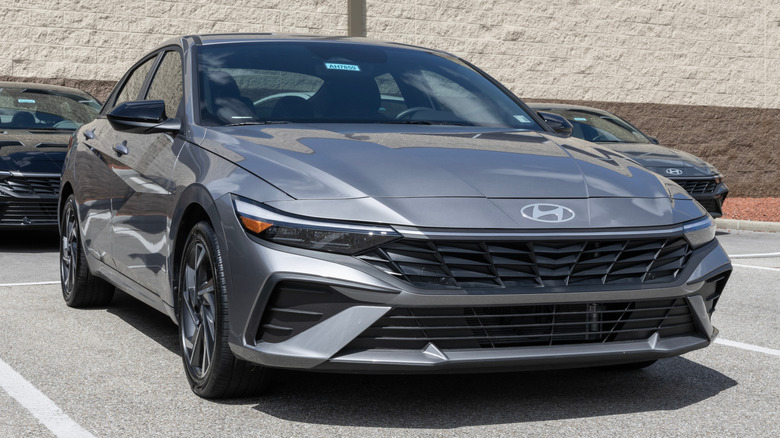
The Hyundai Elantra Hybrid boasts fuel efficiency of 54 miles per gallon, and a respectable price starting at $17,825 and reaching up to $28,175. Yet, these appealing figures hide a reliability rating that falls below that of similar competitors. In fact, this hybrid has failed to achieve reliably above-average dependability feedback in three of the four years it's been on the market. Consumer Reports highlights that the 2025 Elantra Hybrid's battery, noisiness, and fluid leaks as major issues, and also notes that those who own the vehicle have only been moderately satisfied by its performance.
Notably, the 2025 Elantra Hybrid has yet to be recalled for any reason as of February 2026. However, the NHTSA reports it's been the subject of 13 manufacturer communications, primarily for issues with its electrical system and exterior lighting. Drivers have also complained that its automatic alerts are distracting, and one person even reported experiencing total engine failure on the highway on the NHTSA's website.
Even if you land a reasonable deal on a 2025 Hyundai Elantra Hybrid, the vehicle's sneaky long-term ownership costs can erode those initial savings. Edmunds tracks maintenance fees associated with this model, and estimates that owners could spend around $40 within one year of purchasing it. However, that figure could grow to over $2,000 in five. Notably, while the 2025 version might be falling short of expectations, an older Hyundai has been celebrated as one of the most reliable used cars you can buy.
2024 Kia Niro Plug-in Hybrid
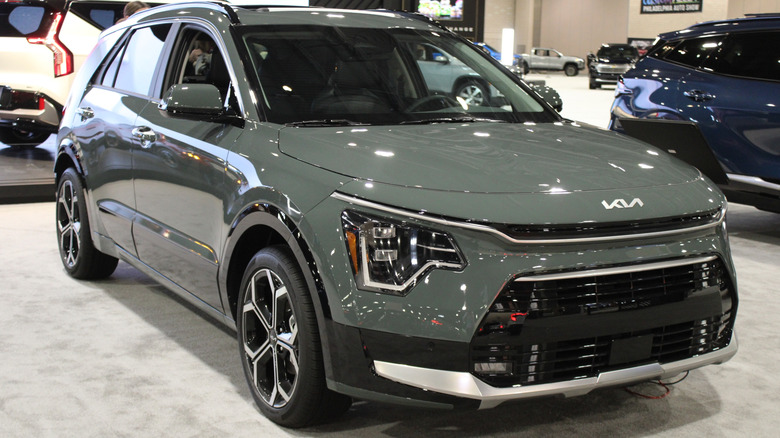
The 2024 Kia Niro Plug-in Hybrid takes a significant hit on reliability compared to similar models in its class, and Consumer Reports shows extremely low rankings for crucial components such as its brakes and build quality. Built-in electrical systems were also a problem area for the model, and the hybrid's lack of all-wheel drive and restrictive visibility were cited as additional pain points. To make matters worse for the 2024 Kia Niro Plug-in version, it only has a range of 33 miles with a full battery. So far, this model has been involved in one 2025 recall issued by Kia to address a problem with the irregular deployment of airbags and seatbelts, which may heighten the chance of injury during a collision.
Edmunds doesn't have detailed ownership costs for the 2024 Kia Niro Plug-in Hybrid. However, the website does recommend against paying the full $35,765 MSRP value, and notes that higher-end trims might not be worth the added investment. Consumer Reports echoes that this model's performance really doesn't match up to its price tag, which may inform why its owner satisfaction ratings are only moderate.
2022 Honda Insight
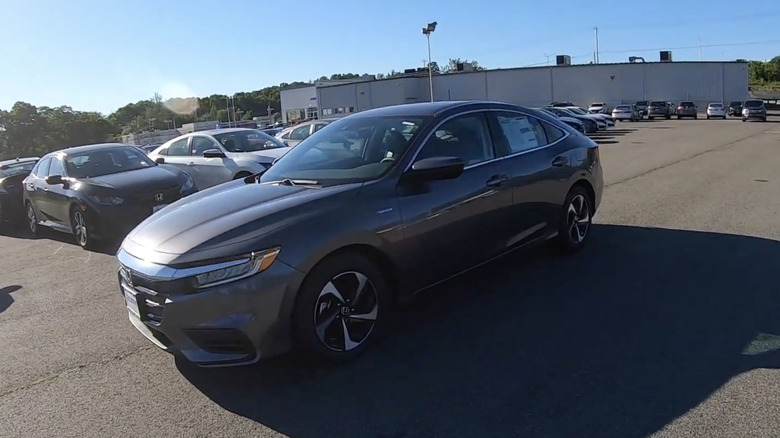
The 2024 Honda Accord has been dubbed one of the best cars for retirees due to its solid performance and gas mileage. Unfortunately, a hybrid Honda from a few years earlier has failed to build such a respectable reputation. The 2022 Honda Insight features an assessed fuel economy of 52 miles per gallon and retails in the relatively modest price range of $18,200 to $20,825. Of course, what's below the hood is what really matters, and Consumer Reports has found that the 2022 Insight struggles to stay above-water in terms of reliability. This model marked the second year in a row that the Honda hybrid failed to surpass similar models in terms of its dependability. It is worth noting, however, that the 2022 Insight has scored favorably in terms of owner satisfaction despite its subpar renown.
The NHTSA reports that the 2022 Honda Insight has received 27 complaints from owners on top of several recalls and investigations. A failing fuel pump was the cause of one major recall, which can stall the vehicle while on the road. Another recall involved the improper function of the middle seatbelt in the back row, which could increase the potential for injuries in the event of a collision. Additionally, Edmunds reports that the Honda Insight has extremely burdensome maintenance and repair costs: Prospective owners should be prepared to pay upwards of $8,000 to keep their 2022 Insight running across the initial five years of ownership.
2020 Lincoln MKZ Hybrid
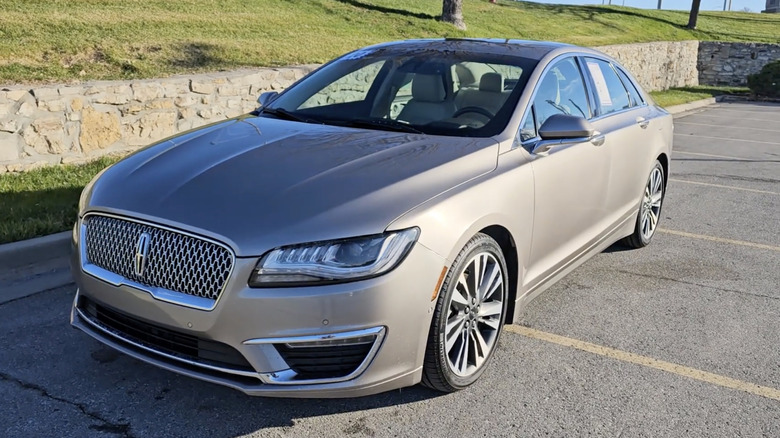
The 2020 Lincoln MKZ was released in both conventional gas-powered and hybrid variants. According to Consumer Reports, this questionable lineup received mixed customer reviews and performance ratings. Although the hybrid version is championed for its economical fuel efficiency, that doesn't seem to be enough to make up for the defects that made the broader MKZ lineup below average in terms of reliability. The engine, transmission, and temperature control are identified as major issues for this model year, although its suspension, steering, and electrical systems are listed as setbacks as well.
Unlike the gas-powered alternative, the 2020 Lincoln MKZ Hybrid has not been the subject of a recall. However, the NHTSA points out one investigation, one complaint, and 50 manufacturer communications. The correspondence from manufacturers spans a variety of issues, including problems with its engine cooling, powertrain, electrical systems, brakes, and hydraulics. The MKZ lineup also sees elevated maintenance and repair costs out of the gate. Per Edmunds, drivers often spend over $900 on maintenance and upwards of $600 on repairs in the first year, and those costs only continue to rise over time. While Lincoln remains one of customers' top 10 favorite car brands, whatever money you'd save on fuel driving the MKZ could easily be eaten up by increased routine upkeep expenses.
2020 Ford Fusion Hybrid
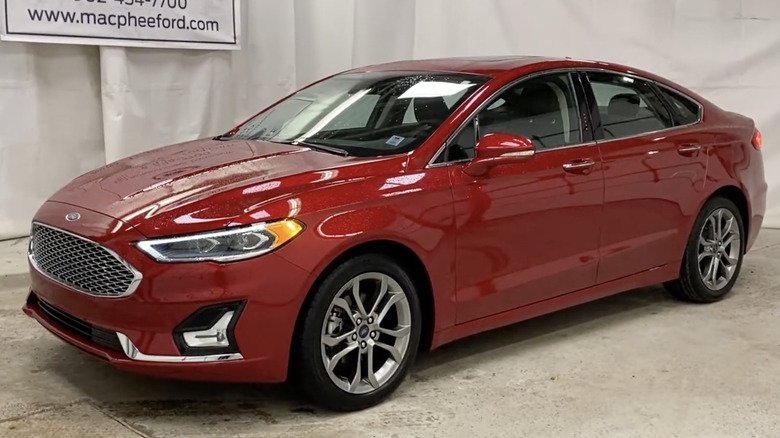
The 2020 Ford Fusion lineup was composed of conventional gas-powered and hybrid engines. Consumer Reports celebrates the hybrid model for its fuel efficiency, but like the MKZ, that asset isn't quite enough to make up for the car's unreliability on its own. This may be disappointing for budget-conscious drivers, as the 2020 Fusion's price ranges modestly from $10,750 to $14,725. The consumer watchdog identifies the build quality, powertrain, suspension, and steering as pain points that all drag the car's dependability below average. This doesn't appear to be an anomaly, however, as several of the preceding model years built up similar reputations.
Although the 2020 Fusion Hybrid hasn't been involved in any recalls, the NHTSA highlights various other issues, including eight complaints, one investigation, and 54 manufacturer communications. The latter group covers the gamut of reliability concerns, with electrical issues, engine problems, and noisy brakes all noted in various correspondences. Although the Fusion Hybrid comes with a competitive sticker price, its long-term costs erode any savings owners might have realized. Edmunds reports that maintenance and repair costs within the first five years of ownership reach upwards of $4,400 and $2,400, respectively.
2020 Kia Optima Hybrid
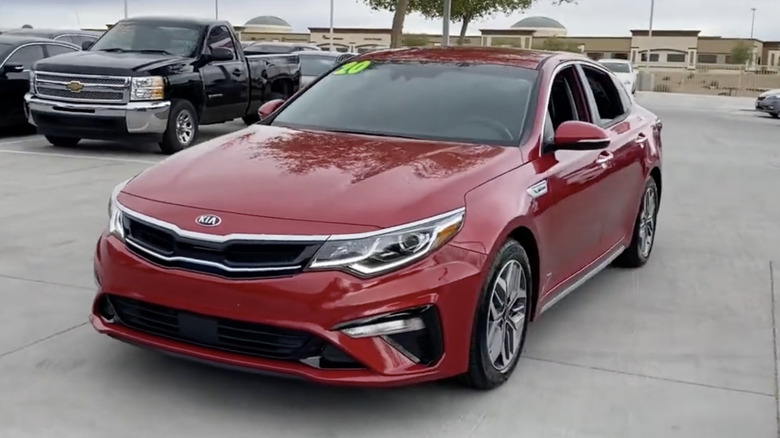
Consumer Reports celebrates the hybrid version of the 2020 Kia Optima for improving the vehicle's otherwise poor fuel efficiency. While the lineup is championed for its ergonomic controls and comfortable interior, it's largely lacking in reliability. In fact, the 2020 Optima failed to achieve above-average scores in this crucial area for nine years straight: Models dating back to 2012 have been plagued with many of the same issues, so it's not a particular surprise that the 2020 Optima Hybrid didn't exactly break the mold. Common sources of issue for this vehicle include the powertrain, brakes, quality control, and electronics. Its affordable sales price, which ranges from $11,075 to $16,400, may encourage consumers to look past these shortcomings in dependability. However, it's worth noting 2020 was the Optima's last production year, so even Kia may have been fed up with the model by the end of its run.
The NHTSA reports no recalls for the 2020 Kia Optima Hybrid. However, the model has received one complaint, two investigations, and 47 manufacturer communications largely related to its electrical system. Edmunds estimates that owning the hybrid variant of a 2020 Optima could cost drivers over $30,000 over five years on top of the sticker price. Around $1,600 of those total costs are siphoned off by repairs, and another $4,600 or so could be eaten away by maintenance. Edmunds also predicts that maintenance costs alone could more than double between the first and fifth years you drive a 2020 Optima Hybrid.
2019 Honda Accord Hybrid
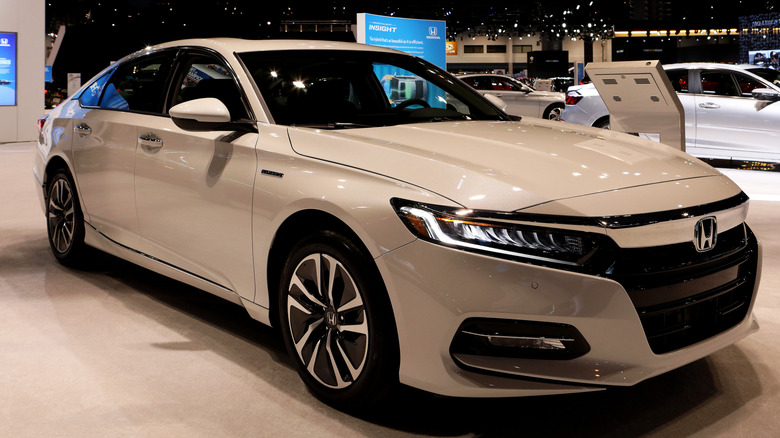
While Honda is another manufacturer often lauded for its vehicles' build quality, it's making a second appearance on this list thanks to the 2019 Honda Accord Hybrid. On the surface, this model seems like an excellent cost-saver. It retails in the reasonable price range of $15,275 to $20,925 and boasts a leading fuel economy of 47 miles per gallon. Yet, Consumer Reports calls the 2019 Accord Hybrid's reliability into question, and notes that it pales in comparison to several competing sedans. Some driver-reported issues include unresponsive climate controls, fluid leakage in the air conditioning, and faulty fuel pumps.
Safety is one of the most critical issues weighing on this hybrid's reliability. Over the years, the NHTSA has been inundated with 574 complaints and 315 manufacturer communications about this model alone. Additionally, the 2019 hybrid variant of this car has also been subject to five recalls, including three separate instances involving faulty fuel pumps that had the potential to cause cars to stall while in motion. Another relatively minor recall occurred due to defective electronics, which affected the function of various systems like the rearview camera, defroster, and windshield wipers. Later, one of the seatbelts in the vehicle was found not to buckle properly, resulting in yet another recall. Surprisingly, the 2019 Honda Accord Hybrid has maintained a respectable, above-average satisfaction rate among owners in the face of these hiccups. Luckily for Honda loyalists, the manufacturer seems to have learned from its mistakes: Consumer Reports deems more recent Accord Hybrids much more reliable.
2019 Chevrolet Malibu
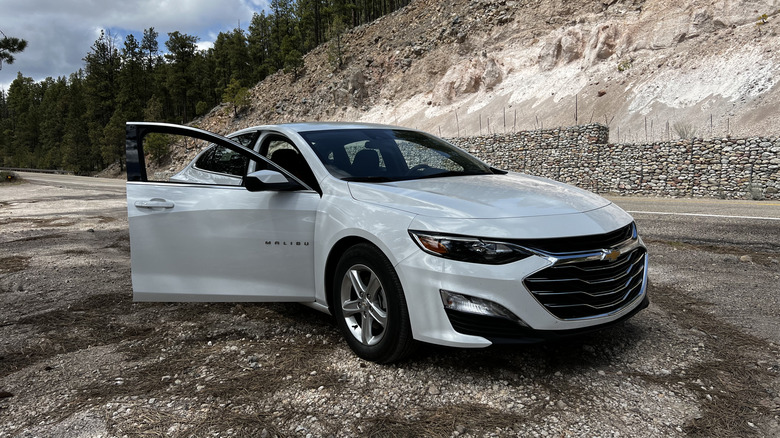
Consumer Reports highlights the 2019 Chevrolet Malibu Hybrid for its premium fuel efficiency. At 41 miles to the gallon, this model far outpaced its fossil-fueled cousin. While its starting price of $10,575 may make it appear like an attractive budget car, the 2019 Malibu Hybrid has plenty of potential to let its driver down despite these appealing characteristics. Opting for a more high-end trim, which could run you upwards of $13,250, could only make the disappointment of owning this vehicle worse.
This hybrid fails to outclass many of its competitors — including several others on this list — in the reliability category. When you look back at previous releases, you'll see the problem is much worse than an off year. In fact, the Malibu failed to achieve above-average reliability for 10 years in a row before the 2019 hybrid version came out. Some commonly cited issues are the vehicle's brakes, powertrain, electrical systems, and build quality. The only components that routinely maintained positive marks for dependability were suspension and steering.
The NHTSA gives the 2019 Chevrolet Malibu Hybrid a four out of five stars in terms of safety, which is a saving grace for this vehicle's overall lack of reliability. Still, the model has been subject to an investigation, two complaints, and a whopping 290 manufacturing communications about potential faults.
2019 Chevrolet Volt
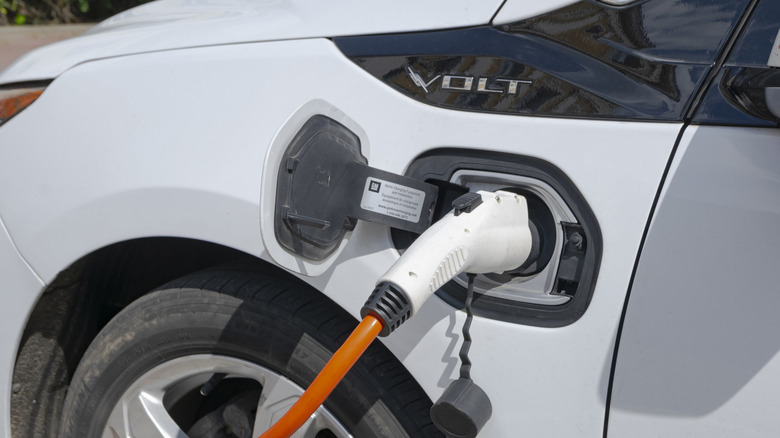
While there's debate as to whether or not an electric car really saves drivers money in the long run, the Chevrolet Volt's low price and high fuel efficiency may make it seem like the ideal affordable car. It's hard to deny that the 2019 Volt's 42 miles per gallon and laudable 53 miles of battery are impressive, and the fact that its price ranges between $12,850 and $13,900 is certainly a budgetary asset.
Sadly, that's about where this hybrid's accolades end. Consumer Reports unveils a subpar reliability rating for the 2019 model year, and the four that came before it don't fare much better by comparison. Some of the most commonly cited trouble spots for the 2019 Volt's reliability include its powertrain and electronics. So, it's not a particular surprise that this model year marked the end of the series as we know it: After eight years in production, Chevrolet opted not to produce Volts from 2020 on.
The NHTSA reveals a deluge of issues with the 2019 Volt, which partially explains its abrupt removal from production. This model received 625 manufacturer communications alone, 34 complaints, and two investigations. However, the real problems came from two separate and costly recalls: In August 2018, the vehicle's brakes were found to lose stopping power due to poor coating, which increased the potential for a collision in over 210,000 cars. The following month, another recall was issued due to an improperly functioning rear seat belt.