

10 States With An Average Monthly Social Security Benefit Below $2,000
Social Security is the single largest social program in the United States. According to the U.S. Treasury Department, the government dedicated $1.58 trillion, or about 23%, of its annual budget to the social insurance program in 2025. For perspective, this spending outpaces defense spending by 10% as a share of the federal budget. Furthermore, the cost of Social Security rose by 8% compared to 2024, and these costs are likely to continue rising. Beyond spending, Social Security is also the largest government program in terms of recipients. The Social Security Administration estimates that a staggering 75 million eligible Americans will receive benefits in 2026. The Census Bureau estimates that the current population is around 343 million. That means nearly 22% of the population receives these monthly payments.
The overwhelming majority of recipients are U.S. seniors, relying on these benefits to support their retirement. Unfortunately, one of the worst Social Security myths is that these disbursements can cover all of a retiree's expenses throughout their golden years. Although the monthly benefits are often increased to match the increased cost of living, many feel the increases are insufficient to account for the erosion in buying power caused by inflation and other macroeconomic issues. Still, that doesn't keep many seniors from having to rely predominantly on these federal payouts. The SSA reports that between 39% and 44% of Americans 65 and older rely on Social Security benefits for at least half of their income. Furthermore, between 12% and 15% receive at least 90% of their retirement income from this federal program.
Many seniors don't realize that these payouts vary greatly between states, meaning where you choose to retire can make a difference. With that in mind, here are 10 states with an average monthly Social Security benefit below $2,000.
1. Alaska
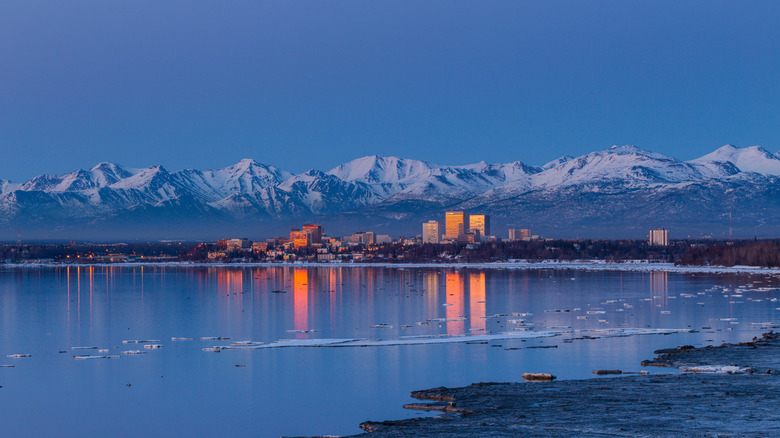
With an average Social Security payout of $2,009.40, Alaska barely crosses the threshold for inclusion on this list. For recipients in the Last Frontier, however, that extra $9 won't feel like a game-changer. Alaska's cost of living index is 126.7, meaning everything costs about 26.7% more on average compared to the rest of the country. It's worth noting that these heightened expenses are spread out fairly evenly among housing, groceries, and transportation, yet they spike to 56.5% above average for utilities. Notably, these living expenses rank Alaska as the fourth costliest state in the nation, only behind California, Massachusetts, and Hawaii. For reference, those states have cost-of-living indexes of 143.1, 148.5, and 183.9, respectively. Yet, Social Security disbursements in these states are far above the $2,000 per month ceiling, which Alaska straddles, representing a unique financial burden for retired residents.
Despite this disproportionately high cost of living and comparatively low public assistance, seniors experience poverty at a much lower rate than normal in Alaska. In the U.S., those 65 and older with income below the poverty line is 11.3 %, but only 7.2% in the Last Frontier. These numbers are surprising considering the tangible expenses of everyday life. For example, a one-bedroom room in Alaska runs about $1,399 per month, or $16,788 yearly. Furthermore, personal healthcare spending reaches $13,642 per year. In comparison, the average Alaskan will receive about $24,112.8 annually from Social Security. Fortunately, this state, known for its cold weather, won't tax your Social Security income, allowing you to keep more of your hard-earned and diligently saved nest egg.
2. Nevada
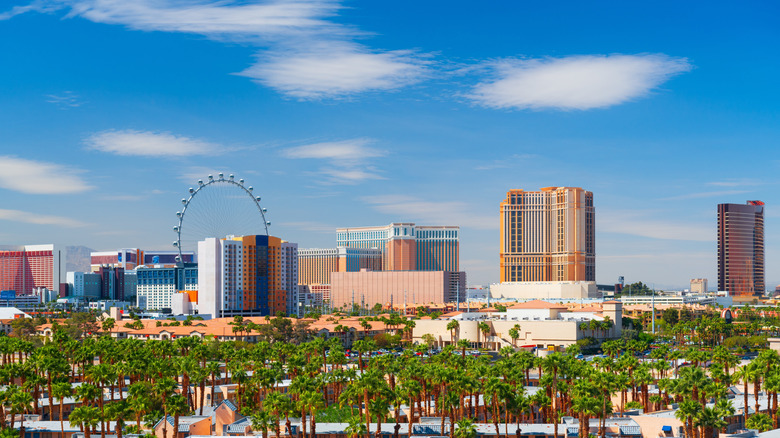
With an average monthly Social Security benefit of $2,008.73 for 2026, Nevadans are technically receiving more than the $2,000 floor, but not to a meaningful degree. An extra $8.73 could easily be spent on a combo meal at fast food chains that seriously overcharge. The point being that this small amount can feel more like a rounding error to fixed-income Nevadans. The Silver State's cost of living index is right in line with the national average, standing at 99.7, considerably cheaper than many of its Southwestern neighbors, such as Arizona or California. Nevada's consumer expenditures aren't spread evenly across routine costs. For instance, groceries are about 2.7% higher than the national average. Yet, housing and transportation are slightly more expensive at 10.7% and 15.3% above the norm, respectively. The real routine savings for Nevadans are found in utilities, where residents pay nearly 15% less than the typical American.
Overall, 10.4% of senior Nevadans fall below the poverty line. While over one in 10 residents aged 65 or older living in poverty isn't ideal, it's better than the national average. Total annual Social Security payments in the Silver State reach $24,104.76. For context, the average one-bedroom apartment in Nevada goes for about $1,295 per month. That works out to $15,540, and already accounts for a solid chunk of a retiree's benefits. The financial situation is even more bleak when piling on the other major burden of medical costs. Personal healthcare spending in the state is about $8,348. With a higher cost of living often concentrated in population centers, you can imagine some of the reasons retirees regret moving to Las Vegas.
3. West Virginia
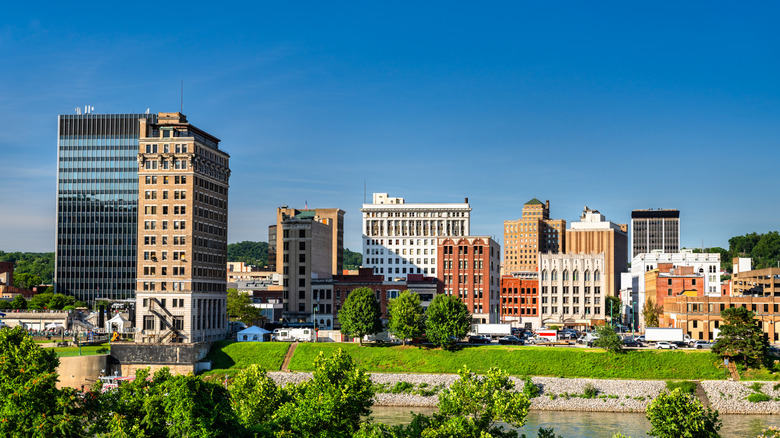
West Virginia is the first state with an average monthly Social Security benefit truly below $2,000. With a monthly allotment of $1,999.98, fixed-income senior residents have an annual budget of about $23,999.76. Fortunately for retirees in West Virginia, the state is the third most affordable state in which to reside, only beaten out by Mississippi and Oklahoma. With a cost-of-living index at 88, the state is about 12% more affordable than the national average. Groceries and transportation are the most expensive routine costs in the state, yet remain below the countrywide standard. Housing is where seniors can see their Social Security payments go the furthest in West Virginia, with an average cost about 29% below the rest of the U.S.
To be sure, the Mountain State has the highest homeownership rates in the country. For reference, Zillow estimates that the average home price in the state is $168,318, which is less than half the national norm of $357,445. Even renting is extremely affordable, with the typical one-bedroom place running $825 monthly, or about $9,900 yearly. Annual personal medical expenses reach $12,769, eating up more than half of the state's typical Social Security payout. West Virginia's relatively low federal support is supplemented by relatively cheap living expenses, making the $2,000-per-month allotment more manageable than in other states. Still, 12% of the senior population finds itself under the poverty line. As an added financial boon to retirees, the Mountain State decided to stop taxing Social Security payments in 2026, further protecting those with limited or no retirement savings.
4. Maine
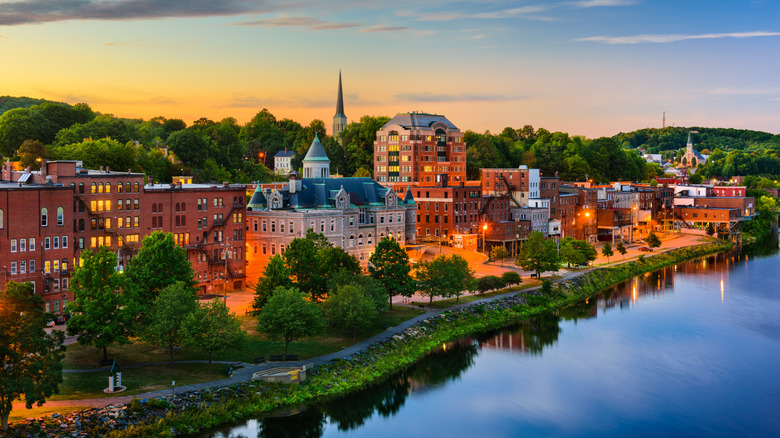
Maine is one of the U.S. states with the highest percentage of Social Security recipients. Yet, it also happens to offer one of the lowest monthly payouts of just $1,990.09 in 2026. This means retirees only get about $23,881.08 annually. As a Northeastern state, you would be correct in assuming Maine has a higher cost of living than the rest of the country. More specifically, residents spend about 14% more than their counterparts. Groceries and transportation costs rank on par with the U.S. overall, with an index of 101 and 103.6, respectively. On the other hand, utilities and housing disproportionately bump up the state's average living expenses, costing about 19% and 36% more than the U.S. average, respectively.
Despite these higher expenditures across the board, Maine keeps its share of seniors below the poverty line at 9.4%, much lower than the national average. Rent is a considerable expense in Maine, especially for budget-conscious seniors. The average rent for a single-bedroom apartment is $1,500 monthly. With an average annual cost of $18,000, housing already comprises more than two-thirds of a senior's Social Security benefits. Factoring in medical costs doesn't improve the affordability picture at all. The typical resident will spend about $12,077 annually on personal healthcare. Added to housing expenses, these costs more than eclipse the federal program's disbursements, forcing retirees to dip into their retirement savings or forgo essential items.
5. Montana
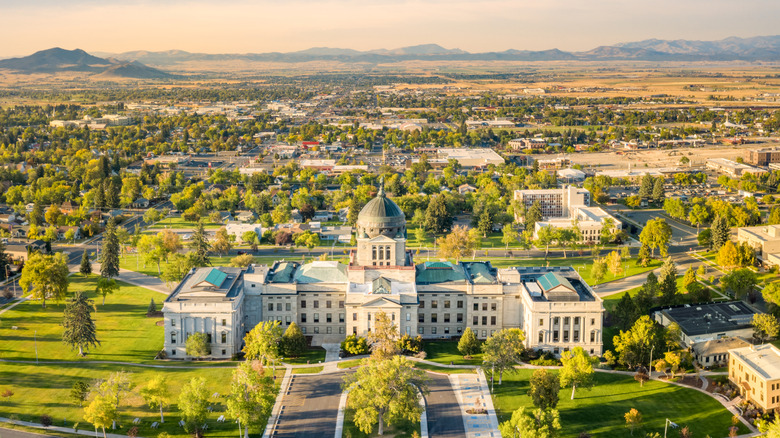
Montana is often perceived as a relatively affordable state due to its low population and expansive land. Unfortunately, some seniors living in this remote state realize the financial situation is more challenging than it might appear at first. The average monthly Social Security payment in Montana is $1,988.28, among the lowest in the country. For an entire year, those qualified seniors only see $23,859.36 from this federal program, squeezing their available expenditure. Unfortunately, this lower-than-average Social Security income isn't really offset by cost-of-living discounts. Montana residents spend about 3.2% less than their national counterparts, although expenses are actually higher in some crucial areas. For instance, groceries in the Big Sky Country are actually higher than the national average. Seniors save around 5.6% on real estate and 18.5% on utilities in Montana.
Despite housing costs remaining below the U.S. standard, the average one-bedroom apartment goes for $1,305 per month. Put another way, a senior couple would have to set aside $15,660 for accommodation alone, already comprising more than half of their Social Security payouts. The rest of that retirement income is eaten up by the state's medical expenses. The average Montana resident spends about $10,212 per year on personal healthcare.
Together, those unavoidable expenses reach $25,872, more than $2,000 higher than the state's Social Security disbursement. With this significant gap between what fixed-income seniors have to spend and what they receive in support payments, even Montana's status as one of the states where you don't have to pay sales tax isn't enough to convince retirees to move. Still, Montana is doing better than the rest of the country when it comes to keeping its senior population out of poverty, with only 9.5% falling below this crucial line.
6. Kentucky
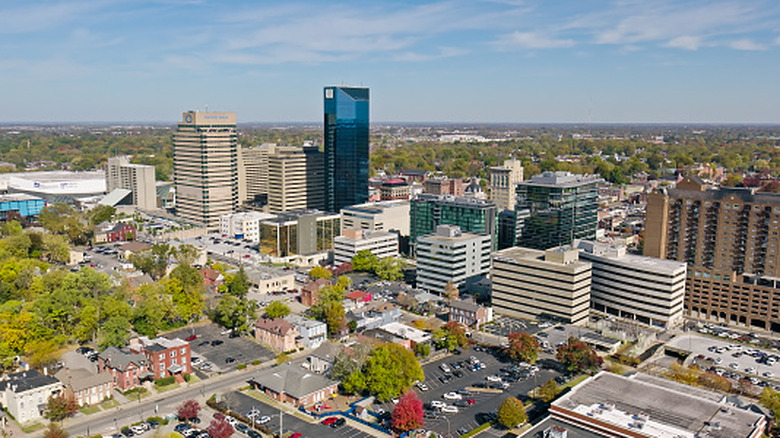
There are 14 Southern states where minimal retirement savings can work in retirement, and Kentucky is one of those states. However, relying completely on Social Security income is a more challenging equation, given the state's relatively low payout of $1,965.95 monthly. That only leaves seniors with about $23,591.40 annually. The trade-off is a lower cost of living, which is about 8.5% below the national average in the Bluegrass State. Notably, housing is much more affordable, about 25.2% underneath the national norm. Groceries cost only 0.2% less than the rest of the country, and transportation expenses fall 4% below the national average.
The average home price in Kentucky is only $224,468, more than $100,000 less than the national norm, highlighting how much seniors can save in this area. Of course, those relying heavily on Social Security income will most likely be renting. These below-average accommodation expenses extend to rentals, too. The average senior couple will pay about $950 monthly for a one-bedroom apartment. On an annual basis, that comes out to $11,400. Beyond real estate costs, retirees dedicate a disproportionate amount of their spending to medical costs. It's estimated that the typical Kentuckian spends about $10,257 per year on personal healthcare.
When you tally up accommodation and healthcare costs, seniors are already on the hook for $21,657. That only leaves around $2,000 left over annually from the state's minimal Social Security benefits. Regrettably, 12.9% of seniors in the Bluegrass State have to live below the poverty line, higher than the national average.
7. New Mexico
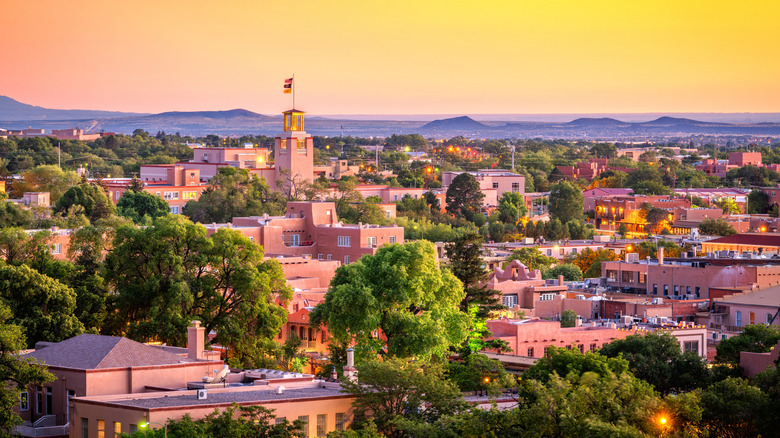
New Mexico is often recognized as one of the cheapest places for U.S. tourists to visit, and that affordability extends to retirees looking for a place to settle down. As you've seen from many other states on this list, that low cost of living often comes with a deflated Social Security payout. Unfortunately, the Enchanting State is no exception. The average payout for the program in 2026 is $1,965.28, or about $23, 583.36 annually. Generally, residents save about 6.3% on routine expenses in New Mexico, with those savings extending to 16.2% below the national average for utilities. Groceries fall 3% below the national average, while transportation costs and housing costs sit 6.4% and 11.4% under the U.S. standard, respectively.
Seniors can find a single-bedroom apartment for about $1,115 monthly, or $13,380 yearly. That's much more burdensome than some other states on this list. Senior healthcare occupies a similar level of affordability, not the cheapest or most expensive, at $8,902. Naturally, these costs would likely compound as the seniors age. Alone, these accommodations and medical expenses equate to $22,282, only leaving seniors with about $1,300 to handle every other essential cost, to say nothing of discretionary spending. About 13.7% of the New Mexico population remains below the poverty line, one of the highest rates on this list. As of 2022, the state government implemented crucial exemptions to help most Social Security recipients in New Mexico keep all of their benefits.
8. Arkansas
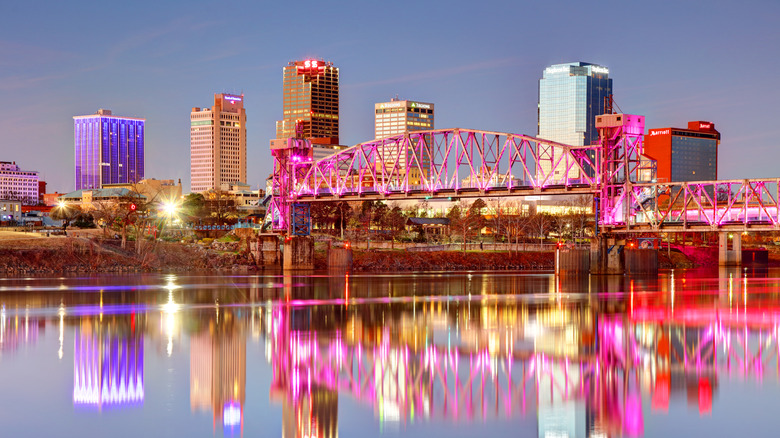
Arkansas is constantly celebrated as one of the most affordable places to retire in the country. A cost-of-living index of 90.1 bolsters that status, with the average person spending nearly 10% less than the national average for routine expenses. Of course, these average costs aren't evenly spread among different expense types. For instance, groceries and utilities are among the most expensive categories for residents, yet both remain nearly 6% more affordable than the national norm. Transportation aligns with overall living expenses at about 10% lower than the rest of the country. Where retirees really save big is on housing, which hovers about 21% under normal costs.
If you think spending your golden years in Arkansas would be a financial breeze, think again! This lower cost of living is countered by an average Social Security payout below $2,000 — a financial setback only achieved by a handful of states. Each month, qualifying seniors in Arkansas can expect to receive about $1,951.53 from the federal program. That adds up to $23,418.36 annually.
The average one-bedroom apartment in Arkansas would cost $850 per month. For a senior couple, that represents $10,200 annually of essential costs. Furthermore, personal healthcare spending on an annualized basis reaches $9,338 in the Natural State. When you add those together, you're looking at an annual expenditure of $19,538. Given these financial realities, it's no wonder that more Arkansans live below the poverty line than the broader public. Roughly 12.1% of the population 65 and older remain in poverty.
9. Louisiana

Louisiana was recently dubbed the worst state for retirement, due to low affordability, high crime, and poor healthcare outcomes. A brief look at the state's abysmally low Social Security benefits compared to its relatively average costs is enough to demonstrate this claim. For 2026, retirees will see an average disbursement of $1,916.05 from the largest federal welfare program. On an annualized basis, that represents an automated income of $22,992.6. That's several thousand dollars less than the national average yearly Social Security income, leaving Louisiana retirees with less financial support.
Although the Pelican State is more affordable than the average state, retirees on fixed incomes will still be stretched financially. The overall living costs in the state are about 7% lower than the rest of the country. Louisiana's living expenses are varied across spending categories. Groceries have an index of 96.4, and transportation hovers around 97.3, making these the most expensive areas. Residents get a break on housing at 84.5 and utilities at 83.6. Energy bills are, notably, among the most affordable category.
Seniors will need to budget around $1,150 per month for a one-bedroom apartment, much higher than neighboring Mississippi, despite having a very similar Social Security payout. This works out to an annual accommodation budget of $13,800. Retirees also face steep personal healthcare costs, which average about $10,515. The combined costs of these essential expenses already exceed the state's average Social Security income. This lopsided financial burden for retirees, with minimal financial benefits falling short of basic costs, explains why 14.2% of the senior population lives in poverty, dramatically higher than the national average.
10. Mississippi
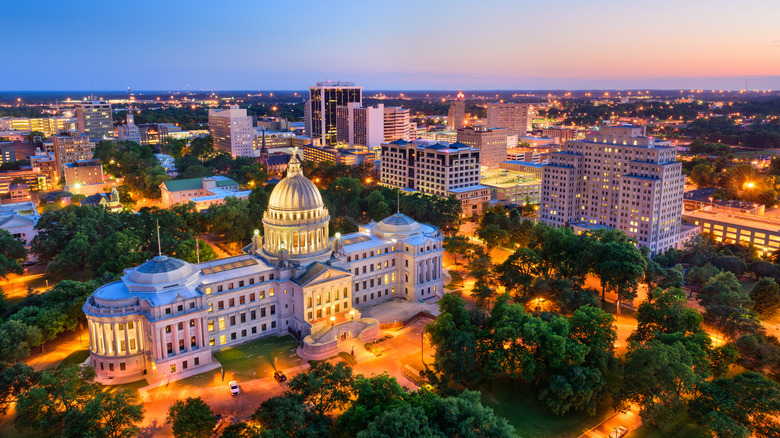
Mississippi has the unenviable position of being the state with the lowest Social Security benefits. In 2026, qualifying seniors can expect to receive about $1,911.66 per month on average. This means that fixed-income retirees have to make do with $22,939.92 annually. Mississippians may be receiving fewer benefits on average than their counterparts across the U.S., but residents of the Magnolia State also enjoy a much lower cost of living. In fact, Mississippi offers the second-most-affordable living expenses in the country, only beaten out by Oklahoma. Overall, residents tend to spend 14% less than the U.S. norm. Utilities and transportation costs stick around the state average, with 89.4 and 88.3 indexes, respectively. On the other hand, Mississippi's groceries are an outlier in terms of affordability, yet still offer a 4.5% break from the nationwide averages. Housing is the real area of affordability, giving Mississippians a nearly 29% discount.
Despite boasting a cost of living far below the national average, a staggering 15.8% of the senior population in Mississippi falls below the poverty line. This alarming statistic further underscores the insufficiency of the Magnolia State's extremely low Social Security benefits. The average monthly rent for an apartment with one bedroom is about $950, which represents annual accommodation costs of $11,400. The typical Mississippian sees personal healthcare expenses of $9,394 per year. Adding these routine and unavoidable costs together nearly comprises the average retiree's full Social Security payout in the Magnolia State. Tragically for retirees in the state, Mississippi has routinely ranked as the state with the lowest average Social Security payments.