

The 13 Worst Places For A Retiree With No Savings

Retirees with very little or no savings can have their lifestyle extremely disrupted by housing costs, healthcare, utilities, groceries, taxes, and even climate change after they leave the workforce. While there are ways you can get by without significant savings, where you choose to spend your retirement years can strongly influence that possibility. For example, there are cities in the U.S. where retirees can live on Social Security alone, and if you're a more adventurous soul, you may find several great places to retire outside of the U.S. that are much easier on your bank account.
According to an April 2024 AARP survey, around 20% of Americans aged 50 and older have absolutely no savings for their retirement, while 61% said they had concerns over their ability to support themselves in retirement. Notably, one of the key findings of the Department of Housing and Urban Development's (HUD) 2024 Homelessness Assessment Report found that around 20% of people who experienced houselessness for at least one night in 2024 were between 55 and 64 years old. While that experience might not be in the immediate future for every retiree without savings, opting to live in any of these areas could make the notion of comfortable retirement especially far-fetched.
Ridge, New York

Retiring in New York can cost you no matter where in the state you live, but GoBankingRates' analysis of Zillow, Census Bureau, and Tax Foundation data found that retirement costs in Ridge, New York, are particularly high. As of September 2025, homes in Ridge are valued at $561,406. Seeing as the Federal Reserve Bank of St. Louis reports the average sales price of homes in the U.S. is $512,800, housing in Ridge costs well above the national average. Homeowners take even more of a hit during tax season, as GoBankingRates reports property taxes in the area are 1.26% — considerably higher than the national average rate of 0.86% reported by Realtor.com. Renting in the area isn't much more affordable, as Zillow places the average rent in Ridge at over $800 more than the national average of $1,995.
According to Move.org's analysis of data provided by the Economic Policy Institute (EPI), the U.S. Department of Agriculture, and the Bureau of Labor Statistics (BLS), the average cost of groceries in the U.S. is $370 per month per person. Meanwhile, the EPI itself reports that a month's worth of food for a single person costs almost $400 in the Ridge area. Factoring in all these day-to-day living expenses, it seems unlikely that anyone in the 34.5% of the Ridge population that's retirement age is getting by without some degree of retirement savings.
Charleston, South Carolina
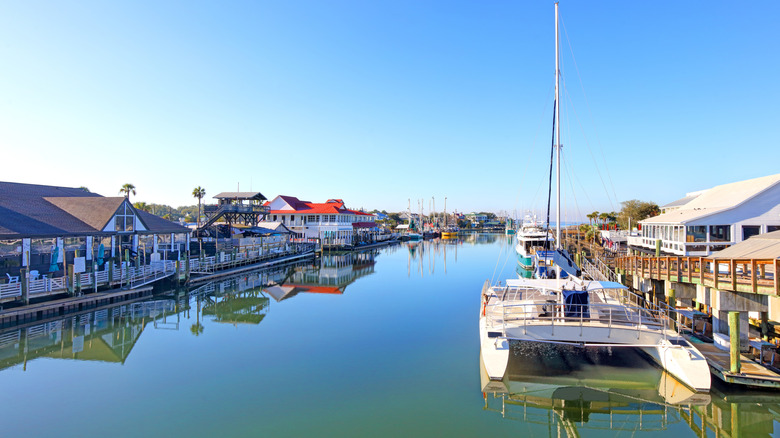
In Charleston, South Carolina, Zillow reports the average rent for a one-bedroom apartment will cost $2,750 per month, almost $800 higher than the national average. Similarly, Redfin reports the median sale price of a Charleston home is $640,000, dwarfing much of the rest of the country's pricing by comparison.
Meanwhile, Numbeo estimates Charleston residents pay anywhere from $240 to $640 to cover basic utilities, phone bills, and WiFi, which is well supported by RubyHome's report that South Carolina's average utility bill was $564 per month in 2025. So, before factoring in food, healthcare, entertainment, or transportation, a retiree's monthly expenses could already reach well over $3,000. That figure easily approaches $36,000 per year, and seeing as the Census Bureau reported that the median income of U.S. citizens between the age of 65 and over was $56,680 in 2024, living in Charleston could easily burn through a sizable chunk of a retirees income every year. In fact, the EPI estimates living in Charleston could cost almost exactly that amount, roughly $56,128 per year, after factoring in expenses like transportation and healthcare. So, while living in the beachfront town may seem like a relaxing way to live out your golden years, those without a nest egg might wind up in financial distress.
Boston, Massachusetts
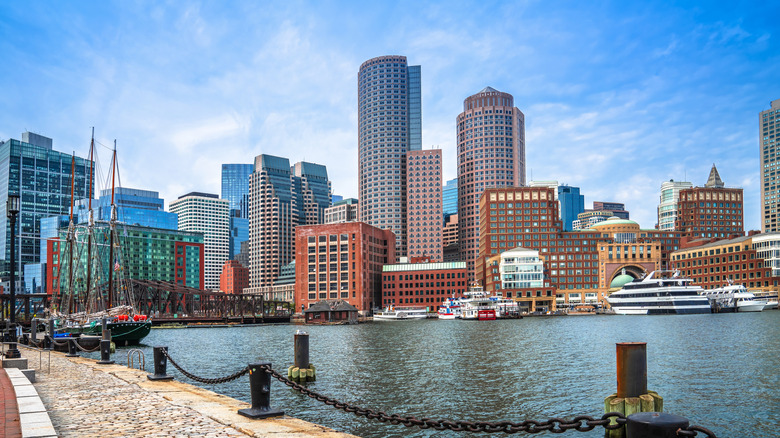
Boston, Massachusetts, may be another location to avoid if you lack retirement savings, largely thanks to housing costs. According to Zillow, the average home in Boston costs $760,717 as of January 2026, easily $200,000 over the national average. As per Numbeo, the average rent for a one-bedroom apartment in Boston is $3,429.71, nearly double the national average. In total, Numbeo places the annual income required to live comfortably in Boston at over $6,600 per month, or almost $80,000 per year. Meanwhile, the BLS reports that the average Boston resident spent $13,515 on food alone in both 2023 and 2024, while reporting that the nation's average annual food expenditure in 2024 was over $3,000 lower.
According to the Massachusetts Health Policy Commission, state healthcare costs have risen by 5.2% per year since 2019, which isn't helped by the fact that the state's health insurance premiums are ranked the second highest in the country. According to eHealth, an individual living in Massachusetts spends just over $721 per month on a health insurance plan on average. While already expensive, aging can impact those costs tremendously: A ValuePenguin study of data from the Center for Medicare & Medicaid Services and various states' healthcare marketplaces found that the average cost of coverage for Americans 64 years of age and over carries a 2026 estimate of $1,766 per month.
Seattle, Washington

According to Payscale, the total cost of living in Seattle, Washington, is 43% higher than the national average. That's bolstered by grocery bills 10% higher than the rest of the country's, healthcare expenses 24% higher than the national average, and transportation costs 32% above standard. The housing situation isn't any more attractive, with Zillow reporting the average home sells for $832,857. While the average rent in the area isn't as outlandish, sitting at $2,068 as of January 2026, all the other factors informing the cost of living certainly don't make the Emerald City an ideal retirement destination for those without savings.
Although Washington is one of several states without an income tax, you would be mistaken in thinking that a tax break makes Seattle affordable. For one thing, if you have no retirement savings, getting a tax break on a pension or other retirement income like an IRA or 401(k) isn't going to matter all that much to you. Additionally, depending on how the age you retire impacts your Social Security income, you may not find yourself in a position to make the most of living in Seattle. The Social Security Administration (SSA) reports the average monthly Social Security check is just $2,071 as of January 2026. That amount would hardly cover the city's most basic living expenses, let alone leave room to enjoy Seattle's many attractions.
Burr Ridge, Illinois

For a retiree with savings, states that exempt Social Security income, such as Illinois, may be an attractive destination. However, those without savings are likely to struggle — especially in a place like Burr Ridge. According to GoBankingRates, homes in Burr Ridge cost an average of $905,478. On top of those high prices, Illinois residents pay some of the highest property tax rates in the U.S., at 1.87%. Meanwhile, renters may also struggle to get by in Burr Ridge, as Zillow reports the average monthly rent in the area is a staggering $3,100 per month.
Healthcare is another costly expense here. The BLS reports that Americans spent an average of $6,197 on healthcare in 2024, while GoBankingRates estimates that treatment in Burr Ridge could easily run you over $7,500 per year. Since many tend to spend more on healthcare as they get older, and the cost of certain medical expenses is rising faster than inflation, medical expenditures could get out of hand quickly no matter where you live. While Burr Ridge's senior concentration makes up over 35% of the town's population, it's unlikely that much of that community is scraping by on meager savings given the high financial barrier for entry.
Sonoma, California

According to GoBankingRates, the average value of a home in Sonoma, California, is $1.02 million — roughly double the national average of $512,800. Meanwhile, Zillow reports the average rent is a burdensome $3,275 per month, or $39,300 per year. That's a year-over-year increase of $875, pushing what was already a very costly expense to over 64% more than the national average. Aside from the upfront cost of homeownership, the disastrous effects of climate change could make getting approved for a mortgage in California more difficult in the coming years.
While securing housing in Sonoma might be especially challenging, California is one of the most expensive places in the U.S. in general. Getting by without some degree of a financial safety net would be nearly impossible, especially considering GoBankingRates estimates annual healthcare costs in Sonoma are nearly $3,000 higher than the national average. You won't get any tax breaks in Sonoma, either, since California taxes all retirement income with the exception of Social Security. In 2025, California's income tax rates ranged from 1% to 12.3% depending on the resident's income, while Sonoma's sales tax rate sits at a high 10.25% as of January 2026. Paying high local sales taxes is one of the biggest moving regrets retirees experience, and this added expense could prove a serious issue for those without the savings to accommodate it.
Honolulu, Hawaii

There are a number of reasons retirees regret moving to Hawaii, and most of them are related to high costs. According to Payscale, the cost of living in Honolulu, the state's capital, is a jaw-dropping 82% higher than the national average. Payscale estimates utilities alone cost double the national average, with monthly expenses like energy and phone bills averaging out to over $800 per month on the island.
Transportation costs in Hawaii are especially complex to plan around. Payscale reports gas in Hawaii costs an average of $4.37 per gallon, while Edmunds reports gas tanks in the U.S. tend to hold between 12 and 16 gallons. Assuming a Honolulu resident fills their tank twice a month, as Reviews.com suggests many Americans do, gas alone comes out to over $104 per month on the lower end. Even groceries in Honolulu sell for 33% above the national standard, which means cutting corners by eating at home won't be an especially effective money-saving strategy, either. All of that, however, pales in comparison to housing costs that are nearly 200% higher than the national average, leading to a median home price of just under $1.6 million.
San Francisco, California

SmartAsset estimates that the average single resident would need to earn $121,930 per year to live comfortably in San Francisco, California, which would explain why the median household income there is $126,730. Right off the bat, that makes the notion of living in the city with nothing but a fixed income to support you seem largely implausible for many retirees.
As one of 11 cities with the fastest-growing wealthy populations, the cost of living in San Francisco is 62% higher than the national average according to Payscale. The largest expense is housing, which is 153% higher than the national average with a median home price of over $1.3 million. Renting in the area won't offer you much relief, as Zillow reports the average rent in San Francisco is over $3,600 per month as of January 2026 — a nearly $400 increase from the previous year. Throw in a utility bill 53% above the national average, with electricity and phone bills costing around $331 and $299 per month, respectively, and day-to-day living in the Bay Area gets pricey fast. While the city's sales tax is slightly lower than Sonoma's at a rate of 8.63%, retirees will still have to contend with California's considerable income taxes as well.
Walnut Creek, California
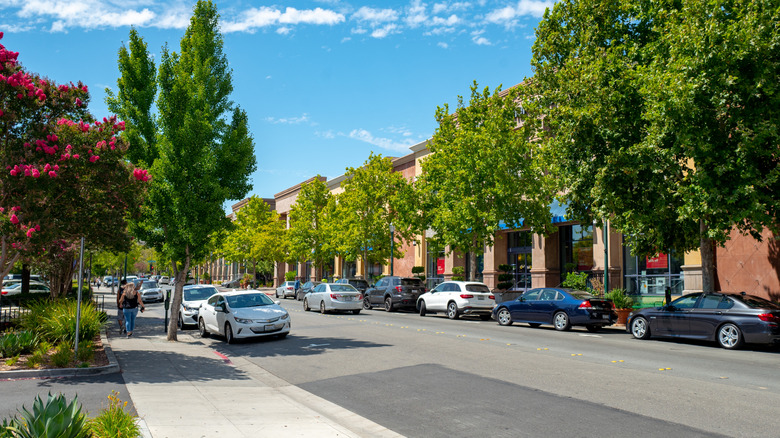
If you haven't picked up on how unaffordable California is for many retirees yet, the cost of living in Walnut Creek might just drive the point home. According to GoBankingRates, healthcare in Walnut Creek comes at a concerning premium: Medical services in the area are estimated to make up over $9,700 of a retiree's annual budget. That's a roughly $3,500 jump from what the BLS reports the country's average consumer paid in 2024, potentially adding almost $300 to a retiree's monthly expenses. This doesn't take into consideration the typical upward trajectory of healthcare expenses as you age, which could result in you paying thousands more with each passing year you spend in Walnut Creek.
Buying a home will also be costly. The average home value is $1.38 million, over double the average price of a home in the U.S. While Zillow reports that Walnut Creek's rental prices are a bit more reasonable compared to other California towns at a monthly average price of $2,650, that's still a pretty inaccessible figure to those who aren't working and don't have a substantial amount saved to support themselves. As serene as this Northern California city may seem, the fact that it's located in a state with some of the highest gas prices in the country and relatively high taxes adds even more financial obstacles that would likely require years of preparation to overcome.
Ocean City, New Jersey

Ocean City, New Jersey, is another place to avoid if you lack retirement funds. Although New Jersey doesn't tax Social Security benefits, its residents' pension and retirement accounts can be taxed at least partially. Additionally, GoBankingRates reports the average value of homes in Ocean City is $1.43 million. With fairly high property taxes of 1.77%, even if you could afford to purchase a house, you'll continue to pay a hefty sum to the state on top of any potential mortgage or interest rates.
Some of the most expensive retirement communities in America are located in New Jersey, and aPlaceforMom reports the average monthly cost of living in one in Ocean City is a staggering $5,582 per month. Seeing as the national average monthly price for independent living in the U.S. is $4,176, living out your golden years in Ocean City could cost almost $17,000 per year more than settling down in a more affordable area. Even renting a place outside of a retirement community would be a pretty hefty expense, as Zillow reports the average monthly rent in Ocean City is $3,250. Healthcare is also costly in the area, with GoBankingRates estimating an annual cost for retirees of $7,818 per year.
San Mateo, California
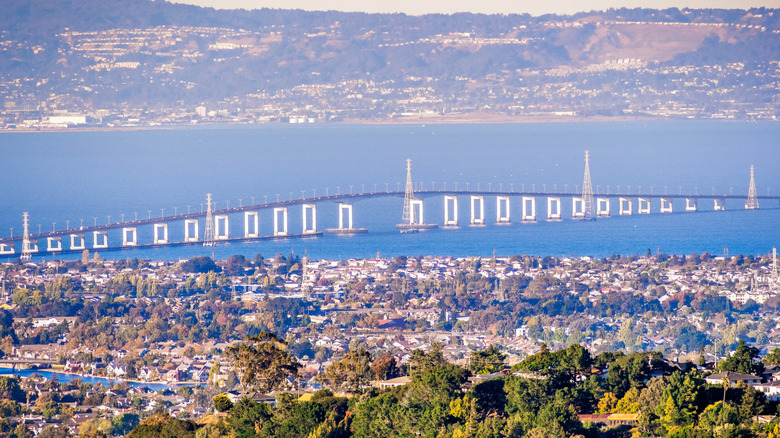
Living in San Mateo, California, according to Priority One Logistics, carries a cost 150% higher than the U.S. average. The median price of a home there will set you back $1.4 million, nearly triple the average cost of a house in the U.S. Renting a place in the area is just as debilitating financially, with Zillow reporting the town's rent averages out to $3,200.
Payscale reports that groceries cost 17% more in San Mateo than elsewhere in the country, while healthcare costs soar to over 27% more than the national average. According to Bestplaces, an individual retiree attempting to live comfortably in San Mateo would need to have $10,433 per month in available cash, an amount equating to almost 119% more than the national standard. Meanwhile, a senior couple living in San Mateo would require a monthly household income of $22,020 per month, or $264,240 per year. For comparison, the SSA reports the most someone can earn from Social Security benefits in 2026 is $5,181 per month, assuming they retired at the maximum retirement age of 70. That's just $62,172 per year, leaving a virtually insurmountable gap between a retiree's potential monthly earnings and San Mateo's cost of living.
Newport Beach, California
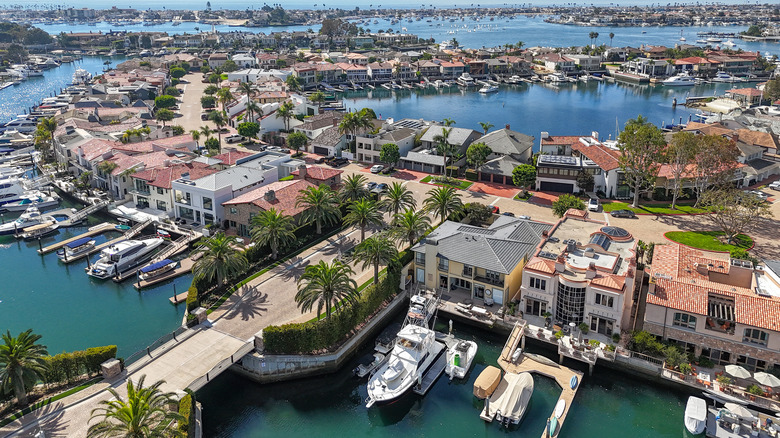
According to Redfin, the median sale price of a home in Newport Beach, California, is $3.36 million, representing housing prices 684% above the national average. It gets worse or better depending on the type of home you purchase, with townhomes averaging around $2.06 million. However, even that sizable drop isn't likely to make much of a difference to a retiree on a fixed income. Renting for an average of $3,108 per month is another option, although that's not a particularly affordable alternative.
According to a report from The Collegian, the average grocery bill in the area is also pretty high, with a family of four spending anywhere from $1,000 to $1,500 on groceries. If we divide that by four for an individual, that would look more like $250 to $375 per month. While utilities are apparently on par with the national average, the cost of gas ranges between $5.50 to $6.00 per gallon. Compared to AAA's report that the average cost of gas per gallon in the U.S. as of January 14, 2026 is $2.84, that drastic increase in price could prove a nasty shock for new residents. A sales tax of 7.75% won't make buying anything much easier, either, whether you have solid savings or not.
Paradise Valley, Arizona

According to GoBankingRates, the average home value in Paradise Valley, Arizona, is just over $3.28 million. While there are a number of reasons retirees regret moving to Arizona, prices like this ensure finding affordable housing will be one of the greatest financial challenges for area retirees. Paradise Value is another location where renting won't save you much, either, as Apartments.com reports the average rent for an apartment is $2,434 per month. While that is already over $400 per month higher than the national average, renting a townhome comes at a cost of $4,684 per month, and the average rent for a house is a substantial $12,307 per month.
Healthcare costs in the area come at an average of $7,424 per year, per GoBankingRates, which is roughly $1,300 higher than the national average. While popular, this desert state will require you to have at least $1 million to retire there, which suggests retirees with no savings should avoid Arizona as a whole if possible. A recent proposal to lower Paradise Valley's maximum number of assisted living residents per facility should also give a retiree pause, as this shift would further limit the potential for housing in the area.