

Why Louisiana's Insurance Law Could Hurt Homeowners The Most
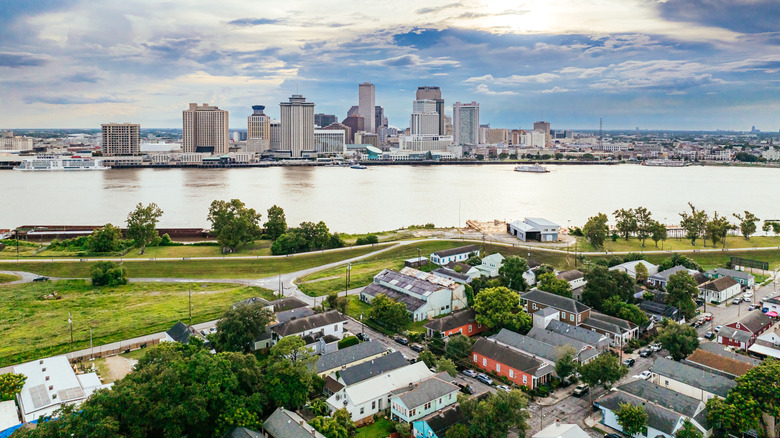
Louisiana has been suffering from a home insurance crisis that kicked into high gear post-Hurricane Ida. This August 2021 storm caused an estimated $84.6 billion in damage, making it the sixth most expensive hurricane since 2000, according to NOAA's National Centers for Environmental Information. This triggered a domino effect in which 12 insurance companies went bankrupt, which was made even worse when increased coverage costs for flood insurance from the National Flood Insurance Program led to 70,000 policy cancellations in the state between 2022 and 2024, according to New Orleans Public Radio.
In response to these insurance challenges, Louisiana passed House Bill 611 in 2024, which became effective as of January 1, 2025. As part of the bill, the state's three-year rule was repealed. This rule previously protected consumers by blocking insurance companies from dropping policyholders as long as they had been customers for three years. In addition to this, the bill now allows insurance companies to drop up to 5% of policyholders annually in each of the state's 64 parishes, with greater percentages of dropped policies allowed as long as they are approved by the state's insurance commissioner. Worst of all, no new policies contain any protective clauses, meaning this bill could easily lead to another home insurance crisis in the future — harming even more homeowners.
Delving into reasons for Louisiana's home insurance crisis
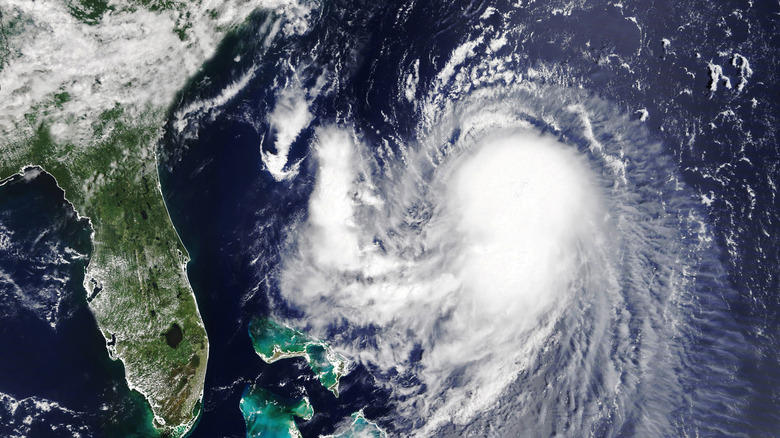
In 2005, Hurricane Katrina caused an incredible $125 billion in damages (comparable to $226 billion in 2025 dollars), causing legislators to create the three-year rule to protect homeowners from getting their insurance policies canceled in the wake of a disaster. However, during 2020 and 2021, four major hurricanes hit Louisiana, including Hurricane Ida and, despite the three-year rule, many consumers still lost their home insurance coverage. This forced many to instead get a policy with what Consumer Reports calls the worst homeowners insurance company: government-run Citizens Property Insurance Corporation.
Intended as an option of last resort, the goal of Citizens is to get homeowners back on private insurance. As a result, it was mandated to have 10% higher prices than private insurance companies as a way to encourage consumers to seek out private policies. However, as policy providers went bankrupt, dropped customers, or even left the state, consumers were left with few choices. So, despite efforts, the amount of consumers needing Citizens' policies increased from 40,000 to 155,000 in 2022, with further led to the push for House Bill 611. In 2024, lawmakers suspended the mandatory 10% surcharge on Citizens premiums, but only for three years.
Has anything really changed for Louisiana homeowners?
Although critics of Louisiana's new law expected the number of people being dropped from their insurance company to be quite high, changes have not been as significant as expected. Only one insurance company filed cancellation paperwork for consumers who had previously been protected: Farmers Insurance affiliate, Foremost Insurance, which canceled fewer than 5% of these policies while raising rates on several thousands others. Meanwhile, more insurance companies are reportedly entering the Louisiana market, with multiple carriers filing for rate decreases.
However, in raw numbers, the number of people still holding a Citizens insurance policy has only dropped by 18,000 (or 13%) since peak numbers, according to Nola. This means that, since Hurricane Ida, people needing the insurance of last resort is still up by over 200%. Plus, insurance policy or not, none of this accounts for the primary reason behind these costly storms: climate change, which is an increasing reason why people hesitate to buy homes in certain flood prone areas like New Orleans and other cities in Louisiana. So, while legislation might help with certain human-made insurance problems, it's difficult to say how effective these policies will be in the wake of even more costly storms.