

11 Wyoming Towns With The Lowest Cost Of Living
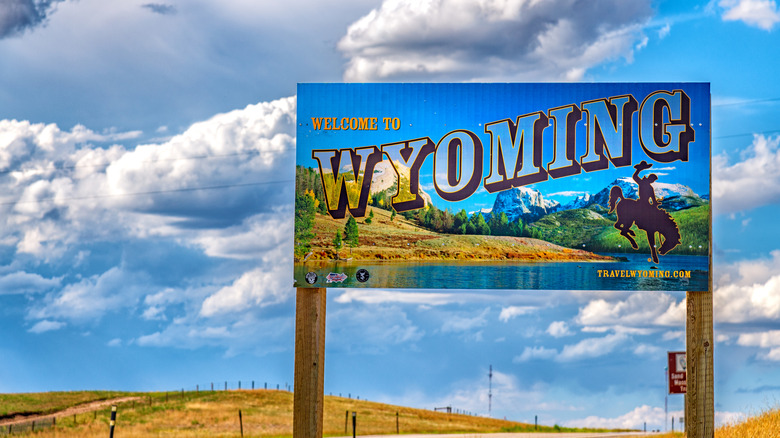
When it comes to affordable places to call home, the state of Wyoming has plenty of towns with low costs of living compared to other spots across the United States. Part of the reason is because the Equality State has no corporate or personal state income tax and generally low energy costs, according to the Wyoming Economic Development Association, which can be attractive attributes to everyone from remote workers and entrepreneurs to younger families and high-earners. Something retirees seem to love about the state is the fact that Wyoming does not tax Social Security income or withdrawals from retirement accounts, according to SmartAsset. Those living on fixed incomes who have public or private pensions also won't have those distributions taxed — something that not every state can boast.
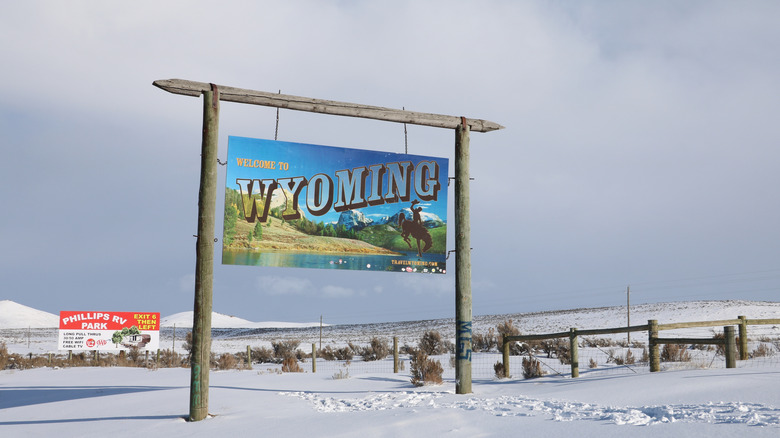
The least-populated state in the U.S., Wyoming is also known for its abundance of raw natural beauty — hello Yellowstone National Park — with some of America's most popular scenic attractions and wildlife situated within its borders. So whether you are looking for your next big sky adventure or just want to see how much a life in the rugged west could potentially cost, these Wyoming towns maintain a low cost of living compared to other communities across America.
Rawlins
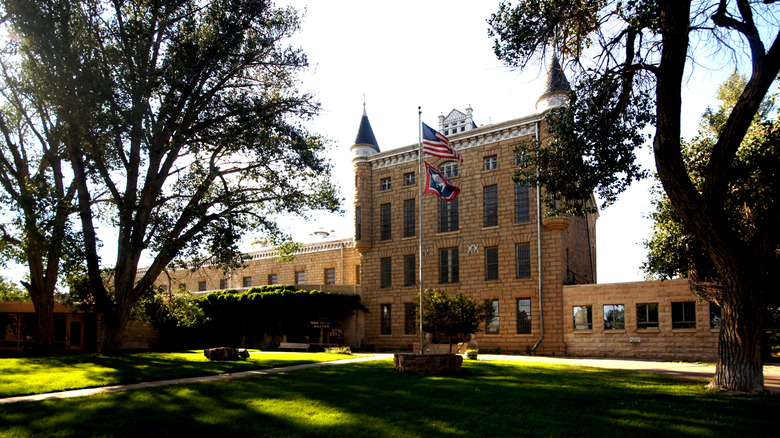
With a population of just over 8,000, Rawlins ranks as one of the cheapest places to live in Wyoming, its cost of living almost 13% below the national average, according to Houzeo. Plus, Rawlins also offers relatively low home values and modest rents. According to Best Places, the average home costs $188,400 in Rawlins, which is nearly 45% less expensive than the national average of $338,100 and almost 42% less expensive than the average Wyoming home, at $324,500. For those looking to rent an apartment instead of buying a home or condo, the price to rent a two-bedroom unit in Rawlins generally costs about $910 per month, which is 36.4% less expensive than the national average of $1,430, notes Best Places.
When it comes to paying for groceries and healthcare, affordability is more of a mixed bag, with groceries costing on average about the same as other states and health insurance premiums being some of the most expensive in the U.S. because of a lack of providers and the need to go out-of-state for care, according to SoFi. In other words, what you save on the housing front, you may have to pay for in insurance premiums, deductibles, and other out-of-pocket expenses not covered by private health insurance or plans found on the exchange.
Torrington
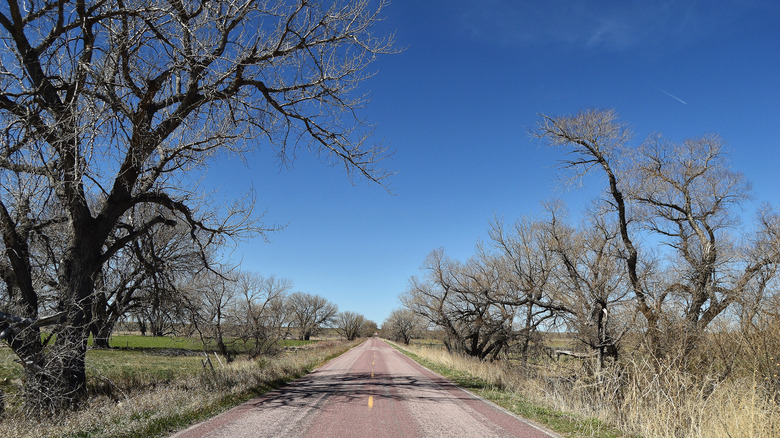
Torrington is another Wyoming spot that is known for low-cost living on most fronts, with housing and many other expenses more than 12% below the U.S. average, according to Houzeo. With a population of about 6,100, housing data from Best Places shows that the average cost of a home is just under $200,000 in Torrington, which is about 41% less expensive than the national average of $338,100. For those who would rather rent an apartment than own a home or condo, paying monthly or leasing a two-bedroom unit in Torrington typically costs about $850 per month, which is more than 40% less expensive than the national average, according to Best Places.
Like so many other communities and towns across Wyoming, healthcare expenses can cost much more than what residents of more populated cities pay because of the lack of healthcare providers within driving distance. The state's largest provider of health insurance, BlueCross BlueShield of Wyoming, recently told the Jackson Hole News & Guide, that most residents would see an increase of 25% in premiums in 2026 — which is about 5% more than residents of other states with similar plans will pay. Fun fact: Admission is free at the Goshen County Homesteaders Museum in Torrington that features an array of historical artifacts, information, and genealogic resources dating back to 1834, according to the City of Torrington.
Riverton

Located in central Wyoming, just under 11,000 people call Riverton home, according to census data, with costs related to housing, energy, and food being below national averages. According to Livability.com, the median income for residents of Riverton is $55,623, with the median home value priced at $204,995. Because it's a median price, that means half of all homes would be priced higher and the other half would be priced lower. Median property taxes are $2,263, notes Livability, with a total cost of living.
Home to Central Wyoming College and Central Wyoming Regional Airport, the city boasts affordable rental prices for those not looking to invest in the current real estate market. Zillow reports that the average rent in Riverton was about $1,017 in November, 2025, which was strikingly lower than the national average rent of $1,925 for the same time period. It's also worth noting that the apartment rental market is tight in the area, with only about a dozen rental units listed on national real estate sites in December. Livability reported that the median monthly rent was just under $700.
Rock Springs
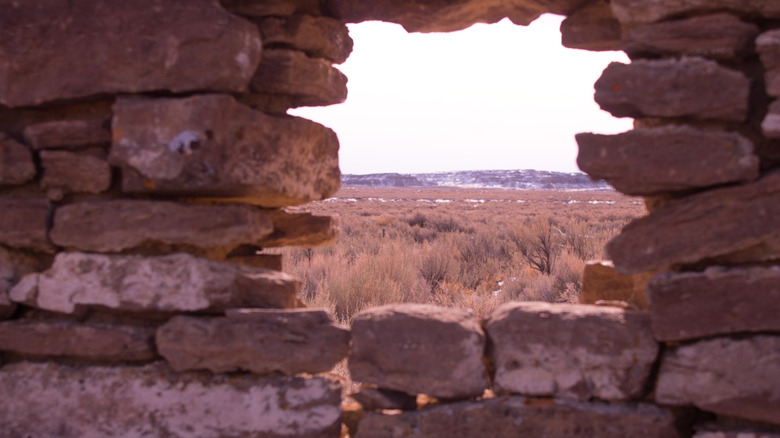
Rock Springs is gaining a reputation as one of the most affordable places to settle down in Wyoming and has even been noted as having the cheapest ZIP code (82901) in the state, with below-average housing costs and relatively low property taxes, according to Clever Real Estate. Based on a cost of living calculator developed by the Economic Research Institute (ERI), Rock Springs is about 21% less expensive than the national average and some 9% cheaper to live in than other similar cities in Wyoming. The methodology used to develop this calculation assumes that a family of four earned about $72,000 in annual salary and compensation and lived in a two-bedroom apartment, notes the ERI. Interestingly, food costs in Rock Springs are often less affordable than average food prices in other U.S. cities, though transportations costs, such as gasoline or diesel, are more affordable, according to the ERI.
The largest city in Sweetwater County, Rock Springs is situated in southwestern Wyoming at the heart of an energy-rich region home to natural gas and oil wells. Some 23,500 residents live in the area that ranks as Wyoming's fifth-largest city, notes ERI. Western Wyoming Community College provides jobs and educational opportunities, while Wyoming's Big Show, an annual celebration featuring a carnival and live concerts at the Sweetwater County Events Complex offers entertainment to residents and guests alike.
Green River
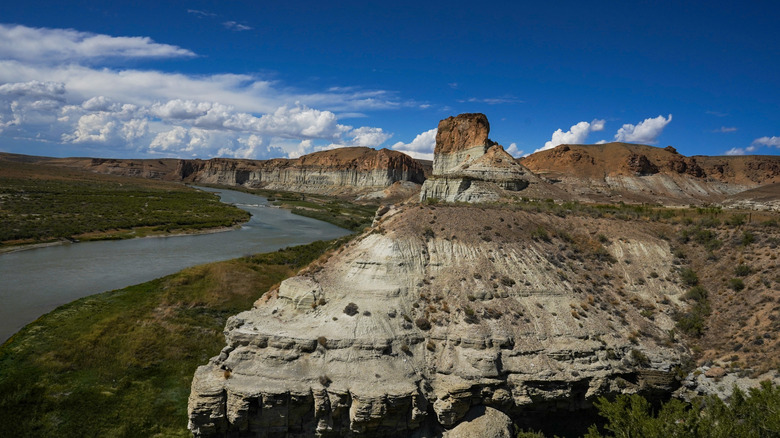
Green River, near Rock Springs, is another Wyoming city known for its affordability, with home prices and rents below national norms and the current cost of living lower than many areas. In recent years, Green River had a population of nearly 12,000 people with a median household income of $85,399, according to Data USA. Between 2022 and 2023, the city's median household income grew from $83,497 to $85,399, a 2.28% increase. As of December 2025, the average rent in Green River was under $600 — coming in at $582 per month, a figure that's about 64% lower than the national average rent, making rentals more affordable than most cities in the U.S., according to Apartments.com. Those who rent an apartment in Green River can expect to shell out about $582 per month for a one-bedroom unit, and in the neighborhood of $695 for a two-bedroom apartment or condo, depending on its location and other amenities, notes Apartments.com.
The median list price for a home in Green River, WY was $291,951 in late 2025, per Zillow data. Despite this seemingly affordable cost of homes, Green River is currently considered to be a seller's market, which means there were more people looking to buy real estate than there were available homes to purchase.
Evanston
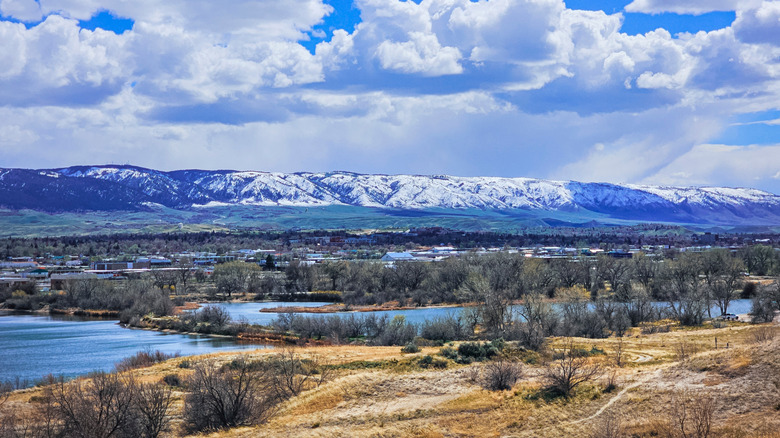
Surrounded by mountains, Evanston lies near the Utah border and is gaining a reputation as a low-cost town with prices for housing and healthcare below the national average and median home prices near the lower end of the Wyoming market. The Economic Research Institute puts the cost of living about 18% below the national average. Evanston boasts a current median home price of about $200,000 — which is roughly $275,000 less than the state average. Homes here sell for an average of $133 per square foot, while the median household income is $70,825, notes Redfin. Home to some 11,800 residents, the area offers options for both renters and homebuyers.
Situated in the southwestern corner of the state, the community is known for its small-town feel. The Economic Research Institute data puts Evanston 5% cheaper to live in than an average town in Wyoming for a family of four who brings in $72,000 and lives in a two-bedroom apartment. As with other Wyoming cities, the cost of food continues to rise in Evanston and is currently less affordable than averages in other U.S. cities, according to the ERI, though the data shows that transportations costs in Evanston are more affordable than other areas of the United States. Residents and visitors can enjoy an array of outdoor amenities in Evanston including the Bear River Greenway and Bear River State Park, a 324-acre preserve known for its wildlife, open plains and majestic views.
Casper
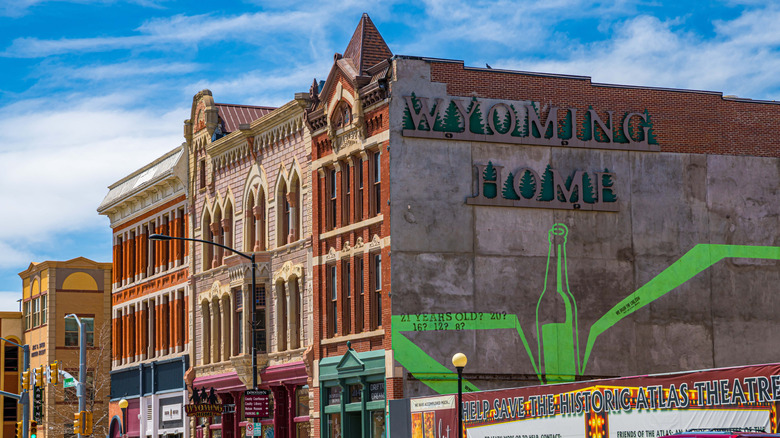
One of the larger cities in the state, Casper is gaining attention as more affordable than other similar U.S. communities, with relatively low housing costs. The median home value is about $301,000 while rents average $1,200 per month, according to Zillow, making it the eighth-most affordable rental market in the state, according to Clever Real Estate (CRE). And when it comes to how much residents pay for electricity, CRE reports that residents are charged 0.1448320754 per kilowatt of electricity, making it the 18th-cheapest energy market. Plus, the median property tax for households is $1,560, which makes it the sixth-cheapest market in Wyoming.
When it comes to groceries purchased in Casper, they cost about 1% less than the national average, according to Rent Cafe, noting that transportation costs are 12% cheaper in Casper than the national average. A gallon of gas there costs an average of $2.74 per gallon, while the national average is $3.15, notes Redfin.
Cheyenne
Cheyenne, Wyoming's capital city, offers relatively low housing costs for families and individuals compared with income and is flagged in some national studies as a very affordable rental market, with renters spending about 16% of income on rent, one of the best ratios in the U.S., according to a WalletHub report. Cheyenne's rent, notes WalletHub, is the 30th-cheapest in the nation, and with a median income ranked as the 76th-highest in the U.S., it potentially makes for a lower than most rent-to-income ratio for residents.
Cheyenne's housing expenses are 1% lower than the national average with utility prices 5% lower than the national average. Transportation expenses such as gasoline prices and bus fares come in at 4% lower than the national average, according to Payscale. Grocery prices in Cheyenne are about 2% higher than the national average, with healthcare prices such as a doctor's visit coming in at 2% higher than the national average, according to published reports.
Laramie
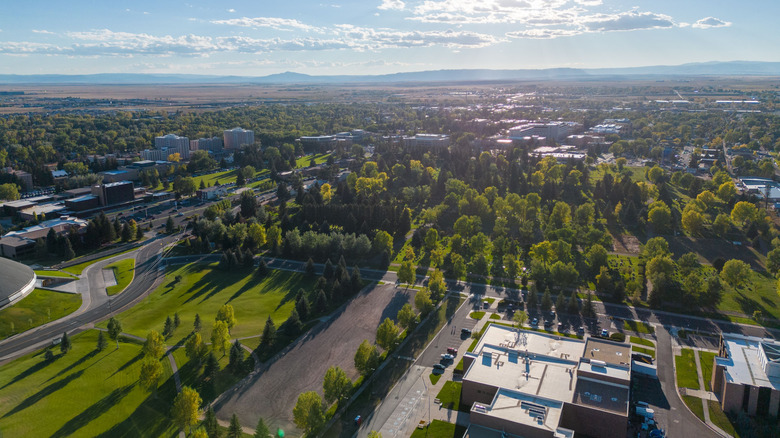
Laramie, a university town, has a reputation as a budget-friendly spot with a median home value around $366,000, per Zillow data, and low overall taxes. It's becoming more well-known for affordability among Rocky Mountain college towns. Home to the University of Wyoming, Laramie offers the vibe of a historic college community with a close proximity to outdoor activities such as skiing, hiking, and spectacular scenic drives for those who consider road trips to be part of life's great adventure.
For those looking to rent, the average cost of an apartment is currently $1,633 in Laramie, according to Rent Cafe, which is surprisingly lower than the national average of $1,925 in the U.S. The cost of living in Laramie is reported to be 7.2% lower than the national average per data from Apartments.com. Residents generally pay 5.2% less for utilities, 1.5% less for groceries, and almost 9% less for transportation. According to Forbes, healthcare costs in Laramie are about 6% less than the national average.
Gillette
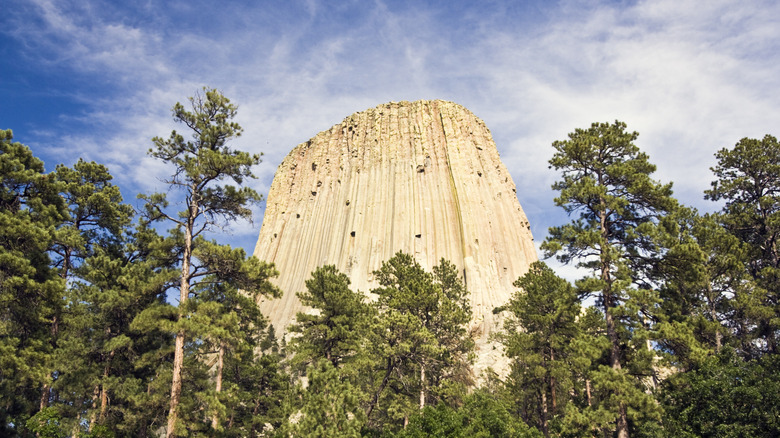
When it comes to the most affordable places to live in Wyoming, Gillette is gaining a reputation for its median home prices and rent costs, among other factors. With a population of 33,846, the estimated median household income of Gillette residents is about $90,699, according to Data USA. Located in the northeastern portion of the state, the most common jobs in the area are construction and extraction occupations, office and administrative support roles, plus careers in sales. For those interested in the rental market, Zillow reports the current average rent is $1,307 in Gillette, making Gillette's rate about 35% lower than the national average.
Based on a cost-of-living calculations compiled by the Economic Research Institute, Gillette is 16% less expensive than the national average and 3% cheaper to live in than an average city in Wyoming for a family of four who brings in $72,000 per year and live in a two bedroom apartment. Interestingly, food costs are less affordable in Gillette than the average in the U.S. Like some other Wyoming towns, healthcare costs in Gillette are more expensive than the U.S. average, per data compiled by ERI, due to its remote location. America's first national monument — the striking rock formation known as Devil's Tower — is just a 64-mile drive from Gillette. There are also bison herds to observe and a coal mine to tour in the greater Gillette area.
Douglas
Located in east-central Wyoming, Douglas is a small town that's becoming known for its affordable cost of living, with housing prices below the state average and typical living expenses tracking under national norms. For example, rental costs in Douglas remain well below the national average, according to Zillow, with the average rent across all property groups coming in at $722 per month, more than 56% lower than the national average of approximately $2,000. Two-bedroom apartments also average $630 a month, while three-bedroom units rent for about $813, per Zillow. Rents in Douglas have decreased in the past year though availability remains limited, with less than half a dozen rental properties on the market in December 2025. Redfin reports that the Douglas housing market is in a competitive phase with the median sales price of a home coming in at $258,000 in November 2025, which is up 47% since 2024.
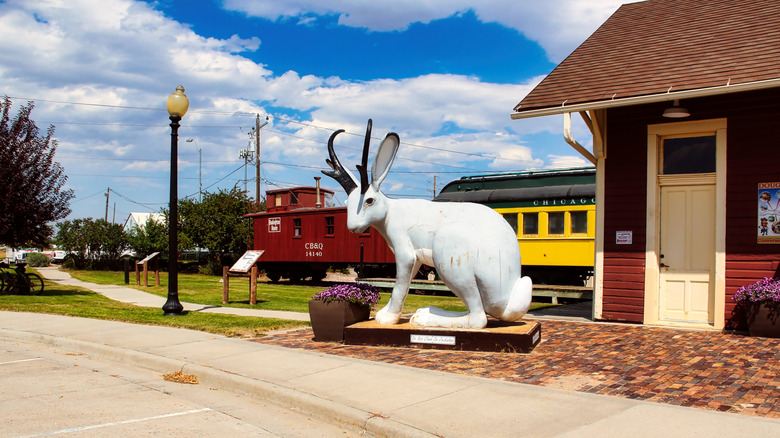
Known as the Home of the mythical Jackalope, according to Oil City News, residents and visitors of Douglas eagerly await Jackalope Days, a favorite summer tradition marked by live music, dog races, vendor attractions, a car show, and more.