

The California Law That Will Soon Cut Costs For New Renters
All states have habitability requirements landlords must follow to provide tenants with reasonable living conditions. In California, these have included mandatory access to heat, electricity, running water, and plumbing. Now, starting on January 1, 2026, renters in the Golden State will be entitled to a landlord-provided stove and refrigerator, both in good working order, thanks to the recent passage of Assembly Bill 628. Per the new law, the appliances must safely generate heat for cooking and chill food items for safe storage. Sponsored by Assemblyperson Tina McKinnor (D-Inglewood), the bill was signed into law by Governor Gavin Newsom, and it applies to both new and amended leases. When a landlord receives a manufacturer recall notice, they must repair or replace the appliance within 30 days. The new regulations will cut costs for renters, adding to the list of reasons that renters are winning (at least in California).
As far as costs for the landlord, Home Guide listed average December prices for basic refrigerators nationwide at $200-$600 and mid-range ones of $600-$2,300. Stoves came in at $530-$600 for basic models and $600-$1,300 for mid-range ones. Renters can provide their own refrigerator if they'd like, as long as the landlord agrees to it in the lease, but they can't provide their own stoves. If the landlord and tenant agree that the renter will bring their own fridge, the lease must explicitly inform the renter of the requirement to keep the appliance in working order. If the tenant decides to stop providing their own refrigerator, the landlord has 30 days to supply one.
A deeper look at the impact of the new California law
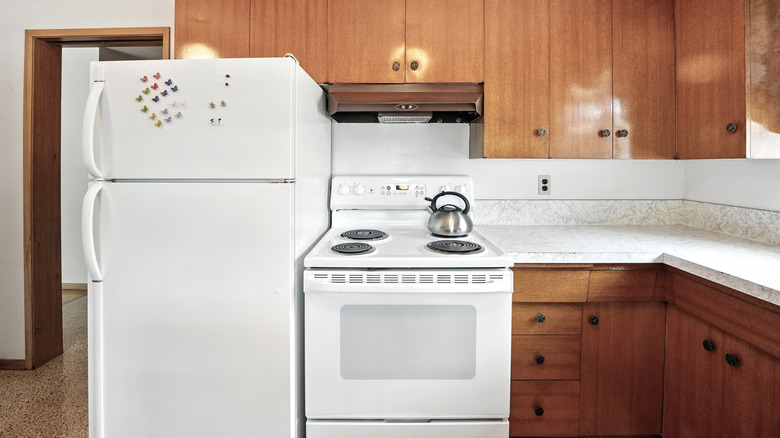
Initially, the language in AB 628 required the landlord-supplied refrigerator and stove to be replaced once every 10 years, even if they are still in working order. After being challenged by the California Apartment Association, this language was removed from the bill that ultimately passed.
While the bill will allow renters to save on the purchase of refrigerators and stoves, questions exist about whether landlords could raise rent prices to account for the new expenses they must shoulder. Any rent hikes tied to the bill's passage could make it difficult for some renters, especially since California is home to some of the most expensive cities in terms of rent. The average monthly rents in the state, per Apartments.com, are as follows: $1,869 for a studio; $2,208 for one bedroom; $2,626 for two bedrooms; and $3,290 or more for three bedrooms. The new law could push these prices higher as landlords try to offset the appliance costs; that said, any price hikes would be limited because California has some of the strictest rent control policies.
According to California's Tenant Protection Act, raises in rent can happen twice per year. Landlords can raise rates on qualifying units annually by 5% plus the boost in the consumer price index in the region, or 10% of the lowest rent they charged during the prior year. The standard allowed annual rent increase gets established each year on August 1. Cities and counties, however, can create their own rent control policies, which could provide a lower cap.