

You'll Pay The Highest Sales Tax In These 10 U.S. States

Sales tax is an afterthought for most shoppers due to its ubiquity across the United States. The Tax Foundation indicates that 45 states levy sales tax on various goods and services, highlighting the prevalence of this retail surcharge. While it might not immediately be on the mind of the average American, this sneaky tax provides windfall revenue for governments. In fact, research estimates that nearly one-third of total state tax inflows derive from sales tax. Many people don't realize local governments are tacking on their own sales taxes, too. These regional premiums provide 13% of tax revenue for these local authorities, according to Tax Foundation data.
The sales tax landscape varies greatly throughout the country, with some states applying serious surcharges and others opting out of the tax altogether. In reality, you don't have to pay state sales tax in Alaska, Delaware, Montana, New Hampshire, and Oregon. Keep in mind, the financial break in these states sometimes only pertains to the state-level premium. For example, Alaska permits local governments to apply a sales tax, and even Montana has carveouts for resort taxes.
The analysis by the Tax Foundation found that the countrywide average sales tax clocks in at an eye-watering 7.52%. When excluding those that don't impose a statewide retail tax, this average spikes to 7.72%. Whether you're planning a cross-country vacation or looking for one of the cheapest states in the U.S. to retire, understanding the dynamic layout of America's sales tax rates can help you avoid surprise costs and protect your budget. After all, you can't really avoid sales taxes since they're applied to nearly every product and service you purchase, which is the whole point from the perspective of the government — and you'll be hit hardest in these states.
Louisiana
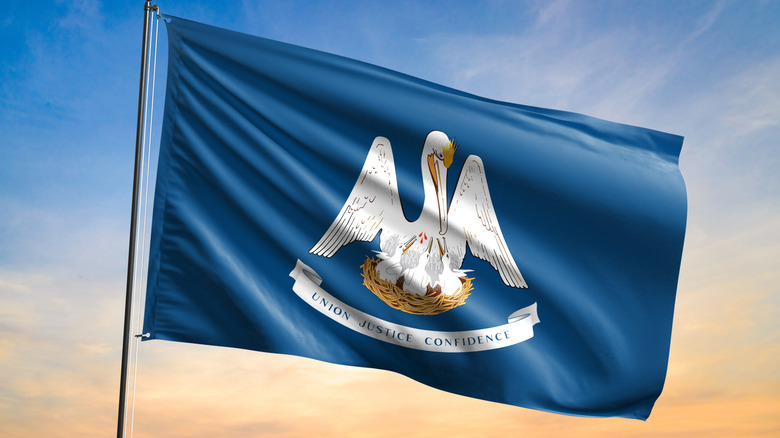
Louisiana routinely ranks as the worst state for retirement, with affordability among the main detractors. This cost-of-living crisis cuts disproportionately deep in this southern state as nearly 19% of the population falls below the poverty line, according to Invest in Louisiana. Despite these financial challenges, the state government applies a staggering flat retail tax of 5%. Alone, that might not seem egregious, but the average local sales tax spikes to 5.11%. As you'll see, a handful of other states have regional retail premiums overshadowing the statewide duties. This double-whammy is crushing the affordability of Louisiana. Local sales tax rates vary widely, with some set at zero and others topping out at 7%.
Overall, Louisiana's combined sales tax leads the nation at 10.11%, per the Tax Foundation. For context, the total state and local sales tax in Louisiana was 9.52% at the beginning of 2020 and 8.91% in the early stages of 2015. That's more than a percentage-point increase in only a decade, suggesting the problem isn't getting better. In total, the Pelican State brings in $5,497 per person, meaning that's how much the average Louisiana resident spends on sales tax annually. The Louisiana government doesn't offer many exemptions from its levels of sales tax, as most were wiped out or temporarily halted in 1986. However, consumers get a break on prescription drugs, utilities, and groceries.
Tennessee

Tennessee's latest tourism boom might surprise you, especially after realizing how much visitors are paying in sales tax. Residents of the Volunteer State bear the true brunt of the state's high combined sales tax of 9.61%, the second highest in the U.S. according to the Tax Foundation. The average regional checkout charge is only around 2.61%, which is relatively moderate compared to the rest of the nation. Furthermore, there's not too much volatility within these regional premiums, as the highest local sales tax is 2.75%. It's the statewide sales tax rate of 7% that hikes the overall burden faced by residents and visitors alike. Tennessee levies the second-highest sales tax in the country, falling only behind California.
Tennessee officials might want to flaunt the government's lack of a personal income tax, but this unusually high retail surcharge eats away at some of those potential savings. Historical data indicates that Tennessee has always suffered from elevated sales taxes, as combined rates stood at 9.53% in early 2020 and 9.45% in early 2015. Whether they're aware of it or not, the average Tennesseean contributes $4,731 annually to local and state governments via these sales taxes. Fortunately, residents can find some relief from these prohibitive sales taxes in some exempted products, including some healthcare-related equipment, prescription drugs, and items intended for resale. Groceries are still taxed, but at a lower rate than the state standard.
Arkansas
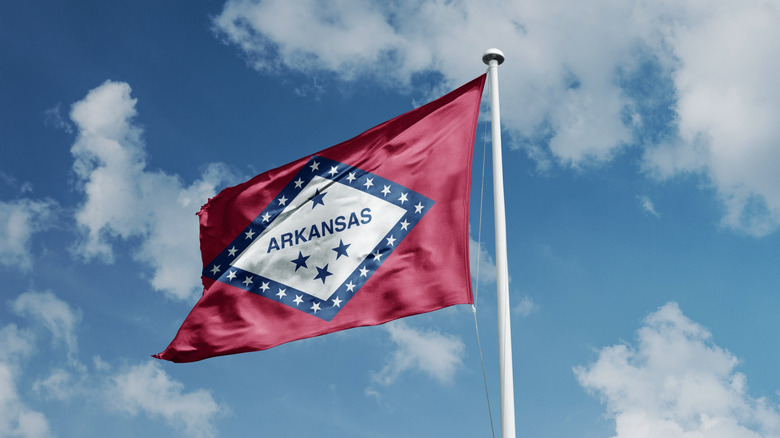
Arkansas is widely regarded as the least expensive U.S. state, yet far from one of the best places to live. Its immoderate sales tax contradicts the perceived affordability while reinforcing the off-putting nature of the state. Arkansas' base sales tax rate of 6.5% is the 9th highest in the nation, already heavily burdensome to residents. When you tack on the average regional retail premium of 2.98%, the combined sales tax rate of Arkansas spikes to the third-highest in the nation at 9.48%. That means virtually every purchase made within the state for a product or service comes with a nearly 10% add-on charge. This steep surcharge is nothing new for residents, with the Tax Foundation putting the combined sales tax sitting at 9.47% in early 2020 and 9.26% in early 2015.
Stunningly, the average resident contributes $5,289 every year to local and state governments through this hidden tax. At least the Natural State manages that revenue well, only falling 33rd among the states with the highest debt burdens, according to the Reason Foundation. At the end of 2023, the state held $12 billion worth of debt, decently low compared to the rest of the country. The Arkansas government offers some exceptions for specific buyers, such as official government bodies, resellers, and specific nonprofits.
Washington
Washington recently surpassed California as the state with the highest gas prices, but that's not where the state's affordability issues stop. The Evergreen State inhabits the fourth position among the states with the highest sales taxes, with a combined rate of 9.47%, only 1% from being tied for the third spot, per the Tax Foundation. Washington has held this fourth-place position for years, maintaining a 9.23% retail tax in mid-2020. Nearly a decade ago, in 2015, residents paid 8.9% in combined sales taxes. Today, the base rate is 6.5% — tied for the 9th highest in the country — and the average regional rate is 2.97%. These local rates top out at 4.10%.
The Evergreen State sees sales tax receipts of $7,431 per capita annually. That means the average Washingtonian dedicates nearly $7,500 of their hard-earned dollars to the state's various levels of government. This exceptionally high per-capita sales tax revenue is mirrored by fiscally irresponsible debt management. In 2023, the Washington government reported $93.37 billion worth of debt, the 8th highest in the nation, per the Reason Foundation. The Evergreen State does apply some exclusions to certain products, giving residents a break from the sky-high sales taxes. Namely, medical expenses, farm purchases, interstate sales, credits, and deferrals are generally exempted.
Alabama
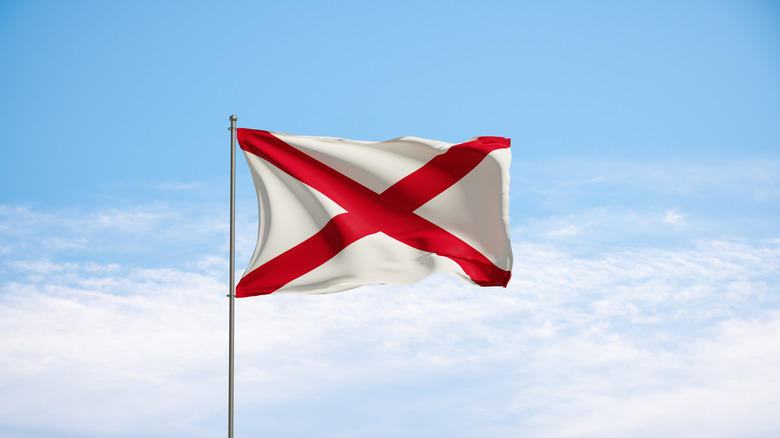
The minimum salary you need in Alabama to be "upper middle class" is relatively low, and the state is known for its low cost of living. The state government places a maximum income tax of 5%, fairly competitive for the U.S. Yet, Alabamians are still paying far above the national average at the checkout counter. At first glance, the base rate sales tax in the Yellowhammer State doesn't seem too burdensome, reaching only 4%. Alone, that's a relatively moderate premium, but it's the local surcharges that send the state's effective sales tax rate soaring. The average local sales tax is 5.44%, per the Tax Foundation, nearly 1.5% higher than the state-level sales tax.
Overall, Alabama residents face a steep 9.44% combined sales tax on most goods and services. This rate has remained largely unchanged since early 2020 and remains within the top five-highest in the nation. At the beginning of 2015, the total sales tax was 8.91%. It's estimated that the average Alabamian spends $4,722 every year on state and local retail taxes. Unlike other states that offer some relief for certain organizations, Alabama levies its sales tax against virtually all nonprofit, civic, and charitable entities. The state even applies a 2% sales tax on groceries, a sensitive category many other states exempt, given its centrality to daily life.
Oklahoma
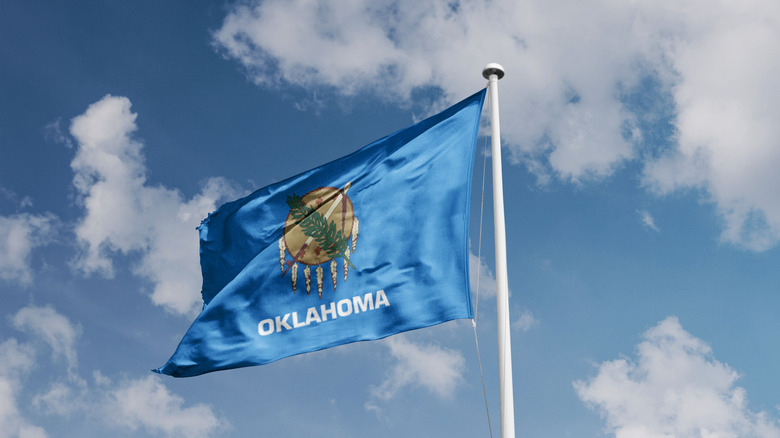
Don't be fooled by Oklahoma's wide-open landscapes and remoteness. The state still applies one of the country's highest retail taxes. At the store and online, residents are required to hand over an additional 9.05% on average when combining state and local sales taxes, the 6th highest combined sales tax in the nation per the Tax Foundation. The state only places a base rate of 4.5%, placing it 37th in the nation. However, regional governments often apply a much higher premium on top. The average local sales tax stands at 4.55%, although it spikes to 7% in some extreme cases. For the past decade, residents of Oklahoma have been subject to this inflated obligation. At the beginning of 2020, the state's combined retail tax was 8.94%. Looking all the way back to early 2015, the rate still held at an elevated 8.77%.
The real-life implications of these taxes can be seen in the government's revenues. Every year, the state rakes in $5,038 per person in retail charges alone. This hidden financial load feels disproportionately heavy in Oklahoma — one of the three states with the lowest median salaries in the entire country. Residents have a median salary of $51,676, which means nearly 10% of their income is siphoned off by the state and local governments' high sales tax. Oklahoma offers a break through various exemptions, including for school transportation, goods intended for resale, certain forms of advertising, agricultural products, residential utilities, prescription drugs, and specific medical devices.
California
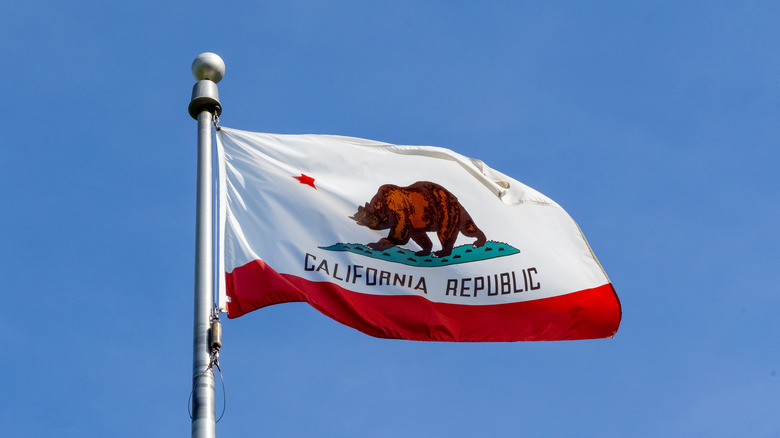
Very few people will be surprised to see California on the list of the states with the highest sales taxes, but many may have expected the Golden State to occupy a higher ranking. You would be right if we were looking at state retail taxes in isolation. California's 7.25% state sales tax is indeed the highest in the country. However, consumers are spared by the relatively tame regional premiums. The average local sales tax rate is just 1.73%, although it can jump to 5.25% at its peak. This results in a combined sales tax rate of 8.98%, per the Tax Foundation. By now, Californians are used to their above-average retail obligations. Way back in 2015, the Golden State's combined sales tax still reached 8.44%.
Even with a comparatively low checkout charge compared to these other states, the California government collects much more money per capita. The Golden State receives about $10,319 per person from its sales tax scheme. That financial pain is even more acute when you consider the higher cost of living in the state where $100 only has $87.42 of purchasing power. As is common among other sales-tax-heavy states, California exempts crucial goods, such as prescription drugs and groceries for personal consumption.
Illinois
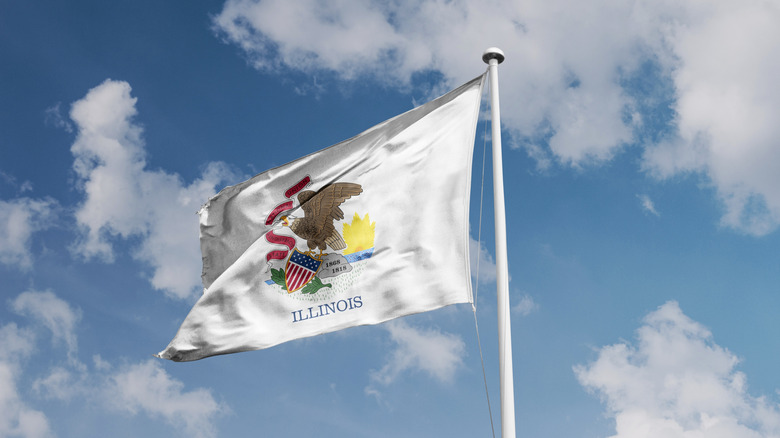
Illinois has a well-earned reputation as a high-tax state. To be sure, the Land of Lincoln has one of the highest property tax rates in the country. This tax-affinity firmly cemented Illinois among the top 10 states with the most crushing retail taxes, too. Residents are slapped with a combined rate of 8.92% for nearly all products and services. The state government applies a generalized flat rate of 6.25%, but many localities levy their own charges. At their peak, these local rates hit 4.75%, but they average out at 2.67%. Illinoisans haven't seen their total sales taxes dip below 8% for more than a decade, per the Tax Foundation.
In total, the average resident hands the government $8,148 through these retail surcharges. For perspective, the median income is $81,702, meaning the government sucks out almost 10% of a resident's income. Illinois holds the unenviable status as the sole state in the country to levy sales tax on prescription drugs, usually a protected category. The silver lining is that medications are taxed at a significantly reduced rate of 1%, much lower than the state's standard sales tax rate.
Kansas
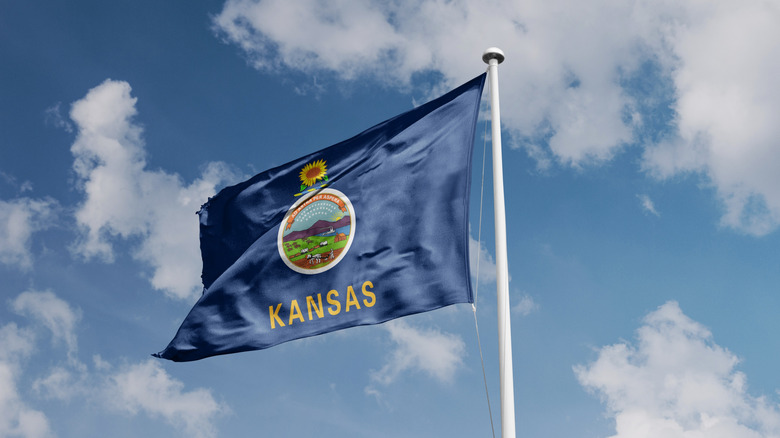
Kansas could be another surprising state with one of the nation's highest sales taxes. The Sunflower State's base premium of 6.5% is the 9th highest in the U.S., per the Tax Foundation, albeit tied with various other states with identical tax rates. Regional governments sneak another few percentage points on top, putting the effective sales tax rate much higher. The average local checkout charge is 2.28%, but it can spike to 4.25% in some areas. Overall, Kansas residents are looking at an extra 8.78% tacked onto most of their bills. With all these extra equations, Kansas still maintains its position as the state with the 9th-highest sales tax in the country. For context, Jayhawkers saw a combined sales tax rate of 8.68% in early 2020 and 8.20% in early 2015. Moves of less than a percentage point might not seem like a lot, but they add up over time.
For instance, the average Kansan will spend $6,326 on local and state retail taxes every year. Consider that the median household income in the state is only $72,639, below the national median, according to Income by Zip Code. The Kansas government outlines specific organizations that are exempt from sales taxes, including various nonprofits, some parent-teacher organizations, noncommercial radio or television stations, primary and secondary schools, nonprofit hospitals, and government entities. Only a few years ago, there was a sales tax applied to food, but recent legislation made these goods exempt as of January 1, 2025.
New York

There are many retirement secrets you should know if you live in New York, but the state's high sales tax rate often falls under the radar. The Empire State isn't known for its affordability, and you can see why every time you check out of the store. The state's base retail tax rate of 4% is reasonable in isolation. In fact, it's among the lowest 10 in the nation. Still, the exceedingly high local taxes are where the problem lies. The average regional sales tax is a budget-breaking 4.54%. The silver lining is that New Yorkers don't experience much fluctuation in regional surcharges, as the peak is only 4.875%. Overall, these regional add-ons spike New York's combined sales tax rate to 8.54% per the Tax Foundation.
It's the lowest on this list, but still higher than 40 other U.S. states. Residents have seen little relief over the years, as the premium has held strong at 8.52% in early 2020. At the beginning of 2015, the combined sales tax rate was still a wallet-pinching 8.48%. Despite occupying the bottom of these rankings, the Empire State collects the most sales tax per capita of any of the others. The Tax Foundation data found that New Yorkers pay a whopping $12,685 on average annually in retail surcharges. Luckily for residents and visitors, New York does offer some generous exemptions for various items, including medical items, food stamps, and foods intended for home consumption.