

The Unexpected Cost Of Apples In The 1970s Vs. Today

When reading your morning (or evening!) news feed, headline topics often include inflation-related stories. Fifty years ago, the same topic dominated television news channels and newspaper articles. Known as the ominous "Great Inflation," this period between 1965 to 1982 saw soaring prices. While the late 1950s through 1964 experienced small inflation rates of about 1%, levels increased to 14%-plus in 1980.
Examining both eras, Business Insider published a cost comparison of food items, taking a closer look at prices in 1975 and 2025. What the analysis found with a popular produce item was unexpected. Apples cost $0.34 per pound in 1975, but when adjusted for inflation, would cost $2.07 in 2025. However, actual pricing in 2025 for Red Delicious apples is approximately $1.26 per pound, making this crunchy fruit more cost-effective today than it was 50 years ago.
So why do apples cost less than you might expect, even when accounting for inflation? NPR reported in November 2024 that there has been a decreased interest in apples both from food processors and consumers. In a normal year, 3% of U.S.-grown apples — about 350 million pounds — go to waste, unsold. In West Virginia that year, a whopping 50% of the crop still on trees didn't have buyers. That's because companies that use apples for their products had a surplus of the fruit from the previous year. While apple yields have increased, consumption hasn't — which has caused prices to go down by 13% for consumers.
How domestic apple production reduces tariff impact
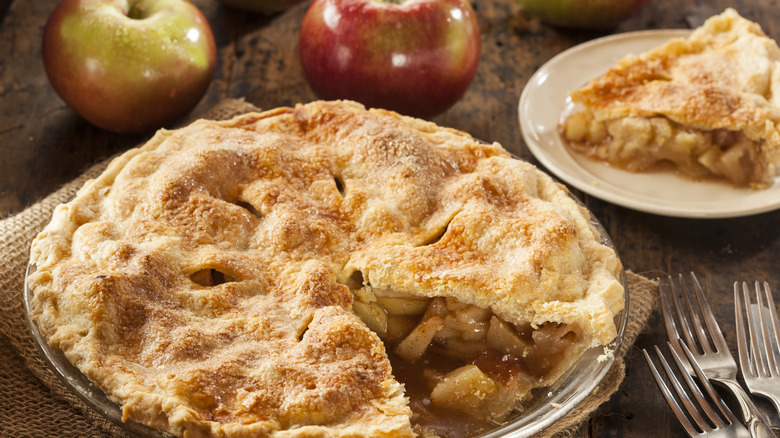
Although many grocery items have increased in price, apples serve as a bargain today because of a drop in demand. Here's another reason prices have stayed low. According to the national trade association, USApple, fresh apple imports declined by 15% from 2023-2024. When apples come from U.S. growers, they aren't impacted by Trump's tariffs that are affecting family budgets today. In fact, the United States is the third-largest apple producer, growing 4.6% of the world's apples. The top five domestic varieties are Gala (17% of U.S. production), Red Delicious (12.3%), Granny Smith (10%), Honeycrisp (9.8%), and Fuji (9.4%).
To get the freshest apples available (and potentially reduce transportation costs), it helps to live in one of the states growing most of America's 260-million-bushel annual supply; in order, they are: Washington, New York, Michigan, Pennsylvania, California, Virginia, and Oregon. To get more flavor for your buck, choose the most flavorful apples like Gala or Granny Smith. If baking apple pies, tarts, and crumbles on a budget, price compare other ingredients (you might be surprised how cheap Costco butter is). Buying domestic apples seasonally can help to cut costs as well.