

The Richest Suburbs Of Chicago Might Make You Pause

Like most people, when you think of the richest places in the U.S., you may not immediately think of Chicago. In a July 2025 YouGov survey of people who have visited each of America's 50 biggest cities, Chicago ranked seventh from last place in their opinions. However, Chicago's suburbs are home to some of the wealthiest, and as it turns out, safest neighborhoods in the U.S. In fact, the number one safest and richest neighborhood in the nation, as per GoBankingRates, is Chicago suburb Western Springs. Homes in these suburbs should give you pause if you don't earn the sort of income that places you in the upper class.
The things that attract the moneyed classes to these neighborhoods move beyond just the prestige that comes from the signifiers of wealth. Aside from the beautiful properties and safety, comes access to the state's best private schools, access to country club lifestyle, relative serenity, upscale community activities like farmers' markets and art fairs, as well as a higher standard of private and public transportation infrastructure for easier transit.
Naperville

According to Payscale, with housing in Naperville being 129% higher than the national average, transportation being 7% higher, and groceries coming in at 4% higher than the U.S. average, a total cost of living that's 36% above the national average should be unsurprising. Healthcare costs 10% more than the U.S. average in this Illinois suburb, which only compounds the cost of living when considering what the average American spends on healthcare. According to GoBankingRates, a mean household income of $192,516 helps pay for the cost of living, which happens to be $71,529 per year. With the average home value in the range of $645,120, it's not difficult to imagine that most of that will go into that home. As per Zillow Rentals, you'll get a little more relief from the cost of living as a renter, but it will still cost you an average $2,450 per month. By comparison, according to RentCafe, the national average rent as of November 2025 is $1,743 per month.
Much of the reason for living in this neighborhood revolves around great schools, an active downtown scene, and immediate access to the I-88 highway for trips into Chi-town.
Lake Bluff
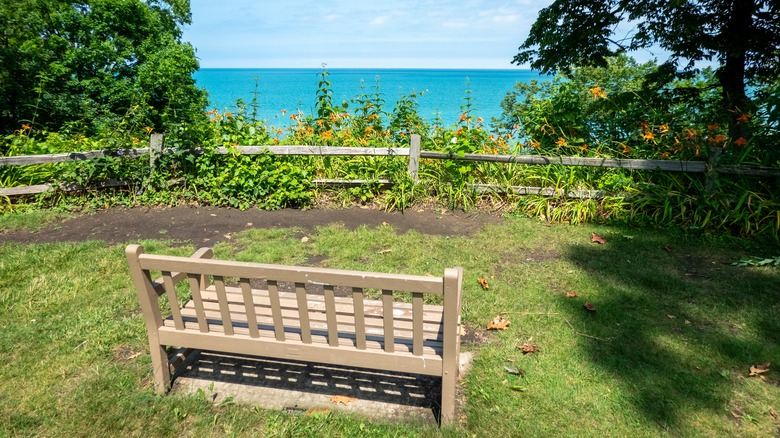
As per Fulton Grace Realty, the median price of homes in Lake Bluff is $600,000, although it wouldn't be shocking to find properties closer to the waterfront climbing to $3 million. The attractiveness of beachfront living, historical architecture, and community events obviously convince residents the cost of living is worth it. According to Livability, the median home value, different from the price, is $683,171. The median monthly rent of $1,350 can be deceiving as, per Zillow Rentals, the average rent as of November 2025 is $2,000 per month. Remember, the median is essentially the half way point or value in a data set from lowest to highest value, while the average is the total after dividing the sum of all data points with the number of data values.
According to BestPlaces, a family of four would need to spend $10,860 per month, or $130,320 per year, to cover their costs of living. Meanwhile, an individual would pay $5,067 per month, or $60,800 per year. The median household income in Lake Bluff is $195,651 per year.
Libertyville
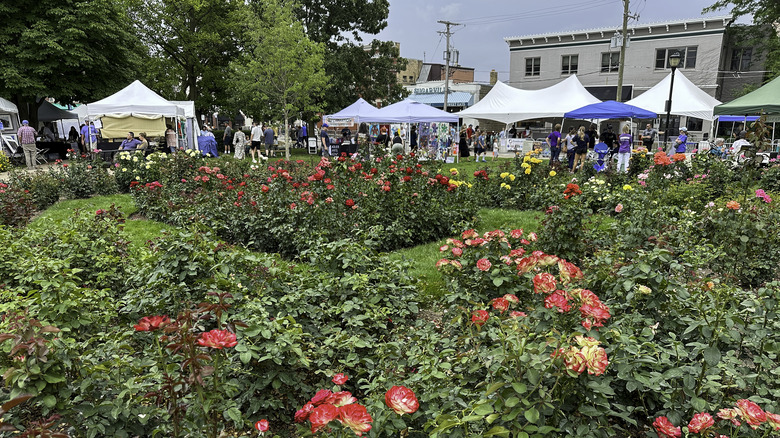
The average household in Libertyville, according to GoBankingRates, earns a mean income of $214,676 per year. They'll need it considering the average value of a single-family domicile in the Illinois suburb is $647,306. To put that into perspective, that's even higher than home values in the most expensive Zip Code in Chicago. As per Zillow, it's also significantly higher than the average home value in the U.S., which as of October 2025, is $360,727.
What you get for that is an almost nonexistent violent crime rate — the rate of violent crime per 1,000 residents is around .4% — and a total annual cost of living of $69,234. According to the Bureau of Labor Statistics (BLS) last recorded 2023 data, the average annual expenses for an American household is $77,280 per year, or $6,440 per month. While this indicates consumer expenditures around 10.4% lower than the U.S. average, it's still an unnecessary expense for a middle-class income, especially when there is a far more affordable Midwest city in Illinois to consider.
River Forest
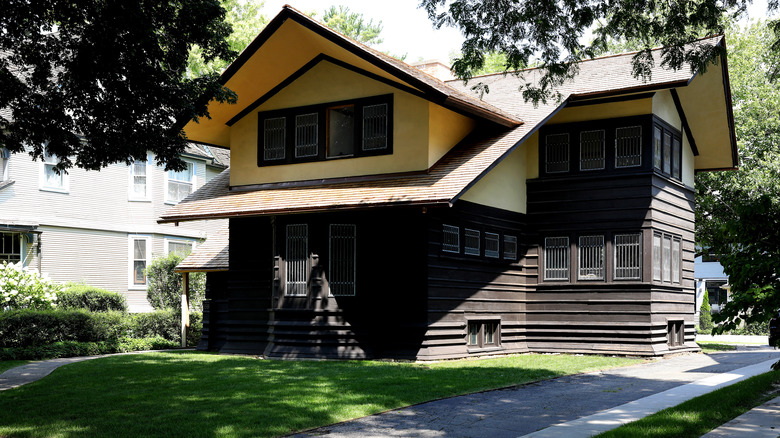
The median home price in River Forest, as per Fulton Grace Realty, is $700,000. However, homes priced at $1.5 million and above shouldn't be a surprise either. A mean household income, as per the River Forest website, of $206,744 makes sense for the area. With no less than eight private schools — as per the Education Data Initiative, the average cost of private school in Illinois is $8,639 for elementary and $13,923 for secondary school — parents had better earn at least that much.
According to BestPlaces, the cost of living in River Forest is 5.7% higher than the U.S average, and 12.8% higher than the state average. Financially, that would mean an expense for a family of four of $9,390 per month, or $112,680 per year. Amenities like public transit connected to the city, as well as close proximity to highways, are part of the selling factor. Natural beauty in the form of green space and architectural marvels designed by the likes of Frank Lloyd Wright only help the attraction of wealth to the community.
La Grange
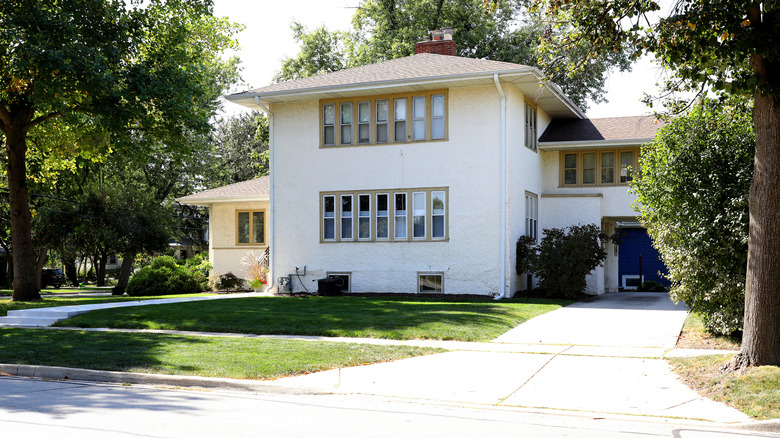
According to Payscale, in comparison to the rest of the U.S., the cost of living in La Grange is 33% higher than the national average. This is driven primarily by housing 133% higher than the U.S. average, followed by high transportation costs 7% above the national average, and a grocery bill that's an average 4% higher than other places. A median home price of around $1.2 million doesn't make renting any easier, with a median rent of $3,629 per month. There are places in the U.S. where renters are winning, but La Grange is decidedly not one of them.
As per GoBankingRates, the average home value is $705,658, and the mean household income is $210,646 per year. With a total cost of living of $75,553, at least living in La Grange comes with the benefit of relative safety. Where crime is concerned, violent crime is represented by a total of 1.6 incidents per 1,000 residents, while property crime is represented by 9.6 incidents per 1,000 residents.
Deerfield
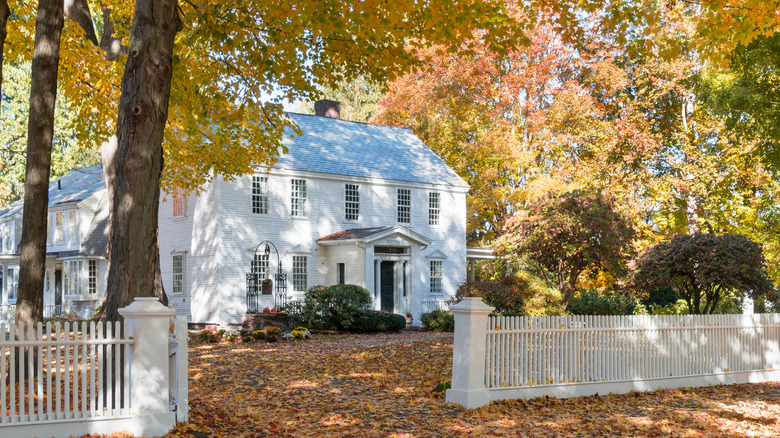
Deerfield's average home value, as per GoBankingRates, is approaching three-quarters of a million dollars at an average $712,853. Going back to data provided by Zillow, the average U.S. home value represents a roughly 49% discount to the value of homes in Deerfield, meaning home values there are almost double the national average. Unsurprisingly, the mean household income in the suburb is $246,543 per year. The national average wage index, as per the Social Security Administration (SSA), places the average wage in 2024 at $69,846.57. That's a big financial hill to climb, especially with the cost of living per year sitting at $74,156.
The total cost of living in Deerfield, driven by housing, food costs, and healthcare — healthcare alone costs 21% more than the national average — is higher than what most pay around the nation, with the cost of supporting a family of four hitting $5,888 per month, according to Salary.com.
Oak Brook
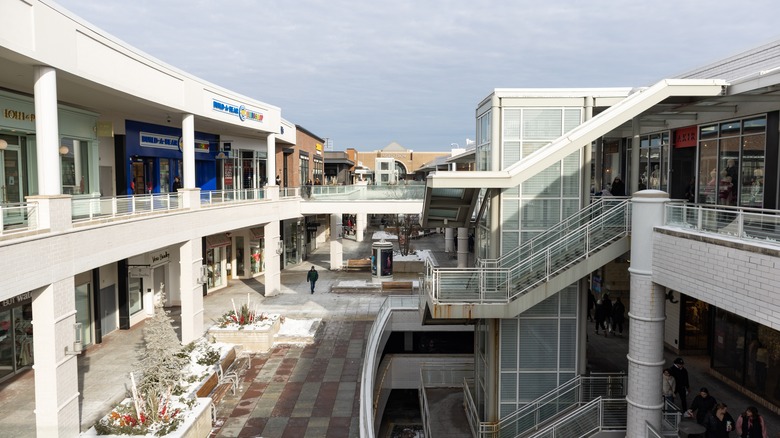
As per the Economic Research Institute (ERI), the cost of living in Oak Brook is 25% higher than the state average and 29% higher than the national average. The median home price of $867,900 isn't helped by a tax rate that is the fourth-highest in the U.S., with high sales and property taxes to boot. According to the Tax Foundation, Illinois' effective property tax rate in 2023 was 1.83%, which is even higher than New York, a state with the second-most-expensive suburb in the U.S., and New Jersey, a state with one of the most expensive retirement communities in America. According to the Oak Brook government website, in 2023, homes had an average assessed value of $1,723,820, a 2.9% increase from the previous year.
A median household income of $171,123 no doubt comes in handy here, with country clubs like Butterfield Country Club — including indoor golf simulators, multiple tennis and paddle courts, and of course, three nine-hole golf courses — and upscale shopping mall the OakBrook Center, where shopping for luxury brands like Breitling, Burberry, or Coach is just a normal part of the lifestyle.
South Barrington
According to Hello Nation, the median household values of homes hover between $840,000 to over $1.5 million in South Barrington, although, as per Fulton Grace Realty, the median price of a home in the city is $950,000. While the difference between median home values and median home prices at this level isn't going to make much difference to anyone earning less than the median individual income of $104,225, it's still important to recognize. With the median age of residents resting at about 49 years old, if you're in your 40s, you might feel tempted to see how your net worth compares to others in your age group. According to BestPlaces, an individual would need to spend $6,200 per month to afford living in South Barrington, while a family of four would require an astounding $14,340 per month.
The ability to get to the city relatively quickly, thanks to the suburb's proximity to major highways, is one perk afforded to residents who live here. The best of both worlds comes in the form of hiking trails out in nature, or indulging in a high end shopping experience at the Arboretum of South Barrington.
Wilmette
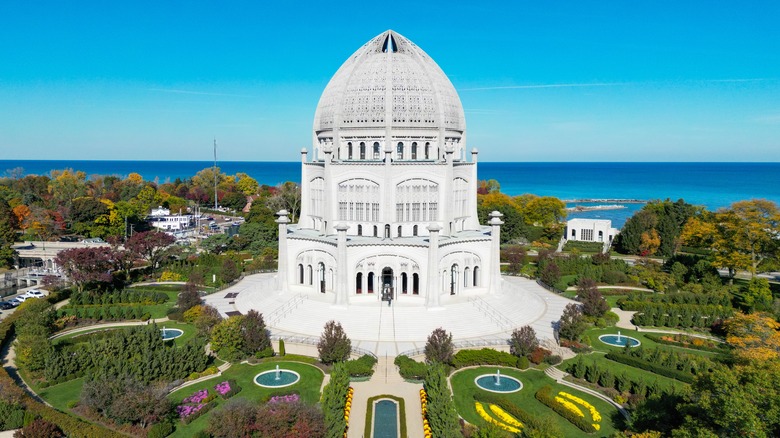
According to GoBankingRates, a seven-figure average home value of $1,005,748 awaits the new resident of Wilmette, Illinois. With a total annual cost of living approaching $96,945, a goal of matching the mean household income of $291,930 — or as per The Village of Wilmette, the average household income of $202,322 per year — would definitely provide a bit more of a financial cushion. Payscale places the cost of living at 61% higher than the U.S. average, with soaring housing costs that are 245% higher than the national average. A grocery bill 4% higher than the national average, a cost of transportation 7% higher, and healthcare 10% higher than the U.S. average could be the least of your problems. With the median rent at $5,374 per month, and a median home price of just over $1.7 million — as per the Federal Reserve Bank of St. Louis, the median sales price of homes in the U.S. is $410,800 — housing will be your main financial challenge in Wilmette.
Western Springs
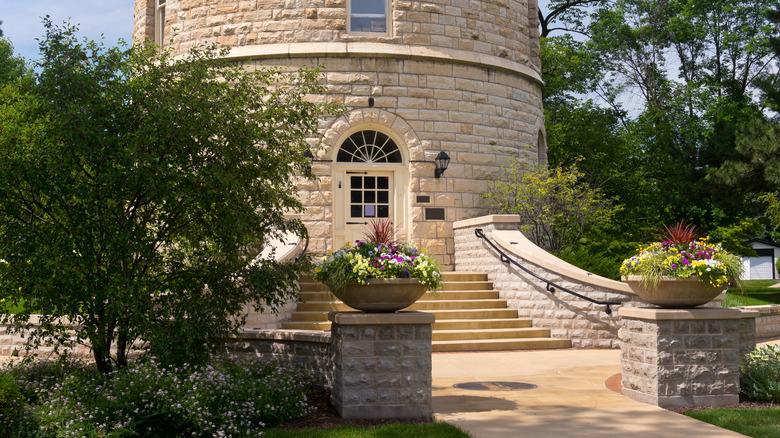
As per Payscale, in Western Springs, housing costs an average 187% more than the national average. That's followed by healthcare 10%, transportation 7%, and grocery bills 4% higher than the national average. Altogether, this adds up to a total cost of living 50% higher than the U.S. average. The median home price in Western Springs is north of $1.4 million, with a median rent of $4,471 per month — as per Zumper, the national median rent as of November 2025 is $1,501 per month.
The median home price aside, according to GoBankingRates, the average home is valued at $837,238, adding to an annual cost of living of $84,810. That's still more than double the national median home price. A household mean income of $294,896 might explain how anyone could afford a home in Western Spring, with the ability to do so in this wealthy suburb being one of a few signs you've entered official upper class status.
Burr Ridge

As per Fulton Grace Realty, Burr Ridge is a sought after suburb for its large plots of land, privacy, luxurious lifestyle of high-end boutiques, members-only clubs, and access to highways and transit. However, these amenities aren't free, as evidenced by a median home price of $900,000, with homes that can easily rise above $3 million. According to Zillow Rentals, the average rental price in Burr Ridge is $2,995 per month. With the national average rent, as per RentCafe, being $1,743, you have a rental situation in Burr Ridge that's $1,252 per month, or $15,024 per year higher than the U.S. average.
Census Reporter puts the median household income in Burr Ridge at $154,508 per year, representing almost twice the state median income and 1.5 times higher than the median income in Chicago. According to BestPlaces, a family of four would need $11,070 per month to live in Burr Ridge, which is 105% higher than the national average. As an individual, it won't get much better with an average cost of $5,400, representing an expense that is 13.3% above the national average. In total, life in Burr Ridge costs an average 8.1% more than the national average, and 15.4% more than the state average.
Hinsdale
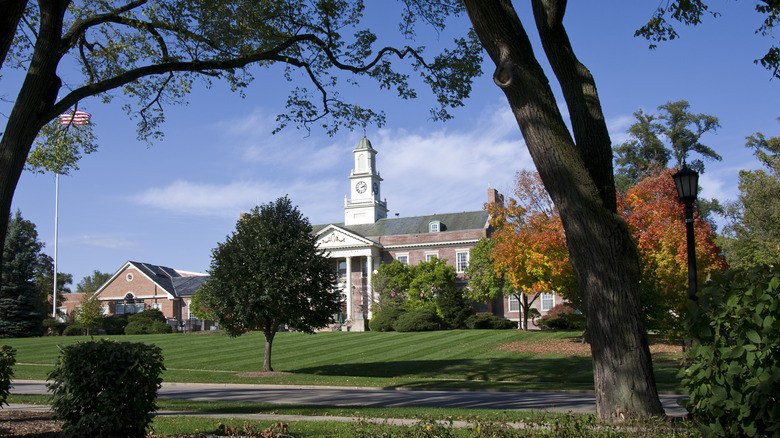
The cost of owning a home in Hinsdale has helped earn its reputation as one of the richest suburbs in the U.S. According to GoBankingRates, the residents' household mean income of $376,366 is needed to carry a total annual cost of living of $114,926 and home values of $1,259,123. As per Zillow Rentals, the average rent in Hinsdale is $3,350 per month. To put that in perspective, according to Rocket Mortgage, the average mortgage in the U.S. in September 2025 was $2,329, making the cost of covering an average mortgage in the U.S. lower than paying rent in Hinsdale.
According to Payscale, the cost of living in Hinsdale is 75% higher than the national average, with housing being a major factor. The cost of housing is 334% higher than the U.S. average, which tracks with the Federal Bank of St. Louis median home price of $410,800 in comparison to the average home values here of just over $1.2 million.
Lake Forest
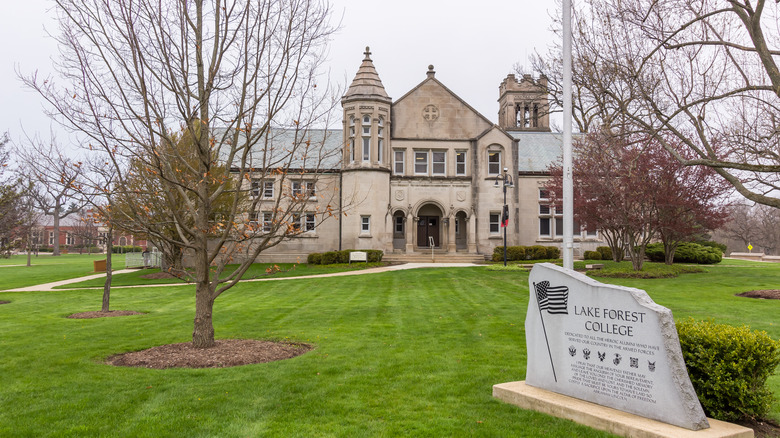
According to BestPlaces, the cost of living in Lake Forest for a family comes at a monthly cost of $14,340 per month, or $172,080 for the year. For a single person household, the amount you're estimated to spend in Lake Forest is $6,267 per month, or $75,200 per year. This represents a cost of living around 166% and just under 32% higher than the national average. Your groceries will cost you over 8% more than the national average, with goods and services also costing you a 41% premium to the U.S. average. As per Fulton Grace Realty, the median price of a home is around $1.1 million, with many homes priced at closer to $7 million. As one the richest Chicago suburbs, beautiful mansions with architecture going back to the 1800's, private school academies, and lakeside views offer residents a reason to spend so much money to live there. As per online news site Patch, the average household income in Lake Forest is $297,423 with a median household income of $225,551 per year.
Highland Park
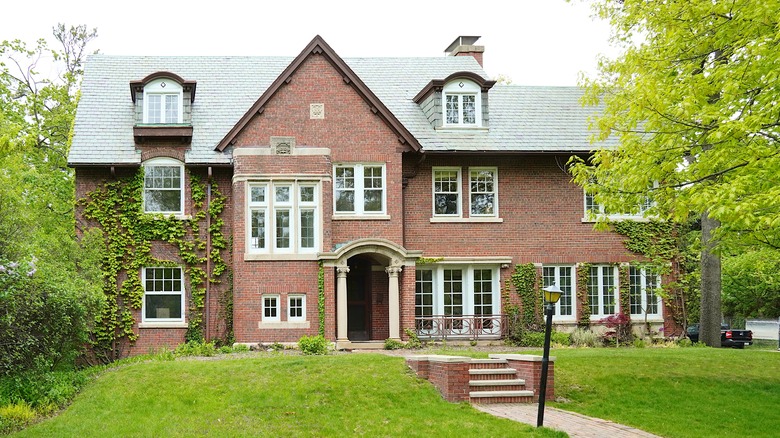
According to Census Reporter, a population of 30,229 in Highland Park has a median household income of $161,875, which is almost twice as high as the Chicago median, and close to double the state median. Property is an asset that could mean you're in the upper class if you own in Highland Park. As per Fulton Grace Realty, a median home price of $750,000 wouldn't prepare many for the sticker shock of a lakefront mansion, which cost $10 million or more. While thousands show up for the Ravinia Music Festival, as per BestPlaces, a single person might need to spend as much as $6,467 per month or $77,600 per year to live here, while a family of four should expect to spend $9,780 per month, or $117,360 per year. Those amounts are 35.7% and just over 81.1% more expensive than the U.S. averages, respectively. Groceries are 3.9% higher than the national average, while housing and transportation are 90.9% and 41.5% higher than the national average, respectively.
Glencoe

As per Livability, the median household income in Glencoe is $222,007, which makes sense in an area where the median home value is $961,386 and, as per Fulton Grace Realty, the average home sells in the range of $1.4 million before climbing to just over $5 million for homes closer to the water. Data courtesy of Payscale demonstrates the price spread of homes in Glencoe, with a median home price estimate of $2,292,406. A median rent of $6,887 per month offers no reprieve for anyone attempting to avoid a hefty down payment or mortgage. At an overall cost of living 72% higher than the national average, it's obvious the average American worker would have a hard time upgrading to this kind of lifestyle. That the residents of Glencoe can is just further proof of the moneyed classes spending power. When you consider that housing alone represents a cost 342% above the U.S. average, you immediately understand why Glencoe is considered one of Chicago's richest suburbs.
Kenilworth
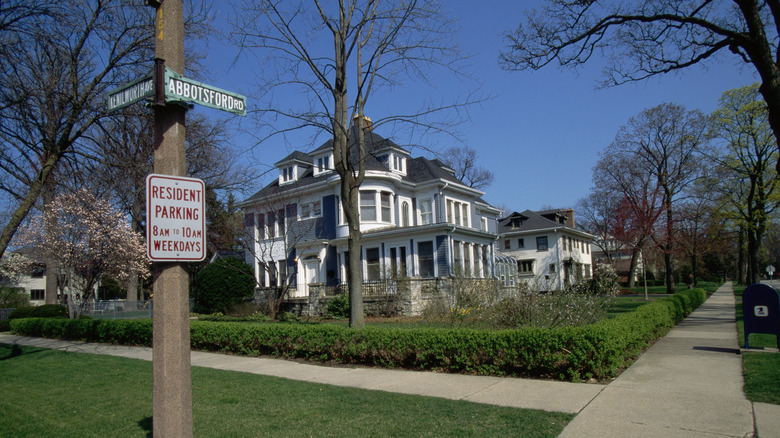
According to GoBankingRates, the mean household income of the residents of Kenilworth is $460,411 per year, the sort of income that places you in the top 5% of income earners in the U.S. However, with the average value of a single-family home reaching $1,945,017, you're just as likely to find residents in the income bracket of the top 1%. A total annual cost of living of $163,712 makes a higher income bracket a necessity in Kenilworth, which is considered, as per Fulton Grace Realty, the most exclusive and expensive suburb in the entire Midwest, much less the state. Although the enclave is a tiny community of under 2500 people, it has close proximity to Chicago, with just 17 miles separating the suburb from the city.
Unsurprisingly, according to BestPlaces, the total cost of living in Kenilworth is 5.7% higher than the national average, and 12.8% higher than the state average. What that looks like for you financially is an estimated monthly cost of $6,100 per month for an individual, or $23,190 per month for a family of four.