

One Of The Best Countries For A Retiree Has A Low Cost Of Living And Two Coastlines
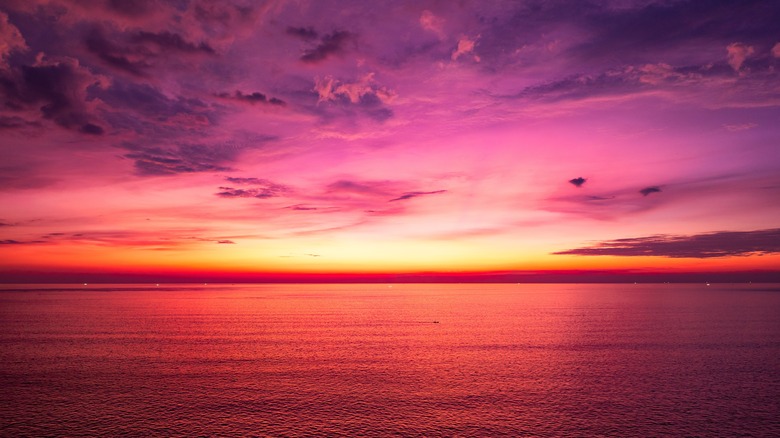
Living in Guatemala means being near plenty of gorgeous beaches and waterways along both the Pacific and Caribbean coastlines, along with the chance to witness some stunning sunrises and sunsets. People often spend big bucks to vacation in these types of places — but in Guatemala, you can affordably enjoy this lifestyle year-round. According to crowdsourced Livingcost data from October 2025, the total monthly cost of living for a single person in the Land of Eternal Spring is $968. Compare that to the average monthly Social Security benefit for a U.S. worker – $2,008.31 as of August 2025, according to the Social Security Administration — and the Guatemalan beach lifestyle might seem quite doable in your golden years.
In Guatemala, costs for rent and utilities average at $434 per month and transportation at $64.40. Food costs average $365, comparable to typical American grocery shopping costs. As examples, the United States Department of Agriculture listed moderate grocery costs in August 2025 as $321.40 for a female aged 51 to 70, and $365.20 for a male of the same age. Residents in Guatemala can easily obtain fresh fruits and vegetables, and diets also tend to include small amounts of meat and poultry plus beans and corn tortillas. According to Livingcost, grocery store pricing looked like this in October 2025: a quart of milk ($1.85); a 1.1-pound loaf of bread ($2.73); 2.2 pounds of rice ($2.02); a dozen eggs ($2.45); 2.2 pounds of cheese ($6.81); and 2.2 pounds of chicken ($8.08). Larger cities are more likely to offer American-style cuisine than rural locales.
How to enjoy an affordable retirement in Guatemala
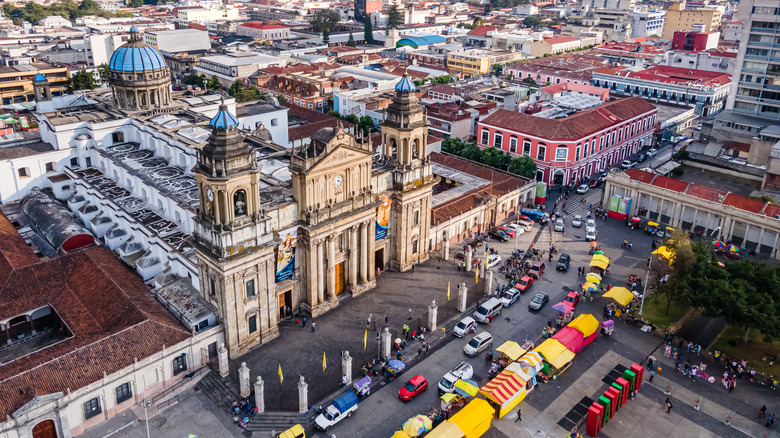
Guatemala offers a Pensionado Visa for retirees on a fixed income. Although it won't allow you to accept a paying position in Guatemala, you can run an income-producing business. Visa requirements include being retired in your country of origin and receiving a permanent income of at least $1,250 per month from a place outside of Guatemala. People immigrating to this country can't be considered a danger to its national security, and they must plan to permanently live within its territory.
So, what's day-to-day life like in Guatemala? If you want to explore the beauty of nature in your retirement, the country's rich biodiversity can be ideal. Retirees can also visit numerous museums and art galleries. In Guatemala City, this includes the National Palace of Culture. Free to "nationals," entry to the palace costs "foreigners" 40 Guatemalan quetzales, which is a bit more than $5. Coffee lovers can visit a plantation to see crops growing that will someday make an excellent cup of joe, and, if you don't mind a jungle trek, you can travel to the ancient Mayan center of Tikal; a guided trip will cost around $100 from Guatemala City.
Climate-wise, elevation usually matters more than the season. Using Guatemala City — located in a valley at an elevation of 5,000 feet — as one example, lows consistently fall in the 50s or low 60s Fahrenheit year-round, with highs steadily in the 70s. Tikal, located in a tropical rainforest at 400 feet above sea level, temperatures remain consistently in the 80s. Put simply, people moving to Guatemala don't need a four-season wardrobe.