

America's Most Affordable Seaside Towns Are Perfect For Retirement

In the U.S., there are a number of overpriced retirement communities that will only hurt your wallet if you don't do your research. With that said, according to a 2023 Federal Reserve Bank of St. Louis survey, Americans 65 years old and over spent an average of $60,087 per year on their living expenses — over $2,000 more than the previous year's average. And, according to an October 2025 report by the National Council on Aging (NCOA), seniors aged 60 and older in the bottom 60% of wealth tend to have mortality rates twice as high as their peers in the top 20%, while seniors living in the bottom 20% passed away nine years earlier on average than people in the top 20%.
Although living by the ocean may sound like an unaffordable option, there are seaside towns that are both scenic and affordable if you know where to look. The cost of living in these areas can even offer an advantage to retirees on fixed incomes — particularly as it relates to groceries, utilities, rent, and housing. Plus, according to the University of Vienna (via Earth.com), seaside living also offers physical benefits like swimming and consistent sunlight and vitamin D. It may also give seniors access to community, and the serene environment can do wonders for mental health as well. All those factors can go a long way toward a comfortable and healthy retirement.
Surfside Beach, South Carolina has a balanced cost of living
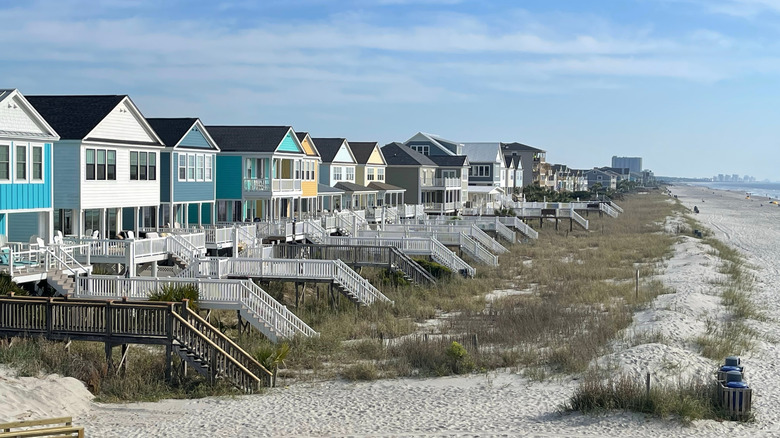
Surfs up in Surfside Beach, South Carolina, where Realtor.com places the median listing price of a home in September 2025 at $365,000. As per the Federal Bank of St. Louis, the median sales price of homes in the U.S., as of July 2025, was $410,800, meaning Surfside Beach offers a discount of $45,800 below the national median. Where rent is concerned, ZillowRentals reports the national average is $2,005 per month, as of mid-October 2025. During that same period, the average rent in Surfside Beach was $1,600 per month, potentially saving retirees upwards of $400 on rent. Plus, the town's cost of living, per Payscale, is 7% lower than the national average, while transportation costs are 7% lower, and healthcare is priced 4% lower. These more than make up for the fact that groceries are 4% higher than the national average and utilities are 17% higher.
Aside from two miles of ocean, you can also entertain yourself by fishing off the city's pier, enjoying public parks, or getting to know some of your 4,000 neighbors living along the beach. If you're put off by the slightly higher cost of groceries or utilities, but you still like the idea of living in the state, you might consider this artsy South Carolina town with a low cost of living.
Corpus Christi, Texas is the perfect place to work on your swing

Corpus Christi is a laid back town in Texas near the Gulf of Mexico that makes for a great retirement destination, largely thanks to the lower cost of living. Right off the bat, per Payscale, the cost of living in Corpus Christi, Texas, is 11% lower than the national average. This tracks across all metrics except utilities, which are 10% higher than the national average. However, pricey electric bills don't negate transportation, groceries, and housing costs that are 5%, 6%, and 22% lower than the national average, respectively. A median rent of $1,222 per month is a significant discount from the national average, proving that you don't need to be a homeowner to enjoy the area.
Located in one of the few states that don't tax Social Security, you'll also save money on expenses and keep more of what you earn in benefits, pensions, and other retirement income. Current Results reports 10-year average temperatures with lows of 46 degrees Fahrenheit in January and highs of 96 degrees Fahrenheit in August. Conditions like that make the town perfect for year-round golfing at one of several courses available through the Corpus Christi Country Club, Oso Beach Municipal Golf Course, and Lozano Golf Course. Alternatively, you could just enjoy the weather on your front porch, since Realtor.com reports the median listing price of a home was $289,450, a full $121,350 lower than the national average.
Enjoy unusually affordable assisted living in Port Richey, Florida
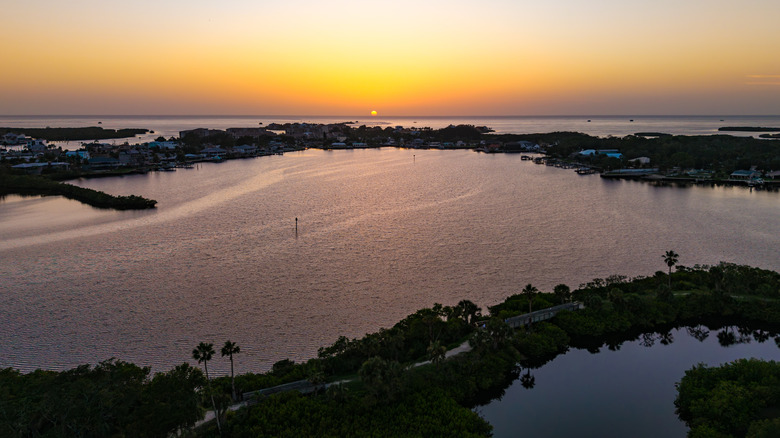
In 2023, Florida was considered one of the best states in which to retire. While the jury is out on whether that's still the case, you can rest assured that, where cost is concerned, Port Richey lives up to the state's old reputation. The median listing price of homes in this suburb, per Realtor.com, is $254,300. With an average rent of $1,726, as of October 2025, according to Zillow, retirees could save tons on rent or mortgages compared to the national average prices. That could mean hundreds or even thousands of dollars per year you could instead put toward your retirement. And, thanks to its location in a state without income tax — including taxes on retirement income — you'll have more money to spend. If you want to leave your home to a child or relative, you will also have the perk of no estate taxes on inheritance. According to Ownwell, the median annual property tax in the U.S., as of April 2025, was $2,400, however, in Port Richey, it is $1,801, a difference of just under $600 per year.
While age can come with healthcare concerns, according to A Place For Mom, the cost of assisted living in Port Richey — $3,791 per month — will cost you significantly less than the national average of $4,701, and is even cheaper than the state average.
Ocean Springs, Mississippi offers festivals and farmers markets
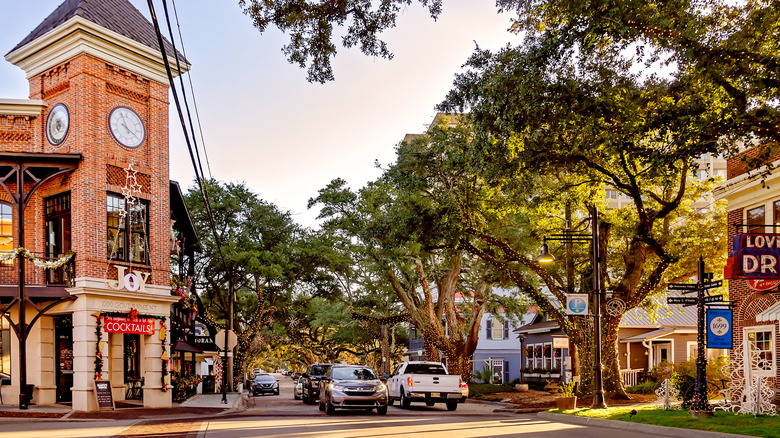
Thanks to Ocean Springs' close proximity to New Orleans — less than a two-hour drive away — you can experience the infamous annual Mardi Gras celebration if you so choose, or simply stay in town and enjoy local festivals like the Spring Arts Festival or the weekly Ocean Springs Fresh Market. Plus, Mississippi is the second most affordable state in the U.S., which definitely adds to Ocean Springs' charm — as does the state's lack of estate or inheritance tax.
According to Realtor.com, aside from the local amenities and the tax breaks, you'll find homes with a median listing price of $315,000, easily almost $100,000 below the national average. According to Zillow, the average rent is slightly under the national average, and the general cost of living is even cheaper. According to Salary.com, the cost of living in Ocean Springs is 8% lower than the national average and 41% lower than the state average. Healthcare, utilities, and transportation are all around 3.2% less than the national average, though groceries are slightly more expensive at around $437 per month, per single retiree. Even so, you should be able to offset some of that expense with the major savings provided from everything else.
Renting might be your best option in Astoria, Oregon

Astoria, Oregon, is located on the Columbia river next to the Pacific, and is absolutely dripping with small-town appeal. Victorian houses welcome retirees, who come for the farmers markets, daily catch of fresh seafood, museums, and old school trolley system to take you from point A to point B affordably. And with no state sales tax, prices stay a bit more predictable and affordable than other areas in the country.
According to Apartments.com, the average rent in Astoria, as of October 2025, will set you back a fairly reasonable $1,474 per month, made more incredible by the fact that this is waterfront property. At over $500 below the national average, Astoria is a small seaside town that demonstrates how renters can sometimes be better off than homeowners. According to Realtor.com, the price of a home in Astoria can easily break $500,000, rising above the national average by upwards of $100,000. Meanwhile, you can rent a two-bedroom apartment for $1,673 per month, which is lower than the national average. According to BestPlaces, individuals do better than family-sized households, with the cost of living for a single person coming in at $4,000 per month. While not the lowest cost of living on this list, it's still below the $5,007 monthly average for seniors.
Myrtle Beach, Florida has attractions for all ages
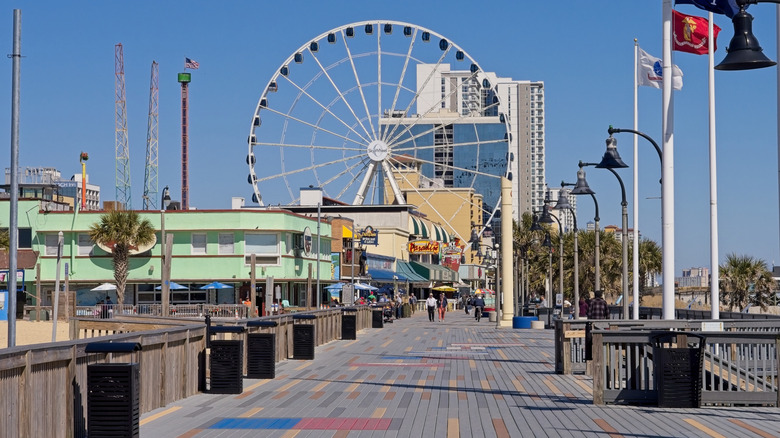
With 80 golf courses, 60 miles of beach, and a world-famous beachside boardwalk, Myrtle Beach, South Carolina, won't bore you. When you get tired of snorkeling, you can still see underwater life at Ripley's Aquarium, or entertain yourself at Family Kingdom amusement park. And when you're done for the day, you could retire to your seaside home. Realtor.com estimates a median listing price of $289,900 for houses in the area — over $120,000 cheaper than the national average. As per Apartments.com, that level of affordability extends to the rental market as well, with a monthly average rent of $1,354. Even a two-bedroom falls well under the national average at $1,584, and your average three-bedroom likely won't break the $2,000 threshold.
Apartments.com also states that the overall cost of living is 7.1% lower than the national average. The cost of owning a home alone offers a 29% discount from the country's average, with rent a whopping 17.2% below average when compared to the rest of the U.S. Transportation is also on the more affordable side, though you can expect higher-than-average energy bills and groceries. But even then, the jump isn't too bad. For instance, Myrtle Beach's 3.6% increase in grocery prices comes out to a roughly 50-cent markup for a $15 steak.
Houses & apartments are within reach in Deerfield Beach, Florida
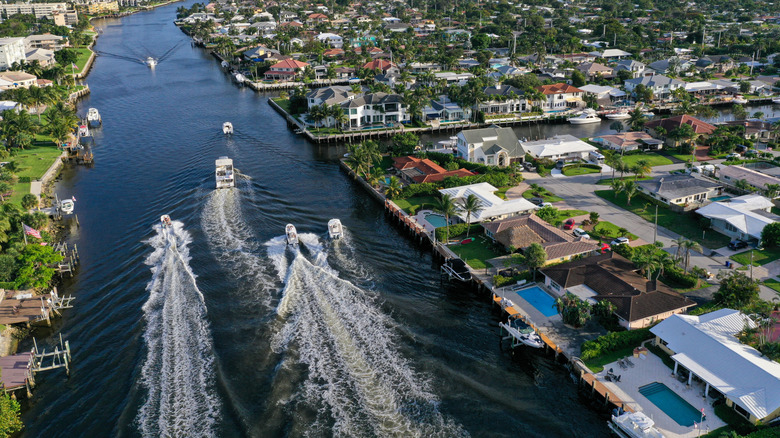
While there are reasons why retirees are leaving Florida for other states, Deerfield Beach, Florida, proves affordability doesn't have to be one of them. Aside from beaches, and accompanying warm weather, you can take advantage of art galleries and a thriving cultural scene as well as Disney theme parks, and the opportunity to perfect your golf swing in the state with the most golf courses in the U.S. According to Realtor.com, the median listing home price in Deerfield Beach is just $240,000, just more than half the national average of $410,800. There are undoubtedly cities in Florida where buying a house will cost you, but Deerfield Beach isn't one of them. According to RentCafe, the average rent in Deerfield Beach is $2,169, but that varies depending on where you look. For instance, the average rent in the Floresta Estates area of Deerfield Beach is around $1,803, which sits well below the national average.
According to BestPlaces, the average cost of living in Deerfield Beach is 18.3% lower than the national average, calling for an estimated $4,410 to live comfortably. Much of this is bolstered by the low cost of housing, which is almost 24% lower than the state average and 18.2% lower than the national average.
Retimement savings go unusually far in Pensacola, Florida
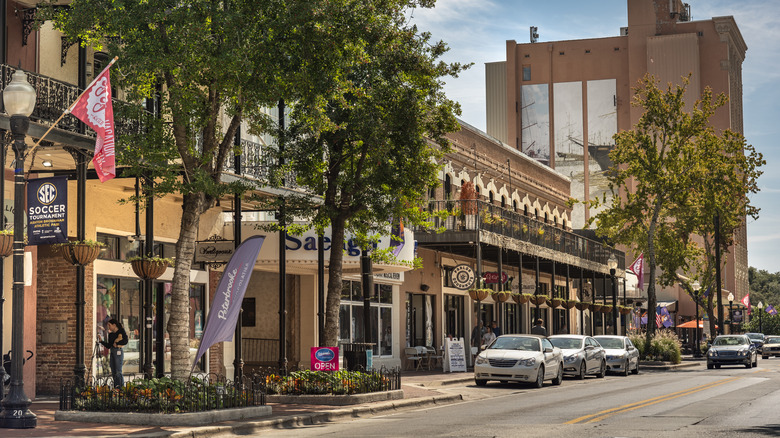
Pensacola, Florida, is one of the best coastal towns in Florida for retirees, largely due to the over 450 years of history found in museums, trails, and military forts. With seniors making up almost a fifth of the population, you'll also have plenty of company in addition to extra money thanks to an overall cost of living that is 4% lower than the national average, according to Payscale. Most of this benefit comes from housing costs being 9% lower, transportation costs 8% lower, and groceries 2% lower than the national average.
The median listing home price in Pensacola, per Realtor.com, is $315,000. While this isn't the least expensive housing market on this list, it's still approaching $100,000 less than the national average. As per Zillow, the average rent in Pensacola also sits hundreds of dollars below what you'd pay in other areas. If you were trying to retire on $250,000 in savings in Florida, there aren't many places you could stretch it further than in Pensacola. According to GOBankingRates, you could live comfortably for upwards of 15 years, with an average annual cost of living — including Social Security — of $16,684. Even without considering Social Security payments, the annual estimated cost of living is still just $39,194, a much less intimidating figure than the $60,087 the average retired worker pays.
Pascagoula, Mississippi has attractions for all income levels

According to Realtor.com, the median listing home price in Pascagoula, Mississippi, in September 2025 was $172,000. As per Zillow, the average rent for Pascagoula in October 2025 is $1,200 per month, offering considerable monthly savings. According to Salary.com, the cost of living in Pascagoula is 8% lower than the national average, and a whopping 35% lower than the state average. While living in the U.S. state where people have the lowest average income could be a problem in more expensive areas, Pascagoula helps bypass those risks with energy, transportation, and healthcare costs all between 12% and 13% lower than the national average. Meanwhile, BestPlaces estimates the monthly cost of living sits at $2,267 per month for individual retirees. With Americans 65 years old and over spending an average of $5,007 per month, Pascagoula represents a 45.3% discount to the cost of living compared to the national average.
Local attractions include Petit Bois Island, a protected wilderness area you can only access by boat, nine-hole golf at the Pascagoula Country Club, the historic Round Island Lighthouse, a great dining scene, as well as water activities and plenty of open beach for lounging.
Social Security covers mortgage costs in Gulfport, Mississippi
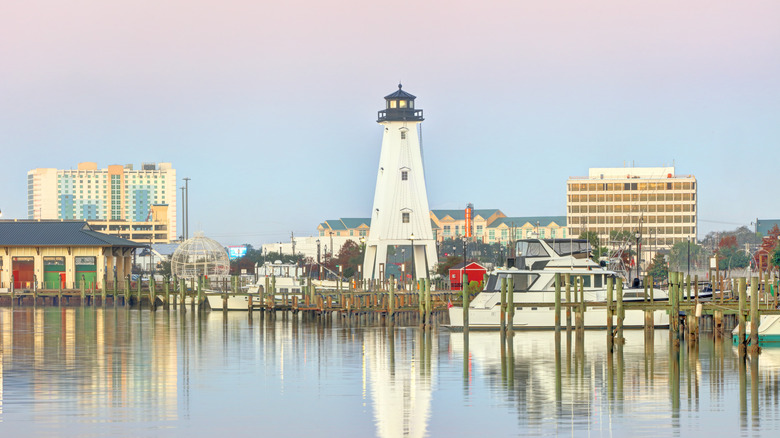
If you've ever wanted to live in Key West but the housing prices put you off — Gulfport, Mississippi, could be for you. According to Realtor.com, Mississippi's median home list price is $289,450, and the average mortgage is $2,136 per month. As per September 2025 data provided by Zillow, the average price of a home in Gulfport was $197,397, and Bankrate reports the average 30-year fixed rate mortgage in Mississippi will run you between $1,600 and $1,800 depending on the bank. That range is well below 2025's average monthly mortgage payment which, according to Rocket Mortgage, is $2,329. Meanwhile, the average rent is $1,474 per month. Thanks to the new Social Security COLA rate for 2026, the average monthly Social Security benefit could rise this year to $2,062 per month. This means that, whether renting or buying, Social Security alone could cover your housing with a few hundred dollars to spare.
As per Salary.com, in 2025, Gulfport's cost of living is $2,247 per month for individual retirees. The overall cost of living in Gulfport is 29% lower than the state average, and 9% lower than the national average. The cost of housing has a lot to do with that, but energy, transportation, and healthcare costs are all also below the national average. With the second largest population of any Mississippi city, this is a scenic town home to the Mississippi Aquarium, golf courses, and ample fishing.