

How Much Did The November 2026 Ground Stop Cost Airlines? The Numbers Are Staggering
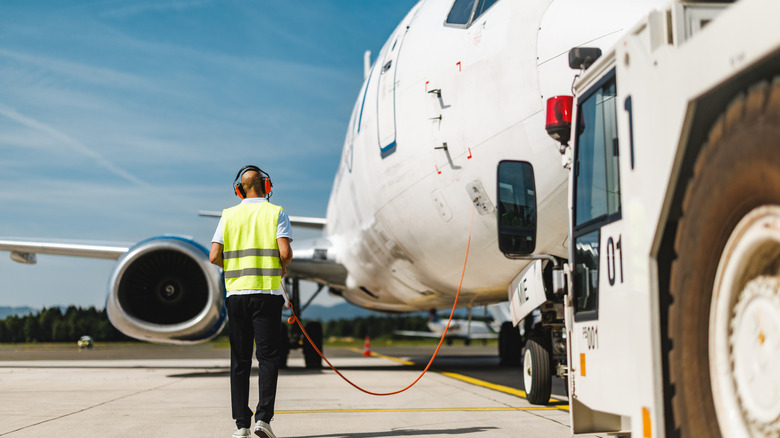
For over four hours on Friday, November 13, 2026, the Federal Aviation Administration (FAA) ordered a total nationwide ground stop on flights. In addition to causing upwards of 20,000 flight cancellations from Friday through Monday morning, U.S. Secretary of Transportation Sean Duffy estimated that the ground stop could cost the U.S. economy over $1 billion — with the major airlines involved likely eating a sizable chunk of those costs.
According to Bernstein data, via Reuters, American Airlines, Delta Airlines, United Airlines, and Southwest Airlines are projected to lose a combined total of between $270 million and $430 million as a result of the FAA's decree. However, an analysis by Raymond James, via Bloomberg, suggests that those figures could be considerably higher. American Airlines had the most flights disrupted by the mass cancellations, and could stand to lose around $354 million as a result. Meanwhile, Raymond James projects that Delta's losses will reach around $244 million, United's losses will reach $229 million, and Southwest's losses will approach $137 million.
Smaller airlines could also suffer as a result of the ground stop. Alaska Airlines could lose around $46 million, while JetBlue may be out around $73 million. In a time when rising jet fuel prices are already eroding profits, these losses could seriously derail airline companies heading into 2027.
The general public also experienced major financial losses
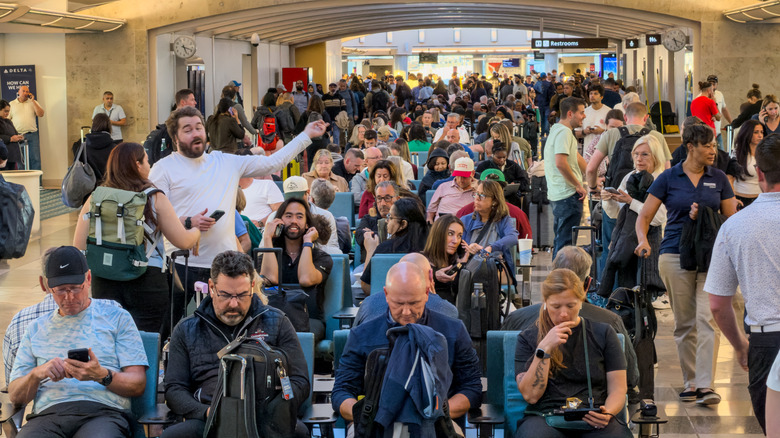
Between new costly TSA fees in 2026 and the fact that Spirit Airlines, once ranked America's No. 1 budget airline, permanently shut down in May, 2026 has already been a tough year for those with a stake in the airline industry. The millions of travelers whose flights were delayed or cancelled could face significant financial losses beyond the cost of the flight. While they will likely be reimbursed for the flights themselves, since the shutdown was out of the control of any individual airline, they'll likely have to eat any other out-of-pocket costs associated with the delays. This means those who had already shelled out for travel expenses like food, lodging, and ground transportation — as well as workers who may have lost income as a result of trip cancellations – will likely be unable to fully recoup those losses.
Plus, since many major airlines in the U.S. are publicly traded, shareholders also suffered losses following the events of November 13. As of Tuesday, November 17, share prices for American Airlines have dropped by over $1, or roughly 7.4% compared to their closing price one week prior — or four days before the ground stop. Similarly, Delta stock dropped $7 per share, a roughly 7.8% value reduction, in the same time frame. United Airlines shares have seen the most significant week-over-week drop of the "big four" U.S. airlines, with per-share prices dropping over $13, or roughly 11%.