

A Paid-Off Timeshare Can Still Come With These Hidden Costs
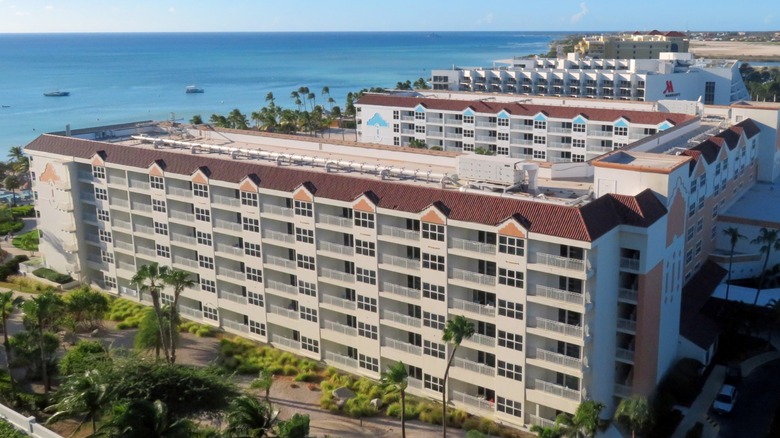
Timeshares can look pretty desirable on the surface; just share ownership of a property with others, and you get an annual vacation destination for less cost and hassle than flat-out buying a vacation home or booking hotels. But is that really the case? As underlined by the booming (and often scam-prone) timeshare exit industry of lawyers and brokers who charge to get contracts cancelled and spots sold, paying off a timeshare is just part of the financial commitment that many people find themselves unwittingly locked into. There are multiple ongoing expenses that may not be apparent upfront, not to mention other hidden costs that can quickly make purchasing ownership in these properties considerably pricier than it seems on the surface.
Whether you're paying off your timeshare's cost in full from the get-go or financing it (which many people have to do), the reality is that your financial commitment doesn't end there. Even after you've made the final payment, you don't own your timeshare the way you'd own a house. Some timeshares are deeded, meaning you own a fractional share of the property, while others are right-to-use, meaning you've only bought access for set periods. Either way, you share the property with other owners, so there are ongoing administrative fees you all must pay to keep it maintained. Often called maintenance fees and collected either monthly or annually, these are charges that help cover things like staffing, landscaping, pool cleaning, etc. They're kind of like regular HOA fees in that regard and also vary considerably in cost between properties.
Administrative and maintenance fees can (and do) go up
Let's say you've found a timeshare you really like, can afford to pay off on a timeline you're happy with, and you can afford the ongoing administrative/maintenance fees. All may seem well and good and like you're in a good spot financially, except for one small, horribly inconvenient detail — those routine fees can be raised at any time. According to a 2025 state of the industry report from the American Resort Development Association (ARDA), maintenance fees increased more than 32% in just four years, spiking up from $1,120 in 2020 to $1,480 in 2024. Then there's ARDA's 2026 report, which found that the average maintenance fee had increased to $1,550 in 2025.
Although some states may have basic laws governing these increases (like having to provide owners with advance notice), there are fewer laws restricting timeshare administrative fees than there are laws that limit things like rent and property tax increases. So, these fees can keep climbing year after year, forcing owners to pay thousands more on top of what they already paid for ownership. This is why retirees should be especially wary of timeshare purchases; fees going up can be difficult to handle on a fixed income.
Other hidden fees can pop up unexpectedly with timeshares

Property taxes are typically included in the timeshare administrative fees you pay, but they may also be unbundled and be a standalone cost you'll have to deal with. And, they can go up every time the property is re-assessed or if local taxes otherwise increase. Regardless, if you're anticipating property tax breaks to help mitigate costs, you should probably temper expectations. Since you're splitting the tax bill with other owners, your share is smaller, but so is any deduction you might claim. And if your property tax is bundled with your maintenance fees, it may not qualify for a deduction at all.
Then there are things like utility fees (if they aren't bundled with your maintenance fees) and damage repairs. The biggest wild card, though, is special assessments: one-time charges for major repairs, renovations, or even legal issues. They can come about sporadically and catch owners totally off guard, often ranging from a few hundred to several thousand dollars. Even using your timeshare can cost extra, with exchange program memberships starting around $99 a year and booking fees of $20 to $100 per reservation.
Oh, and if you get tired of it all and want to exit? Selling a timeshare often comes with closing costs like title transfer or contract cancellation fees. And, that may be on top of any broker commission if you don't sell entirely on your own, which some contracts don't allow. Don't expect to profit either. According to AmeriSave, timeshares on secondary markets often sell for just 10% to 20% of their original purchase price, and, even worse, many timeshare owners struggle to even find buyers.