

An Oprah-Backed Restaurant Chain Just Filed For Bankruptcy And Closed 12 Locations
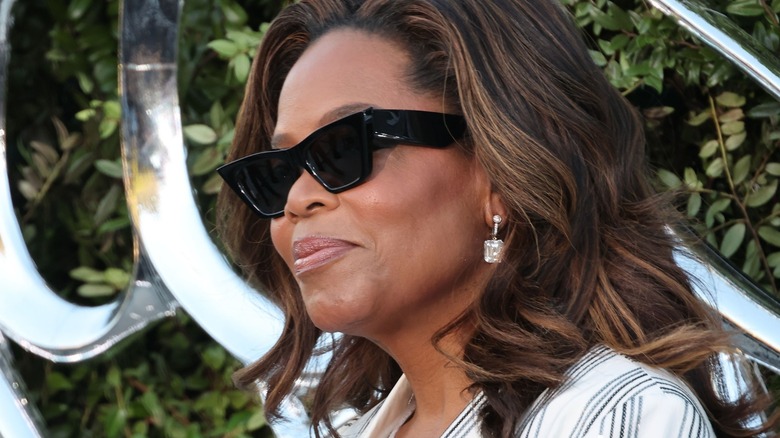
When True Food Kitchen was founded in 2008, it was created with the mission of serving minimally processed meals built around a healthy, anti-inflammatory diet. The idea caught on with American diners, and the chain attracted an investment from Oprah Winfrey in 2018 before generating more than $300 million in annual sales by 2024. However, its fortunes appear to have changed, and on October 4, 2026, True Food Kitchen joined the ranks of restaurant chains facing bankruptcy, filing for Chapter 11 protection in the U.S. Bankruptcy Court for the Southern District of Texas in Houston.
Twelve of its restaurants also served their last meals that day. That may not sound like a lot of closures, especially compared with the roughly 350 U.S. stores shuttered following Forever 21's bankruptcy, until you consider that True Food Kitchen had only 46 locations. The shutdowns removed roughly a quarter of its footprint, leaving 34 restaurants operating across 14 states. It also means that New Jersey, New York, Louisiana, and Ohio no longer have even a single True Food Kitchen restaurant as of this writing.
The remaining restaurants continue operating while True Food Kitchen works on a court-supervised sale. As for Oprah, the company confirmed to Fox Business after the filing that she remains a minority investor, although she no longer serves on its board.
The events that led to True Food Kitchen's bankruptcy filing
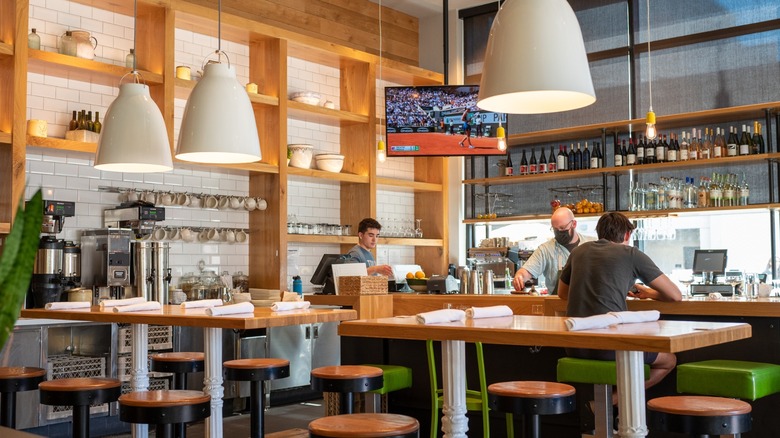
In a court declaration, True Food Kitchen's chief restructuring officer, Nathan Cook, said frequent changes in management were a major factor in the chain's financial troubles. This high turnover led to inconsistencies in the chain's marketing, menus, and restaurant service. Under different leaders, the company also invested in new markets and products that ultimately failed to pay off. Some of that money went toward equipment for menu items that did not fit the chain's focus on healthy eating.
Like Peloton, which struggled to adjust as pandemic habits changed, True Food Kitchen made changes during the COVID-19 pandemic that ultimately backfired. Cook explained that as in-person dining declined during the pandemic, the company turned some existing restaurants into delivery-focused "ghost kitchens" and opened a separate kitchen dedicated to delivery orders. According to Cook, these efforts mostly caused staffing problems and hurt the dining and service experience.
Some restaurants also failed to attract as many customers as expected, which only burdened the company financially. True Food Kitchen's management cut corporate jobs and tried to get better deals from suppliers and landlords to save money, but these efforts were not enough. By the time it filed for bankruptcy in October 2026, the company had just $1.6 million in cash to freely use. Its financial adviser said in a separate court declaration that the money would cover only about two weeks of operating and bankruptcy expenses without additional funding.