

Social Security Just Announced Its Biggest Raise Since 2023

On October 14, 2026, the Social Security Administration (SSA) announced a 3.6% cost-of-living adjustment (COLA) for 2027, the biggest increase since 2023's 8.7% raise. Starting in January, the SSA estimates that the average retired worker's monthly benefits will rise from roughly $2,095 to $2,170 — before any Medicare premiums, tax withholding, or other deductions are calculated, that is. That's about $75 a month, or roughly $900 over the full year.
While this could mean extra breathing room for some beneficiaries, it also points toward inflation picking up again. COLA is adjusted yearly for inflation, so a bigger increase reflects how much prices have risen over the past year. Annual adjustments had dropped to 3.2% in 2024 and 2.5% in 2025, before COLA increased to 2.8% in 2026. While these adjustments are designed to help ensure benefits keep up with higher prices, there is an inherent delay in the system. The 2027 calculation compares average price levels from July through September 2026 to the same time period in 2025. This means that beneficiaries have already spent months burdened by higher prices before the COLA change happens in January.
Seniors say the increase falls short
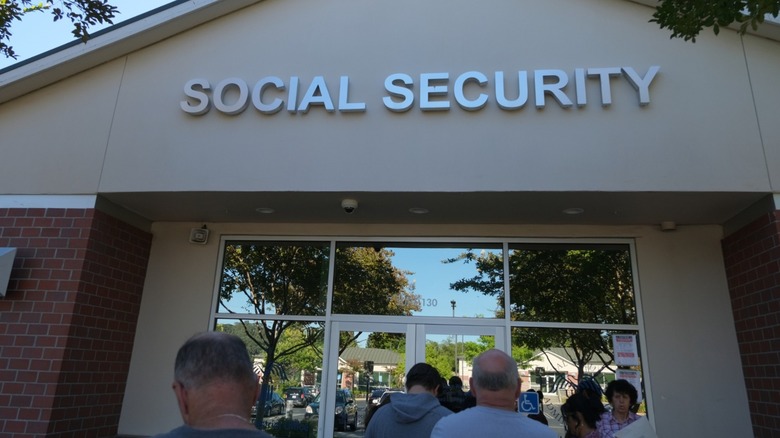
Before the SSA's announcement on October 14, the American Association of Retired Persons (AARP) had already surveyed adults aged 50 and older about whether a projected 3.5% COLA rate for 2027 would keep up with rising costs. Of those surveyed, 76% said it wouldn't be enough, with most reporting needing an increase of between 5% to 8% to help with everyday expenses.
This is on top of the fact that senior advocates say the COLA formula is fundamentally not retiree-friendly. COLA is calculated using the Consumer Price Index for Urban Wage Earners and Clerical Workers (CPI-W), which measures price changes based on how certain working households in urban areas spend money. President and CEO of the National Committee to Preserve Social Security and Medicare, Max Richtman, has argued that this calculation doesn't accurately reflect older Americans' expenses, particularly Medicare price hikes. Instead, Richtman argues that the SSA should use the Consumer Price Index for the Elderly (CPI-E) in an effort to boost COLA rates.