

New Cars Could Get Cheaper This Fall For One Simple Reason
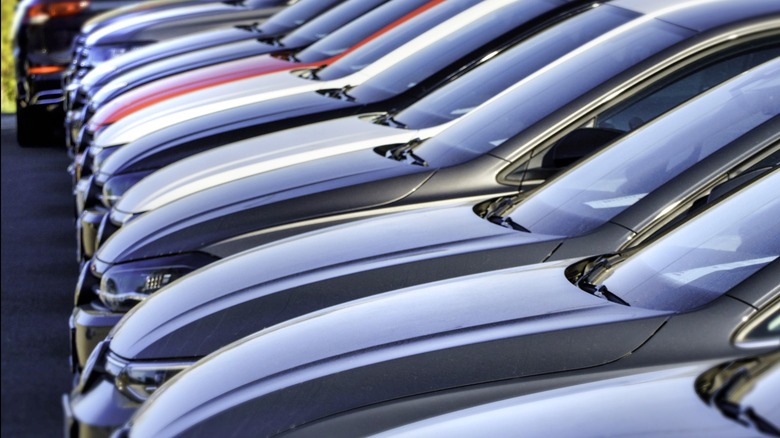
Car buyers who have been judiciously waiting until fall to purchase a new car might finally be able to seize their opportunity. According to Cox Automotive, 2027 model-year vehicles comprised only 12.4% of available new-vehicle inventory across dealerships in August 2026. By comparison, incoming 2026 models made up 23% of inventory at the same point in 2025. This is important because the slower rollout leaves more room for outgoing 2026 inventory on dealer lots — potentially giving buyers a better bargaining position as dealers make room for incoming 2027 models.
Fall 2024 offers a useful example of how higher outgoing-model inventory can coincide with stronger incentives. By the beginning of October 2024, incoming 2025 vehicles comprised approximately 37% of dealership inventory, and Cox Automotive reported that automakers were offering more incentives to move older models. Edmunds found that the average new-vehicle transaction price was $47,611 in October, compared with an average MSRP of $49,426 — a gap of $1,815. The following month, that gap increased to $2,023, with an average MSRP of $50,553 and an average transaction price of $48,530. These figures cover the broader new-car market rather than only outgoing models, so they don't guarantee a specific discount on a 2026 vehicle. Still, Edmunds' data shows that discounting can push average transaction prices below average MSRP, with slow-selling outgoing models potentially offering buyers more room to negotiate.
The 2027 model rollout is slower for some brands
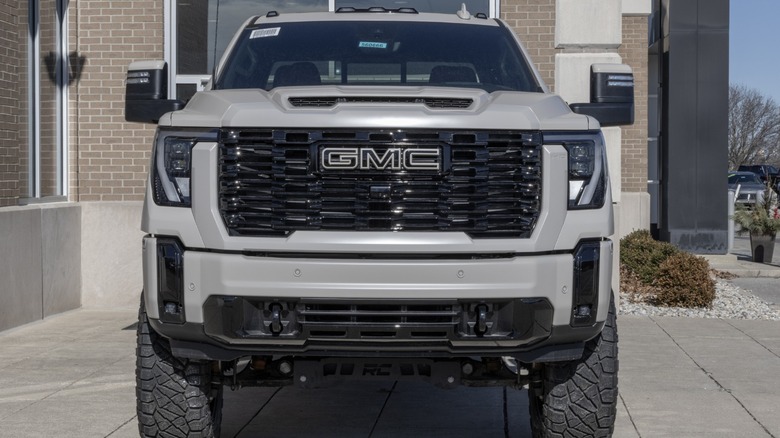
Bargaining advantages could be especially good at brands carrying higher levels of inventory. According to the Cox Automotive report, the industry averaged 73 days of supply in August, but brands like Jeep, Dodge, and Ram had around twice that amount. In fact, CarGurus found that the Jeep Wrangler has spent an average of 134.5 days on the market in 2026, followed by the Ram 1500 at 111.7 days, the Ford F-250 at 106.9 days, and the Ford Explorer at 98.2 days. Since the number of vehicles sitting on a dealer's lot can strengthen your negotiating position, this could mean more generous deals on these specific brands and models.
This also means that brands like Toyota and Honda, which have 33 and 41 days of supply, respectively, are less likely to be discounted. Whatever model you pursue, avoid weakening your position by telling the salesperson you urgently need a car or naming the monthly payment you can afford — two of the things you should never say when buying a car. Your best bet this fall is to target outgoing 2026 models with high inventory, compare offers from several dealerships, and negotiate using the out-the-door price so extra fees do not wipe out your savings.